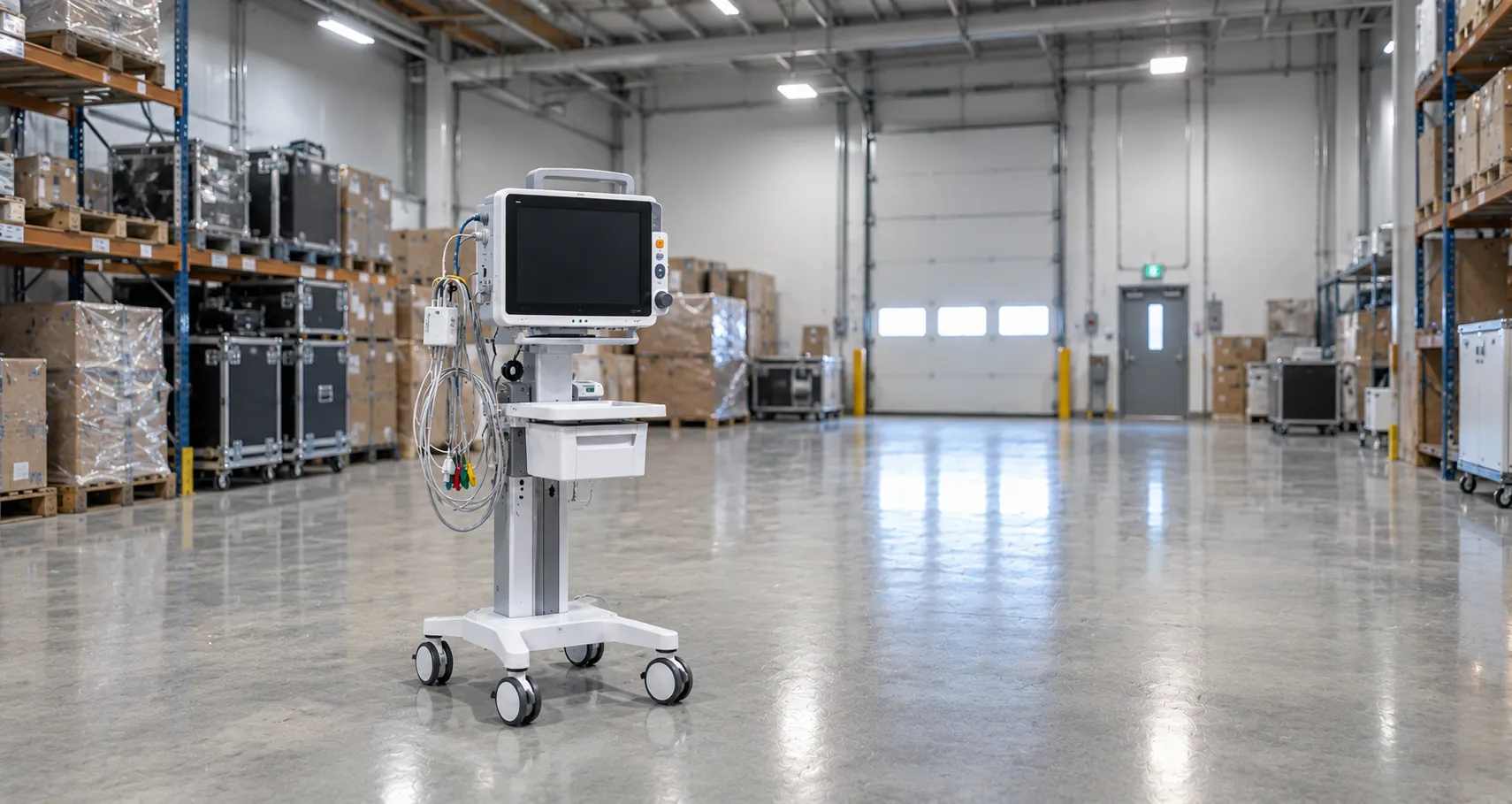
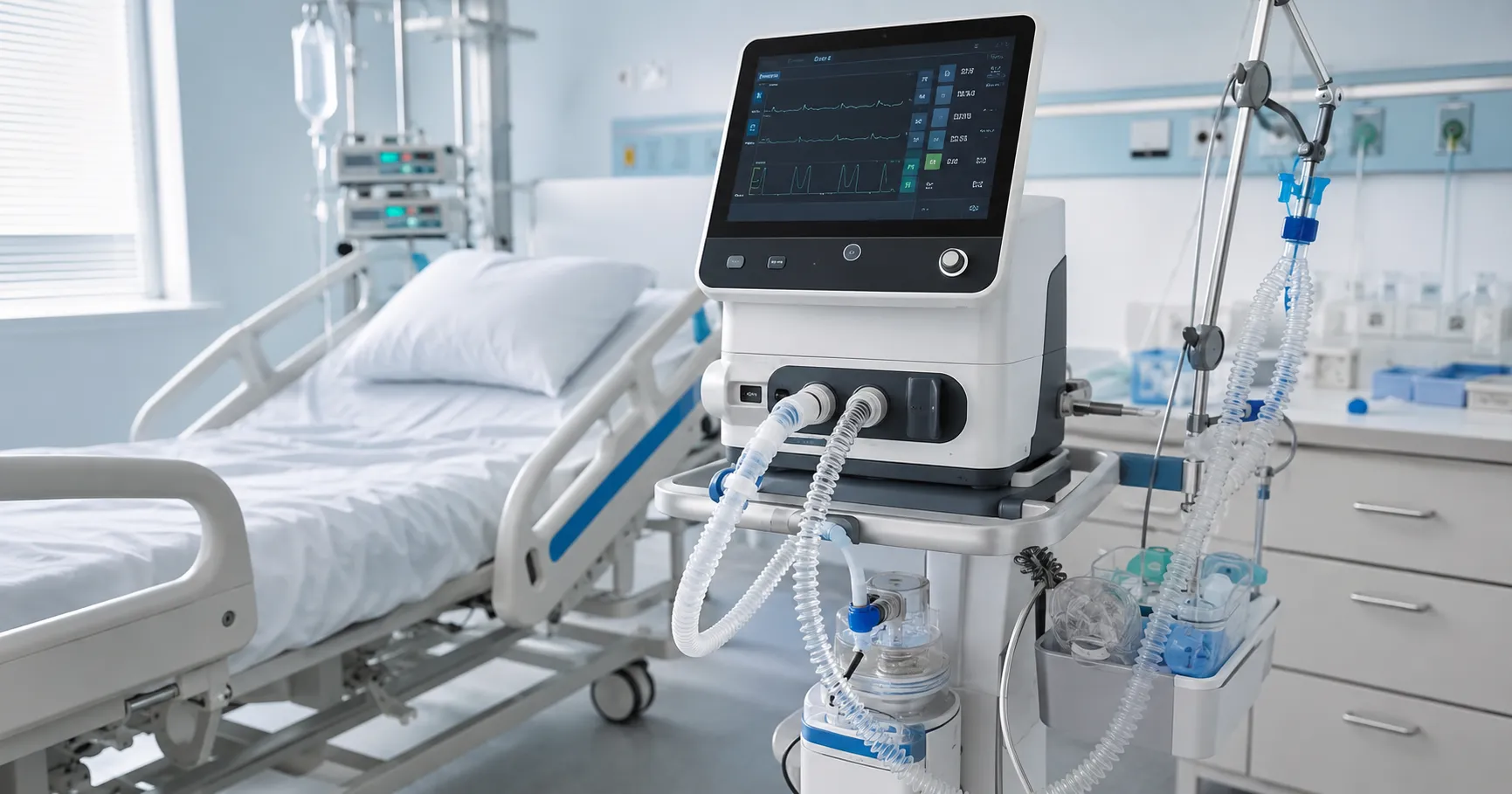
Intelligent respiratory care devices help hospitals support oxygen delivery, ventilation, airway management, patient monitoring, respiratory therapy, emergency response, and critical care planning. These devices may include oxygen systems, ventilators, CPAP and BiPAP machines, high flow oxygen therapy systems, suction units, humidifiers, pulse oximeters, respiratory monitors, transport ventilators, and connected respiratory dashboards.
For healthcare buyers, respiratory equipment should be reviewed for clinical use, oxygen compatibility, alarm quality, accessories, maintenance, cybersecurity, compliance documents, staff training, and total cost of ownership. WHO describes oxygen as a life-saving essential medicine with no substitute, used for the care of respiratory illnesses and is also important for surgery and trauma.
What Intelligent Respiratory Care Devices Mean
Intelligent respiratory care devices are medical devices that support breathing-related care with advanced features such as digital controls, alarms, monitoring, software settings, oxygen management, data records, connectivity, battery alerts, and service logs.
They are used in ICUs, emergency departments, wards, operating rooms, recovery areas, neonatal units, respiratory therapy departments, ambulance services, and step-down care areas.
Intelligent features do not replace trained clinical staff. They support respiratory teams, doctors, nurses, biomedical engineers, and procurement managers by improving visibility, readiness, maintenance, and workflow.
Why Respiratory Equipment Planning Matters
Respiratory care is central to hospital readiness. Patients may need oxygen support, assisted ventilation, airway clearance, continuous monitoring, or emergency respiratory response.
Good respiratory equipment planning helps hospitals:
-
Improve oxygen delivery readiness
-
Support critical care capacity
-
Reduce equipment downtime
-
Manage accessories and circuits
-
Improve alarm response
-
Support patient transfer
-
Improve maintenance records
-
Prepare backup equipment
-
Control lifecycle cost
WHO’s technical specifications for health facility-based medical oxygen systems outline minimum quality, safety, and performance features for oxygen sources, storage, and distribution products used inside health facilities.
Key Intelligent Respiratory Care Devices
Hospitals may need different respiratory devices depending on department workflow and patient acuity.
Oxygen Systems — Oxygen concentrators, cylinders, pipeline systems, regulators, flowmeters, masks, tubing, and humidifiers support oxygen therapy.
Ventilators — ICU ventilators and transport ventilators support patients who need assisted breathing in critical care, emergency, transfer, and recovery settings.
CPAP and BiPAP Devices — Positive airway pressure systems may support selected respiratory workflows where clinically appropriate.
High Flow Oxygen Therapy Systems — These systems provide heated, humidified oxygen delivery in select hospital respiratory care settings.
Suction Units — Portable and wall-mounted suction devices support airway clearance, emergency care, procedure rooms, and critical care areas.
Pulse Oximeters and Monitors — Oxygen saturation monitoring supports respiratory assessment, emergency response, ward care, ICU care, and outpatient review.
Respiratory Humidification Systems — Humidifiers may support selected oxygen and ventilation workflows.
Facilities sourcing through regulated and certified equipment suppliers worldwide should confirm specifications, accessories, consumables, warranty, service support, spare parts, cleaning instructions, and compliance documents before procurement.
Connected Respiratory Devices and Data Flow
Many intelligent respiratory devices use software, sensors, digital displays, alarms, remote service tools, data export, or monitoring dashboards. The FDA describes digital health technologies as systems using computing platforms, connectivity, software, and sensors for healthcare and related uses.
Connected respiratory equipment may help hospitals:
-
Track device status
-
Review alarm history
-
Export selected data
-
Monitor oxygen use
-
Support maintenance records
-
Review software versions
-
Improve service planning
-
Support central monitoring
Digital features should support clinical workflow without making basic respiratory care dependent on unstable connectivity.
Interoperability in Respiratory Care
Respiratory care devices may need to exchange information with patient monitors, central stations, electronic records, nurse call systems, maintenance platforms, or asset tracking systems. The FDA defines medical device interoperability as the ability to safely, securely, and effectively exchange and use information among devices, products, technologies, or systems.
Buyers should check:
-
Can the device export useful data?
-
Can it connect with existing systems?
-
How are alarms reviewed?
-
Can service records be stored?
-
Does the device work offline?
-
Who controls software updates?
-
What happens during network failure?
Interoperability should improve respiratory workflow, not create extra manual work.
Cybersecurity for Intelligent Respiratory Devices
Connected respiratory devices may use software, wireless access, remote service, cloud dashboards, user accounts, and patient data. FDA cybersecurity guidance provides recommendations on medical device cybersecurity considerations and what information to include in premarket submissions.
Procurement teams should ask suppliers about:
-
Access control
-
User permissions
-
Software update policy
-
Patch support
-
Remote service rules
-
Encryption
-
Audit logs
-
Data storage
-
Password control
-
End-of-life data removal
Cybersecurity should be reviewed before respiratory devices are connected to hospital systems.
Accessories and Consumables
Respiratory equipment depends heavily on accessories and consumables. A suitable ventilator, CPAP unit, oxygen system, or suction unit can become difficult to use if accessories are missing or incompatible.
Buyers should review:
-
Masks
-
Tubing
-
Breathing circuits
-
Filters
-
Humidifier chambers
-
Oxygen sensors
-
Flowmeters
-
Regulators
-
Batteries
-
Cables
-
Mounts
-
Suction jars
-
Disposable liners
Accessory compatibility should be included in procurement planning from the beginning.
Maintenance and Biomedical Planning
Respiratory equipment must be maintained carefully because it may support urgent, critical, or continuous care. WHO medical equipment maintenance guidance explains that maintenance strategies include inspection, preventive, and corrective maintenance, with preventive maintenance aimed at extending equipment life and reducing failure rates.
Maintenance planning should include:
Preventive maintenance schedules
-
Calibration where required
-
Battery checks
-
Alarm testing
-
Oxygen purity checks were applicable
-
Filter replacement
-
Circuit inspection
-
Sensor checks
-
Software updates
-
Fault logs
-
Service reports
-
Spare part planning
Biomedical teams should track downtime, recurring faults, repair costs, warranty claims, and supplier response. times
Procurement Guidance for Respiratory Care Devices
Respiratory equipment procurement should involve respiratory physicians, ICU teams, emergency teams, nurses, biomedical engineers, infection control teams, IT teams, finance teams, compliance staff, and procurement managers.
Define the Care Area — ICU ventilators, ward oxygen devices, emergency equipment, transport ventilators, CPAP systems, and high flow systems have different requirements.
Review Total Cost of Ownership — Include device price, accessories, consumables, installation, training, software, maintenance, calibration, spare parts, warranty, and replacement planning.
Check Supplier Transparency — Suppliers and manufacturers advertising to global healthcare buyers should provide specifications, manuals, warranty terms, service support, training details, consumable requirements, and compliance files.
Plan Backup Equipment — Respiratory care areas should have backup devices for emergencies, transfer, cleaning cycles, breakdowns, and maintenance downtime.
Common Mistakes to Avoid
Hospitals should avoid these respiratory equipment procurement mistakes.
Buying Without Oxygen Workflow Review — Devices should match oxygen source, pressure, flow, accessories, and department needs.
Ignoring Consumables — Filters, circuits, masks, humidifier parts, tubing, and sensors affect daily cost and availability.
Weak Maintenance Planning — Respiratory devices need structured preventive maintenance and service records.
No Backup Devices — Critical respiratory areas require backup equipment in case of failures and patient transfers.
Skipping Cybersecurity Review — Connected devices need access control and update planning.
Ignoring Staff Training — Clinical users should understand setup, alarms, cleaning, accessories, and downtime workflow.
Choosing Only by Price — A low purchase price may lead to higher long-term costs if the costs and parts are weak.
International Sourcing Considerations
Intelligent respiratory care devices can be sourced internationally when buyers clearly define clinical use, oxygen source, flow requirements, patient group, accessories, consumables, warranty, spare parts, maintenance needs, software support, cybersecurity expectations, and compliance documentation.
Healthcare groups managing several facilities may benefit from structured distribution and reseller partnership arrangements. Standardising respiratory devices, accessories, circuits, service records, training materials, and supplier requirements can reduce variation across hospitals.
Buyers should confirm whether they need ventilators, oxygen systems, CPAP devices, BiPAP devices, high flow oxygen systems, suction units, pulse oximeters, respiratory monitors, humidifiers, or complete respiratory care packages. For project-based sourcing, buyers can contact the Medigear.uk team for supply support to discuss availability, documentation, export needs, and procurement requirements.
Future Role of Intelligent Respiratory Care Devices
Intelligent respiratory care devices will continue to support hospitals through better oxygen management, connected monitoring, respiratory workflow visibility, maintenance records, alarm review, cybersecurity planning, and lifecycle procurement control.
The strongest respiratory equipment strategies will combine clinical suitability, oxygen infrastructure review, accessory planning, preventive maintenance, staff training, cybersecurity review, supplier transparency, and total cost analysis.
Respiratory devices should make care delivery more reliable, easier to manage, and better supported across hospital departments.
Final Thoughts
Intelligent respiratory care devices help hospitals improve oxygen delivery, ventilation support, airway management, monitoring, emergency readiness, and respiratory workflow planning. They are important for ICUs, emergency departments, wards, recovery areas, operating rooms, neonatal units, and patient transfer services.
Healthcare buyers should review clinical use, oxygen infrastructure, accessories, consumables, maintenance, cybersecurity, staff training, warranty, service support, documentation, and total cost of ownership before ordering. The right respiratory equipment strategy should support patient care, device readiness, and long-term procurement control.
Disclaimer
Medigear.uk is a global medical equipment supplier, exporter, and distributor. The content published on this site is intended for educational and product awareness purposes only. Nothing on this page constitutes medical advice, respiratory care guidance, clinical guidance, cybersecurity advice, procurement consulting, legal advice, regulatory advice, or treatment recommendations. All healthcare procurement, respiratory care, technology, facility, legal, regulatory, and clinical decisions should be made by qualified professionals and compliant procurement teams operating within the regulatory frameworks of their respective countries.