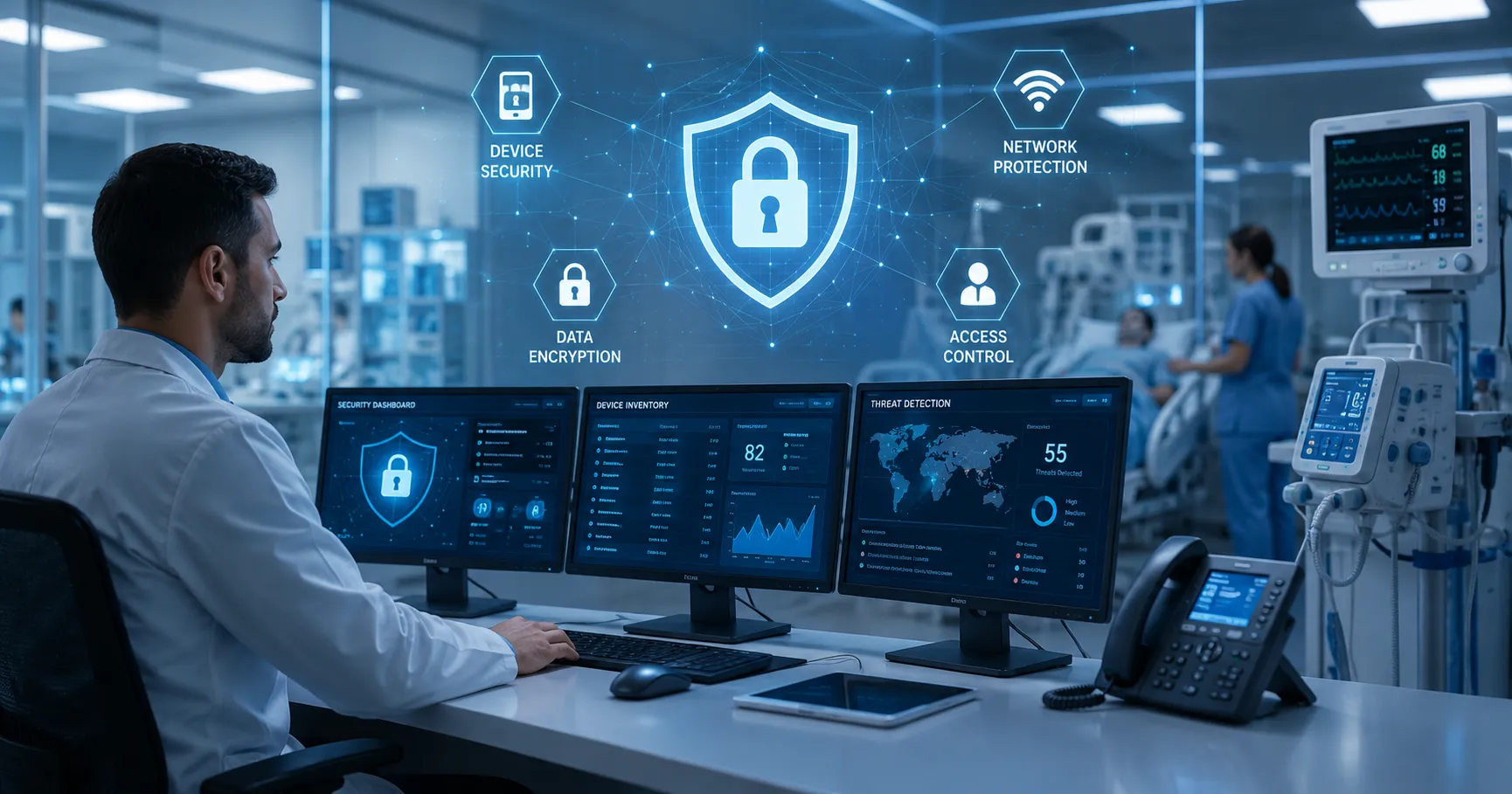
Medical device cybersecurity is now an important part of connected hospital planning. Hospitals, clinics, diagnostic centres, laboratories, ICUs, operating rooms, emergency departments, and smart care spaces depend on devices that use software, networks, wireless communication, remote service tools, cloud dashboards, and data exchange. These technologies improve workflow, but they also require stronger protection.
For healthcare buyers, cybersecurity should be reviewed before connected medical equipment is purchased, installed, integrated, maintained, or replaced. FDA guidance explains that medical devices with cybersecurity risk should include cybersecurity design, labelling, and documentation considerations to support device resilience.
What Medical Device Cybersecurity Means
Medical device cybersecurity means protecting connected medical devices from unauthorised access, unsafe software changes, data exposure, network misuse, service disruption, and lifecycle security gaps. It applies to medical equipment that connects to hospital systems, supplier portals, Wi-Fi networks, cloud dashboards, remote service platforms, mobile apps, or internal servers.
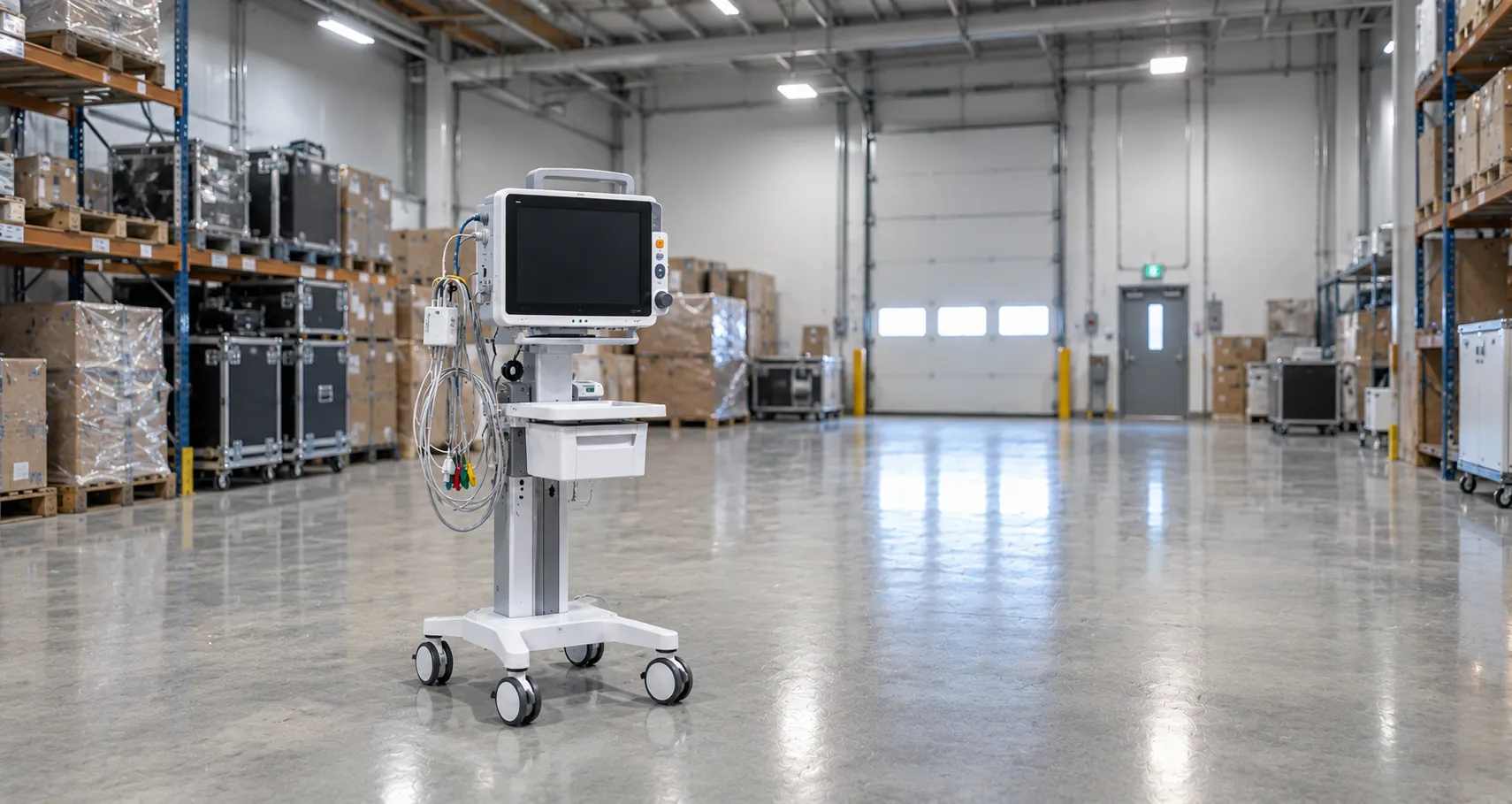
Examples include patient monitors, infusion pumps, ventilators, imaging systems, laboratory analysers, ECG devices, smart beds, wireless sensors, endoscopy platforms, asset tracking tools, smart trolleys, operating room systems, and connected diagnostic equipment.
Cybersecurity is not only an IT responsibility. It should involve biomedical engineers, procurement teams, clinical users, IT teams, compliance staff, suppliers, and hospital management.
Why Cybersecurity Matters in Connected Hospitals
Connected hospitals depend on reliable device communication. If a device is poorly protected, unsupported, or unmanaged, the issue can affect workflow, maintenance, data access, and device reliability.
Medical device cybersecurity helps healthcare facilities protect:
-
Device access
-
Patient data flow
-
Remote service channels
-
Software update processes
-
Equipment availability
-
Network connections
-
Clinical dashboards
-
Maintenance records
-
Supplier accountability
-
Procurement documentation
WHO’s digital health work focuses on strengthening health systems through digital technologies, which also requires strong governance, planning, and risk management.
Medical Devices That Need Cybersecurity Review
Many hospital devices should be reviewed for cybersecurity before procurement and installation.
Patient Monitoring Systems — Bedside monitors, telemetry systems, central stations, and wearable sensors may transmit patient data and alarms.
Infusion and Syringe Pumps — Smart pump systems may include drug libraries, wireless updates, usage logs, and remote service tools.
Ventilators and ICU Equipment — Critical care devices may connect with monitoring systems, service dashboards, and hospital networks.
Imaging Equipment — CT, MRI, ultrasound, X-ray, C-arm, PACS-connected tools, and reporting workstations may store or transmit imaging data.
Laboratory Analysers — Connected analysers may exchange sample data, results, quality-control records, and service logs.
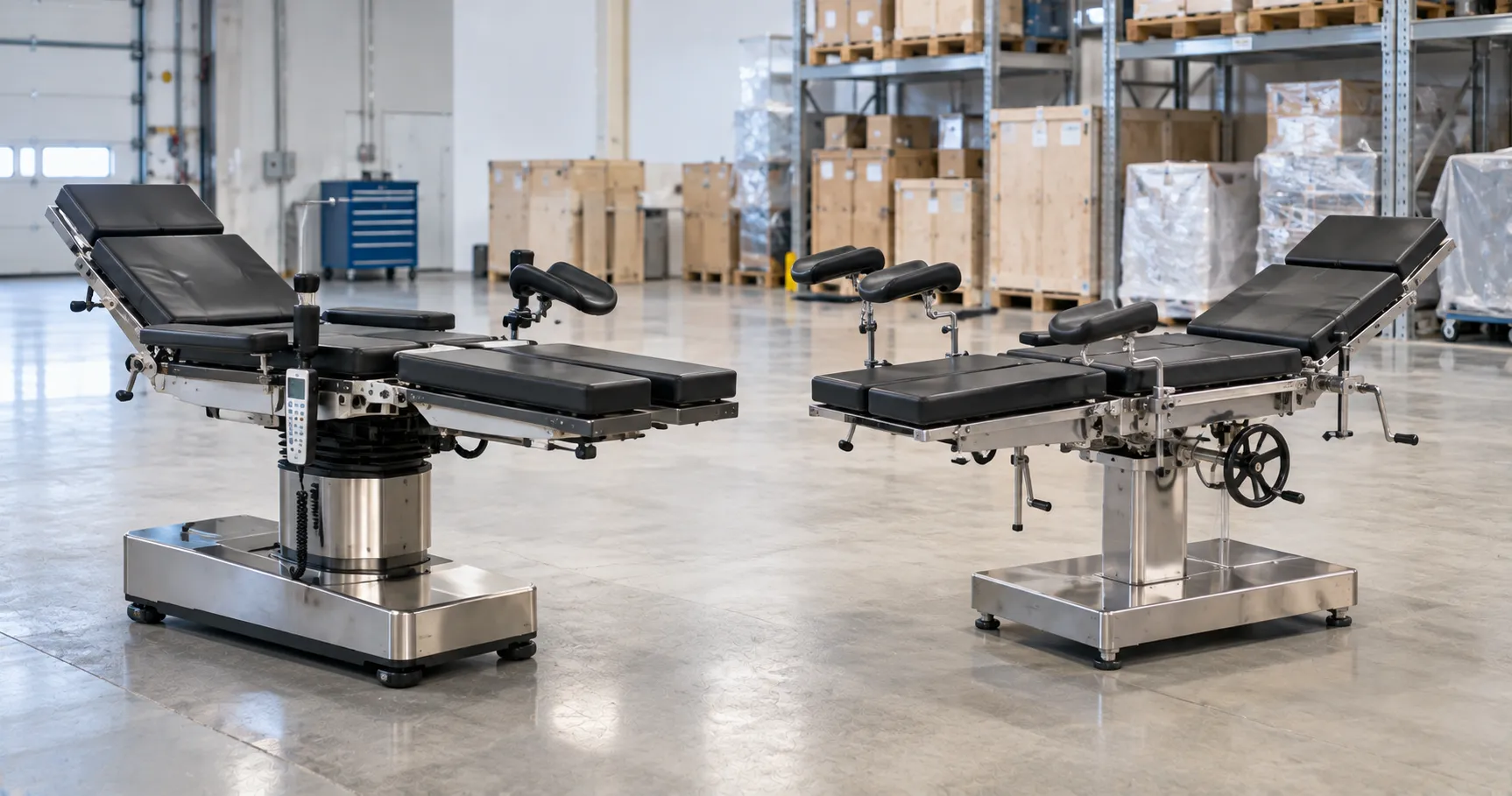
Operating Room Equipment — Endoscopy systems, surgical displays, anaesthesia workstations, imaging systems, and OR integration platforms may depend on software and network access.
Wireless Medical Devices — Wearables, mobile monitors, asset tags, and wireless diagnostic tools need a network, battery, access, and data review.
Facilities sourcing through regulated and certified equipment suppliers worldwide should request cybersecurity documents, software details, service support, update policy, warranty terms, and device documentation before procurement.
Device Inventory and Asset Visibility
A hospital cannot protect devices it cannot identify. Device inventory is one of the first steps in medical device cybersecurity.
A strong inventory should include:
-
Device name
-
Manufacturer
-
Model
-
Serial number
-
Department
-
Location
-
Network status
-
Software version
-
Firmware version
-
Remote access status
-
Supplier support contact
-
Warranty status
-
Patch history
-
Service history
-
End-of-support status
-
Cybersecurity documentation
This inventory should be maintained jointly by the biomedical, IT, procurement, and clinical teams. It also supports maintenance planning, warranty tracking, supplier review, and replacement decisions.
Access Control and User Permissions
Connected medical devices should have clear access rules. Not every user should be able to change settings, approve updates, export data, or open remote service access.
Hospitals should review:
-
User roles
-
Administrator access
-
Password policy
-
Login records
-
Shared account risks
-
Remote access approval
-
Data export permissions
-
Audit logs
-
Account removal process
Access should be based on role and responsibility. Clinical users, biomedical engineers, IT staff, suppliers, and administrators may need different permission levels.
Remote Service and Vendor Access
Remote service can help suppliers troubleshoot faults, review logs, update software, and support urgent technical issues. However, remote access can create risk if it is always open, poorly logged, or not controlled by the hospital.
-
Healthcare buyers should ask suppliers:
-
How is remote access enabled?
-
Who approves supplier access?
-
Is access time-limited?
-
Are sessions logged?
-
Can the hospital disable access?
-
What data can the supplier view?
-
How are updates approved?
-
How is emergency support handled?
Suppliers and manufacturers advertising to global healthcare buyers should provide clear service access rules, cybersecurity documentation, software support details, warranty terms, and update processes.
Software Updates and Patch Management
Many connected devices need software updates, firmware updates, security patches, configuration changes, or vendor-approved upgrades. Updates should be managed carefully because medical equipment must remain clinically safe and operational.
A proper update process should include:
-
Update approval workflow
-
Version tracking
-
Backup planning
-
Testing before rollout
-
Downtime scheduling
-
Rollback process
-
Supplier confirmation
-
Biomedical and IT coordination
-
User communication
-
Post-update checks
A device may still work clinically but become difficult to protect if software support ends. End-of-support dates should be recorded in the asset register.
Interoperability and Secure Data Flow
Connected hospitals need devices to exchange information safely. The FDA defines medical device interoperability as the ability to safely, securely, and effectively exchange and use information among devices, products, technologies, or systems.
Interoperability matters because connected devices may exchange patient information, alarms, readings, images, maintenance data, or reports. Poorly planned data flow can create security, documentation, and workflow problems.
Buyers should check:
-
Supported connection standards
-
System compatibility
-
Data export methods
-
Encryption
-
Patient matching
-
User access
-
Audit logs
-
Downtime workflow
-
Supplier support
Secure interoperability should improve workflow without creating uncontrolled access points.
Cybersecurity in Procurement
Cybersecurity should be included in procurement from the first supplier discussion. It should not be left until installation.
Procurement teams should ask for:
-
Cybersecurity documentation
-
Software version details
-
Update policy
-
Patch support timeline
-
Remote service process
-
Access control features
-
Encryption details
-
Audit log capability
-
Data storage information
-
End-of-life data removal process
-
Vulnerability disclosure process
-
Service support timeline
FDA notes that connected medical devices should be protected from cybersecurity threats and that manufacturers, healthcare facilities, patients, and caregivers all have roles in maintaining cybersecurity.
Maintenance and Cybersecurity
Cybersecurity is part of equipment lifecycle management. A connected device needs physical maintenance, software support, access review, and update control.
Cybersecurity maintenance should include:
-
Software version review
-
Patch status review
-
Remote access review
-
Password review
-
User account review
-
Network status checks
-
Audit log checks
-
Supplier support review
-
End-of-life planning
-
Data removal planning
Biomedical engineering and IT teams should work together because issues with connected medical devices may involve hardware, software, network access, clinical workflow, or vendor support.
Common Cybersecurity Mistakes to Avoid
Hospitals should avoid these mistakes when buying and managing connected medical devices.
Buying Without Cybersecurity Review — Connected devices should be reviewed before purchase approval.
Ignoring Software Support — A device with limited update support may pose long-term risks.
No Device Inventory — Unknown connected devices cannot be managed properly.
Uncontrolled Remote Access — Vendor access should be approved, logged, and limited.
Weak Password Practices — Default passwords and shared administrator accounts increase risk.
No Downtime Plan — Hospitals should know how care continues if a connected system fails.
Poor End-of-Life Planning — Data removal, disposal, resale, or replacement should be controlled.
International Sourcing Considerations
Medical device cybersecurity should be reviewed when sourcing connected equipment internationally. Buyers should confirm the device software, language settings, network requirements, cybersecurity documentation, update support, remote service policies, warranty, spare parts, compliance files, and end-of-life handling.
Healthcare groups managing several hospitals may benefit from structured distribution and reseller partnership arrangements. Standardising device cybersecurity requirements, supplier documentation, service contracts, update records, and asset management can reduce risk across facilities.
Buyers should confirm whether they need connected monitors, infusion systems, imaging devices, laboratory analysers, smart beds, wireless sensors, OR systems, asset tracking platforms, or complete connected hospital equipment packages. For project-based sourcing, buyers can contact the Medigear.uk team for supply support to discuss availability, documentation, export needs, and procurement requirements.
Future Role of Cybersecurity in Connected Hospitals
Medical device cybersecurity will continue to grow in importance as hospitals adopt more connected devices, cloud dashboards, AI-supported systems, wireless equipment, remote services, and digital care platforms.
The strongest connected hospital strategies will combine device inventory, procurement review, supplier transparency, access control, update management, cybersecurity documentation, biomedical maintenance, IT governance, and staff training.
Cybersecurity should support clinical continuity, not create unnecessary complexity. The best approach is planned, documented, practical, and connected to the equipment lifecycle.
Final Thoughts
Medical device cybersecurity is now a core part of connected hospital planning. It supports safer device access, stronger data protection, better software management, reliable remote service, and improved equipment lifecycle control.
Healthcare buyers should incorporate cybersecurity into procurement, installation, maintenance, asset management, supplier reviews, and replacement planning. The right strategy should involve clinical teams, biomedical engineers, IT teams, cybersecurity staff, procurement teams, finance teams, and compliance leaders working together.
Disclaimer
Medigear.uk is a global medical equipment supplier, exporter, and distributor. The content published on this site is intended for educational and product awareness purposes only. Nothing on this page constitutes medical advice, clinical guidance, cybersecurity consulting, legal advice, regulatory advice, data protection advice, or treatment recommendations. All healthcare procurement, technology, legal, regulatory, cybersecurity, data, and clinical decisions should be made by qualified professionals and compliant procurement teams operating within the regulatory frameworks of their respective countries.