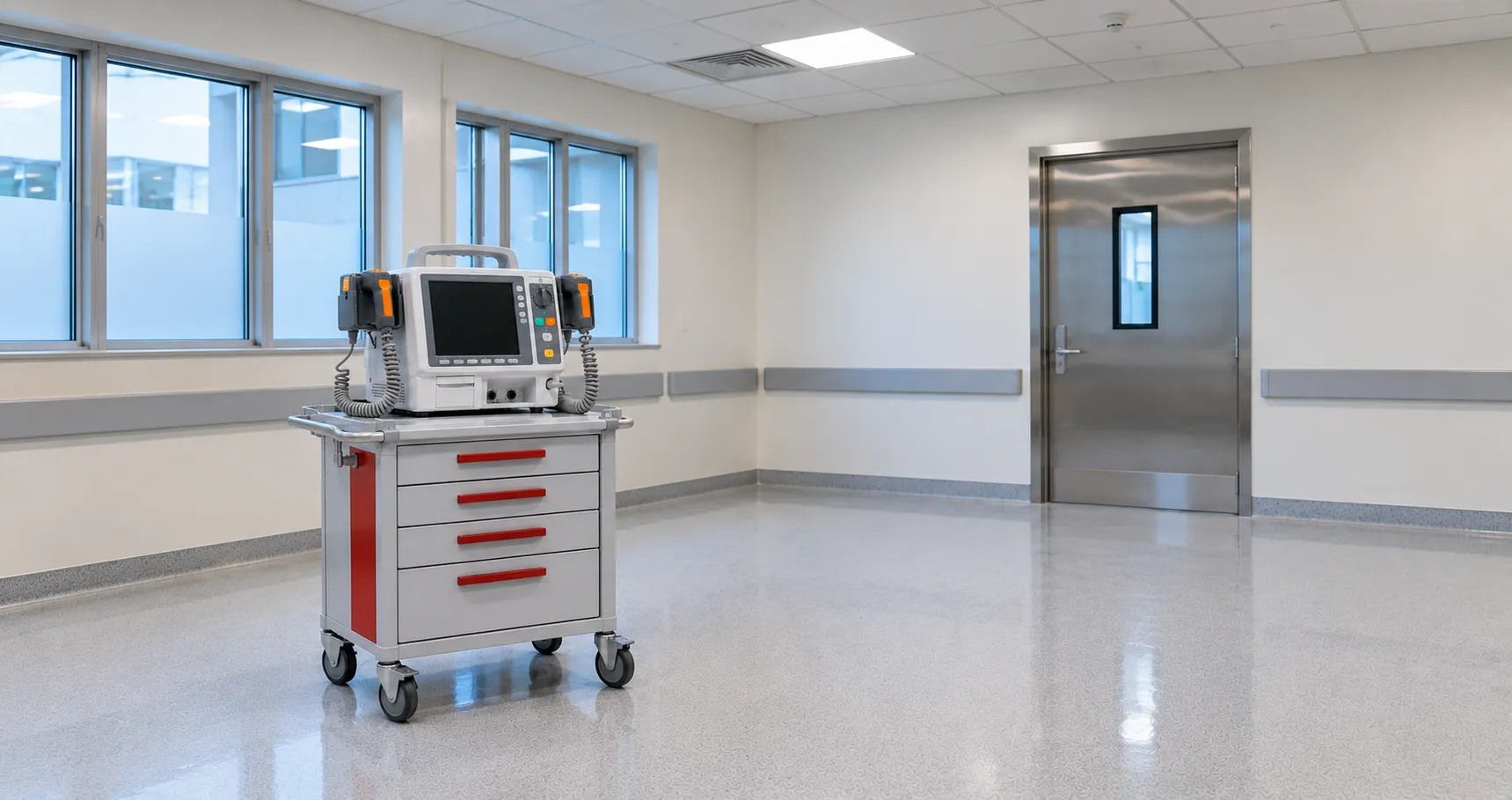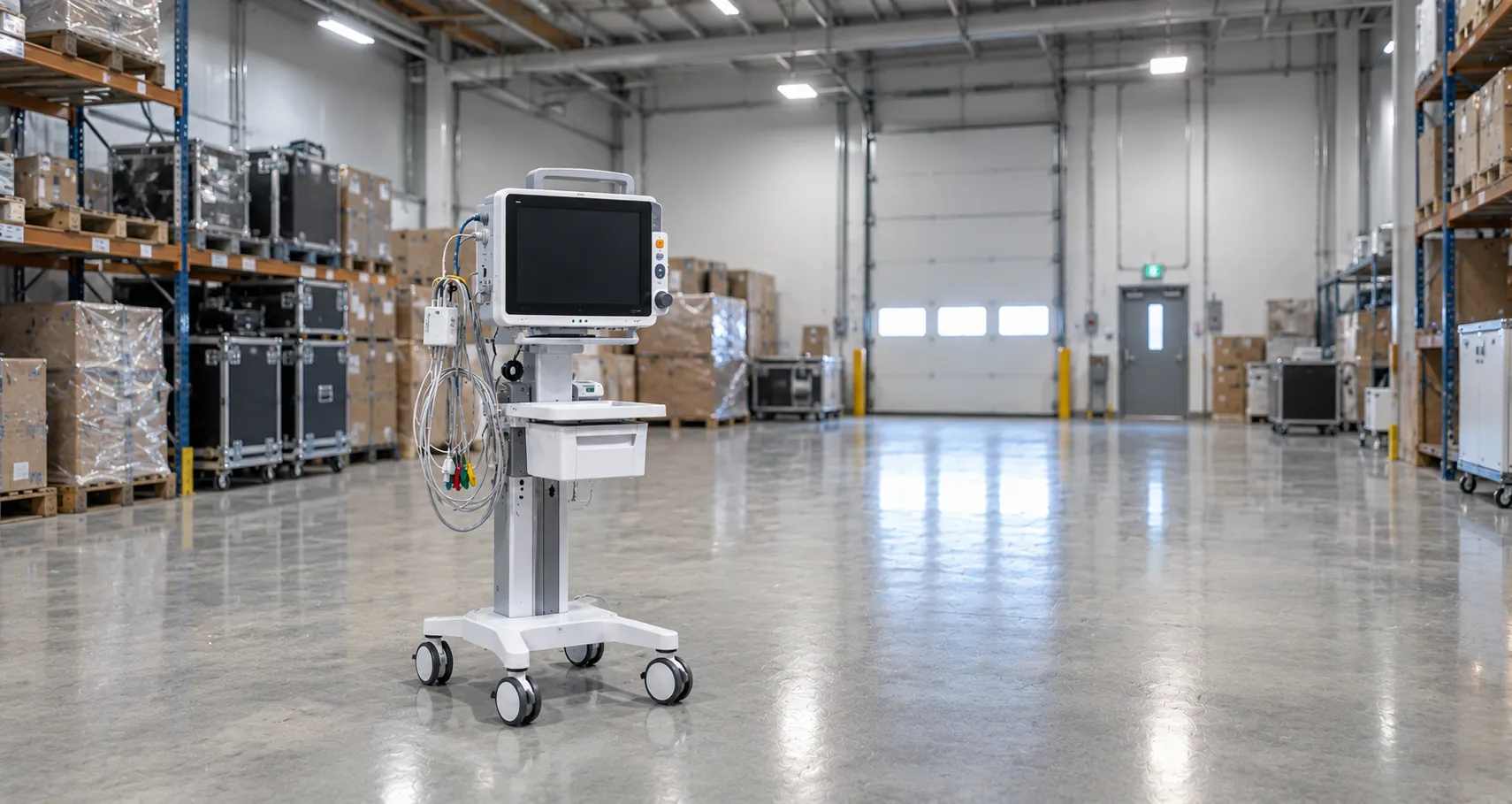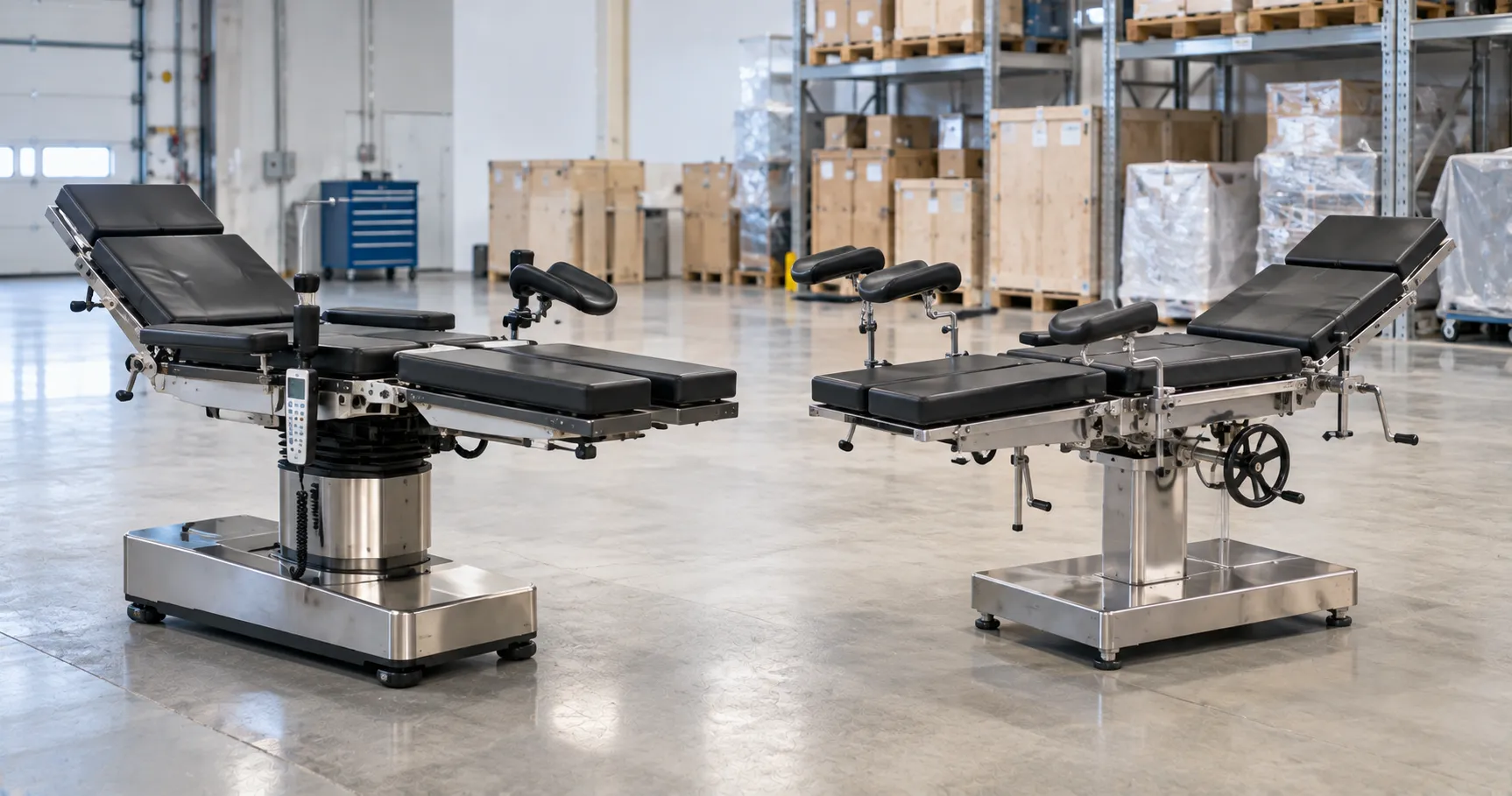

Digital maintenance records help hospitals manage medical equipment service history, preventive maintenance, calibration, repairs, downtime, warranty tracking, spare parts, compliance documentation, and lifecycle planning. They give biomedical engineering teams, procurement managers, clinical departments, finance teams, and facility leaders a clearer view of equipment performance.
For healthcare buyers, digital maintenance records should be treated as part of medical equipment management, not merely as administrative files. WHO explains that medical equipment includes devices that require calibration, maintenance, repair, user training, and decommissioning, which clinical engineers usually manage.
What Digital Maintenance Records Mean
Digital maintenance records are electronic records that document the full service life of medical equipment. These records may include purchase details, manufacturer information, model numbers, serial numbers, department location, installation dates, preventive maintenance schedules, repair notes, calibration results, inspection reports, fault history, spare parts, warranty details, and decommissioning status.
A paper file can be lost, delayed, incomplete, or difficult to compare across departments. Digital records help hospitals organise equipment history in a searchable and structured way.
The purpose is simple: every important device should have a clear maintenance story from purchase to replacement.
Why Maintenance Records Matter in Hospitals
Medical equipment supports diagnosis, monitoring, treatment, surgery, laboratory testing, sterilisation, rehabilitation, and emergency response. If records are incomplete, hospitals may not know which devices are due for maintenance, which equipment is repeatedly failing, which warranties are still active, or which devices should be replaced.
WHO maintenance guidance explains that a maintenance strategy includes inspection, preventive maintenance, and corrective maintenance. It also states that preventive maintenance aims to extend equipment life and reduce failure rates.
Digital records help hospitals:
-
Track preventive maintenance
-
Reduce missed service dates
-
Review repair history
-
Improve equipment uptime
-
Plan spare parts
-
Support audits
-
Control lifecycle cost
-
Compare supplier performance
-
Plan replacement budgets
-
Improve procurement decisions
Key Information Every Record Should Include
A useful digital maintenance record should capture enough detail for clinical, biomedical, financial, and procurement teams.
Important fields include:
-
Equipment name
-
Manufacturer
-
Model number
-
Serial number
-
Asset code
-
Department
-
Location
-
Purchase date
-
Installation date
-
Warranty period
-
Supplier contact
-
Service contract details
-
Preventive maintenance schedule
-
Calibration requirements
-
Repair history
-
Fault reports
-
Downtime records
-
Spare parts used
-
Software version
-
Cybersecurity notes
-
Decommissioning status
Hospitals should avoid vague records such as “machine serviced” without details. A good record should show what was checked, who checked it, when it was checked, what was found, and what action was taken.
Digital Records and Biomedical Engineering
Biomedical engineering teams are usually responsible for managing equipment performance, safety inspections, service coordination, calibration, repairs, spare parts, and technical documentation. Digital records help them prioritise work and respond faster to equipment issues.
Digital records can help biomedical teams answer practical questions:
-
Which devices are overdue for maintenance?
-
Which equipment has repeated faults?
-
Which supplier takes longer to repair?
-
Which parts fail most often?
-
Which devices are near the end of support?
-
Which department has high downtime?
-
Which equipment should be replaced?
-
Which service reports are missing?
Facilities sourcing equipment through regulated and certified suppliers worldwide should request service manuals, maintenance requirements, warranty terms, spare parts details, calibration guidance, and training support before purchase.
Preventive Maintenance Records
Preventive maintenance records are among the most important components of digital equipment management. They help hospitals confirm that devices are inspected and serviced according to planned schedules.
Preventive maintenance records may include:
-
Inspection date
-
Engineer name
-
Checklist used
-
Safety checks
-
Performance checks
-
Calibration results
-
Cleaning checks
-
Battery checks
-
Cable checks
-
Alarm testing
-
Parts replaced
-
Next service date
-
Engineer remarks
-
Supervisor approval
These records help hospitals reduce missed maintenance and support better audit readiness.
Corrective Maintenance and Repair Logs
Corrective maintenance records show what happened when equipment failed or required repair. These logs help hospitals identify recurring problems and poor-performing devices.
A strong repair log should include:
-
Fault date
-
Reported issue
-
Department
-
Device location
-
User complaint
-
Engineer diagnosis
-
Repair action
-
Parts used
-
Supplier involvement
-
Downtime duration
-
Return-to-service date
-
Final test result
-
Cost of repair
Repeated faults should prompt a review of costs and downtime; if they become too high, replacement may be more practical than continued maintenance.
Calibration Records and Safety Checks
Some medical equipment requires calibration or performance verification to support reliable use. Calibration records should show when the equipment was tested, what method was used, what result was recorded, and whether the device passed or failed.
Calibration records are especially important for devices such as patient monitors, infusion pumps, weighing scales, anaesthesia equipment, laboratory analysers, diagnostic devices, ventilators, and selected imaging equipment.
Hospitals should keep calibration records linked to the asset record so biomedical teams can quickly confirm device readiness.
Downtime Tracking and Equipment Uptime
Downtime records help hospitals understand how long medical equipment is unavailable. This is important because equipment downtime can affect clinical workflow, appointment scheduling, patient movement, diagnostic reporting, and department efficiency.
Digital downtime tracking should include:
-
Start time
-
End time
-
Fault reason
-
Department affected
-
Service response time
-
Repair time
-
Parts delay
-
Supplier delay
-
User impact
-
Final resolution
Downtime data can help procurement teams decide whether to repair, replace, standardise, or change supplier arrangements.
Interoperability and Connected Records
Modern hospitals may use asset management systems, maintenance dashboards, procurement platforms, inventory systems, and connected device records. The FDA defines medical device interoperability as the ability to safely, securely, and effectively exchange and use information among devices, products, technologies, or systems.
Digital maintenance records may connect with:
-
Asset management systems
-
Biomedical service platforms
-
Procurement systems
-
Inventory systems
-
Warranty databases
-
Supplier portals
-
Device dashboards
-
Cybersecurity inventories
-
Hospital information systems
Buyers should check whether record systems can export reports, support user access controls, attach service documents, track software versions, and store audit history.
Cybersecurity for Digital Maintenance Records
Digital maintenance records may contain device details, network information, software versions, service reports, remote access notes, supplier contacts, and cybersecurity data. These records should be protected.
FDA cybersecurity guidance provides recommendations on medical device cybersecurity design, labelling, and documentation for devices with cybersecurity risk.
Hospitals should protect digital maintenance records through:
-
User access control
-
Role-based permissions
-
Audit logs
-
Strong passwords
-
Backup policies
-
Secure supplier access
-
Data retention rules
-
Software update tracking
-
Remote service review
-
End-of-life data removal
Cybersecurity and maintenance records should work together because connected equipment often depends on both technical service and secure software management.
Procurement Guidance for Digital Maintenance Records
Procurement teams should consider maintenance record requirements before buying equipment. Every new device should be entered into the asset register with complete information from the outset.
Procurement teams should request:
-
Device specifications
-
Service manual
-
Preventive maintenance schedule
-
Calibration requirements
-
Warranty terms
-
Spare part list
-
Software version information
-
Cybersecurity documentation
-
Supplier service contact
-
Expected service life
-
Training material
-
Decommissioning guidance
Suppliers and manufacturers advertising to global healthcare buyers should provide clear documentation so hospitals can maintain accurate digital records from installation onward.
Benefits for Hospital Procurement Teams
Digital maintenance records help procurement teams make better purchasing decisions. Instead of relying only on price, buyers can review real performance data.
Procurement teams can compare:
-
Repair frequency
-
Downtime history
-
Service response time
-
Spare part availability
-
Warranty claim patterns
-
Maintenance cost
-
User complaints
-
Supplier support quality
-
Replacement timing
-
Total cost of ownership
This helps hospitals avoid repeatedly buying equipment that looks affordable but becomes expensive to maintain.
Common Mistakes to Avoid
Hospitals should avoid these mistakes when creating digital maintenance records.
Incomplete Asset Details — Missing model numbers, serial numbers, or warranty dates can delay service.
No Standard Format — Different departments using different formats can create confusion.
Poor Fault Descriptions — Short notes such as “not working” are not enough for long-term review.
No Downtime Tracking — Without downtime data, hospitals cannot measure equipment availability.
Ignoring Calibration Records — Calibration history should be linked to the equipment asset.
No Software Version Tracking — Connected devices need software and firmware records.
Weak Access Control — Maintenance records should not be editable by everyone.
No Replacement Triggers — Repeated repairs should lead to a structured replacement review.
International Sourcing Considerations
Digital maintenance records are important when hospitals source medical equipment internationally. Buyers should confirm maintenance requirements, calibration needs, spare parts, service manuals, warranty terms, training, remote service rules, cybersecurity documentation, and end-of-life handling before purchase.
Healthcare groups managing several facilities may benefit from structured distribution and reseller partnership arrangements. Standardising digital maintenance records, asset codes, service forms, supplier documentation, and maintenance schedules can reduce variation across hospitals.
Buyers should confirm whether they need support for imaging equipment, laboratory devices, ICU equipment, patient monitors, surgical systems, sterilisation equipment, hospital beds, emergency equipment, or complete facility asset records. For project-based sourcing, buyers can contact the Medigear.uk team for supply support to discuss availability, documentation, export needs, and procurement requirements.
Future Role of Digital Maintenance Records
Digital maintenance records will continue to support connected hospitals, smart equipment planning, predictive maintenance, cybersecurity management, asset visibility, and lifecycle cost control.
As more devices include software, sensors, remote service, and data connectivity, maintenance records will need to capture both physical service and digital lifecycle information. Hospitals that maintain clean equipment records will be better prepared for audits, supplier negotiations, replacement planning, and long-term procurement control.
Final Thoughts
Digital maintenance records help hospitals manage medical equipment more professionally by organising service history, preventive maintenance, calibration, repairs, downtime, cybersecurity notes, warranty information, and replacement planning.
The right record system should support biomedical teams, clinical departments, procurement managers, IT teams, finance leaders, and compliance staff. Hospitals should create standard asset records, keep service information complete, track downtime carefully, review recurring faults, and use maintenance data to improve future procurement decisions.
Disclaimer
Medigear.uk is a global medical equipment supplier, exporter, and distributor. The content published on this site is intended for educational and product awareness purposes only. Nothing on this page constitutes medical advice, clinical guidance, biomedical engineering advice, cybersecurity consulting, legal advice, regulatory advice, or treatment recommendations. All healthcare procurement, maintenance, technology, legal, regulatory, data, facility, and clinical decisions should be made by qualified professionals and compliant procurement teams operating within the regulatory frameworks of their respective countries.