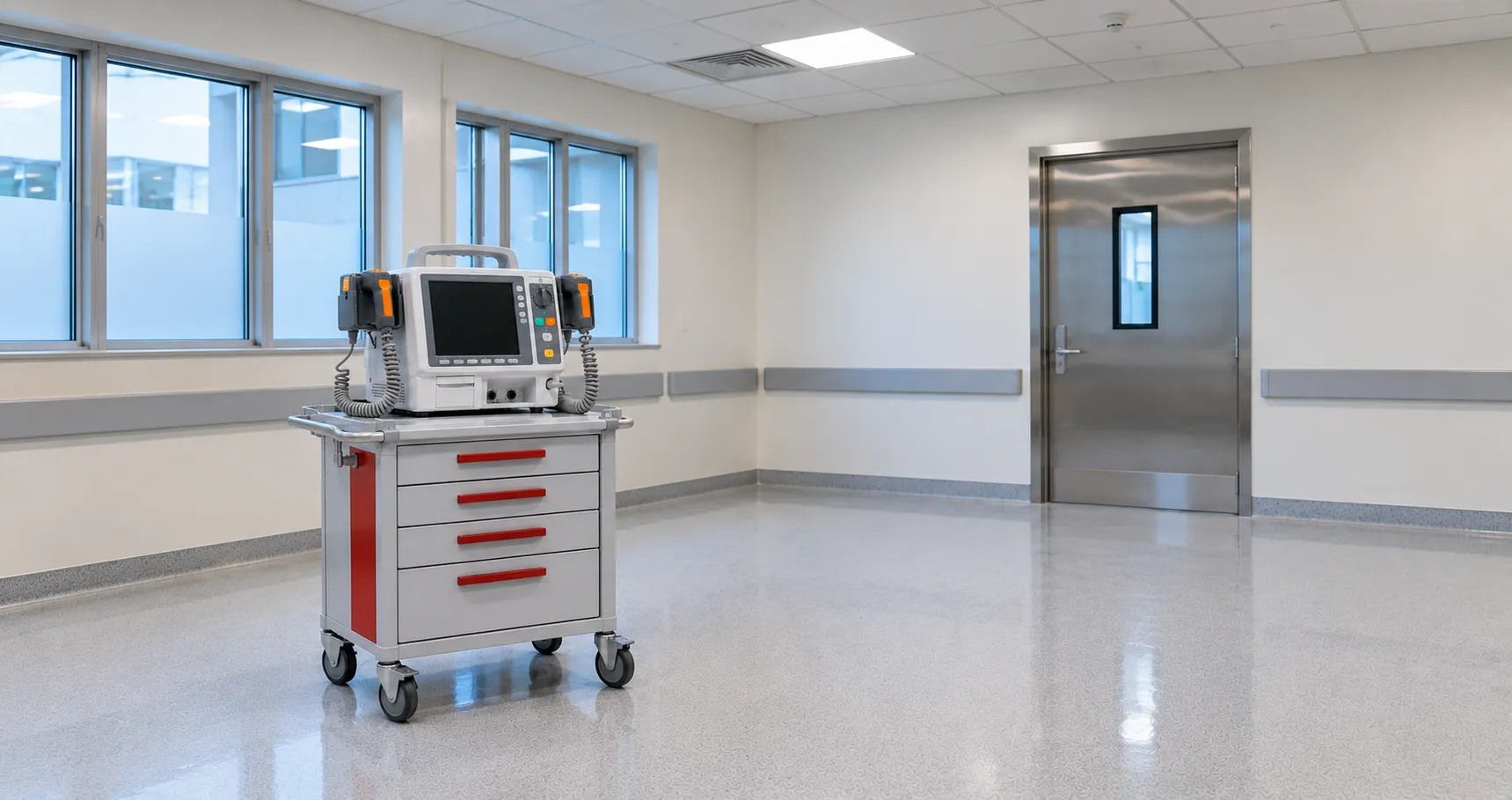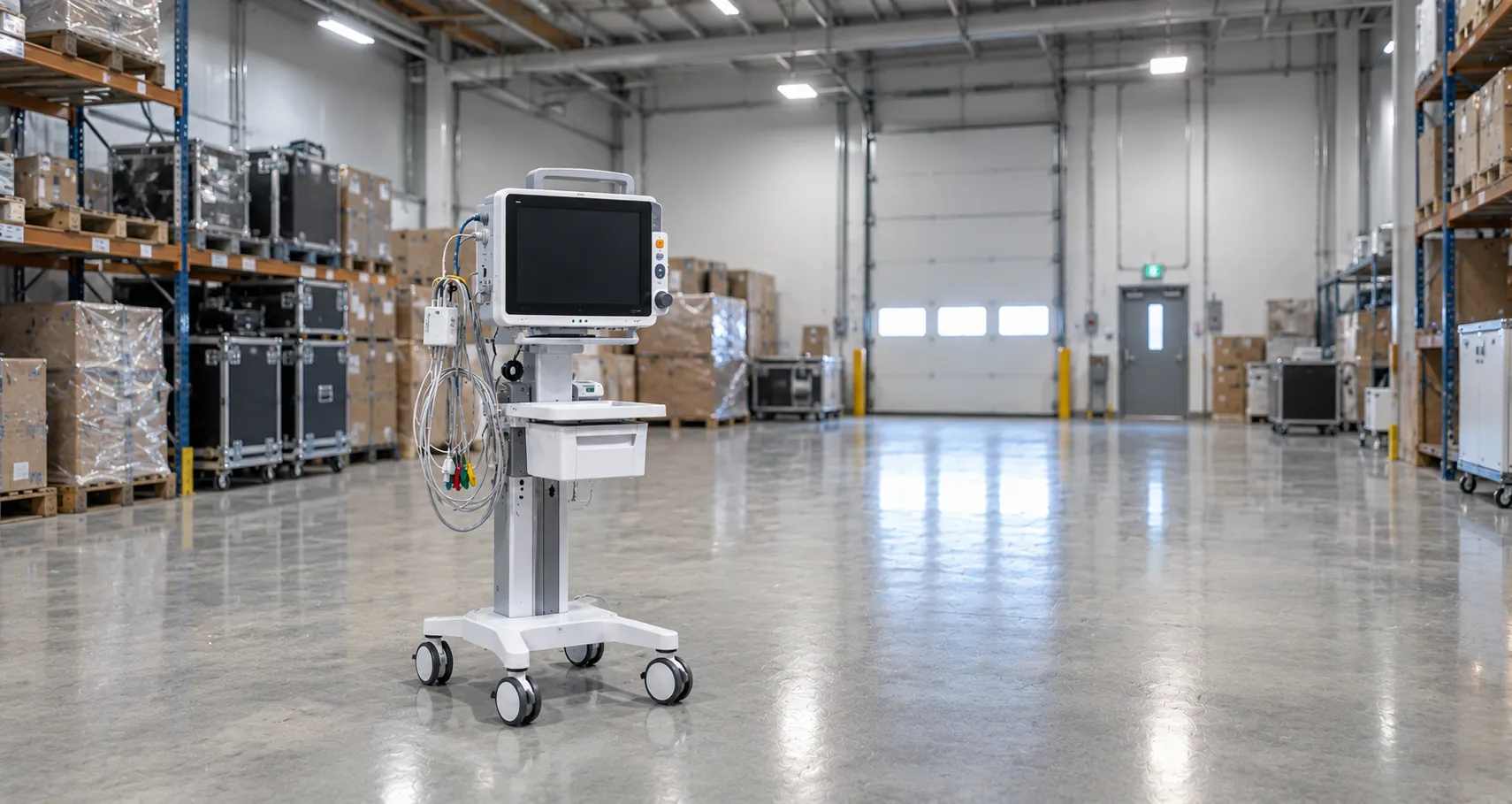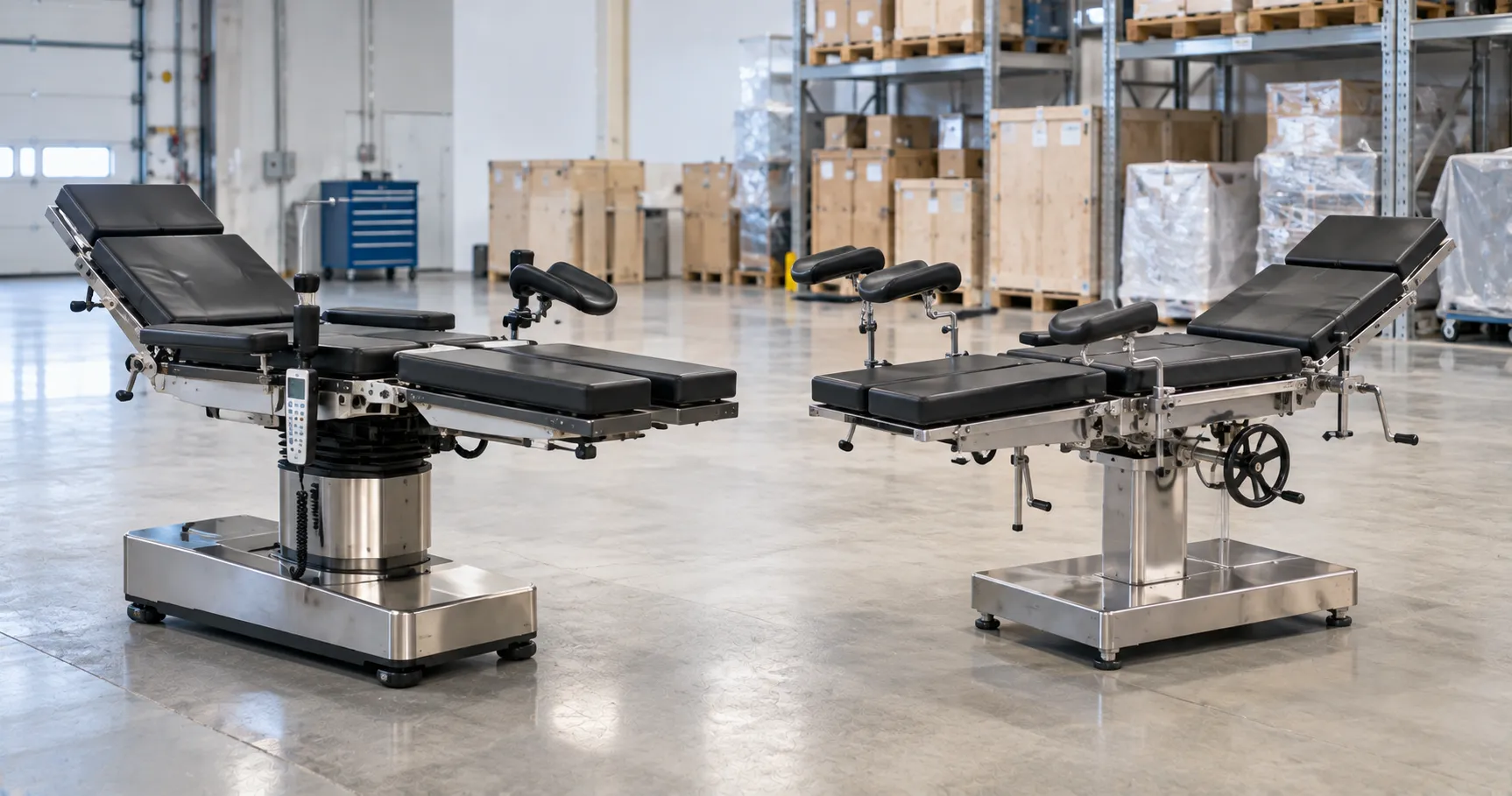
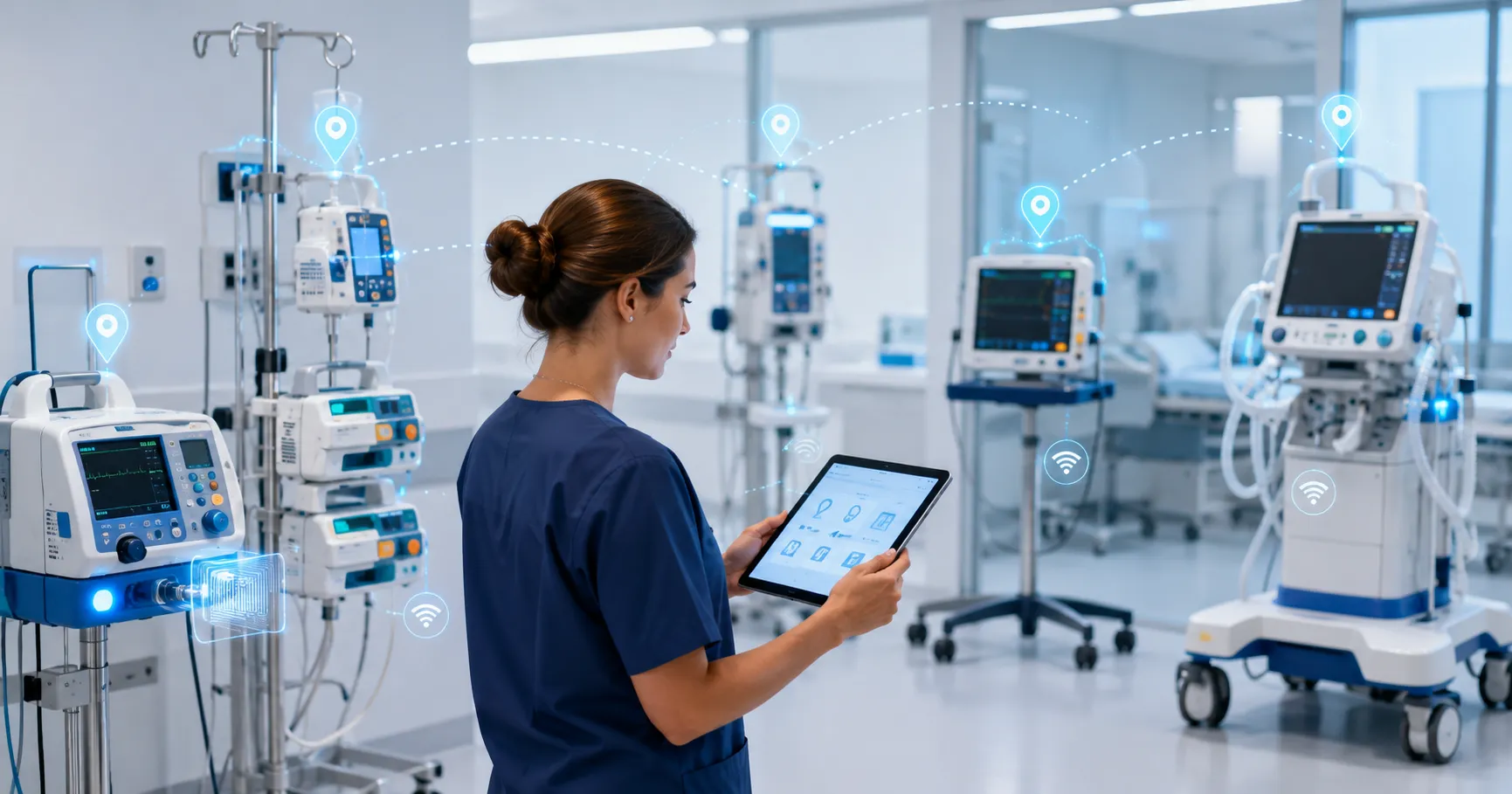
A digital equipment tracking system helps healthcare facilities monitor, organise, and manage medical equipment across departments. It can track device location, asset ownership, usage status, service history, maintenance schedules, warranty records, calibration needs, spare parts, and replacement planning. These systems are useful for hospitals, clinics, diagnostic centres, laboratories, rehabilitation units, emergency departments, and healthcare groups with multiple facilities.
For healthcare buyers, equipment tracking is not only an inventory task. It affects clinical readiness, staff workflow, biomedical engineering, procurement planning, compliance documentation, equipment uptime, loss prevention, cybersecurity, and total cost of ownership. WHO maintenance guidance explains that medical equipment maintenance includes inspection, preventive, and corrective maintenance, with preventive maintenance helping to extend equipment life and reduce failure rates.
What a Digital Equipment Tracking System Means
A digital equipment tracking system is a structured platform for recording, locating, monitoring, and managing healthcare equipment. It may use barcode labels, QR codes, RFID tags, Bluetooth tags, Wi-Fi location tools, real-time location systems, mobile apps, cloud dashboards, or equipment management software.
The system may show where a device is located, whether it is available, who is using it, when it was last serviced, when maintenance is due, whether it is under warranty, and whether it should be replaced. In larger hospitals, this can reduce time wasted searching for equipment and help teams manage device availability more effectively.
A strong tracking system t only tells staff where equipment is. It also helps the facility understand how equipment is used, maintained, repaired, moved, and replaced over its lifecycle.
Why Equipment Tracking Matters in Healthcare Facilities
Healthcare facilities depend on equipment readiness. If monitors, infusion pumps, wheelchairs, defibrillators, ventilators, beds, trolleys, suction units, diagnostic devices, or laboratory equipment cannot be located quickly, staff workflow can be affected.
Better Equipment Availability — Tracking systems help teams see which devices are available, in use, under repair, stored, or missing.
Reduced Search Time — Staff can spend less time looking for mobile devices and more time on patient care and clinical support.
Improved Maintenance Planning — Biomedical teams can connect asset records with preventive maintenance schedules, service history, calibration needs, and repair status.
Stronger Procurement Decisions — Usage data and service records help procurement teams decide whether to buy more equipment, replace older devices, or standardise models.
Improved Accountability — Departments can better understand which assets are assigned to them and how those devices are being used.
Better Audit Readiness — Digital records enable facilities to retrieve equipment history, service reports, calibration files, and compliance documents more quickly.
Where Digital Equipment Tracking Systems Are Used
Digital equipment tracking systems can support many areas of healthcare.
Hospitals — Hospitals may track mobile and fixed equipment across ICUs, wards, emergency departments, operating rooms, imaging areas, laboratories, pharmacies, CSSD units, and outpatient departments.
Clinics — Clinics may use simpler systems for asset registers, service reminders, warranty records, and equipment replacement planning.
Diagnostic Centres — Imaging centres and laboratories may track high-value devices, service schedules, calibration records, software support, and supplier documents.
Emergency Departments — Emergency teams often need rapid access to defibrillators, monitors, stretchers, suction units, oxygen devices, infusion pumps, and transport equipment.
Biomedical Engineering Departments — Biomedical teams use tracking systems to manage work orders, maintenance schedules, service history, spare parts, and downtime.
Multi-Site Healthcare Groups — Healthcare groups can use standardised tracking systems to compare equipment status, maintenance cost, and replacement priorities across multiple facilities.
Facilities sourcing through regulated and certified equipment suppliers worldwide should confirm whether equipment can be tagged, registered, tracked, maintained, and supported with the right documentation before procurement.
Common Technologies Used in Equipment Tracking
Digital tracking systems can use different technologies depending on the facility size, budget, and tracking needs.
Barcode Tracking — Barcode labels are scanned to open asset records, update status, report faults, or confirm location. This is affordable and useful for many small and medium facilities.
QR Code Tracking — QR codes can link staff to equipment records, user manuals, maintenance forms, or service request pages.
RFID Tracking — RFID tags enable faster scanning of multiple assets and can support inventory checks without direct line of sight in some setups.
Bluetooth Tracking — Bluetooth tags can help track mobile devices within defined areas when paired with compatible receivers or gateways.
Wi-Fi-Based Tracking — Some systems use hospital Wi-Fi networks to estimate device location. Accuracy depends on infrastructure and configuration.
Real-Time Location System (RTLS) tools can show the near-real-time location of equipment across hospital zones. These systems are useful for larger hospitals with many mobile assets.
Cloud Dashboards — Cloud-based dashboards can show asset status, maintenance due dates, department allocation, service records, and usage patterns.
Equipment That Can Be Tracked
A tracking system can support many categories of hospital equipment.
Critical Care Equipment — Patient monitors, ventilators, infusion pumps, syringe pumps, defibrillators, transport monitors, and oxygen support devices.
Mobile Hospital Equipment — Wheelchairs, stretchers, trolleys, patient transfer chairs, hospital beds, procedure carts, and emergency carts.
Diagnostic Equipment — ECG machines, ultrasound devices, mobile X-ray systems, point-of-care testing devices, blood gas analysers, and portable diagnostic tools.
Laboratory Equipment — Centrifuges, analysers, refrigerators, incubators, sample storage units, and calibration tools.
Sterilisation Equipment — Autoclaves, washer-disinfectors, drying cabinets, instrument tracking tools, and sterile storage systems.
Hospital Furniture and Fixtures — Beds, examination tables, procedure chairs, bedside lockers, medical carts, and mobile storage units.
IT-Connected Medical Devices — Connected monitors, smart beds, networked imaging systems, laboratory platforms, and cloud-supported equipment.
Benefits for Clinical Teams
Digital equipment tracking systems can improve clinical workflow when implemented properly.
Faster Access to Devices — Nurses, technicians, and support staff can locate equipment faster when device location records are accurate.
Improved Patient Flow — When essential equipment is available at the right time, delays in transfers, monitoring, procedures, and diagnostics may be reduced.
Less Department Conflict — Tracking helps reduce confusion about which department owns or is using a device.
Better Emergency Readiness — Emergency devices can be checked, located, and maintained more consistently.
Clearer Equipment Status — Staff can see whether equipment is available, under repair, waiting for cleaning, or due for maintenance.
Benefits for Biomedical Engineering Teams
Biomedical engineering teams benefit strongly from tracking systems because equipment records become easier to manage.
Preventive Maintenance Scheduling — Tracking systems can remind teams when inspections, maintenance, or calibrations are due.
Fault Reporting — Staff can scan a device and report a fault directly into the asset record.
Service History — Engineers can view past repairs, repeated faults, replaced parts, and downtime before working on a device.
Spare Parts Planning — Service records can show which parts fail often and should be stocked.
Replacement Planning — Devices with repeated failures, rising repair costs, or poor uptime can be prioritised for replacement.
Audit Documentation — Service reports, calibration files, maintenance notes, and warranty claims can be attached to equipment records.
Benefits for Procurement Teams
Procurement teams can use tracking data to make smarter buying decisions.
Usage-Based Purchasing — If a device is heavily used, procurement teams may justify additional units. If it is rarely used, future purchases can be avoided.
Supplier Performance Review — Buyers can review which suppliers provide reliable products, faster service, better warranty support, and stronger spare part availability.
Total Cost Visibility — Tracking systems can integrate purchase, maintenance, and repair costs, downtime, and replacement value.
Warranty Tracking — Procurement teams can avoid paying for repairs that should be covered under warranty.
Standardisation Planning — Data can show whether too many different models are creating complexity in training, parts, and service.
Budget Planning — Replacement priorities can be supported by real asset condition and service data, not guesswork.
Interoperability and Data Flow
Equipment tracking systems may need to connect with other hospital systems. The FDA describes medical device interoperability as the ability to safely, securely, and effectively exchange and use information among devices, products, technologies, or systems.
Asset Management Integration — Tracking data may connect with hospital asset registers, biomedical maintenance platforms, or procurement systems.
Maintenance Management Integration — Work orders, service records, and preventive maintenance schedules may connect with CMMS platforms.
Clinical System Boundaries — Equipment tracking systems should not confuse asset location data with clinical patient data unless the system is designed and approved for that purpose.
Data Export — Facilities should be able to export asset records, service history, and reports if they change platforms.
Downtime Workflow — Staff should know how to locate and manage equipment if the tracking platform, network, or cloud system is unavailable.
Cybersecurity and Data Protection
Digital equipment tracking systems may use wireless tags, mobile apps, cloud dashboards, login accounts, device records, remote access, or connected equipment data. Cybersecurity review is important before implementation. FDA cybersecurity guidance provides recommendations on medical device cybersecurity design, labelling, and documentation for devices with cybersecurity risk.
Access Control — Facilities should define who can view asset locations, edit device records, export reports, create work orders, and manage system settings.
Secure Data Transmission — Buyers should ask whether tracking data is encrypted during transfer and storage.
User Permissions — Clinical staff, biomedical teams, procurement teams, and administrators may need different access levels.
Remote Support Rules — Supplier remote access should be approved, logged, time-limited, and controlled by facility policy.
Cloud Hosting Review — If the system uses cloud storage, buyers should review the hosting location, backup process, access control, and data retention terms.
Device Data Protection — Connected devices may store patient or operational data. Data removal should be planned before transfer, resale, or disposal.
Procurement Guidance for Digital Equipment Tracking Systems
Procurement of digital tracking systems should include clinical users, biomedical engineers, IT teams, cybersecurity staff, procurement teams, finance teams, compliance staff, and operations managers.
Define the Tracking Goal — The facility should decide whether the goal is location tracking, maintenance planning, inventory control, loss prevention, utilisation review, compliance documentation, or lifecycle management.
Review Equipment Categories — Buyers should first identify which devices will be tracked. High-value, mobile, high-risk, and frequently misplaced equipment may be prioritised.
Compare Tracking Technologies — Barcode, QR code, RFID, Bluetooth, Wi-Fi, and RTLS systems have different costs, accuracy levels, and infrastructure needs.
Check Total Cost of Ownership — Buyers should include software subscription, tags, scanners, gateways, installation, staff training, integration, cybersecurity review, support fees, replacement tags, and maintenance.
Request Supplier Transparency — Suppliers and manufacturers advertising to global healthcare buyers should provide clear specifications, tag types, software features, cybersecurity information, support terms, warranty, reporting tools, and training plans.
Pilot Before Scaling — Facilities should test the system in one department before full rollout. A pilot can reveal location accuracy issues, staff adoption problems, tag durability concerns, and workflow gaps.
Key Questions Buyers Should Ask Suppliers
Before purchasing a digital equipment tracking system, healthcare buyers should ask practical questions.
What tracking technology does the system use?
The supplier should explain whether the system uses barcodes, QR codes, RFID, Bluetooth, Wi-Fi, RTLS, GPS, or a combination.
How accurate is the location tracking?
Room-level, zone-level, floor-level, and building-level tracking are not the same. Buyers should confirm expected accuracy.
Can the system manage maintenance records?
Some systems only track location, while others support service logs, work orders, preventive maintenance, and warranty files.
Can it integrate with existing platforms?
Buyers should check compatibility with asset management, maintenance, procurement, and reporting systems.
What happens if tags fail?
Replacement cost, battery life, tag durability, and tag loss should be reviewed.
How is data protected?
The supplier should explain access controls, encryption, cloud hosting, backups, and remote support rules.
What training is included?
Clinical users, biomedical teams, procurement teams, and administrators may all need different training.
Implementation Planning for Healthcare Facilities
A tracking system should be implemented carefully. Poor setup can create inaccurate records, duplicate assets, staff resistance, and unreliable reports.
Clean the Asset Register — Before rollout, facilities should remove duplicate records, update serial numbers, confirm departments, and correct device names.
Tag the Right Equipment First — Start with high-value, mobile, high-use, or frequently misplaced equipment.
Define Location Zones — Facilities should clearly define departments, rooms, storage areas, service areas, and transfer points.
Assign Ownership — Each asset should have a designated department or team responsible for it
Train Staff — Staff should know how to scan assets, update location, report faults, request service, and check equipment status.
Review Early Data — Managers should review whether location records, usage data, and service updates are accurate after launch.
Maintenance and Lifecycle Management
Digital tracking systems become more valuable when linked to maintenance and lifecycle planning.
Preventive Maintenance — Devices can be flagged when inspection, calibration, or service is due. WHO maintenance guidance supports preventive maintenance to extend equipment life and reduce failure rates.
Corrective Maintenance — Faults can be logged directly into the asset record, helping biomedical teams respond faster.
Calibration Records — Calibration certificates and accuracy checks can be attached to tracked assets.
Warranty Management — Warranty start dates, expiry dates, and supplier terms can be stored with the device record.
Replacement Planning — Tracking data can show which devices are old, unreliable, expensive to maintain, or no longer supported.
Decommissioning Records — When equipment is removed from service, asset records should be updated and stored for audit history.
Common Mistakes to Avoid
Healthcare facilities should avoid these common tracking system mistakes.
Tracking Everything Too Quickly — Starting with every asset at once can overwhelm staff. A phased rollout is usually easier.
Ignoring Data Quality — Duplicate records, wrong serial numbers, and missing departments weaken the system.
Choosing the Wrong Tracking Technology — A barcode system may be enough for some facilities, while larger hospitals may need RFID or RTLS.
Skipping Staff Training — Staff must understand how to use the system in real workflows.
No Maintenance Link — Tracking location without service history limits long-term value.
Ignoring Cybersecurity — Cloud dashboards, tags, mobile apps, and connected devices should be reviewed by IT teams.
No Replacement Plan — Tracking systems should support equipment replacement planning, not just inventory counts.
International Sourcing Considerations
Digital equipment tracking systems can be sourced internationally when buyers clearly define facility size, asset volume, tracking technology, location accuracy needs, software requirements, cybersecurity expectations, integration needs, tag durability, warranty, service support, and training requirements.
Healthcare groups managing several hospitals, clinics, or diagnostic centres may benefit from structured distribution and reseller partnership arrangements. Standardising tracking systems, asset labels, reporting methods, and maintenance workflows can reduce operational variation across facilities.
Buyers should confirm whether they need barcode systems, QR code labels, RFID tags, Bluetooth tags, RTLS platforms, asset management software, cloud dashboards, mobile scanning tools, or full hospital equipment tracking packages. For project-based sourcing, buyers can contact the Medigear.uk team for supply support to discuss availability, documentation, export needs, and procurement requirements.
Future Role of Digital Equipment Tracking Systems
Digital equipment tracking systems will become more important as healthcare facilities use more connected devices, cloud platforms, predictive maintenance tools, and data-driven procurement workflows. Tracking systems can help hospitals understand where equipment is, how it is used, how often it fails, and when it should be replaced.
The strongest tracking strategies will combine accurate asset records, practical staff workflows, reliable tags, strong cybersecurity, service history, and procurement planning. A tracking system should not create an extra administrative burden. It should help healthcare teams save time, reduce uncertainty, and improve equipment readiness.
Final Thoughts
Digital equipment tracking systems help healthcare facilities improve equipment visibility, reduce search time, manage maintenance records, support procurement decisions, and strengthen lifecycle planning. They are especially useful for mobile, high-value, high-use, and critical medical devices.
The right tracking system should align with the facility’s asset volume, departmental workflow, tracking accuracy needs, cybersecurity policy, maintenance process, staff training plan, and local compliance requirements. Buyers should review the total cost of ownership, software support, tag durability, integration options, service reliability, and supplier transparency before ordering.
Disclaimer
Medigear.uk is a global medical equipment supplier, exporter, and distributor. The content published on this site is intended for educational and product awareness purposes only. Nothing on this page constitutes medical advice, clinical guidance, cybersecurity advice, legal advice, data protection advice, procurement law advice, or treatment recommendations. All healthcare procurement, technology, legal, data, and clinical decisions should be made by qualified professionals and compliant procurement teams operating within the regulatory frameworks of their respective countries.