
ACP Obesity Guidelines: Semaglutide, Tirzepatide First-Line
New ACP obesity guidelines name semaglutide (Ozempic, Wegovy) and tirzepatide (Zepbound, Mounjaro) as first-line drugs. The American College of Physicians (ACP) ranked the options. The guidance ran in the Annals of Internal Medicine. It came with a patient summary. The document is a 'living guideline'. Updates will be regular.
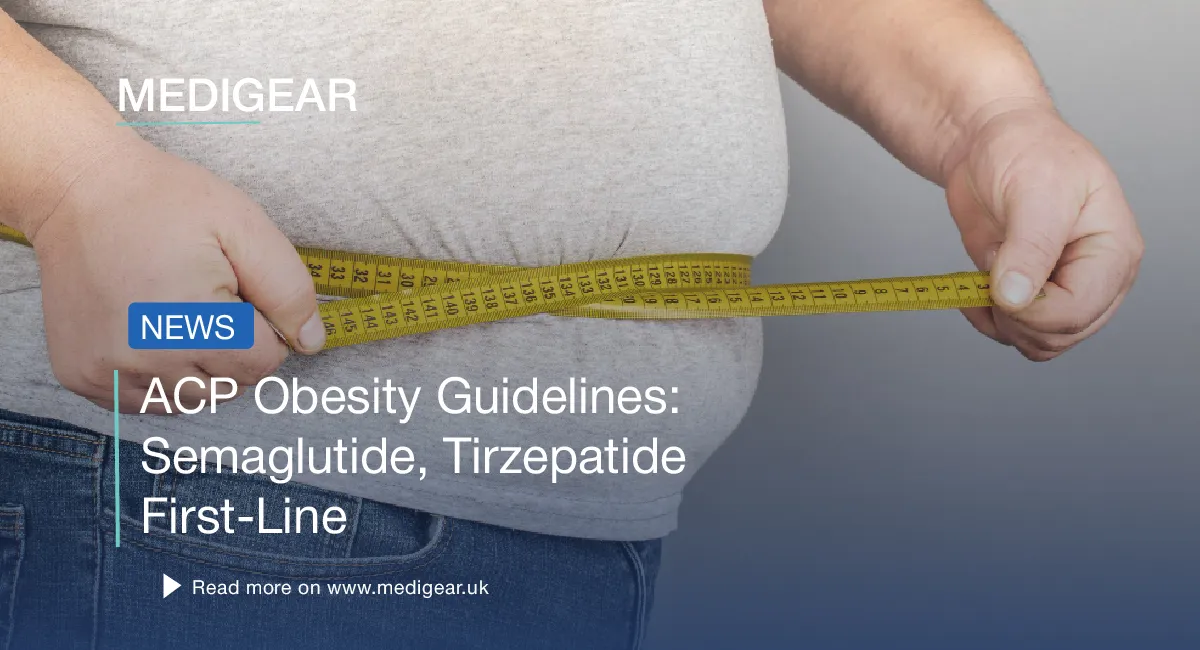
New ACP obesity guidelines name semaglutide (Ozempic, Wegovy) and tirzepatide (Zepbound, Mounjaro) as first-line drugs. The American College of Physicians (ACP) ranked the options. The guidance ran in the Annals of Internal Medicine. It came with a patient summary. The document is a 'living guideline'. Updates will be regular.
The order: semaglutide and tirzepatide first, then phentermine-topiramate, then liraglutide, then naltrexone-bupropion. All run alongside lifestyle changes.
What the ACP obesity guidelines recommend
For nonpregnant adults with obesity (BMI 30 kg/m² or higher), the ACP picks semaglutide and tirzepatide as first-line drugs. Each drug pairs with lifestyle change. That means better nutrition and more physical activity.
For adults with overweight (BMI 27-30 kg/m²) plus an obesity-related condition, the ACP again picks semaglutide or tirzepatide first. Liraglutide moves up to second-line here. Listed conditions include type 2 diabetes, hypertension, dyslipidemia, sleep apnea, and heart disease.
Mir Ali, MD, framed the ACP obesity guidelines as a milestone for obesity medicine. Ali is a bariatric surgeon at MemorialCare Surgical Weight Loss Center, Orange Coast Medical Center, Fountain Valley, CA. He was not part of the guideline team.
"These medications are currently the most effective pharmacologic options for obesity management," Ali told Medical News Today.
Ali added that surgery still offers a higher long-term success rate for those who qualify.
How the rankings break down
The ACP obesity guidelines stack the medication options as:
- First-line: semaglutide, tirzepatide.
- Second-line: phentermine-topiramate.
- Third-line: liraglutide.
- Fourth-line: naltrexone-bupropion.
For the overweight-plus-condition group, liraglutide moves up to second-line.
The rankings rest on evidence reviews from the ACP. The reviews looked at benefits, harms, and cost. Semaglutide and tirzepatide showed the biggest weight-loss effects in clinical trials. That data backs the first-line slot.
"The most important takeaways are that semaglutide and tirzepatide, combined with lifestyle modifications, are now considered first-line pharmacologic options for patients with a BMI over 30, or a BMI over 27 with comorbid conditions such as diabetes or hypertension," Ali highlighted.
Beyond weight loss: what clinicians should weigh
The ACP obesity guidelines push for shared decisions. Drug choice should not rest on weight loss alone. The ACP wants clinicians and patients to weigh benefits, harms, cost, availability, existing conditions, personal goals, life expectancy, and patient preferences.
"It is essential for patients to understand the mechanism of action, potential side effects, and benefits of these treatments, as well as the likelihood that long-term therapy will be necessary," Ali said.
He added that these drugs should be seen as tools to help patients shift to a healthier diet and lifestyle.
The ACP also flags unintended harms: nutritional gaps, plus drops in muscle mass and bone density. These risks may matter more in older adults.
Why a "living guideline" matters
The ACP labels the document a "living guideline." Standard guidelines often go years between updates. Living guidelines change as new evidence comes in. The ACP cites the speed of obesity drug development as the reason.
Ali made the case for the living format: "The primary benefit of a living guideline is that recommendations can be updated as new data becomes available. This is a significant improvement over traditional static guidelines, which may not change for many years."
Context: obesity rates and risks
Global estimates put adults with overweight at 43% and adults with obesity at 16%. The U.S. obesity figure sits at 40.3%. About three-quarters of American adults carry overweight or obesity.
Excess weight ties to higher risk of type 2 diabetes, high blood pressure, heart disease, and some cancers. GLP-1 receptor agonists and related incretin-based drugs have changed treatment. That has raised new questions about how to rank the growing list of options.
What this means for patients
The ACP obesity guidelines signal a wider consensus. Newer drugs can play a key role alongside diet, exercise, and lifestyle work. But treatment must stay individualized. Medical history, side effects, cost, access, and personal goals all shape the right pick.
Ali summed it up: "The key message is that medications can be an excellent tool to help patients achieve and maintain long-term dietary and lifestyle changes."
For endocrinology, primary care, and obesity medicine teams, the ranking reshapes care in 2026. Coverage on Medigear.uk tracks how the ACP obesity guidelines evolve.
Source: Originating coverage based on Medical News Today reporting on the American College of Physicians (ACP) living clinical guidelines on first-line pharmacologic treatments for adults with obesity, published in the Annals of Internal Medicine, with expert commentary from Mir Ali, MD, bariatric surgeon and medical director of MemorialCare Surgical Weight Loss Center at Orange Coast Medical Center in Fountain Valley, CA.
Sourcing medical equipment?
Tell us the model and destination — our sourcing team will respond within one business day.

As a Product Catalogue Specialist at MediGear, I manage product listings, specifications, images and categories to ensure all information is accurate, consistent and professionally presented for hospitals, clinics, distributors and healthcare buyers.
View all articles
MiniMed Smart MDI System: 8.1pp TIR Lift at EASD 2026
Type 1 diabetes patients who responded to more MiniMed Smart MDI alerts hit better glucose numbers i…
Corcym Memo 4D Curve Mitral Ring: First-in-Human US Implant
The Corcym Memo 4D Curve mitral repair ring has landed its first-in-human implant. The news comes so…

Myrava 3D-Printed Bolus Wins FDA 510(k) for Radiotherapy
The Myrava 3D-printed bolus has cleared the US Food and Drug Administration (FDA). The 510(k) nod co…
Medical device news, once a week.
Approvals, trials, recalls and market moves — the essentials for procurement and clinical teams.