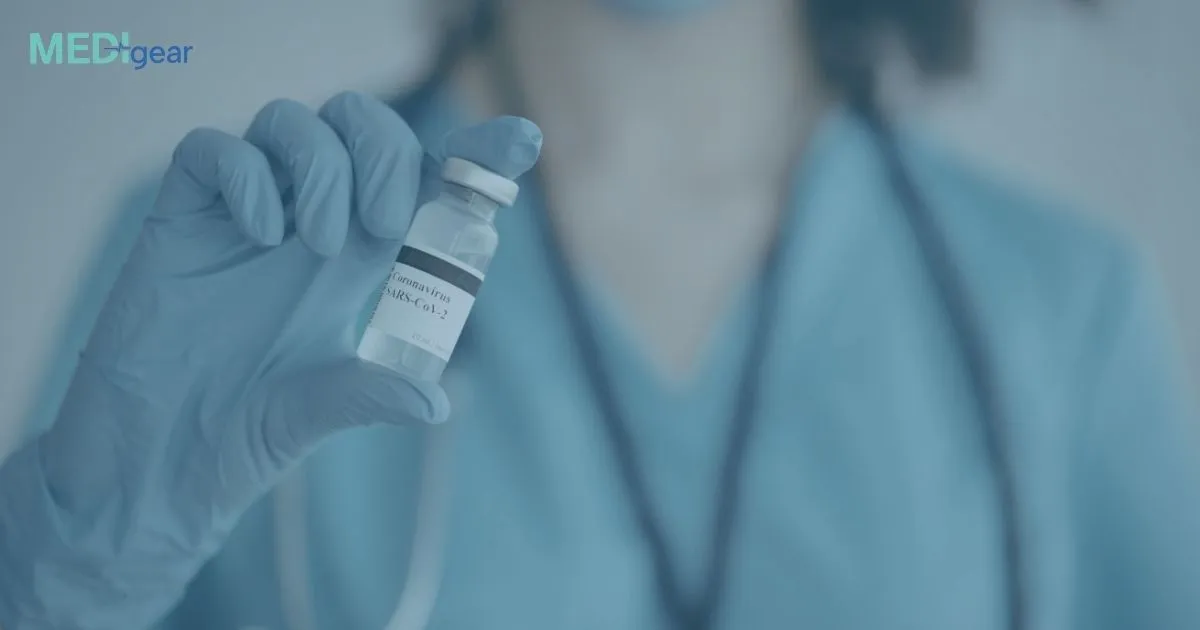
Vaccinations are one of the most effective ways to protect people from serious diseases. They help the body build immunity so that it can fight infections without becoming severely ill. Vaccines have saved millions of lives by preventing dangerous illnesses such as measles, polio, hepatitis, and influenza.
Many people think vaccines are only for children, but vaccinations are important at every stage of life. Adults, elderly people, and pregnant women may also need vaccines for proper protection. Health education resources such as medigear.uk highlight that timely vaccination is essential for both personal health and public safety.
What are vaccinations
Vaccination is the process of giving a vaccine to help the immune system recognize and fight harmful germs. A vaccine contains a weakened or inactive form of a virus or bacteria, or a part of it. This does not cause the disease but helps the body learn how to defend itself.
After vaccination, the immune system produces antibodies that protect the body if the real infection occurs later.
Why vaccinations are important
Protection from serious diseases
Vaccines prevent many life threatening illnesses. Diseases that once caused large outbreaks can now be controlled because of vaccination.
Examples include
-
measles
-
polio
-
tetanus
-
diphtheria
-
hepatitis
-
tuberculosis
-
influenza
Without vaccines, these diseases can spread quickly and cause severe complications.
Builds strong immunity- Vaccination trains the immune system to respond faster and stronger when germs enter the body. This reduces the chance of severe illness. Strong immunity also helps the body recover faster if infection occurs.
Prevents disease spread in the community- When most people are vaccinated, the disease cannot spread easily. This protection is called herd immunity.
Herd immunity protects
-
babies who are too young for vaccines
-
elderly people
-
people with weak immune systems
-
pregnant women
Public health awareness shared on medigear.uk explains that community vaccination helps protect everyone, not just the person receiving the vaccine.
Reduces risk of complications- Some infections can cause serious problems such as brain damage, lung infection, heart problems, or disability. Vaccines lower the chance of these complications and help people stay healthy.
Saves medical cost and time- Preventing disease is easier and cheaper than treating it. Vaccination reduces hospital visits, medical expenses, and loss of work or school days.
Important for travel and school
Many schools, colleges, and countries require certain vaccinations to prevent outbreaks. Keeping vaccines up to date helps avoid health risks during travel and education.
Are vaccines safe
Vaccines are tested carefully before use. They are approved only after safety and effectiveness are confirmed.
Common mild side effects may include
-
slight fever
-
pain at injection site
-
mild tiredness
-
swelling or redness
These effects usually go away quickly.
Serious reactions are very rare. Medical guidance available on medigear.uk also recommends following the vaccination schedule given by healthcare professionals.
Vaccinations needed at different ages
For babies and children
-
BCG
-
polio
-
DPT
-
measles
-
hepatitis B
-
rotavirus
For teenagers
-
tetanus booster
-
HPV vaccine
-
hepatitis vaccine
For adults
-
influenza vaccine
-
tetanus booster
-
hepatitis vaccine
-
COVID vaccine
-
pneumonia vaccine for elderly
The exact schedule may vary depending on health condition and country guidelines.
What happens if vaccinations are missed
Missing vaccines increases the risk of infection. Diseases that were once controlled can return if vaccination rates become low.
Unvaccinated people may spread infection to others, especially to those who cannot take vaccines.
How to keep vaccination up to date
- Follow the recommended vaccine schedule
- Keep vaccination records safe
- Consult doctor regularly
- Take booster doses on time
- Do not skip vaccines without medical advice
Health awareness information provided by medigear.uk also encourages parents and adults to check vaccination status regularly to ensure full protection.
When to consult a doctor before vaccination
Medical advice is needed if
-
severe allergy history
-
high fever at the time of vaccination
-
weak immune system
-
chronic illness
-
pregnancy
Doctors can guide which vaccines are safe in each condition.
Conclusion
Vaccinations are essential for protecting individuals and communities from serious diseases. They help the immune system fight infections, reduce complications, and prevent outbreaks. Safe and timely vaccination keeps children and adults healthy throughout life. Health education resources such as medigear.uk also emphasize that following the recommended vaccine schedule is one of the most important steps for long term wellbeing.