
What Should You Look for When Buying a Hospital Bed? A Complete Guide
A hospital bed is the hardest-working piece of kit in any healthcare building. Not the scanner. Not the monitor. Not the surgical table. The bed. A patient lies in it for hours, days, sometimes weeks. Nurses adjust it dozens of times a shift. Cleaners strip and remake it between patients. Porters wheel it through corridors. Doctors lean on its rails during ward rounds. It takes more wear than any other device — and when it fails, the patient in it pays.
Yet hospital beds are often bought with less thought than the screens next to them. Buying teams compare prices, tick a few boxes, and grab the cheapest one that fits. Then the rails jam. The brakes stick. The motor dies after six months. The platform sags. And the ward that saved money up front spends twice that on fixes, complaints, and the slow harm a bad hospital bed does to patients stuck in it.
This guide covers what to look for when buying a hospital bed with the honest detail that ward managers, procurement leads, and care home owners actually need. Medigear supplies certified hospital beds to healthcare settings across the UK — and every tip here comes from real clinical demand, not catalogue photos.
Types of Hospital Beds
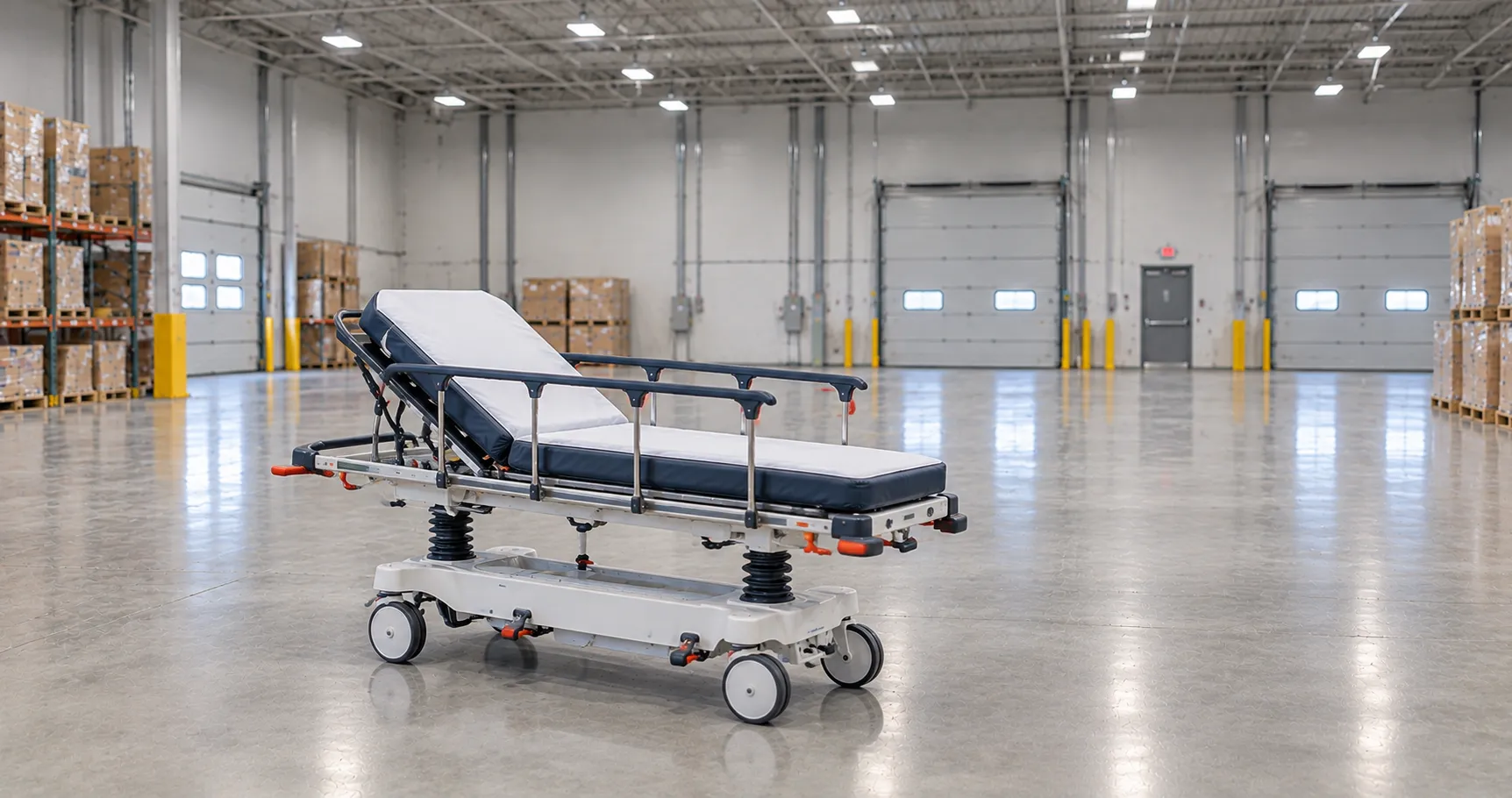
Hospital beds come in three main types based on how they move. Manual models use hand cranks to shift the head, foot, and height. Cheap and power-free — but staff must crank every change by hand and the range is limited. Semi-electric models use a motor for head and foot but a crank for height. Fully electric models control all sections by handset — giving the fastest, smoothest, and most precise position control. Where staff time counts and comfort drives results, fully electric is the standard worth paying for.
Weight Capacity
Weight capacity is not a spec to skim past. Standard models hold up to about 160 kilograms. Bariatric models handle 250 and above — wider frames, stronger motors, and tough platforms built for patients whose size needs kit that will not bend or break. Putting a heavy patient on a standard bed is not a budget call. It is a safety failure that risks the patient, the staff, and the whole unit.
Side Rails
Side rails protect patients from falls — but they also create risks if poorly designed. Full-length rails can trap arms, heads, or bodies in gaps between rail and mattress. Split rails cover head and foot sections apart — cutting trap risk while still guarding against falls. Rail height, gap size, and locks all need checking against safety rules before buying. A rail that stops one harm while causing another is not a safety feature. It is a risk.
Height Adjustment
Height matters for both patients and staff. Low models that drop near the floor cut fall injury for patients who try to climb out. High settings make care easier for nurses — cutting the bending and lifting that causes back pain on every ward. A hospital bed with a wide height range serves both needs. Check the min and max height before buying and match it to your patient group.
Mobility
Bed mobility — wheels, brakes, steering — affects every transfer and every emergency. Central brakes that lock all four wheels at once save time in urgent moments. Fifth-wheel steering makes turns smoother for porters moving beds through tight corridors. Wheel size affects how smoothly the bed crosses door strips and lift gaps. A hospital bed that rolls smooth and parks firm protects patients during every move.
Infection Control
Infection control shapes every surface and material choice. Frames must be smooth, sealed, and free of gaps where fluids, germs, and cleaning chemicals can hide. Platforms need drain holes or sealed tops that allow deep cleaning between patients. Side rail covers should be wipeable. Beds that are hard to clean become germ stores — a hidden cost far above the price gap between a cheap frame and a good one.
Mattress Compatibility
Mattress fit should be confirmed before the bed is ordered — not after delivery. Not all mattresses fit all frames. Pressure care, air systems, and bariatric types each have size and weight needs the bed platform must meet. Buying a bed and then finding the mattress does not fit wastes time, money, and ward patience.
Tilt Positions
Tilt positions — head-down and feet-down — matter for shock care, breathing support, and post-surgery recovery. Not every hospital bed offers these. Check if the bed tilts as a full platform and whether the angle range meets your clinical needs. A bed that cannot tilt when needed limits clinical options at the worst moment.
CPR Release
CPR release is non-negotiable. In a cardiac arrest, the platform must go flat in seconds — removing the raised head that makes chest pushes less effective. A one-touch CPR button that flattens the bed in under two seconds is the standard. Any bed without this does not belong in a clinical setting. Which is all of them.
Battery Backup
Battery backup keeps electric beds working during power cuts. A bed stuck in one position during a power cut traps the patient wherever they were when the lights went off. Built-in batteries that allow a set number of moves during an outage guard against a problem that happens more often than most wards plan for.
Linked Guides
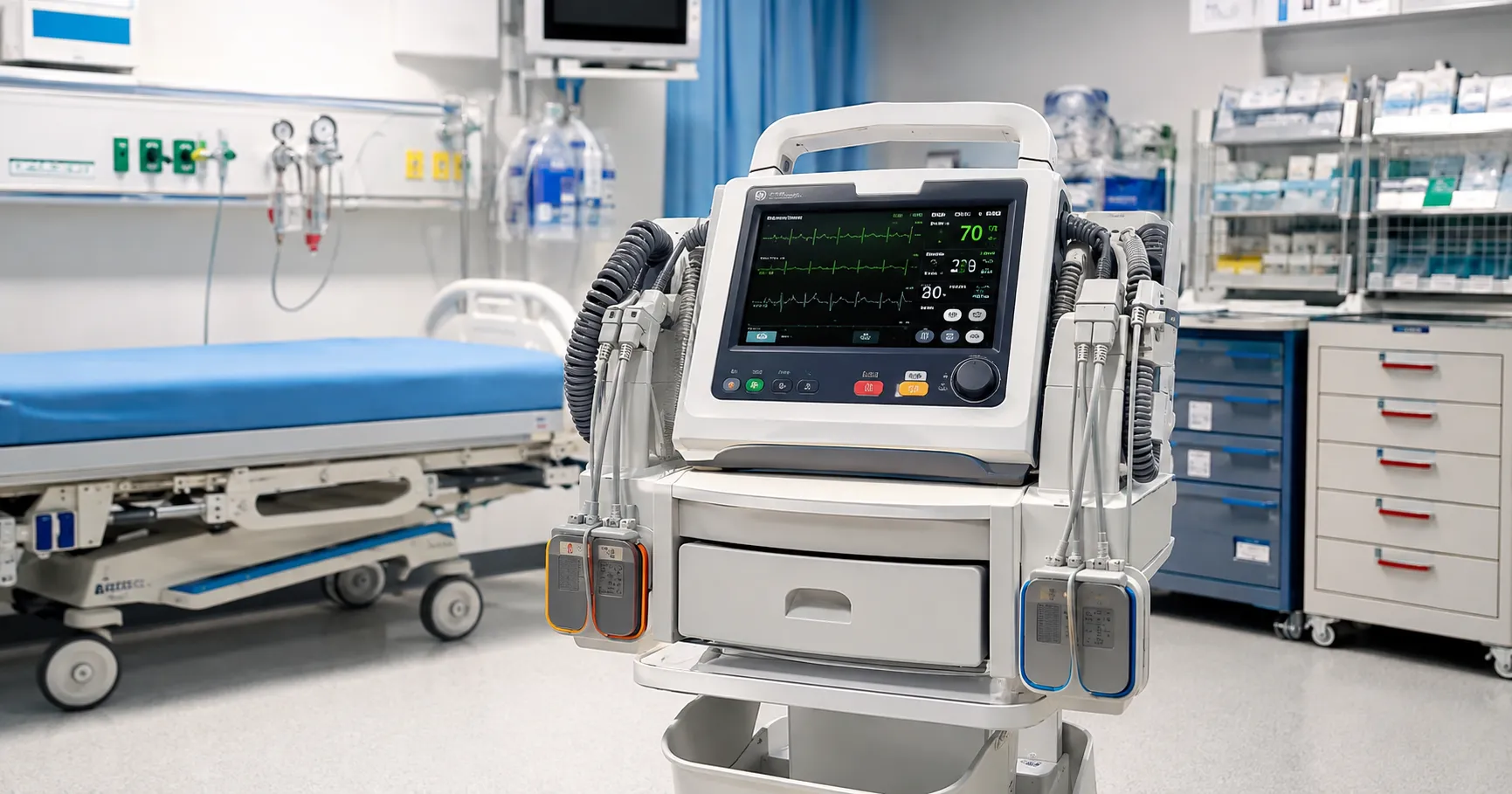
Our guide to hypertension explains how blood pressure monitoring supports patient care at the bedside — where the bed itself shapes positioning, comfort, and clinical access during every check. Our guide to the top ten BP machine brands covers the monitoring devices that sit beside every hospital bed on every ward.
Noise
Noise from bed motors affects patient rest. Older electric beds grind, click, and whine loud enough to wreck sleep — for the patient and everyone nearby. Quieter motors and smoother lifts are not luxury features. They are basic respect for patients trying to heal in a place that already ruins their sleep in a dozen other ways.
Aesthetics
Aesthetics may sound trivial — but they matter in care homes, hospices, and private units where the bed is part of a patient's living space for weeks. A bed that looks and feels like a ward item hurts dignity and mood in ways specs do not show. Wood panels, softer colours, and home-style headboards come on many modern beds without losing clinical function.
Delivery and Training
Delivery, setup, and training should come with every hospital bed purchase. A hospital bed that arrives in a box without setup help or training is one that staff will use wrong until someone gets hurt. Good suppliers include ward delivery, full build, function tests, and hands-on training as part of the deal.
Second-Hand Beds
Second-hand hospital beds carry risks that budget pressure sometimes hides. Worn motors, cracked rails, faulty brakes, and missing labels turn a bargain into a hazard. If budget forces a used buy, insist on full checks, fresh safety testing, and a written report that the hospital bed meets current standards. A cheap bed that injures a patient costs more than the new one you should have bought.
Patient Feedback
Patient feedback about hospital bed comfort rarely reaches the buying team — but it should. Patients who spend days in a bed know more about its faults than anyone who tried it for twenty minutes in a showroom. Stiff controls, noisy motors, rough rail edges, and platforms that dig into hips all show up in scores that trace back to choices made years ago. Listening before buying stops complaints that last the life of the bed.
Evacuation Features
Emergency evacuation features are gaining ground in modern design. Beds with built-in slides, quick-detach frames, or ski runners allow fast patient removal during fires. In multi-storey buildings where lifts may fail, a bed that helps rather than blocks escape could save lives. Check whether your setting needs evacuation-ready hospital beds and add this to the spec before ordering.
Certification
Always confirm CE marking, ISO 13485 standards, and full MHRA compliance before buying any hospital bed. Check it meets IEC 60601 electrical safety rules for powered beds. Ask about warranty, spare parts, service speed, and motor life. A hospital bed lasts ten to fifteen years. The supplier bond matters across that whole stretch — not just on delivery day.
Why Choose Medigear
Medigear supplies certified hospital beds, mattresses, and accessories to hospitals, care homes, hospices, and clinics across the UK — with clear pricing, honest guidance, and after-sales support that understands the daily demands of patient care. Whether you are equipping a new ward, replacing ageing stock, or adding bariatric capability, our team matches the right bed to your clinical reality. Reach out to our team directly for guidance built around the patients who will lie in it and the staff who will work beside it.
Conclusion
A hospital bed is not furniture. It is the most used, most leaned on, most adjusted, and most important piece of equipment in any healthcare building. The patient lives in it. The nurse works around it. The cleaner strips it. The porter moves it. And the procurement team that chose it shapes every one of those experiences — for better or worse — across a decade of daily use. Choose well. Medigear stands alongside wards, care homes, and clinics with certified hospital beds and the honest support that patient care demands. Speak to our team today and find the bed your patients deserve and your staff can trust.
⚠️ This post is for general information only. We do not sell medications or provide prescriptions — Medigear.uk is a medical equipment supplier only.