She bought a pulse oximeter during the pandemic. Clipped it on her finger each morning like checking the weather. Ninety-eight per cent. Ninety-seven. Ninety-nine. The numbers felt safe — like a green light saying her body was fine. Then one day, her chest tightened, her left arm went heavy, and she ended up in A&E with a heart event her device never saw coming. Because it was never designed to.
That story is more common than most people think. Millions of people bought pulse oximeters hoping they would act as early warning systems for serious health problems. Some thought the device could spot heart disease. Others assumed a normal reading meant their heart was fine. Neither is true. The gap between what it does and what people think it does is wide enough to cause real harm.
This guide explains pulse oximeters and heart health with the honesty both topics deserve. What the device measures, what it misses, where it genuinely helps in cardiac care, and what tools clinics actually need to detect heart problems properly. Medigear supplies certified clinical monitoring equipment to hospitals and clinics across the UK — because heart care needs more than a finger clip and a number.
What a Pulse Oximeter Actually Measures
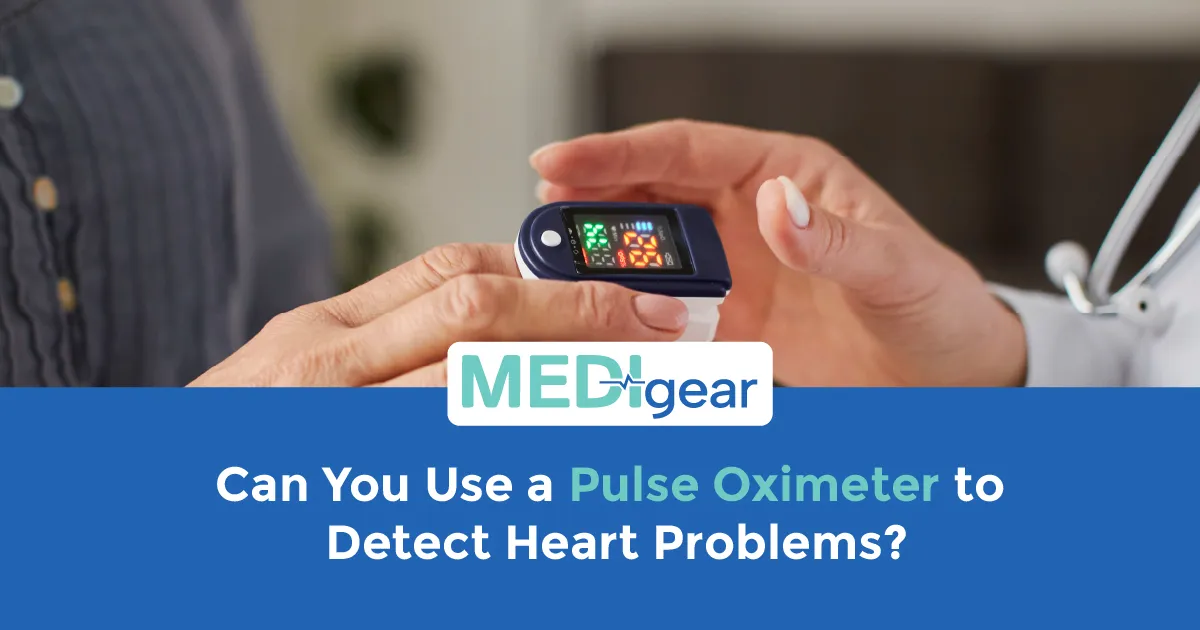
A pulse oximeter reads two things. First, it shows how much oxygen your blood is carrying — the share of red blood cells loaded with oxygen. Normal sits between ninety-five and one hundred per cent. Second, it shows your pulse rate — how many times your heart beats each minute. It works by shining light through the skin and measuring how much light is absorbed by blood, with and without oxygen. The whole thing is painless, quick, and needs no needles.
What a Pulse Oximeter Cannot Do
Here is what it does not do. It does not check blood pressure. It does not find blocked arteries. It does not spot heart rhythm problems. It does not measure how much blood the heart pumps. It does not check the valve function. It does not screen for artery disease, heart failure, or heart defects. It tells you two things — oxygen level and heart rate. That is it. For many heart problems, both numbers stay normal right up until things go very wrong.
Why Normal Readings Do Not Mean a Healthy Heart
Oxygen levels can stay normal even during serious heart events. Someone having a heart attack may show ninety-seven per cent because the problem is blood flow to the heart, not oxygen in the blood. Heart failure patients can keep normal readings until the disease fills the lungs with fluid. Irregular rhythms may not change oxygen levels at all. The clip reads green while the heart struggles in silence.
Pulse Rate Is Not Heart Rhythm
The pulse rate on a pulse oximeter shows speed — but not rhythm. It counts beats per minute but cannot tell you if those beats are steady, uneven, or coming from the wrong part of the heart. AF — the most common risky heart rhythm — can show a normal pulse rate on the clip while the heart beats wildly beneath. Finding AF needs an ECG, not a finger clip. Our complete buyer's guide to ECG machines for clinics covers the cardiac monitoring equipment that actually diagnoses rhythm problems — the tool that does what pulse oximeters cannot.
Where Pulse Oximeters Genuinely Help in Heart Care
Where pulse oximeters do help is in watching patients who already have a known heart problem. Heart failure patients who check oxygen levels at home can spot early fluid buildup in the lungs. A declining number may prompt them to call the doctor sooner and avoid a hospital stay. Patients after heart surgery use them to watch for trouble during recovery. Children with heart defects from birth rely on oximetry as a daily check. In all these cases, the device is not finding heart disease. It is tracking a problem that was already found by other tools.
Newborn Screening
Newborn pulse oximetry screening is one of the most important cardiac applications of the device. A simple oxygen checks on a newborn's hand and foot within the first day can catch heart defects that would go unseen until the baby gets very ill. This test catches serious defects — saving lives through a check that takes seconds and costs nearly nothing.
Accuracy Limits
Pulse oximeter accuracy has limits that users should understand. Dark skin can cause falsely high readings. This became a big concern during the pandemic when doctors made treatment calls based on numbers that were too high for Black and South Asian patients. Cold fingers, nail polish, poor blood flow, and shaking hands all cut accuracy. Clinical-grade units are more reliable than shop-bought ones — but even the best only measure oxygen, not heart function.
What Clinics Actually Need for Heart Monitoring
For clinics managing patients with heart conditions, a pulse oximeter is a useful but incomplete tool. Proper heart checks need an ECG for rhythm, echo scans for structure, blood pressure monitors for high pressure, and blood tests for heart markers. Our guide to hypertension explains how certified blood pressure equipment supports cardiovascular risk management — the monitoring layer that sits alongside oximetry in any complete cardiac care pathway.
Vascular Clues
Narrowed leg arteries can affect oximeter readings in ways that give useful clues. A weak or absent signal in the toes versus the fingers may indicate vascular disease. But this is a clue, not a diagnosis. It needs proper vascular testing, not treatment based on a single clip reading.
Exercise and Stress Testing
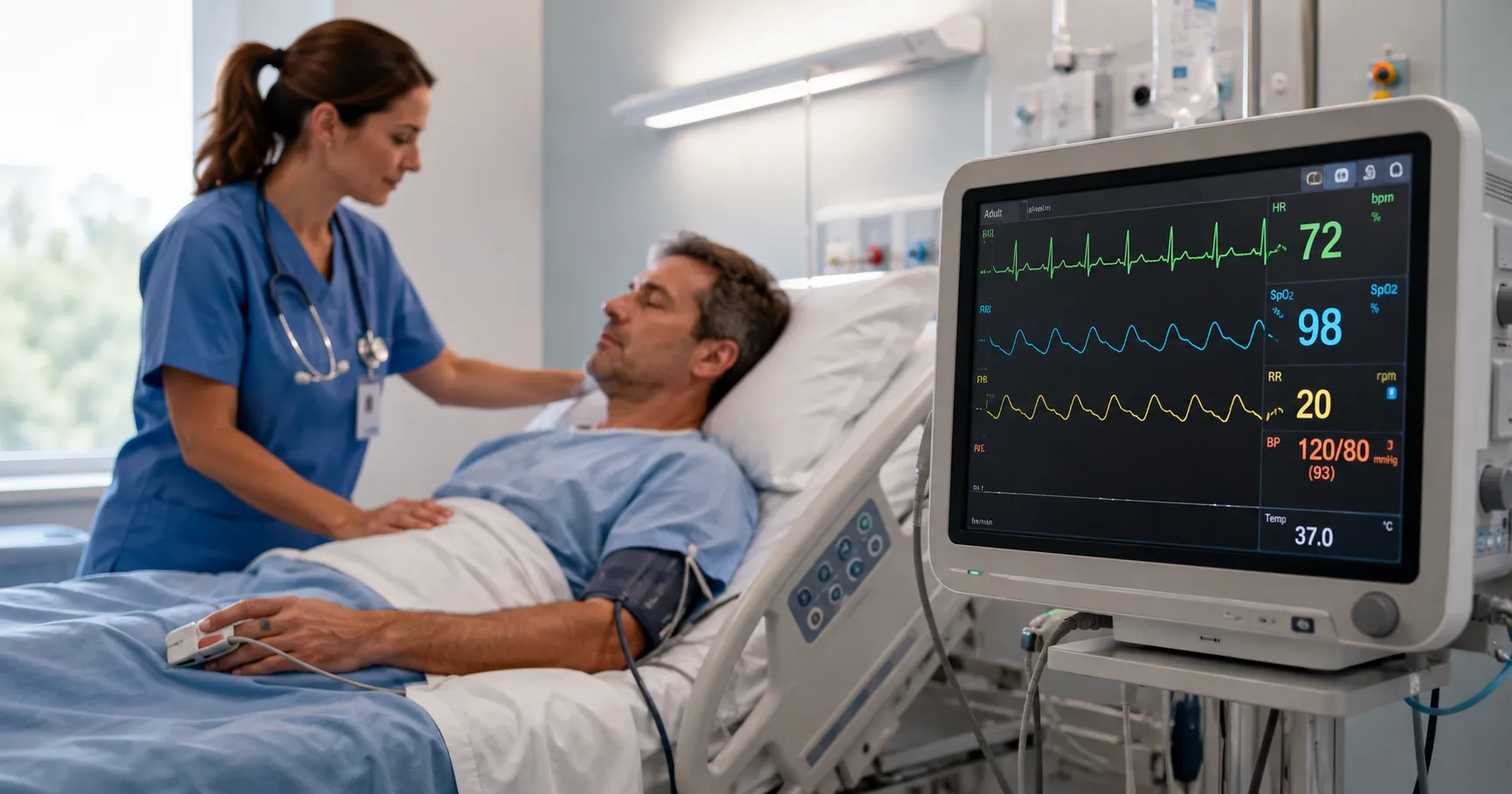
Exercise and stress testing reveal heart problems that resting measurements miss entirely. A patient who looks fine at rest may show problems during effort — falling oxygen, racing pulse, or slow recovery. Formal exercise testing with ECG and oximetry together gives a far fuller picture than either tool used alone at rest.
Home Monitoring
Home monitoring with pulse oximeters works best when patients understand what the numbers mean and — just as importantly — what they do not mean. A normal number does not rule out heart disease. An odd number does not confirm it. The value of a pulse oximeter lies in tracking trends and spotting changes that prompt a conversation with a doctor, not in self-diagnosing problems that require scans and blood tests to find.
Sleep Apnoea Connection
Sleep apnoea and heart health share a connection that pulse oximeters can help flag — though not diagnose. Overnight readings showing repeated oxygen drops may point to sleep apnoea — a major risk factor for high blood pressure, AF, heart failure, and stroke. Our guide to sleep apnoea equipment covers the devices that diagnose and manage this condition properly — including the overnight monitoring tools that go far beyond what a finger-clip oximeter can offer.
Context Matters More Than Numbers
Blood oxygen and heart rate together can hint at problems — but they cannot name them. A fast pulse with normal oxygen may mean anxiety, fever, or dehydration — not a heart attack. A slightly low reading after climbing stairs may indicate poor fitness rather than heart failure. Without context, the numbers on a pulse oximeter can scare people into panic or lull them into false safety. Context comes from a doctor, not a screen.
Layered Home Monitoring
Many patients with long-term heart problems use a pulse oximeter alongside other tools — blood pressure cuffs, weight scales, symptom diaries — to build a daily picture that their clinical team reviews remotely. This layered home monitoring approach works well when patients understand each tool's role. The oximeter watches oxygen. The cuff watches pressure. The scales watch the fluid. None of them replaces the other. And none of them replaces a proper clinical review.
Clinical vs Consumer Devices
Choosing a pulse oximeter for clinical use is not the same as buying one online for home use. Clinical models offer better sensors, faster response, tighter accuracy, and alarms that alert staff when numbers drop. Home models give a rough guide that helps patients track trends. Both have a place — but mixing up where they belong puts patients at risk. A GP surgery using a consumer-grade pulse oximeter to make treatment calls is trusting a tool that was never built for that job.
COPD and Oximetry
COPD patients depend on pulse oximeter readings more than almost any other group. Their oxygen levels swing with infection, activity, and medication changes. A good pulse oximeter at home helps them avoid hospitalisation by catching dips early. But even for this group, the pulse oximeter only tells part of the story. Breathing rate, sputum colour, energy levels, and medication compliance all matter alongside the number on the screen.
Altitude and Travel
Altitude, flying, and travel affect pulse oximeter readings in ways that catch people off guard. Cabin pressure during flights drops oxygen levels by a few per cent in healthy people, causing alarms in nervous flyers wearing a clip. High-altitude travel pushes readings lower still. Understanding that these changes are normal prevents unnecessary panic and emergency calls that waste resources and unnecessarily frighten patients.
Certification and Compliance
Always buy certified pulse oximeters that meet CE marking, ISO standards, and MHRA compliance. Cheap devices sold online without proper marks may show numbers that look right but are not safe to trust. Any setting where pulse oximeter readings guide care — ward, GP surgery, or home — needs certified gear as the bare minimum. Cheap, uncertified clips have no place near patient care.
Why Choose Medigear
Medigear supplies certified pulse oximeters, ECG machines, blood pressure monitors, and clinical monitoring equipment to hospitals, clinics, and home care services across the UK — with clear pricing, honest guidance, and after-sales support built for daily clinical use. Whether you need bedside monitoring, community screening tools, or home care devices, our team matches the right equipment to your clinical need. Reach out to our team directly for guidance built around the cardiac monitoring your patients deserve.
Conclusion
A pulse oximeter is a useful tool. It is not a heart monitor. It tells you whether blood is carrying enough oxygen and how fast the heart is beating — and for that narrow job, it does it well. But asking it to detect heart disease is like asking a thermometer to diagnose pneumonia. The reading might hint at a problem. It cannot name it, find it, or rule it out. Heart care needs ECG, echo scans, blood pressure checks, and blood tests working alongside oximetry — not instead of it. Medigear stands alongside clinics with certified monitoring equipment and the honest guidance that proper cardiac care demands. Speak to our team today and give your patients the full monitoring picture their hearts deserve.
⚠️ This post is for general information only. We do not sell medications or provide prescriptions — Medigear.uk is a medical equipment supplier only.