The brain does not bleed like a cut. It does not swell like a sprain. It does not show up on a standard blood test or sit still for a stethoscope. When something goes wrong inside the skull or along the nerves that wire the body together, the only way to find it is with tools built to listen to signals most people do not even know exist.
Neurology equipment translates the nervous system's hidden signals into data that doctors can read and act on. Brain wave patterns. Nerve speeds along a limb. Muscle signals that show damage no scan can spot. Without these tools, the best guess is still a guess. With them, it becomes a diagnosis.
This guide covers the essential neurology equipment that brain and nerve diagnostic services depend on. What each tool does, which questions it answers, how it fits into a working clinic, and what to check before buying. Medigear supplies certified neurology diagnostic equipment to hospitals and clinics across the UK — and every tip here comes from real clinical conversations, not catalogue pages.
EEG — Brain Wave Recording
EEG machines record the brain's electrical activity through small sensors placed on the scalp. They are the main tools for diagnosing epilepsy, classifying seizure types, and tracking brain function. But EEG does far more than catch seizures. It checks brain function in coma patients, spots odd patterns in brain swelling, tracks brain waves during surgery, and helps diagnose sleep problems. A neurology service without EEG is like a heart clinic without ECG — it can exist, but it cannot do its job.
Routine, Ambulatory, and Video EEG
Routine EEG runs for twenty to thirty minutes. It captures brain activity with eyes open and closed, during deep-breathing and flashing-light tests. Home EEG extends this to a full day or two, catching events that a short clinic test would miss. This matters most for patients whose seizures strike at night or during daily life rather than on cue in a clinic.
Video EEG pairs brain wave data with live camera footage of the patient. This lets doctors see what the patient was doing when a brain event happened — telling epileptic seizures apart from non-epileptic ones, sorting seizure types, and guiding surgery plans for hard-to-treat epilepsy. For any centre handling complex epilepsy, video EEG is not optional. It is the standard.
EMG — Muscle Signal Testing
EMG machines measure electrical signals from muscles — both at rest and during contraction. A thin needle pushed into the muscle picks up signals that show whether the muscle, the nerve feeding it, or the link between them is damaged. EMG answers questions that scans cannot. Is a weak hand caused by a trapped nerve, a damaged nerve root, motor neuron disease, or a muscle problem? The needle tells a story that MRI often misses.
Nerve Conduction Studies
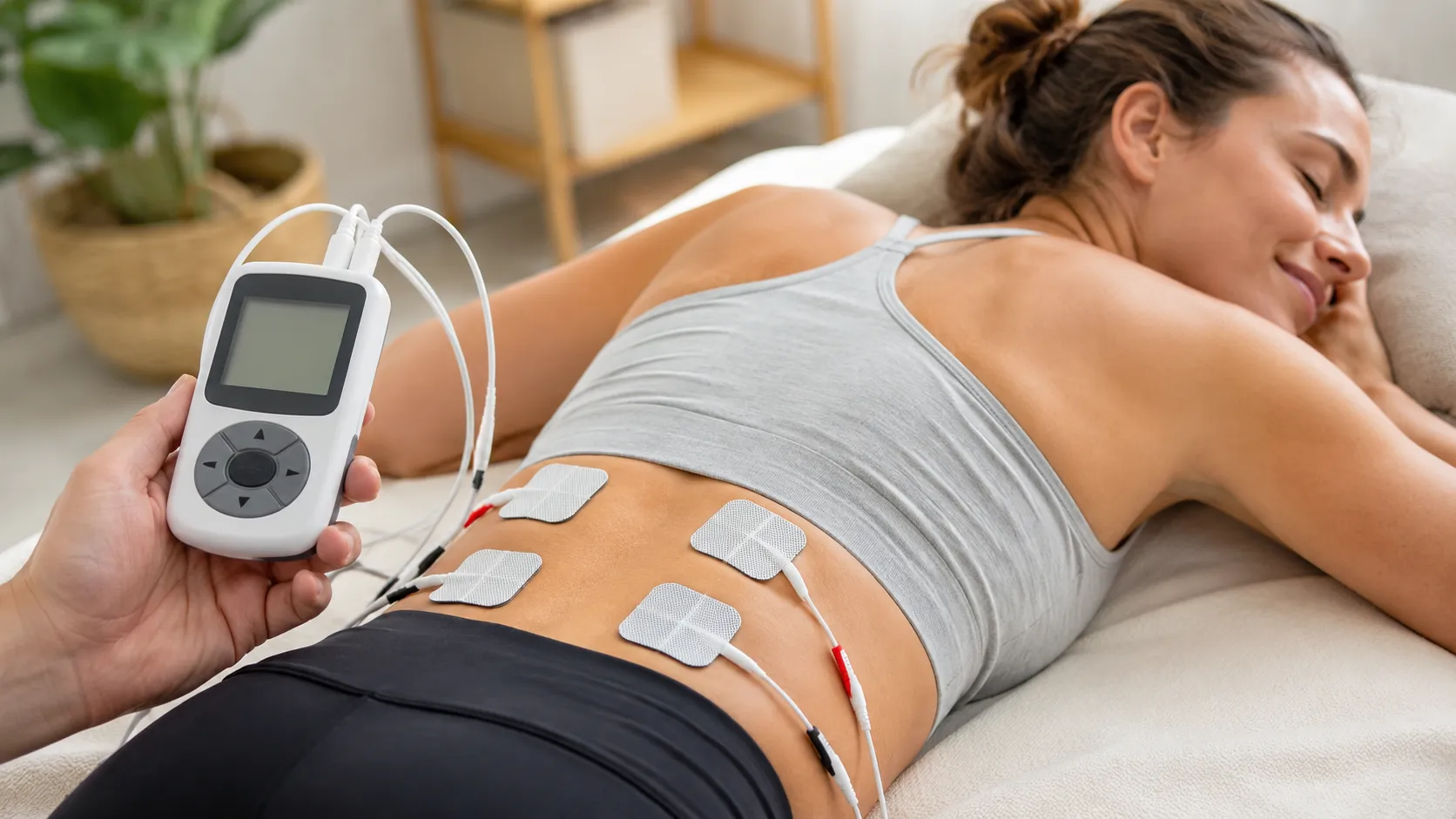
Nerve conduction tests use small electrical pulses to measure how fast and how strongly signals travel along nerves. Skin pads deliver a brief pulse at a single point along a nerve, and sensors placed farther along catch the response. The speed and strength of the signal indicate whether a nerve is trapped, damaged, or dying — and where the problem lies. Paired with EMG, nerve tests form the core of nerve and muscle diagnosis.
Evoked Potential Testing
Evoked potential tests measure how the brain responds to set sensory triggers. Visual tests assess the eye-to-brain pathway by presenting a flashing pattern on a screen. Hearing tests check the pathway from the ear to the brainstem. Touch-based tests check the sensory paths from limbs to the brain. These tests detect slowed signals that suggest nerve coating damage — a key sign of conditions like MS — often before symptoms appear.
Brain Doppler
Brain Doppler scans measure blood flow velocity in the main arteries supplying the brain. They spot vessel spasm after brain bleeds, find narrow spots in brain vessels, track clots during heart surgery, and help screen for sickle cell disease. Safe, portable, and easy to repeat — they add blood flow data that pairs well with EEG and EMG findings.
Linked Clinical Needs
For neurology services that manage broader lab needs, alongside brain and nerve testing, our complete guide to centrifuges in medical labs covers the sample prep equipment that supports the blood tests and CSF analysis neurology teams rely on every day. Our guide to stroke warning signs and the role of CT and MRI explains how imaging and clinical assessment combine in acute neurological presentations where speed determines outcome.
Portable Neurology Equipment
Portable neurology equipment is expanding the reach of brain and nerve diagnostics beyond hospital walls. Small EEG units bring seizure checks to care homes, local clinics, and patient bedrooms. Handheld nerve testers allow screening in GP surgeries and diabetic foot clinics. Portable EMG kits support home visits for patients too weak or unwell to travel. Each step toward smaller, lighter tools extends testing to patients who need it most but reach it least.
Sensors and Electrodes
Electrode quality affects every neurology recording. Stick-on pads for EEG and nerve tests must grip the skin well and have low resistance to deliver clean, clear signals. Needles for EMG must be sharp, sterile, and well insulated to reach muscle without noise. Cheap sensors make noisy readings that waste time and risk wrong calls. Good sensors cost little and protect every test your service runs.
Software and Data
Software and data management shape how useful neurology recordings become in daily practice. EEG review software with spike-finding and trend tools helps staff read results more quickly and accurately. EMG software with auto analysis cuts reporting time. Safe data storage, patient record links, and remote review all add real value. A machine that records well but stores badly creates a block that slows everything down.
Infection Control
Infection control matters more in neurology than in most equipment categories. Needle EMG breaks the skin. EEG pads sit on the scalp for hours. Nerve tests use skin prep and gel. Cleaning rules, single-use items where needed, and proper wipe-downs between patients guard against spread and pass CQC checks.
Maintenance
Maintenance and calibration keep neurology equipment accurate across its working life. Signal strength, pulse output, and recording quality all drift without regular checks. Yearly checks, cable and sensor reviews, software updates, and fast fault fixes keep the quality that staff and patients depend on. Logging every service event builds the audit trail that MHRA and UKAS checks require.
Compliance
Always confirm CE marking, ISO 13485 standards, and full MHRA compliance before buying any neurology diagnostic equipment. Check IEC safety standards for medical electrical equipment. Ask about warranty, service response times, electrode supply chains, and software upgrade paths. Neurology equipment is a long-term clinical investment — the supplier bond matters as much as the amplifier spec.
Staff Training
Staff training in neurology diagnostics requires structured programmes that build genuine interpretive skill. Running an EEG is not the same as reading one. Doing a nerve test is not the same as knowing what the numbers mean. Good training covers sensor placement, recording steps, noise spotting, basic pattern reading, and safety. The equipment is only as good as the person behind it.
Patient Comfort
Patient comfort during neurology testing matters more than many clinics plan for. EEG setups take time. Needle EMG causes discomfort. Nerve tests involve small electric shocks. Clear explanations before each test reduce anxiety, improve compliance, and produce better recordings. A calm patient gives a cleaner signal. A scared patient tenses up, creates noise, and makes the whole test harder to read.
Waiting Times
Waiting times for neurology tests remain a problem across the NHS. Labs with certified, well-maintained equipment and trained staff run faster, see more patients, and clear backlogs that delay diagnosis. Investing in the right neurology tools is not just a clinical decision. It is a capacity decision that shapes how many patients your service can help — and how quickly.
Room Setup
Room setup for neurology testing needs more thought than most clinics give it. EEG rooms should be quiet, dimly lit, and free of electrical noise that can ruin recordings. EMG rooms need enough space for the patient to lie flat while the tester moves around both sides. Good ventilation, a calming feel, and easy access for wheelchair users all improve the test experience and the data it produces. A badly set-up room makes every recording harder than it needs to be.
Latest Advances
Neurology diagnostic technology keeps advancing. High-density EEG with hundreds of channels maps brain waves in finer detail. Wearable EEG lets patients record at home for weeks. AI-based spike and seizure spotting cuts the hours staff spend checking recordings. Wireless EMG cuts cable mess and makes patients more at ease. And cloud systems link neurology teams across sites to enable remote reports and second opinions. Each step makes brain and nerve testing faster, sharper, and easier to reach.
Why Choose Medigear
Medigear supplies certified neurology diagnostic equipment to hospitals, neurology clinics, and neurophysiology departments across the UK — with clear pricing, honest guidance, and after-sales support built for the demands of daily clinical use. Whether you are setting up a new service, upgrading ageing equipment, or adding portable capability, our team matches the right tools to your clinical need. Reach out to our team directly for a recommendation built around the neurology service your patients depend on.
Conclusion
The brain speaks in electricity. The nerves speak in speed. The muscles speak in signals that only the right equipment can hear. Neurology diagnostics depend on tools that translate these invisible languages into data that clinicians can trust — and patients can benefit from. Medigear stands alongside neurology services with certified equipment and the honest, practical support that brain and nerve diagnostics demand. Speak to our team today and give your patients the diagnostic clarity their nervous system deserves.
⚠️ NOTE
This post is for general information only. We do not sell medications or provide prescriptions — Medigear.uk is a medical equipment supplier only.