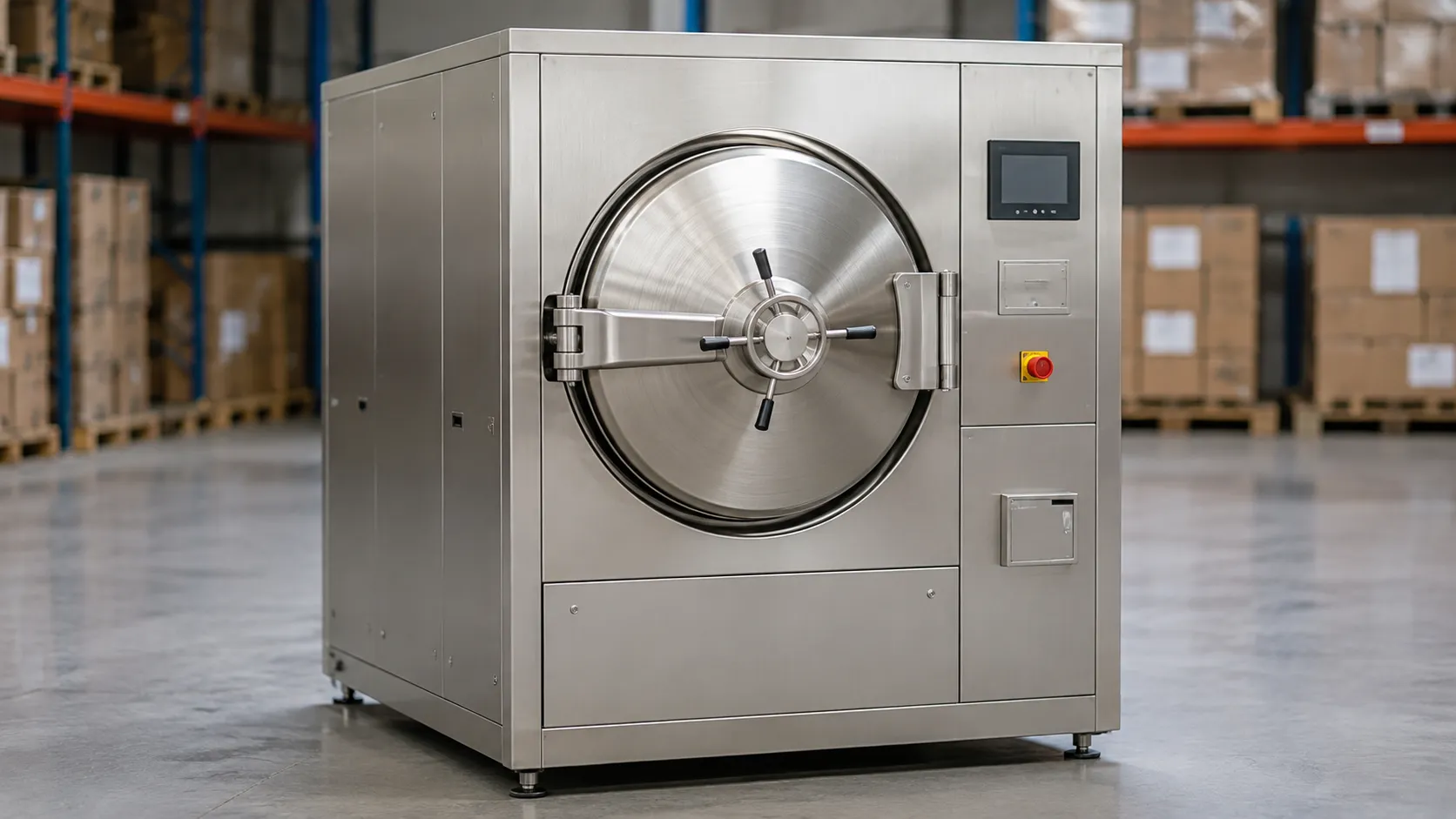
A bag of blood sits at two degrees too warm for six hours. Nobody notices. The temperature log looks fine because the alarm threshold was set a fraction too loosely. The unit gets transfused. The patient develops a febrile reaction. An investigation follows. And somewhere in the paperwork, a blood bank refrigerator that was almost good enough becomes the centrepiece of a preventable incident that no lab wants to explain.
That is blood bank storage in a nutshell. Not glamorous. Not exciting. But a field where every degree counts, failure hurts patients, and a certified blood bank refrigerator is the only thing standing between safe care and a serious incident.
This guide gives lab managers and transfusion leads the details they actually need. What makes blood storage different, which features truly protect products, what rules apply, and how to pick a unit that lasts years, not months. Medigear supplies certified blood bank refrigerators to UK labs and hospitals. Every tip here comes from real experience, not sales talk.
Why Blood Storage Is Different
Blood products need strict storage conditions. Whole blood and red cells must remain between 2 and 6 degrees Celsius. No breaks. No exceptions. From the donor's arm to the patient's vein. Platelets need room temperature with constant agitation. Fresh frozen plasma needs to be kept at minus twenty-five degrees or below. Each product has a set shelf life that depends on maintaining the cold chain. A blood bank refrigerator is not a cold box with a dial. It guards a product no factory can make. Only donors can give it.
Temperature Uniformity
Even the temperature inside the unit matters as much as the target setting. Standard medical fridges often run cold near the cooling unit and warm near the door. That is fine for tablets. For blood, even a small warm spot can kill red cells or let germs grow. Blood bank refrigerators use fans that keep every shelf and every bag at the same steady heat. This is not a bonus feature. It is a basic design need.
Alarm Systems
Alarm systems in blood bank refrigerators must do more than beep when it gets warm. Good units have audible and visual alarms for heat shifts, door-open alerts, power-failure warnings, and backup-battery signals. Remote alerts sent to phones catch problems before blood is harmed — even at three in the morning. A blood bank refrigerator that alarms only when it's empty in an empty lab at three in the morning protects nothing.
Data Logging
Data logging and temperature records are legal needs for blood storage, not optional extras. Blood bank refrigerators must log temperature at all times in enough detail to pass MHRA, UKAS, and local audits. Digital loggers with downloadable data and tamper-proof records have replaced paper charts in all modern labs. If your unit cannot show its temperature history, your blood cannot prove it is safe.
Capacity Planning
Choosing the right size means your lab avoids both waste and risk. Too small, and bags stack tightly — blocking airflow and causing uneven cooling. Too large, and energy bills rise while the unit runs half-empty. Check your average and peak stock. Allow for seasonal swings and urgent top-ups without crowding the shelves. Most labs do better with two right-sized units rather than one big one — giving backup if one breaks down.
Door Design
Door design affects both temperature stability and daily workflow. Glass doors allow visual stock checking without opening the unit — reducing door-open time and minimising temperature swings. Solid doors offer better insulation but require opening for every inventory check. Self-closing doors and door-open alarms stop the most common cause of warm spells — a door left open during a busy shift.
Defrost Systems
Defrost systems must operate without compromising storage temperature. Standard fridge defrost cycles can cause brief warm spells that blood products cannot handle. Blood bank refrigerators use controlled defrost — hot gas or off-cycle — that keeps the cabinet within safe limits throughout. Any blood bank refrigerator in which the defrost cycle causes the internal temperature to rise above 6 degrees is not suitable for blood storage.
Power Failure Protection
Power failure backup is not optional for blood storage. Battery backup, UPS, and generator links all guard blood stock during power cuts. The unit should hold a safe temperature for several hours with doors shut. Knowing this before a power cut happens is smart planning, not worrying.
Installation
Installation requirements for blood bank refrigerators should be reviewed before the unit arrives. Good airflow around the back — at least 10 to 15 centimetres of clear space — prevents the unit from getting too hot and keeps it cooling well. A separate power socket with surge guards stops the risk of tripping shared circuits under heavy load. Floor strength matters for bigger units that weigh a lot when fully loaded. And ambient room temperature must remain within the blood bank refrigerator's specified working range — putting a precise cooling unit in a hot room that hits thirty degrees in summer defeats the design before it starts.
Staff Training
Staff training on blood bank refrigerator operation and monitoring is often assumed rather than structured. Every lab member handling blood products should understand alarm steps, door habits, stock rotation, temperature log checks, and what to do during power cuts or breakdowns. A simple guide pinned next to the blood bank refrigerator helps more than a manual sitting in an office nobody visits.
Choosing Suppliers
Choosing between suppliers matters as much as choosing between blood bank refrigerator models. A good supplier gives more than a box and a bill — they offer fitting help, setup checks, service deals, sensor checks, spare parts, and fast support when things go wrong at bad times. The cheapest blood bank refrigerator with poor support is never cheap over ten years. Medigear understands this because we support blood bank refrigerators long after the purchase — not just during it.
New vs Refurbished
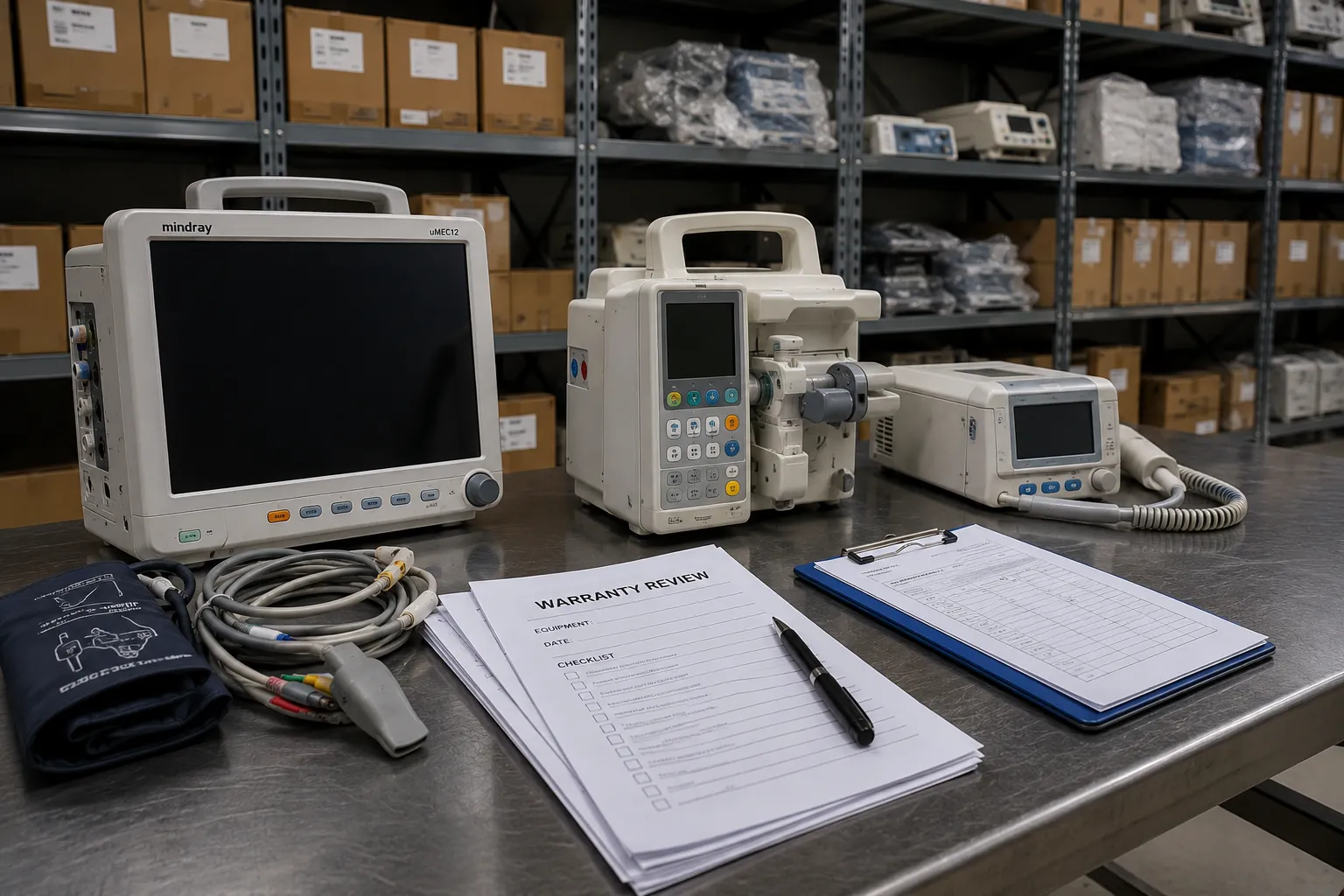
Choosing between new and refurbished blood bank refrigerators is a question many labs face. New units come with a full warranty, the latest features, and a fresh service life. Refurbished units cost less upfront but carry risks — sensor drift, worn seals, reduced battery life, and unknown service history. For blood storage, where failure can harm patients, new certified units almost always represent the safer and smarter long-term choice. If budget forces a refurbished option, insist on full testing, fresh sensor checks, and a solid warranty from a trusted supplier.
Backup Plans
Backup plans matter as much as the primary unit. Every lab storing blood products should have a written plan covering what happens when the blood bank refrigerator fails — where products are transferred, who is called, how temperature is monitored during transit, and when products must be discarded. A laminated action card posted beside the unit ensures that the person on shift at two in the morning knows exactly what to do without searching for a policy document.
Room Temperature
Room temperature around the blood bank refrigerator matters more than most labs think. A unit rated for ambient temperatures up to twenty-five degrees will struggle in a room that hits thirty in summer. Air conditioning or good airflow in the storage room is not a luxury. It is part of making the fridge work as it was designed to.
Stock Rotation
Stock rotation inside the blood bank refrigerator follows simple rules. The oldest units go to the front. Newest go to the back. Labels face outward. Expired stock gets pulled before it ever reaches a patient. These habits take seconds but prevent errors that take weeks to investigate.
Compliance and Certifications
Rules and standards for blood bank refrigerators are strict and fixed. Units must meet Blood Safety and Quality rules, pass MHRA checks, and follow European standards for blood storage. CE marking and ISO 13485 confirm the unit meets design, safety, and output standards. Always check before buying. Be wary of units sold as blood bank refrigerators that are really modified pharmacy fridges without the features blood storage needs.
Hepatitis and other blood-borne infections make storage integrity even more critical. Damaged blood products risk more than one patient — they threaten trust in the whole supply chain. Our complete guide to hepatitis B and C explains how screening and safe blood storage work together to protect the transfusion chain. For labs building broader diagnostic capability, our guide to portable X-ray machines for small clinics covers buying rules and safety standards that apply across all lab equipment types.
Maintenance
Maintenance and lifecycle management keep blood bank refrigerators performing reliably throughout their working life. Yearly sensor checks, door seal reviews, coil cleaning, battery swaps, and alarm testing are all required upkeep tasks. Logging every service visit builds a paper trail that passes checks and guards the lab if questions come up. Most units last ten to fifteen years with good care, making the right choice a long-term saving.
Sustainability
Green thinking matters more and more when buying lab equipment. Efficient motors, greener coolants, LED lights, and better insulation all reduce the carbon footprint of modern blood bank refrigerators without compromising output. Labs with green targets should weigh energy-use data alongside clinical specs when comparing units.
Why Choose Medigear for Blood Bank Refrigerators
Medigear supplies certified blood bank refrigerators to UK labs and hospitals — with clear pricing, honest guidance, and after-sales support built for the demands of blood storage. Whether you are setting up a new lab, swapping old units, or adding space for more stock, our team finds the right fit. Reach out to our team directly for a recommendation built around the blood products you store and the standards you must meet.
Conclusion
A blood bank refrigerator is not exciting. It will never headline a conference or spark clinical debate. But it is the single piece of equipment that stands between donated blood and patient harm — quietly, steadily, without a day off. Choosing the right one means choosing accuracy, compliance, and reliability over shortcuts and cost savings. Medigear stands alongside labs and transfusion services with certified blood-bank refrigerators and the honest, expert support that critical cold-chain equipment demands. Speak to our team today for guidance built around the blood products your patients depend on and the standards your lab must meet.
DISCLAIMER
The information provided in this guide is for educational and informational purposes only and does not constitute medical advice, clinical recommendation, or professional consultation. Always consult qualified healthcare professionals and transfusion specialists for clinical and regulatory decisions regarding blood product storage. Medigear.uk provides certified medical equipment but does not offer clinical, diagnostic, or treatment advice. Product specifications, availability, and certifications may change — always verify current details with the Medigear team before purchasing.