Rickets: A Disease From the Past That's Back in Today's Children
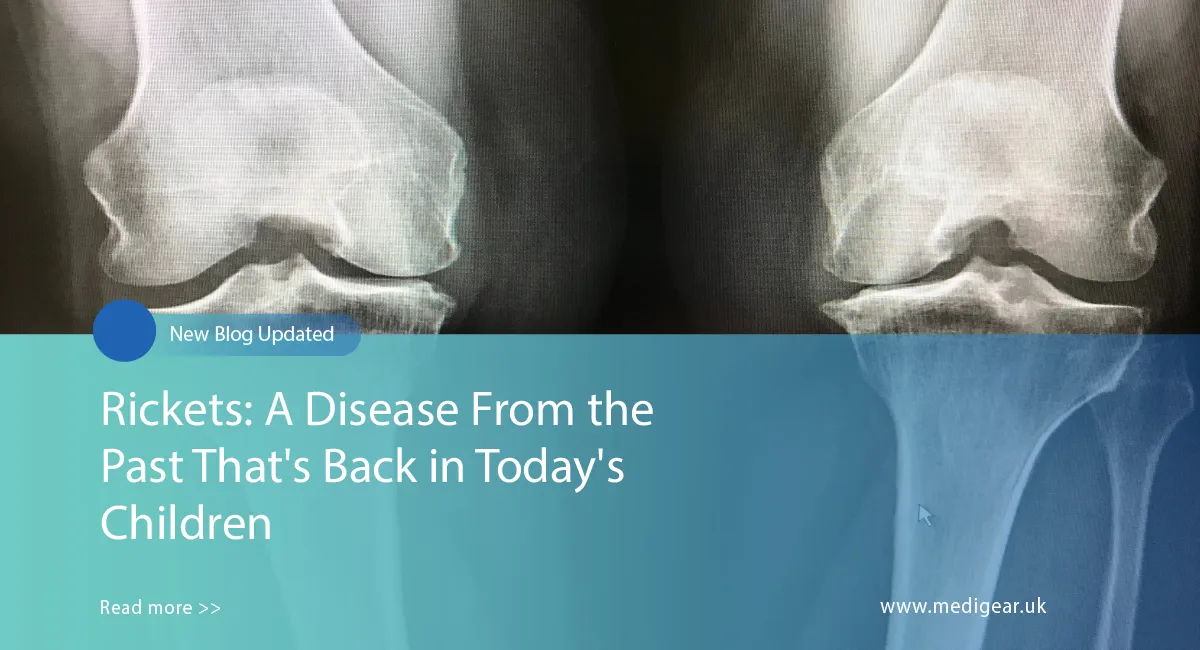
The doctor looked at the X-ray twice. Bowed legs. Wide wrists. A chest that flared at the ribs like a string of beads pressed under the skin. She had seen it in textbooks but never in person. Not in this century. Not in a city with supermarkets on every corner and sunlight that — at least in summer — pours through windows for free. But there it was. Rickets. In a three-year-old boy who had never been outside without a coat and had never tasted anything that was not beige.
Rickets is supposed to be a disease of the past. Victorian slums. Workhouse children. Black-and-white photographs of bent bones and swollen joints. The idea that it still exists in modern Britain feels wrong — like a glitch in the timeline. But hospital admissions for rickets in UK children have risen sharply over the past two decades. The disease is not coming back. It never fully left. It just moved from crowded factories to curtained living rooms and from malnutrition to modern diets stripped of the one vitamin that bones cannot grow without.
This guide explains rickets with the honesty it needs. What happens to growing bones when vitamin D runs out, why it is rising in a country with free healthcare and food everywhere, who carries the highest risk, how diagnosis works, and how the right clinical tools help catch it before a child's skeleton pays the price. Medigear supplies certified diagnostic equipment to hospitals and clinics across the UK — because rickets is a disease that no child in this country should still be getting.
What Rickets Does to Growing Bones
Rickets is a bone disease caused by a lack of vitamin D, calcium, or phosphate — the raw materials that growing bones need to harden properly. Without enough vitamin D, the body cannot absorb calcium from food. Without calcium, new bone tissue stays soft instead of turning solid. The result is bones that bend under the weight of a growing child — bowing at the legs, widening at the wrists, swelling at the rib junctions, and weakening across the entire skeleton. In severe cases, rickets causes fractures, growth delays, dental problems, muscle weakness, and seizures from dangerously low calcium levels.
The Vitamin D Problem
Vitamin D is the key. The body makes it when sunlight hits the skin — specifically UVB rays that trigger production in the deeper skin layers. In the UK, sunlight is only strong enough to make vitamin D between roughly April and September. During the rest of the year, the angle of the sun is too low for UVB to reach the ground in useful amounts. That means every person in the UK — adult and child — depends on stored vitamin D from summer, food sources, or supplements to get through the darker months. Children who miss all three run out.
Who Is Most at Risk
The children most at risk are the ones who get the least sun and the least vitamin D from food. Dark-skinned children need more sun exposure to make the same amount of vitamin D as light-skinned children — their melanin blocks more UVB. Children who stay indoors most of the day — because of screen habits, safety fears, or cultural practice — miss the sun entirely. Breastfed babies whose mothers are vitamin D deficient receive too little through milk. Children on restricted diets — whether through allergy, fussy eating, or poverty — miss the fortified foods and oily fish that provide dietary vitamin D. And children in northern cities with long winters and short days carry the highest risk simply because geography works against them.
The Symptoms Nobody Connects
The symptoms of rickets develop slowly and hide behind complaints that parents and doctors often attribute to normal childhood. A toddler who walks late or clumsily. A child whose legs bow outward or knock inward as they grow. Wrists that look thick. A chest that flares at the rib line. Teeth that come through late, crooked, or weak. Muscles that feel floppy. Bones that ache. Irritability that nobody can explain. By the time the shape of the legs catches a parent's eye, the bone damage has been building for months. Rickets does not announce itself. It bends quietly until someone notices.
Diagnosis
Diagnosis starts with blood tests that any GP surgery can run. Serum vitamin D, calcium, phosphate, and alkaline phosphatase levels paint the biochemical picture. Low vitamin D with high alkaline phosphatase is the classic pattern. X-rays of the wrists and knees show the bone changes — widened growth plates, cupping at the ends of long bones, and the fuzzy, frayed appearance that tells a radiologist the bone is not mineralising properly. For clinics managing paediatric screening, our guide to portable X-ray machines for small clinics covers the imaging equipment that supports rickets detection in settings where hospital referral would delay diagnosis.
Treatment
Treatment for nutritional rickets is straightforward and effective. High-dose vitamin D supplements — given daily or as a single large dose — replenish the missing nutrient. Calcium supplements follow if blood levels are low. Dietary changes add vitamin D-rich foods — oily fish, eggs, fortified cereals, and fortified milk. With proper treatment, blood levels normalise within weeks. Bone changes take longer — months to a year — but most children recover fully if treatment starts before permanent deformity sets in. The earlier the catch, the better the outcome. Delay costs bones.
Prevention
Prevention is simpler, cheaper, and kinder than treatment. The UK government recommends vitamin D supplements for all children from birth to age four — and for all breastfed babies from birth regardless of the mother's status. Most infant formula is already fortified. Daily drops cost pennies. Yet uptake remains shockingly low — particularly in the communities where rickets risk is highest. A supplement that costs less than a bag of crisps could prevent a disease that bends a child's legs and weakens their skeleton for life. The failure is not medical. It is communication, access, and habit.
Maternal Vitamin D
Maternal vitamin D status during pregnancy shapes the child's bone health before birth. A mother who is deficient passes that deficit to her baby — who arrives with low stores and starts life already behind. Antenatal screening for vitamin D and supplementation during pregnancy protect both mother and child. For clinics managing womens health alongside paediatric care, our guide to PCOS symptoms, risks and diagnosis covers the hormonal and metabolic screening pathways that overlap with pregnancy care in ways that benefit both conditions.
Genetic Rickets
Rickets is not just a vitamin D story. Rare genetic forms — inherited disorders of vitamin D metabolism or phosphate handling — cause rickets that does not respond to standard supplements. These children need specialist referral, genetic testing, and targeted treatment that goes beyond what a GP can provide. Recognising that a child with rickets is not improving on standard treatment is the clinical trigger for deeper investigation. Not every case of rickets is nutritional. But most are — and the nutritional ones are entirely preventable with simple steps.
The Social Roots
The social roots of rickets in modern Britain run deeper than most health campaigns acknowledge. Poverty limits food choice. Housing quality limits outdoor play. Screen culture limits time in sunlight. Cultural dress codes limit skin exposure. Fear of skin cancer drives excessive sun protection in some families. And the underfunding of health visiting services means the parents who most need supplement advice are the ones least likely to receive it. Rickets in modern Britain is not a failure of individual parents. It is a failure of systems that should catch what families cannot.
Screening
School and nursery screening for vitamin D status does not exist in the UK — but the case for it is growing. Routine blood checks at entry could identify children at risk before symptoms develop, allowing supplement advice and dietary support to reach families at the point when it matters most. The cost of screening is a fraction of the cost of treating established rickets — and the human cost of preventable bone deformity in a child should be reason enough.
Rickets and Dental Health
Rickets and dental health are linked in ways that most parents do not connect. Vitamin D and calcium are essential for tooth formation. Children with rickets often develop delayed, malformed, or weak teeth that are prone to decay. Dental problems may be the first visible sign of rickets. Dentists sit in the front row for spotting this — catching what medical services have missed.
Linked Clinical Needs
Our guide to hypertension explains how blood pressure monitoring supports cardiovascular screening in children where metabolic and nutritional conditions overlap — because the clinical habits that catch one deficiency often catch others when the right tools are in place.
Why Choose Medigear
Medigear supplies certified diagnostic equipment — including X-ray systems, blood testing devices, and clinical monitoring tools — to hospitals, paediatric clinics, and GP surgeries across the UK. Whether you are building a paediatric screening service, upgrading imaging for bone assessment, or equipping a community health clinic, our team matches the right tools to your clinical need. Reach out to our team directly for guidance built around the diagnostic clarity that growing children deserve.
Conclusion
Rickets is a disease that belongs in a history book. Bowed legs and soft bones in a country with free healthcare, fortified food, and supplements that cost pennies should not exist. But they do — because the children who need protection most are the ones least likely to get it. A vitamin D drop. A few minutes of sunlight. A diet with one piece of oily fish a week. That is all it takes to stop a disease that bends a child's skeleton before they are old enough to understand what is happening to them. Medigear stands alongside paediatric clinics with certified diagnostic equipment and the honest guidance that early detection demands. Speak to our team today and help catch what prevention should have stopped.
⚠️ This post is for general information only. We do not sell medications or provide prescriptions — Medigear.uk is a medical equipment supplier only.