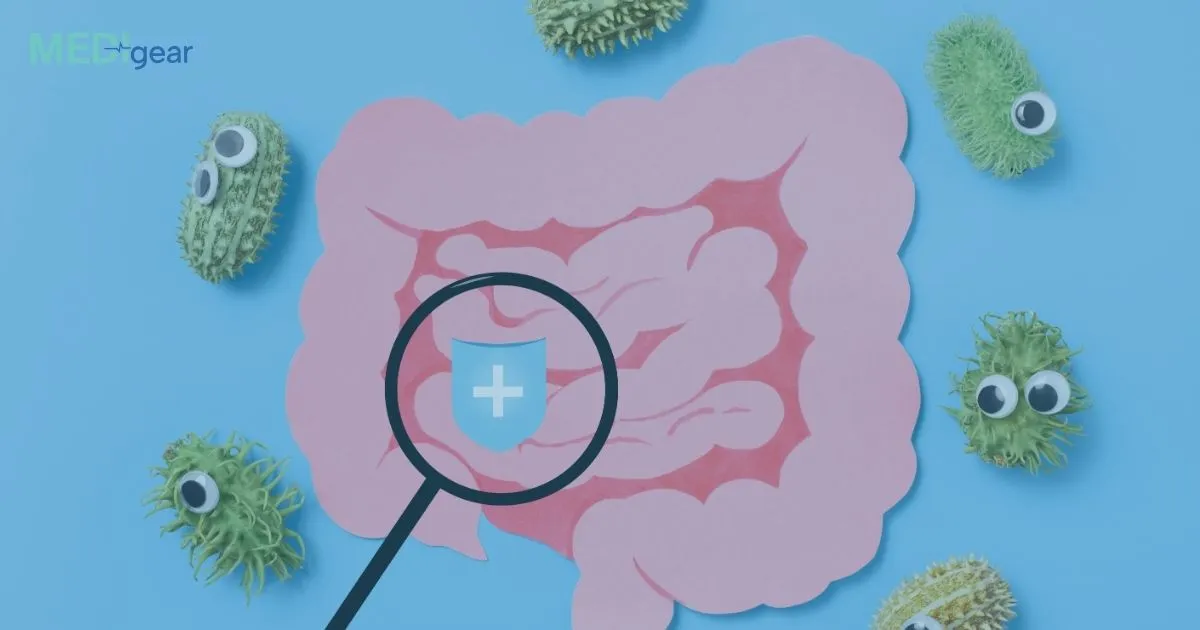
The gut microbiome is a community of trillions of microorganisms that live inside your digestive tract. These tiny organisms include bacteria, fungi, and viruses. Although small, they play a big role in digestion, immunity, metabolism, and even mood. Understanding the gut microbiome helps you make healthier lifestyle choices and improve overall wellbeing.
What Is the Gut Microbiome?
The gut microbiome refers to all the microorganisms living in your intestines.
Most of these microbes are friendly and help the body perform essential functions.
They start developing from birth and continue to change based on diet, lifestyle, environment, and health conditions.
Why the Gut Microbiome Is Important
1. Helps with Digestion- Good bacteria break down food, absorb nutrients, and support smooth digestion.
2. Supports Immunity- About a large portion of the body’s immune system is connected to the gut.
A healthy microbiome helps defend against harmful germs.
3. Influences Mood and Brain Function- The gut and brain are linked through the gut brain axis.
The microbiome helps produce neurotransmitters that affect mood and stress levels.
4. Affects Metabolism and Weight- Gut bacteria help the body process energy from food.
An imbalanced microbiome may influence weight gain or difficulty losing weight.
5. Helps Manage Inflammation- A balanced microbiome prevents unnecessary inflammation in the body.
What Can Affect the Gut Microbiome?
Many factors can change the balance of good and bad bacteria in the gut.
1. Diet- A diet high in processed foods and low in fibre can reduce healthy gut bacteria.
2. Stress- Chronic stress affects digestion and disturbs microbial balance.
3. Sleep- Poor sleep quality can negatively impact the microbiome.
4. Medications- Some medicines may kill both good and bad bacteria.
5. Age- The microbiome naturally changes throughout life.
6. Infections- Certain infections can reduce the number of healthy microbes.
Signs of an Unhealthy Gut Microbiome
-
Bloating
-
Gas
-
Constipation or diarrhoea
-
Frequent infections
-
Low energy
-
Skin issues
-
Mood changes
These symptoms can have many causes, but gut health plays an important role.
How to Support a Healthy Gut Microbiome
1. Eat High-Fibre Foods- Fruits, vegetables, whole grains, and legumes support good bacteria.
2. Include Fermented Foods- Yogurt, kefir, kimchi, and similar foods provide beneficial microbes.
3. Stay Hydrated- Water helps digestion and supports microbial balance.
4. Reduce Sugar and Processed Foods- These can feed harmful bacteria.
5. Sleep Well- Good sleep helps maintain gut balance.
6. Manage Stress- Relaxation exercises improve gut function.
7. Be Physically Active- Regular movement supports good digestion and healthy bacteria.
Why Understanding the Gut Microbiome Matters
Knowing how the gut microbiome works helps you make informed choices about food, lifestyle, and health.
A balanced gut supports energy, immunity, digestion, mental health, and long-term wellbeing.