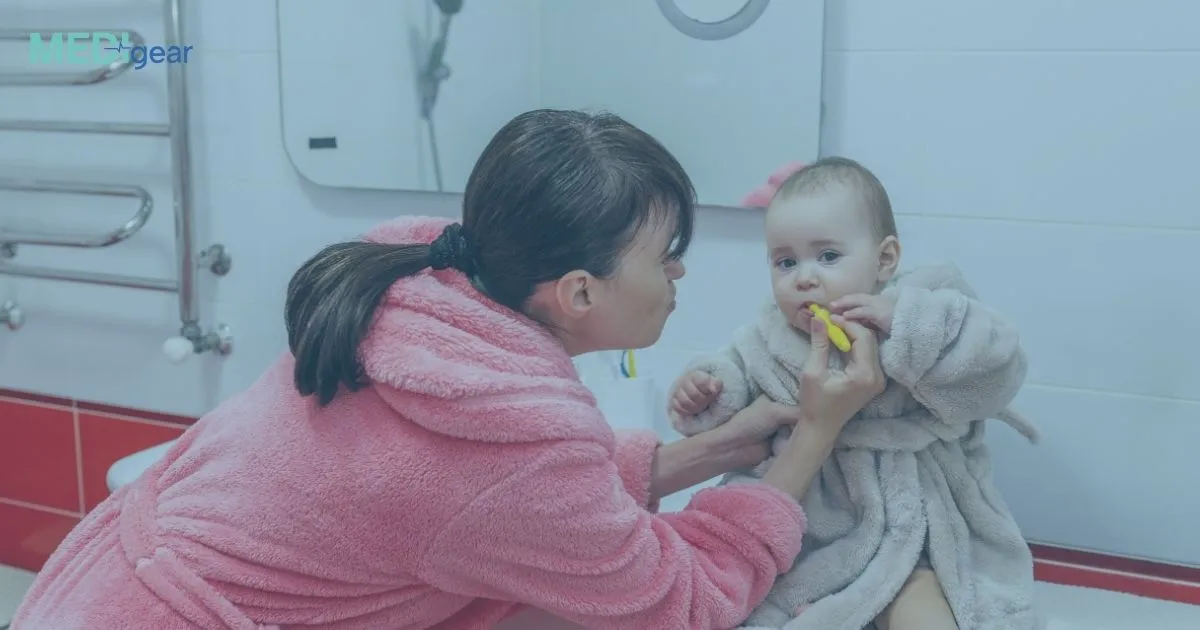
Teething discomfort is the pain and irritation that babies feel when their first teeth start coming out through the gums. This is a normal part of growth, but it can make babies restless, fussy, and uncomfortable. Teething usually begins between 4 to 7 months of age, although the exact time may be different for every child. During teething, the gums become sensitive and swollen as the teeth push through the surface. This can cause mild pain, drooling, and sleep problems. Parents often worry when babies cry more than usual during this stage. Health awareness sources such as medigear.uk explain that teething discomfort is natural and can be managed with simple care at home.
What is teething
Teething is the process in which a baby’s first teeth, also called milk teeth, start to appear through the gums. Most children get their first tooth in the lower front area, followed by the upper front teeth.
Babies usually develop 20 milk teeth, and the teething process may continue until about 2 to 3 years of age.
Why teething causes discomfort
Teething can cause pain because the tooth pushes through the gum tissue. This creates pressure and inflammation in the gums.
Common reasons for teething discomfort include
-
swelling of gums
-
irritation of nerve endings
-
increased saliva production
-
pressure from growing teeth
These changes can make the baby feel uneasy and irritable.
Common symptoms of teething discomfort
Teething symptoms may be mild or moderate. Common signs include
-
swollen or red gums
-
excessive drooling
-
desire to chew on objects
-
irritability or crying
-
difficulty sleeping
-
loss of appetite
-
mild fever
-
rubbing cheeks or ears
Some babies show very few symptoms, while others may feel more discomfort.
According to child care guidance shared on medigear.uk, teething does not usually cause high fever or severe illness. If strong symptoms appear, medical advice may be needed.
When teething usually starts
Most babies begin teething between
-
4 to 7 months first tooth
-
8 to 12 months front teeth complete
-
12 to 18 months molars begin
-
2 to 3 years full set of milk teeth
Timing may vary and late teething can also be normal.
How to relieve teething discomfort
Parents can use simple and safe methods to reduce pain.
- Give a clean teething ring
- Gently massage the gums with clean finger
- Use a cold spoon or chilled teething toy
- Keep the baby dry to avoid skin irritation from drooling
- Offer soft foods if the baby has started eating solids
- Keep the baby calm and comforted
Cold objects help reduce swelling and soothe the gums.
Guidance available on medigear.uk also recommends using safe and approved baby care products during the teething stage.
Remedies that should be avoided
Some methods may be unsafe for babies.
- Do not give strong medicines without doctor advice
- Do not use alcohol on gums
- Avoid very hard objects for chewing
- Do not ignore high fever or severe crying
Always choose safe and gentle care methods.
When to see a doctor
Medical advice is needed if
-
fever is high
-
baby refuses to eat completely
-
diarrhea continues
-
severe swelling occurs
-
baby looks very weak or sick
Teething discomfort is usually mild, so strong symptoms may be due to another illness.
Tips for parents during teething
- Stay patient and calm
- Clean the baby’s mouth regularly
- Wash teething toys properly
- Give extra comfort and attention
- Maintain proper nutrition
- Keep regular health checkups
Parent education resources such as medigear.uk also encourage regular dental care from early childhood to keep teeth healthy.
Conclusion
Teething discomfort is a normal part of a baby’s development and happens when the first teeth grow through the gums. It may cause irritation, drooling, and sleep problems, but it can be managed with simple home care. Understanding the symptoms and using safe remedies can help parents handle this stage with confidence. Health guidance shared by medigear.uk also supports gentle care and early attention to oral health during teething.