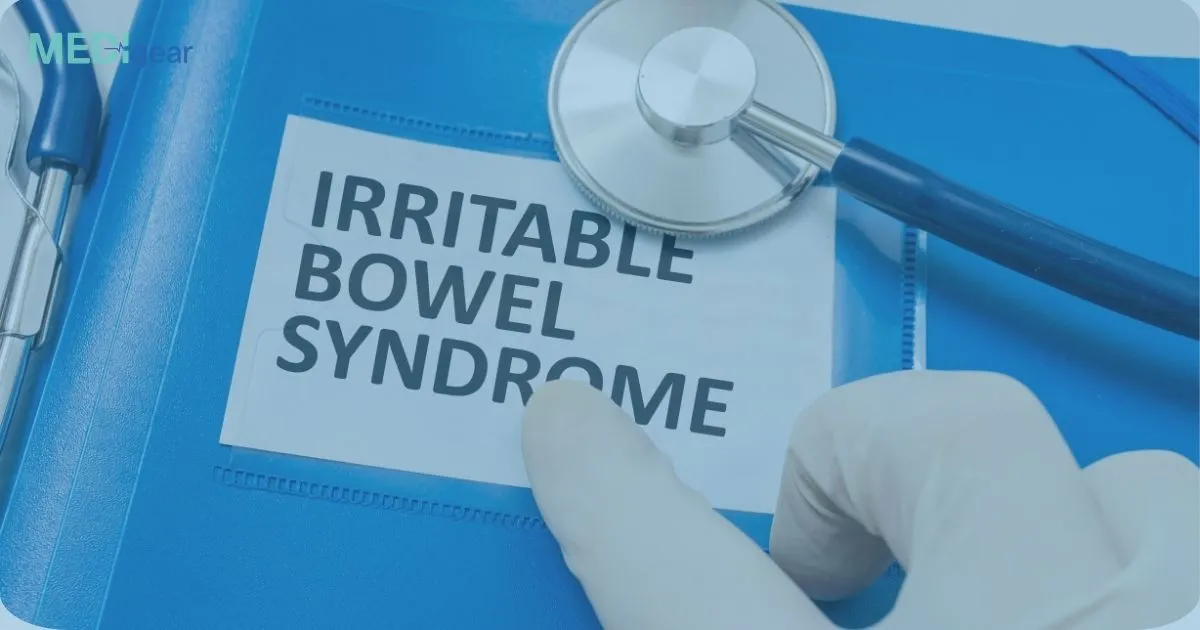
Irritable Bowel Syndrome (IBS) is a common digestive disorder that affects the large intestine. It causes recurring abdominal discomfort, bloating, gas, and changes in bowel habits such as diarrhea, constipation, or a mix of both. Although IBS can be uncomfortable and disrupt daily life, it does not damage the digestive tract or increase the risk of serious diseases. With the right management, most people can keep symptoms under control.
What Causes IBS?
The exact cause of IBS is not fully known, but experts believe it results from a combination of factors:
-
Gut–brain communication problems: The nerves in the intestine may be extra sensitive, leading to pain or irregular bowel movements.
-
Stress and emotional triggers: Stress, anxiety, and hormonal changes can worsen symptoms.
-
Gut motility issues: The muscles of the intestine may contract too fast (causing diarrhea) or too slow (causing constipation).
-
Changes in gut microbiota: An imbalance of healthy gut bacteria may contribute.
-
Food intolerance or sensitivity: Certain foods can trigger symptoms, especially in sensitive individuals.
Common Symptoms of IBS
People with IBS may experience:
-
Abdominal pain or cramps
-
Bloating and excessive gas
-
Diarrhea, constipation, or both
-
Mucus in the stool
-
A feeling of incomplete bowel movement
-
Symptoms that improve after passing stool
Symptoms often come and go, and flare-ups may last for days or weeks.
Types of IBS
Doctors classify IBS based on the main bowel habit:
-
IBS-D: Predominantly diarrhea
-
IBS-C: Predominantly constipation
-
IBS-M: Mixed type (both diarrhea and constipation)
-
IBS-U: Unclassified
Knowing your type helps guide diet and treatment.
How Is IBS Diagnosed?
IBS is diagnosed based on symptoms and by ruling out other conditions. Doctors commonly use:
-
Medical history and physical exam
-
Blood tests or stool tests
-
Colonoscopy (only when needed)
-
Imaging tests to rule out other issues
There is no single test for IBS; diagnosis is based on patterns of symptoms.
Treatment and Management of IBS
1. Dietary Changes
Many people notice improvement by adjusting their diet:
-
Avoid foods that trigger symptoms such as caffeine, fatty foods, carbonated drinks, and processed foods.
-
Eat more fiber (especially soluble fiber) for IBS-C.
-
Reduce high-FODMAP foods if recommended by a healthcare provider.
2. Lifestyle and Stress Management
-
Regular physical activity
-
Meditation, breathing exercises, or yoga
-
Adequate sleep
-
Maintaining a routine for meals and bowel habits
3. Medications (Prescribed by Doctors Only)
-
Antispasmodics for abdominal pain
-
Laxatives for constipation
-
Anti-diarrheal medications
-
Probiotics
-
In some cases, medicines that help regulate gut–brain interaction
4. When to See a Doctor
Seek help if you notice:
-
Weight loss
-
Bleeding
-
Severe or worsening pain
-
Symptoms that interrupt daily life
Living with IBS: Practical Tips
-
Keep a food diary to identify triggers
-
Eat smaller, more frequent meals
-
Drink enough water
-
Avoid skipping meals
-
Learn stress-relief practices
-
Join support groups for better coping strategies
With consistent management, most individuals lead a normal and active life.