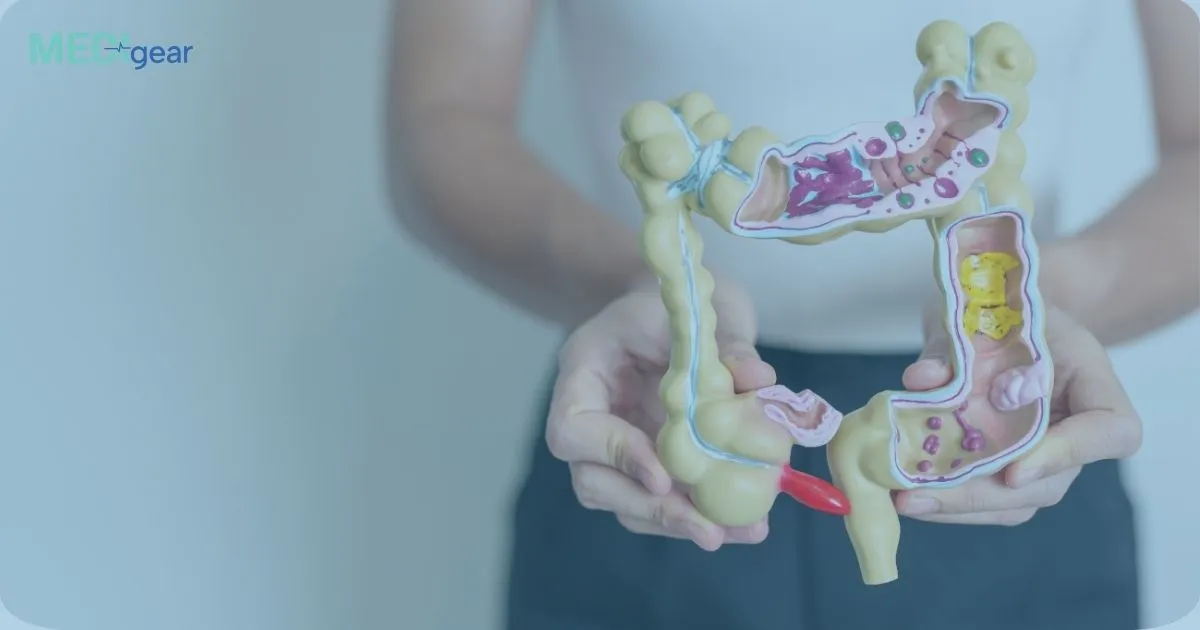
Inflammatory Bowel Disease (IBD) is a group of chronic conditions that cause long-lasting inflammation in the digestive tract. The two main types are Crohn’s disease and Ulcerative colitis. Unlike Irritable Bowel Syndrome (IBS), which does not cause tissue damage, IBD can lead to swelling, ulcers, and structural changes in the gastrointestinal (GI) tract.
IBD is a lifelong condition. Symptoms may flare up and then settle down, but with proper treatment and lifestyle management, many people live healthy, active lives.
Types of IBD
1. Crohn’s Disease
-
Can affect any part of the digestive tract, from mouth to anus
-
Often affects the small intestine and the first part of the large intestine
-
Inflammation can occur in multiple layers of the bowel wall
2. Ulcerative Colitis
-
Affects only the large intestine (colon and rectum)
-
Involves continuous inflammation of the inner lining of the colon
What Causes IBD?
The exact cause is unknown, but research suggests it involves:
-
Immune system overreaction: The body mistakenly attacks healthy cells in the gut.
-
Genetics: Family history increases risk.
-
Gut microbiome imbalance: Changes in gut bacteria may trigger inflammation.
-
Environmental factors: Diet, smoking, pollution, and infections can aggravate symptoms.
IBD is not caused by stress or food alone, though these may worsen a flare.
Common Symptoms of IBD
-
Abdominal pain and cramping
-
Persistent diarrhea
-
Blood in stool
-
Unexplained weight loss
-
Fatigue
-
Fever during flare-ups
-
Urgency to pass stool
-
Reduced appetite
Symptoms depend on whether Crohn’s disease or ulcerative colitis is present.
How IBD Is Diagnosed
Doctors use a combination of tests to confirm IBD:
-
Medical history and physical exam
-
Blood tests and stool tests
-
Endoscopy or colonoscopy
-
CT or MRI scans
-
Biopsy of intestinal tissue
Diagnosis helps determine the type and severity of inflammation.
Treatment and Management of IBD
IBD treatment focuses on reducing inflammation, controlling symptoms, and preventing complications.
1. Medications
-
Anti-inflammatory drugs
-
Immune system suppressors
-
Biologic therapies
-
Antibiotics (in selected cases)
-
Anti-diarrheal or pain-relief medicines (as advised by doctors)
2. Nutrition and Diet
Diet doesn’t cause IBD but can influence symptoms. Helpful steps include:
-
Eating smaller, frequent meals
-
Avoiding trigger foods during a flare (spicy, greasy, high-fiber foods)
-
Staying hydrated
-
Working with a dietitian for personalized plans
3. Lifestyle Changes
-
Stress management techniques
-
Adequate sleep
-
Regular physical activity
-
Avoiding smoking
4. Surgery
Some people may need surgery if medications do not help or complications occur. Surgery may remove damaged sections of the intestine or treat complications such as strictures or fistulas.
Living with IBD: Practical Tips
-
Track symptoms and flare patterns
-
Maintain follow-ups with your doctor
-
Don’t ignore severe or new symptoms
-
Plan a balanced diet tailored to your condition
-
Seek mental and emotional support when needed
With the right care, most people can manage IBD well and maintain a good quality of life.