
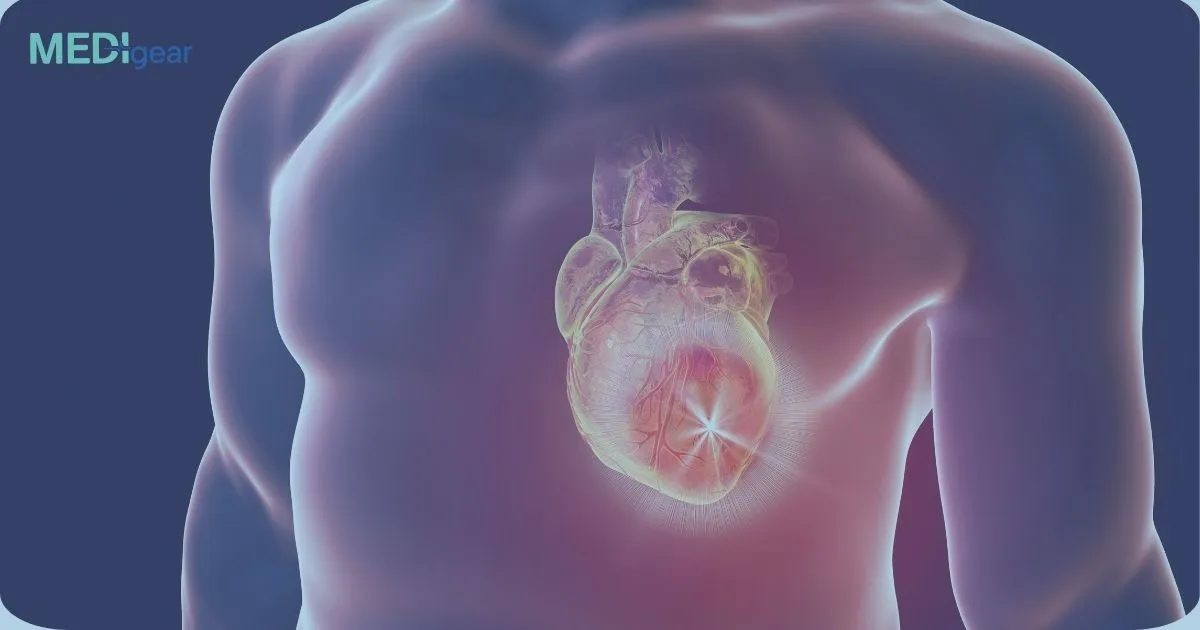
Arrhythmia is a condition where the heart does not beat in a normal rhythm. Instead of beating steadily, the heart may beat too fast, too slow, or irregularly. These changes can be harmless for some people, while for others they may signal a serious heart problem that needs medical attention.
Understanding arrhythmia is important because early detection helps prevent complications like stroke or heart failure.
How a Normal Heart Rhythm Works
The heart has an electrical system that controls how it beats. This electrical signal tells the heart when to squeeze and pump blood.
A healthy heart usually beats 60 to 100 times per minute at rest.
When something disrupts this electrical system, the rhythm becomes irregular and results in arrhythmia.
Types of Arrhythmias
Arrhythmias can be grouped into three main types:
1. Tachycardia
The heart beats faster than normal (over 100 beats per minute at rest).
2. Bradycardia
The heart beats slower than normal (below 60 beats per minute).
3. Irregular Heart Rhythms
The heart beats in an uneven pattern, such as:
-
Atrial fibrillation
-
Premature beats
-
Atrial flutter
-
Ventricular arrhythmias
Some arrhythmias are mild and temporary, while others can be dangerous.
Common Symptoms of Arrhythmia
Arrhythmia does not always cause symptoms, but many people notice changes such as:
-
Feeling the heart “skipping beats”
-
Fast or slow heartbeat
-
Chest discomfort
-
Dizziness
-
Shortness of breath
-
Fatigue
-
Light-headedness
If symptoms are sudden or severe, medical attention is important.
What Causes Arrhythmia
Several factors can disturb the heart’s electrical system:
-
High blood pressure
-
Heart disease
-
Stress or anxiety
-
Thyroid problems
-
Smoking
-
Excess caffeine
-
Alcohol use
-
Certain medications
-
Electrolyte imbalance
-
Sleep apnea
In some cases, the cause may be unknown.
How Arrhythmia Is Diagnosed
Doctors may use several tests to examine heart rhythm:
-
Electrocardiogram (ECG)
-
Holter monitor (24-hour ECG)
-
Echocardiogram
-
Blood tests
-
Stress tests
These help identify the type of arrhythmia and how serious it is.
Treatment Options for Arrhythmia
Treatment depends on the type and severity of the condition. Common options include:
Medication
Helps control heart rate and rhythm.
Lifestyle changes
Useful for mild arrhythmias, including reducing stress, lowering caffeine, and improving sleep.
Medical procedures
Such as:
-
Electrical cardioversion
-
Catheter ablation
-
Pacemaker implantation
-
Implantable cardioverter defibrillator (ICD)
The goal is to restore normal rhythm and prevent complications.
Can Arrhythmia Be Prevented
While not all arrhythmias can be prevented, many lifestyle habits reduce risk:
-
Keeping blood pressure and cholesterol under control
-
Eating a heart-healthy diet
-
Exercising regularly
-
Avoiding smoking
-
Limiting alcohol and caffeine
-
Managing stress
-
Getting good sleep
Regular checkups help detect rhythm problems early.
Key Takeaway
Arrhythmia is an irregular heartbeat that may be harmless or serious depending on the type. Understanding symptoms, causes, and treatment options helps people stay informed and seek help when needed. With early evaluation and healthy lifestyle choices, many arrhythmias can be managed effectively.