Acute Respiratory Distress Syndrome (ARDS) is a serious lung condition in which the lungs become severely inflamed and filled with fluid. This makes it very hard for oxygen to enter the bloodstream. ARDS usually develops in people who are already very sick or who have experienced a major injury or infection.
It is a medical emergency and requires immediate treatment in a hospital, often in an intensive care unit.
What Happens in ARDS?
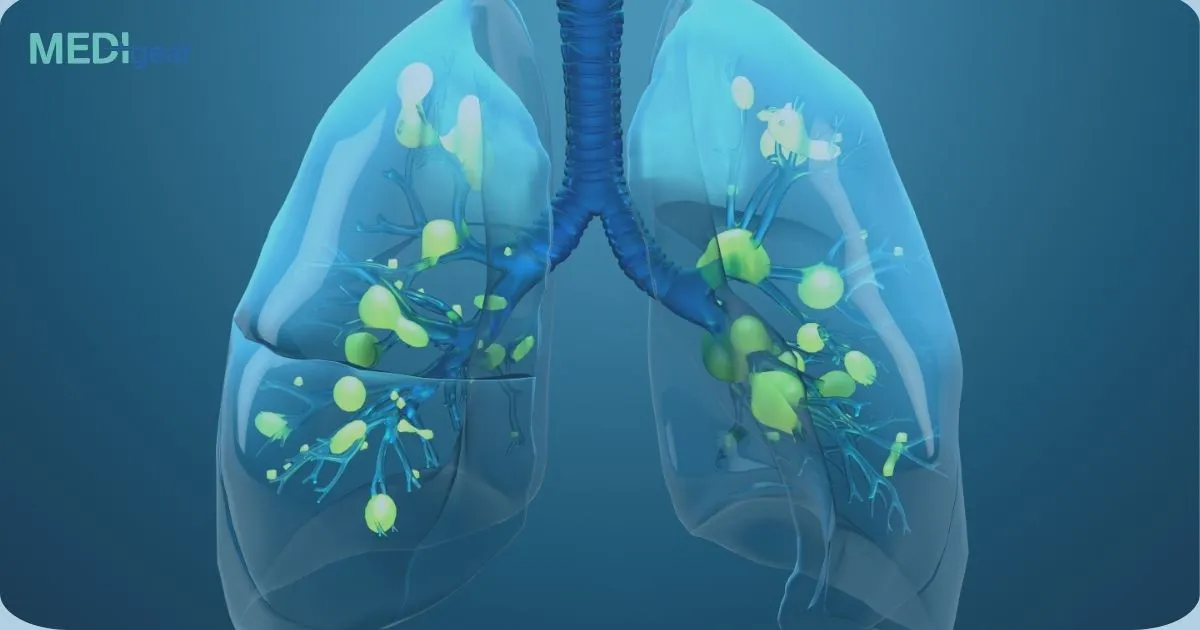
In ARDS, the tiny air sacs in the lungs (called alveoli) become damaged and filled with fluid. Because of this:
-
Oxygen cannot pass easily into the blood
-
Breathing becomes difficult and fast
-
The body receives less oxygen than it needs
This leads to respiratory failure if not treated quickly.
Common Causes of ARDS
ARDS does not happen on its own. It usually develops due to a major health problem such as:
1. Severe Pneumonia
Lung infections can cause intense inflammation that spreads throughout the lungs.
2. Sepsis
A life-threatening infection in the bloodstream can trigger widespread inflammation and damage the lungs.
3. Serious Injury
Chest injuries from accidents, burns, or trauma can lead to fluid buildup in the lungs.
4. Inhalation of Harmful Substances
Breathing in smoke, toxic fumes, or vomit can irritate and injure the lungs.
5. Severe COVID-19 or Viral Infections
Certain viral infections can cause strong inflammatory reactions in the lungs.
6. Pancreatitis
Inflammation of the pancreas can release chemicals that injure lung tissue.
7. Blood Transfusions (rare)
Multiple transfusions may sometimes trigger lung inflammation.
Symptoms of ARDS
Symptoms usually appear within hours or days after the triggering illness or injury:
-
Severe shortness of breath
-
Fast, shallow breathing
-
Low oxygen levels
-
Bluish lips or fingertips
-
Fatigue and confusion
-
Coughing
-
Rapid heart rate
These symptoms require immediate medical attention.
How ARDS Is Diagnosed
Doctors use several tests to diagnose ARDS and rule out other conditions:
-
Chest X-ray or CT scan
-
Blood oxygen level tests
-
Lung function assessment
-
Medical history and physical exam
-
Tests to identify the underlying cause (infection, injury, etc.)
There is no single “ARDS test,” so diagnosis depends on symptoms, imaging, and exclusion of other causes.
Treatment and Management of ARDS
ARDS treatment focuses on supporting breathing and treating the underlying cause.
1. Oxygen Therapy
Most patients need high levels of oxygen to maintain adequate blood oxygen.
2. Mechanical Ventilation
In severe cases, a ventilator helps the lungs rest and heal.
3. Treating the Underlying Cause
This may include antibiotics for infections, fluids, medications, or procedures depending on the illness or injury.
4. Fluid Management
Doctors carefully balance fluids to prevent extra fluid from worsening the lungs.
5. Nutrition and Supportive Care
Patients often need nutritional support and close monitoring in an intensive care setting.
6. Rehabilitation
After recovery, breathing exercises and physical therapy help rebuild strength and lung capacity.
Complications of ARDS
If not managed properly, ARDS may lead to:
-
Lung scarring
-
Long-term breathing problems
-
Weakness and fatigue
-
Increased risk of infections
Early treatment improves survival and recovery outcomes.
Can ARDS Be Prevented?
While ARDS cannot always be prevented, reducing the risk of infections, avoiding smoking, managing chronic diseases, and seeking early treatment for pneumonia or severe illness can lower the chances.