A New Mother Learns a New Tool
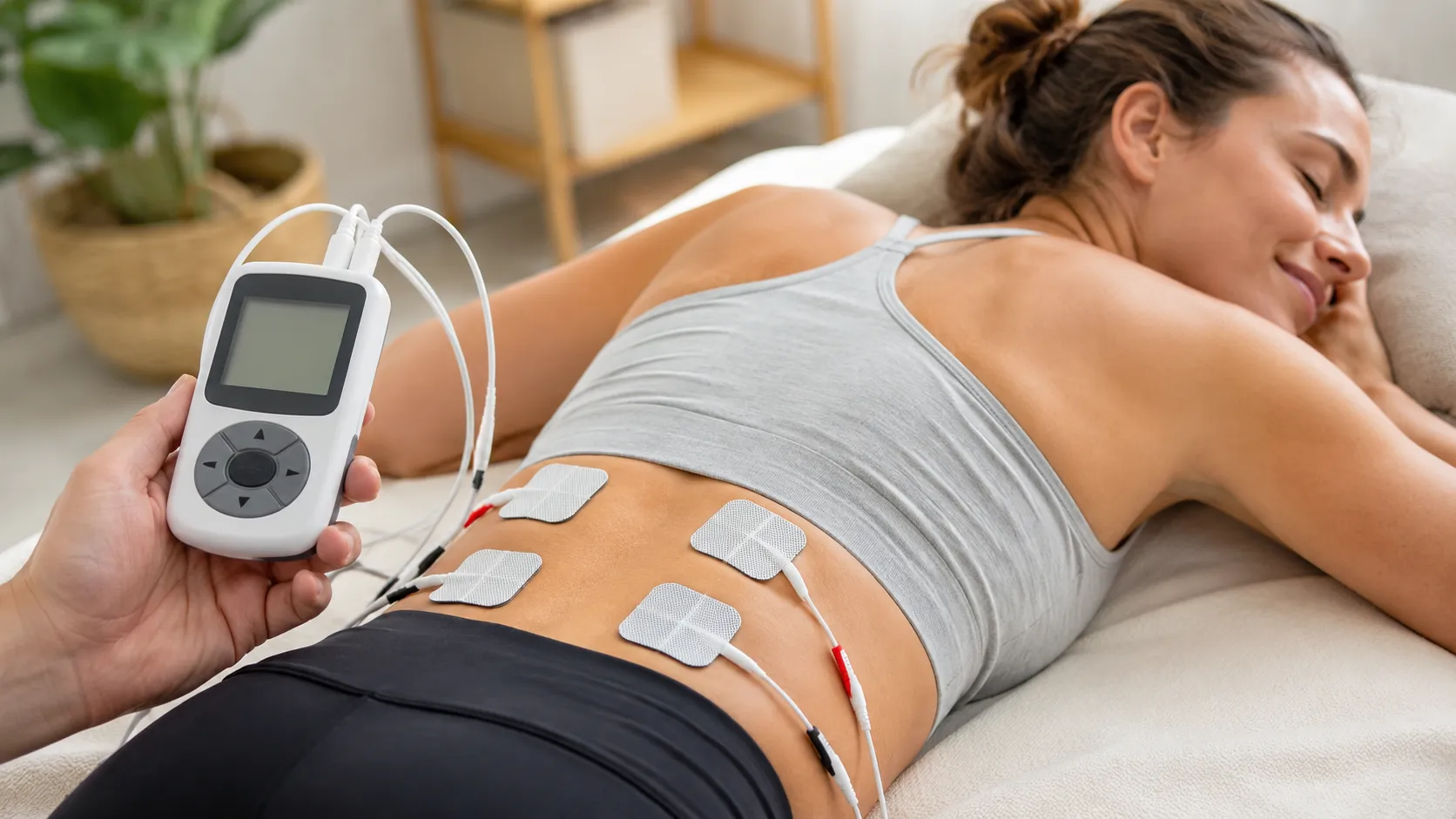
A woman in early labour breathes through a contraction. A midwife hands her a small device with two wires. Sticky pads sit on her lower back. She presses a button. A mild tingling spreads across her skin. The intensity rises as she turns a dial. This is a TENS machine. It stands for transcutaneous electrical nerve stimulation. Midwives, physiotherapists, and pain clinics use it every day. It appears across a wide range of clinical settings. Understanding how a TENS machine works helps clinical buyers and procurement teams choose well. Buyers sourcing this gear through the Medigear.uk buyer portal can compare TENS machine options from a wide range of suppliers.
What Is a TENS Machine
A TENS machine is a small battery-powered device. It sends mild electrical pulses through the skin. These pulses travel through electrodes placed on or near the painful area. The unit itself is compact. It often clips onto a belt. Some fit in a pocket instead. Wires connect the unit to sticky pads called electrodes. Most units offer adjustable intensity and pulse settings. Some let the user change the pulse frequency, too. A control panel shows the current settings clearly. Rechargeable and disposable battery models are both common. Many clinical units include preset programmes for specific conditions. A TENS machine differs from other stimulation devices. It targets nerve pathways rather than muscle contraction directly. This distinction shapes how and where the device gets used. It varies across different clinical settings and patient groups.
How Does a TENS Machine Actually Relieve Pain
A TENS machine works through two main theories. The first is called the gate control theory. Electrical pulses stimulate large nerve fibres near the skin surface. This activity may block pain signals travelling toward the brain. Those signals normally travel along smaller nerve fibres. The result can feel like reduced pain in that area. The second theory involves natural pain-relieving chemicals. Some settings may prompt the body to release endorphins. These are chemicals the body makes that can ease pain. Low-frequency settings often link to this effect. High-frequency settings link more closely to the gate control effect. Neither theory fully explains every patient response. Results vary between individuals and conditions. This is why clinicians often encourage patients to try different settings before settling on one. A trained clinician can help match the settings to the pain type being treated. They can adjust intensity and frequency as the patient responds. Suppliers listing TENS machine units on Medigear.uk can reach physiotherapy and pain clinic procurement leads across the NHS and private sector.
What Conditions Might a TENS Machine Help With
Clinicians use a TENS machine for a range of pain types across many settings. Labour pain is one common use. This applies particularly in early stages, before other pain relief options are considered. Lower back pain is another frequent target area. Arthritis pain in joints such as the knee often responds well. Some patients use a TENS machine for period pain. Others use it for muscle strains or sports injuries. Chronic pain clinics sometimes include TENS as part of a broader pain management plan. It is generally viewed as a non-invasive, drug-free option. Patients can use it alongside other treatments. It should not replace medical advice or prescribed treatment, though. Clinicians remain the best source of guidance here. They can advise on whether TENS suits a particular patient and condition. Each patient responds differently. A trial period often helps confirm whether the approach brings real benefit.
How Should Electrode Pads Be Positioned
Electrode placement affects how well a TENS machine works. Pads are typically placed on either side of the painful area. Correct spacing between pads matters for effective stimulation. Pads placed too close together can reduce the treatment area covered. Pads placed too far apart may weaken the current between them. Skin must be clean and dry before pads are applied. Broken or irritated skin should be avoided entirely. Some conditions call for specific placement patterns taught during clinical training. Reusable gel pads need periodic replacement as the adhesive quality declines with use. Single-use pads offer a hygienic option for shared clinical equipment. Correct positioning is one of the most important factors here. It often decides whether a patient finds real benefit from the device. Clinicians often demonstrate placement during the first session. This helps patients repeat it confidently at home.
Who Should Avoid Using a TENS Machine
Certain groups need caution or should avoid TENS entirely. Patients with a pacemaker should not use TENS without specialist advice. The same applies to those with another implanted electrical device. Pregnant women should avoid using pads over the abdomen. This applies except under specific clinical guidance for labour. TENS should not sit over the front of the neck. It should not sit directly over the eyes either. Broken skin, rashes, or areas of reduced sensation are not suitable placement sites. People with epilepsy should seek clinical advice before use. This caution reflects the need for individual assessment rather than a blanket restriction. A clinician can weigh a patient's full medical history before recommending a TENS machine. This kind of careful assessment also applies to other diagnostic and monitoring tools. The Medigear.uk telemetry monitor guide covers a similar theme. Matching equipment to the patient remains equally important throughout treatment planning.
What Equipment Supports a Physiotherapy or Pain Clinic
A working clinic needs more than the TENS units on their own. Electrode pads come in various sizes for different body areas. Conductive gel improves contact where reusable pads are used. Spare leads and connector cables keep units ready between patients. Charging docks or battery stock keep devices powered throughout a busy clinic day. Storage cases protect units when not in use. Cleaning wipes suited to shared equipment support infection control between patients. Patient information leaflets help explain correct home use for take-home units. Departments handling children may need smaller pad sizes and adjusted settings. Consistent equipment quality across a clinic supports safe, effective treatment for every patient. Departments managing other chronic conditions face similar questions. The Medigear.uk guide to asthma and COPD equipment covers a related theme. Planning consistent equipment stock matters across any busy clinic. Well-organised storage also helps staff locate the right unit quickly during a busy session. This reduces delays between patient appointments. Suppliers offering TENS machine accessories through Medigear.uk gain direct access to hospital and distributor procurement teams across multiple regions.
Does Your Department Have the Right TENS Machine Setup
Departments differ in scale and focus. A general physiotherapy clinic may need a modest stock of standard units. A maternity unit may need units designed for labour use. These often need simple, clear controls for use during contractions. A chronic pain clinic may want units with a wider range of programmes and settings. Matching equipment to patient volume and clinical focus matters greatly. It avoids both underinvestment and wasted spend on unused features. The starting point is always a review of patient needs and referral numbers. Staff training requirements matter too. Reviewing this regularly helps departments keep pace with changing demand across different services. Medigear.uk distribution partners can help clinical teams assess their needs. They can also help source a fitting combination of TENS machine devices.
How Should a TENS Machine Be Maintained
Routine care keeps a TENS machine reliable. Batteries need regular checks and timely replacement. Leads should be inspected for fraying or loose connections before each use. Electrode pads lose adhesive quality over time. They need periodic replacement as a result. Units should be wiped down between patients following standard infection control steps. Software or firmware updates may apply to more advanced clinical models. Storing units in a dry, protected case extends their working life considerably. Staff training should be refreshed periodically. Correct setup affects both safety and treatment quality directly. A simple equipment log helps departments track battery changes and pad replacements. It also tracks any faults reported by staff. Hospitals that contact the Medigear.uk team can discuss maintenance planning for their TENS machine equipment.
Why Choose Medigear.uk for TENS Machine Equipment
Medigear.uk connects hospitals, clinics, and distributors with a broad supplier network. This network spans pain management and physiotherapy equipment. The platform covers TENS machine units and electrode pads. It also covers the full range of accessories that support ongoing clinical use. Procurement teams can compare specifications from multiple manufacturers without committing to a single source. Distributors gain access to a curated supplier directory spanning the United Kingdom, Europe, and beyond. Every listing on Medigear.uk meets the quality and compliance standards relevant to the UK market. The platform serves NHS trusts and private clinics. It also serves international buyers working across physiotherapy and pain management. Whether a department needs a full TENS machine stock or a single replacement part, the Medigear.uk marketplace makes the search simpler. Contact the Medigear.uk team to discuss your pain management equipment needs. They can help find the right supplier for your department.
Conclusion
A TENS machine offers a non-invasive, drug-free option for managing many types of pain, from labour and lower back pain to arthritis and muscle strains. Understanding how it works, where electrode pads should sit, and who should avoid using one helps clinical teams and patients get the most from the device safely. Reliable results depend on correct electrode placement, well-maintained equipment, and clinical guidance suited to each patient's condition. Procurement teams and distributors who understand what a physiotherapy or pain clinic needs are better placed to support safe, effective care. Contact Medigear.uk to explore TENS machine equipment options suited to your department.
⚠️ This article is published by Medigear.uk for general informational purposes only. It does not constitute medical advice or a product endorsement, and TENS should not replace prescribed treatment. Always consult qualified clinicians, physiotherapists, and manufacturer documentation when selecting, configuring, or recommending TENS machine equipment. Medigear.uk is a medical equipment distributor and does not sell medicines or pharmaceuticals.