
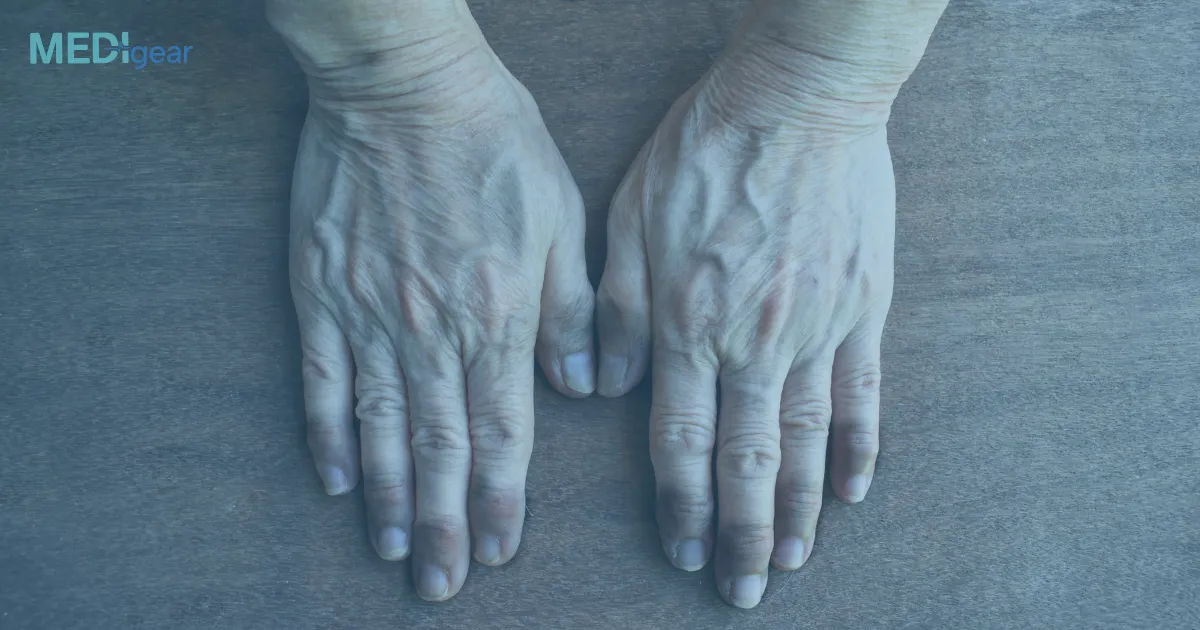
Cyanosis is a medical condition in which the skin, lips, or fingernails turn bluish or purplish due to insufficient oxygen in the blood. It is often a visible sign that the body is not receiving adequate oxygen, which may occur because of lung problems, heart disorders, or circulation issues.
Although cyanosis may sometimes appear temporarily in cold environments, persistent cyanosis can indicate a serious underlying illness requiring immediate medical attention.
What Is Cyanosis?
Cyanosis occurs when the level of oxygen in the blood drops significantly, causing the blood to appear darker and giving the skin a bluish color.
It commonly appears in areas where blood vessels are close to the skin surface, such as:
- Lips
- Fingertips
- Toes
- Nail beds
- Ears
- Tongue
Types of Cyanosis
Central Cyanosis
This type affects the lips, tongue, and face and is usually caused by low oxygen levels in the blood due to heart or lung diseases.
Peripheral Cyanosis
This occurs mainly in the hands and feet due to poor blood circulation rather than low oxygen levels in the lungs.
Illnesses That Can Cause Cyanosis
Lung Diseases
Conditions that reduce oxygen exchange in the lungs may lead to cyanosis.
Examples include:
- Chronic obstructive pulmonary disease (COPD)
- Severe asthma
- Pneumonia
- Pulmonary embolism
- Acute respiratory distress syndrome (ARDS)
These conditions interfere with oxygen entering the bloodstream.
Congenital Heart Diseases
Certain heart defects present at birth allow poorly oxygenated blood to circulate through the body.
Examples include:
- Tetralogy of Fallot
- Transposition of the great arteries
- Patent ductus arteriosus (in some cases)
These are sometimes referred to as cyanotic heart diseases.
Heart Failure
When the heart cannot pump blood efficiently, oxygen delivery to tissues decreases, leading to bluish discoloration.
Blood Disorders
Certain conditions affecting hemoglobin may reduce oxygen transport.
Examples include:
- Methemoglobinemia
- Severe anemia
- Abnormal hemoglobin disorders
Circulatory Problems
Poor blood circulation can cause peripheral cyanosis.
Examples include:
- Peripheral artery disease
- Blood clots
- Severe hypotension
- Raynaud’s phenomenon
Hypothermia
Exposure to extreme cold slows blood circulation and may cause bluish discoloration of the skin.
Severe Infections
Serious infections affecting breathing or circulation may lead to cyanosis.
Examples include:
- Sepsis
- Severe pneumonia
Symptoms Associated With Cyanosis
In addition to bluish skin discoloration, symptoms may include:
- Shortness of breath
- Rapid breathing
- Chest pain
- Fatigue
- Confusion
- Weakness
In infants, cyanosis may also cause feeding difficulties and irritability.
When to Seek Medical Care
Immediate medical evaluation is necessary if cyanosis appears suddenly or is accompanied by:
- Difficulty breathing
- Chest pain
- Rapid heart rate
- Confusion
- Loss of consciousness
These symptoms may indicate a medical emergency.
Diagnosis
Doctors may use several tests to determine the cause of cyanosis:
- Pulse oximetry
- Blood oxygen measurement
- Chest X-ray
- Echocardiogram
- Blood tests
- CT scan
These tests help identify problems with the lungs, heart, or blood.
Treatment
Treatment focuses on correcting the underlying cause.
Possible treatments include:
- Oxygen therapy
- Medications for lung or heart conditions
- Treatment of infections
- Surgery for congenital heart defects
- Circulatory support
Prevention
Some causes of cyanosis can be prevented by:
- Managing chronic lung diseases
- Maintaining heart health
- Avoiding smoking
- Prompt treatment of respiratory infections
- Regular medical checkups
Conclusion
Cyanosis is an important warning sign indicating that the body may not be receiving enough oxygen. While temporary cyanosis may occur due to cold exposure, persistent or sudden cyanosis often signals serious lung, heart, or circulatory disorders.
Early medical evaluation is essential to diagnose the underlying cause and prevent life-threatening complications.
Disclaimer
This article is intended for general educational purposes only and should not be considered medical advice, diagnosis, or treatment. Cyanosis may be associated with several serious medical conditions requiring urgent evaluation. Anyone experiencing bluish skin discoloration, breathing difficulty, or chest pain should seek immediate medical attention. MediGear does not provide medical diagnosis or treatment recommendations.