
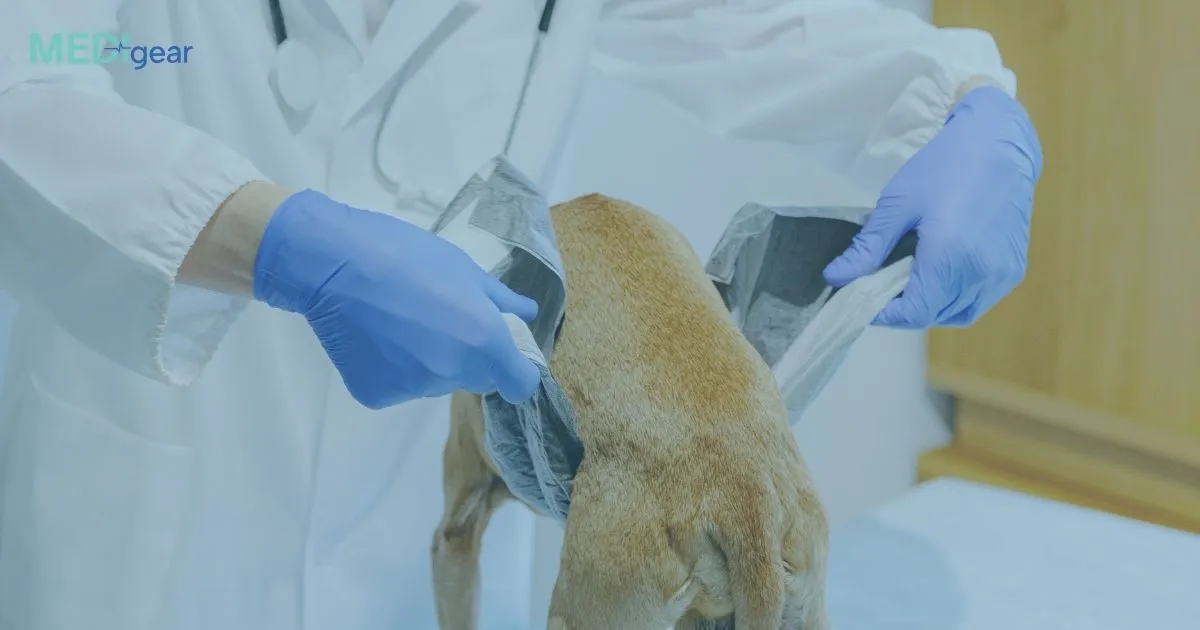
Zoonotic diseases are infections that spread from animals to humans. They can be caused by viruses, bacteria, parasites, or fungi. These diseases are found worldwide and can spread through direct contact with animals, contaminated food or water, insect bites, or even the environment. This article explains zoonotic diseases in simple, clear language to help you understand their causes, types, and prevention.
What Are Zoonotic Diseases?
A zoonotic disease is any illness that can move from animals to humans. Many animals such as birds, mammals, reptiles, and insects can carry germs. Some animals may show symptoms, while others may appear completely healthy but still spread infection.
Zoonotic diseases are important to understand because they can impact both individual health and public health.
How Zoonotic Diseases Spread
Zoonotic infections can spread through several routes:
1. Direct Contact
Touching animals, their saliva, blood, urine, faeces, or wounds.
2. Indirect Contact
Touching surfaces or objects contaminated with germs from animals such as cages, soil, water, or equipment.
3. Foodborne Transmission
Eating undercooked meat, contaminated milk, or poorly handled food.
4. Vector-borne Transmission
Being bitten by insects such as mosquitoes, ticks, or fleas that carry disease-causing germs.
5. Airborne Transmission
Breathing in particles from the air, often from animal droppings or infected environments.
Common Examples of Zoonotic Diseases
Here are some well-known zoonotic diseases:
-
Rabies
-
Salmonellosis
-
Leptospirosis
-
Avian influenza
-
Ringworm
-
Lyme disease
-
Brucellosis
-
Plague
These illnesses vary in severity. Some cause mild symptoms, while others can be serious if not treated properly.
Symptoms of Zoonotic Diseases
Symptoms depend on the type of infection but may include:
-
Fever
-
Fatigue
-
Muscle aches
-
Diarrhoea
-
Headaches
-
Skin rashes
-
Respiratory problems
It is important to seek medical attention if symptoms appear after exposure to animals or insect bites.
Who Is at Higher Risk?
Some groups may be more vulnerable to zoonotic diseases:
-
Children
-
Elderly individuals
-
Pregnant people
-
Individuals with weak immunity
-
People who work with animals or in farms
How to Prevent Zoonotic Diseases
1. Practice Good Hygiene- Wash hands after touching animals, handling raw meat, or cleaning pet areas.
2. Handle Food Safely- Cook meat thoroughly, clean kitchen surfaces, and store food properly.
3. Protect Yourself from Insects- Use mosquito nets, wear protective clothing, and keep surroundings clean.
4. Keep Pets Healthy- Ensure pets receive regular check-ups and vaccinations.
5. Avoid Contact with Wild Animals- Maintain distance from wild animals and avoid touching sick or dead animals.
6. Maintain Clean Environments- Keep living spaces, farms, and animal shelters clean to reduce the spread of germs.
Why Understanding Zoonotic Diseases Matters
Zoonotic diseases are a major focus in public health because:
-
They can spread quickly
-
They affect both animals and humans
-
Early prevention reduces risk of outbreaks
-
Awareness supports safer interaction with animals
Knowing how to recognize and prevent these infections helps protect individuals, families, and communities.