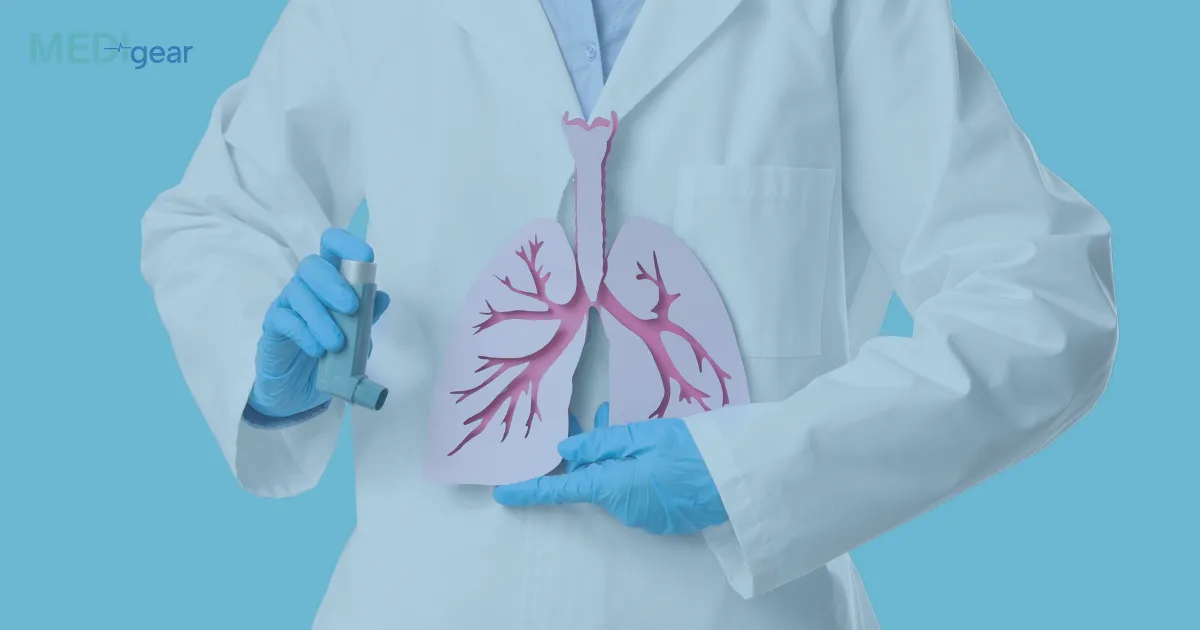
Restrictive lung disease is a group of conditions that limit the lungs’ ability to fully expand during breathing. This restriction reduces lung volume, making it difficult to inhale sufficient air and deliver oxygen effectively to the body.
Unlike obstructive lung diseases, which affect airflow out of the lungs, restrictive lung diseases primarily affect lung expansion, chest wall movement, or lung tissue elasticity. Early recognition of symptoms is essential for timely diagnosis and management.
Understanding Restrictive Lung Disease
Restrictive lung disease can result from problems within the lungs themselves or from conditions affecting the chest wall, muscles, or nerves involved in breathing. Common causes include pulmonary fibrosis, interstitial lung disease, obesity-related restriction, neuromuscular disorders, and chest wall deformities.
Symptoms often develop gradually and may worsen over time as lung capacity decreases.
Common Symptoms of Restrictive Lung Disease
Shortness of Breath
Progressive shortness of breath is the most common symptom. It often begins during physical activity and may later occur even at rest as the disease advances.
Rapid, Shallow Breathing
Because the lungs cannot fully expand, individuals may compensate by breathing faster and more shallowly to meet oxygen demands.
Persistent Dry Cough
A chronic, non-productive cough is common, especially in restrictive lung diseases caused by lung tissue scarring or inflammation.
Chest Tightness or Discomfort
Some people experience a sensation of tightness in the chest due to reduced lung expansion or stiffness of lung tissue.
Fatigue and Weakness
Reduced oxygen delivery to tissues can lead to ongoing fatigue, low energy levels, and decreased exercise tolerance.
Reduced Exercise Capacity
Activities that were previously manageable may become difficult due to breathlessness and early exhaustion.
Weight Loss and Loss of Appetite
In advanced stages, increased energy expenditure from labored breathing and reduced appetite may lead to unintended weight loss.
Symptoms of Advanced Restrictive Lung Disease
As lung restriction worsens, additional symptoms may develop.
Bluish Discoloration of Lips or Fingertips
Low oxygen levels in the blood may cause cyanosis, visible as a bluish tint to the lips or nail beds.
Finger Clubbing
Chronic low oxygen levels can lead to thickening and rounding of the fingertips in some restrictive lung conditions.
Swelling in Legs or Abdomen
In severe cases, strain on the heart due to chronic lung disease may cause fluid retention and swelling.
Frequent Respiratory Infections
Reduced lung function and impaired clearance of secretions can increase susceptibility to respiratory infections.
How Symptoms Progress
Restrictive lung disease often progresses slowly, with symptoms worsening over months or years. The rate of progression varies depending on the underlying cause, severity, and response to treatment.
Early symptoms may be subtle and overlooked, making routine evaluation important for individuals with risk factors.
When to Seek Medical Attention
Medical evaluation is recommended if persistent shortness of breath, unexplained fatigue, chronic cough, or reduced exercise tolerance develops. Early diagnosis allows timely intervention, which may slow disease progression and improve quality of life.
Diagnosis and Monitoring
Restrictive lung disease is typically diagnosed through pulmonary function tests, imaging studies such as chest X-rays or CT scans, and evaluation of underlying causes. Ongoing monitoring helps guide treatment and assess disease progression.
Final Thoughts
Restrictive lung disease limits the lungs’ ability to expand, leading to progressive breathing difficulty and reduced oxygen delivery. Symptoms often develop gradually but can significantly affect daily life if left untreated.
Recognizing symptoms early and addressing the underlying cause are key steps in managing restrictive lung disease and preserving lung function.
Disclaimer:
This content is for informational purposes only and does not replace professional medical advice. Individuals experiencing persistent respiratory symptoms should consult a qualified healthcare professional for diagnosis and treatment.