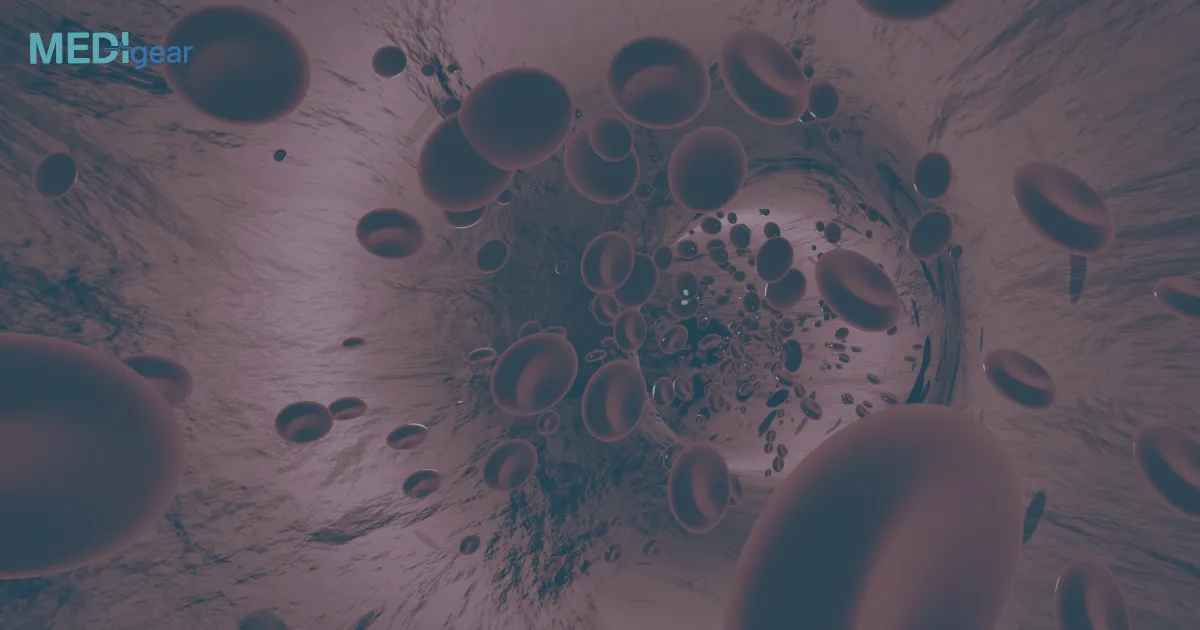
Blood circulation is essential for delivering oxygen and nutrients to every part of the body. When circulation becomes poor, tissues do not receive enough oxygen, which can lead to various symptoms affecting the hands, feet, brain, and internal organs.
Poor circulation may develop gradually and often signals underlying conditions such as heart disease, diabetes, or vascular disorders.
What Is Poor Circulation?
Poor circulation occurs when blood flow through the arteries and veins becomes reduced or obstructed. This limits the delivery of oxygen and nutrients to body tissues.
It commonly affects:
- Legs
- Feet
- Hands
- Arms
- Brain
- Heart
Common Causes of Poor Circulation
Several medical conditions may contribute to reduced blood flow:
- Peripheral artery disease (PAD)
- Diabetes
- High blood pressure
- High cholesterol
- Smoking
- Obesity
- Blood clots
- Varicose veins
Common Symptoms of Poor Circulation
Cold Hands and Feet
Reduced blood flow causes extremities to feel unusually cold, even in warm environments.
Numbness or Tingling
People may feel a “pins and needles” sensation, especially in the hands or feet.
Swelling in Legs and Feet
Poor circulation may cause fluid buildup in the lower limbs.
Symptoms include:
- Puffy ankles
- Tight skin
- Heavy feeling in legs
Muscle Cramps or Leg Pain
Pain in the legs while walking or exercising may occur due to insufficient oxygen reaching muscles.
This condition is called intermittent claudication.
Slow Healing Wounds
Cuts or sores on the feet or legs may heal slowly because tissues do not receive adequate oxygen.
This is especially common in people with diabetes.
Skin Color Changes
Poor blood flow may cause the skin to appear:
- Pale
- Bluish
- Purple
- Shiny or thin
Fatigue or Weakness
When circulation is poor, muscles may tire quickly during normal activities.
Hair Loss on Legs
Reduced blood supply to hair follicles may cause hair thinning on the legs or feet.
Symptoms Affecting the Brain
Poor circulation to the brain may cause:
- Dizziness
- Difficulty concentrating
- Memory problems
- Headaches
- Fainting episodes
When to Seek Medical Care
Medical evaluation is important if symptoms include:
- Persistent leg pain
- Numbness or tingling
- Swelling in legs
- Non-healing wounds
- Sudden weakness or dizziness
These may indicate underlying cardiovascular disease.
Diagnosis
Doctors may use several tests to identify circulation problems:
- Blood pressure measurement
- Doppler ultrasound
- Ankle-brachial index (ABI)
- Blood tests
- CT or MRI angiography
Treatment
Treatment focuses on improving blood flow and managing underlying conditions.
Possible approaches include:
- Lifestyle changes
- Medication for blood pressure or cholesterol
- Blood thinners
- Exercise therapy
- Surgery in severe cases
Prevention Tips
Healthy lifestyle habits can improve circulation:
- Regular physical activity
- Balanced diet
- Avoid smoking
- Maintain healthy weight
- Control diabetes and blood pressure
- Stay hydrated
Conclusion
Poor circulation can cause symptoms such as cold hands and feet, numbness, swelling, and leg pain. Although these symptoms may appear mild initially, they can indicate serious underlying vascular problems.
Early diagnosis and proper treatment help improve blood flow, prevent complications, and support overall cardiovascular health.
Disclaimer
This article is for general educational purposes only and should not be considered medical advice, diagnosis, or treatment. Symptoms of poor circulation can vary and may be associated with several underlying medical conditions. Anyone experiencing persistent numbness, swelling, or leg pain should consult a qualified healthcare professional for proper evaluation. MediGear does not provide medical diagnosis or treatment recommendations.