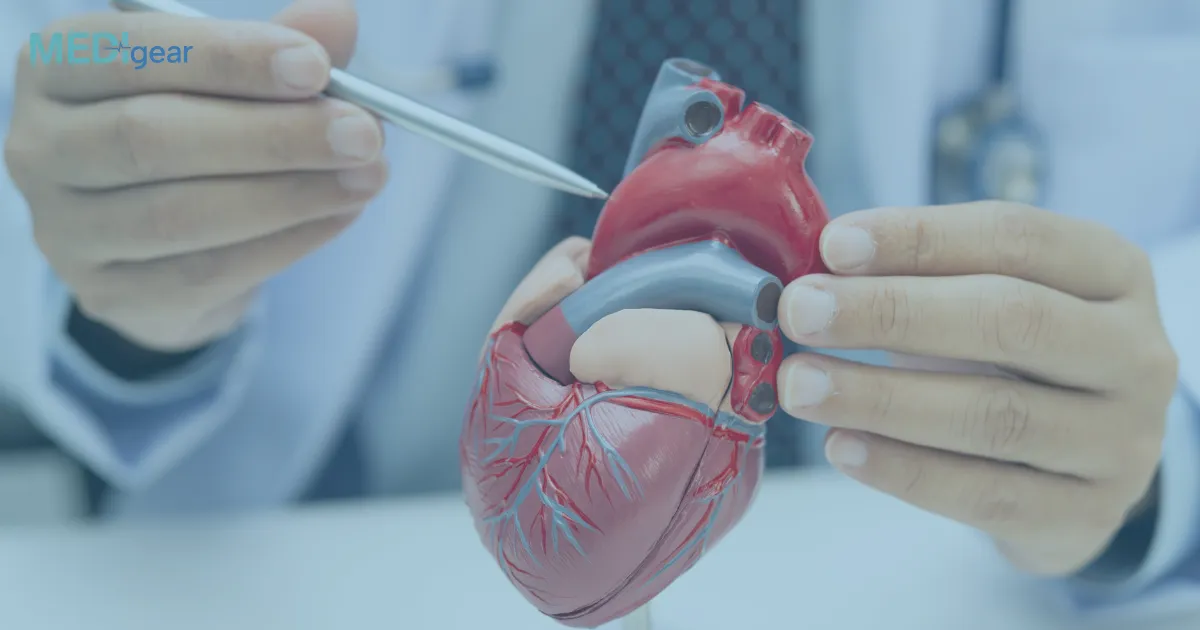
The heart contains four valves that control the flow of blood through its chambers. These valves open and close with each heartbeat to ensure blood moves in the correct direction. When one or more of these valves become damaged or do not function properly, the condition is known as heart valve disease.
Heart valve disease can disrupt normal blood circulation, forcing the heart to work harder. Early recognition of symptoms is essential to prevent serious complications.
What Is Heart Valve Disease?
Heart valve disease occurs when one or more of the heart valves become narrowed (stenosis), leaky (regurgitation), or do not close properly.
The four heart valves include:
- Mitral valve
- Aortic valve
- Tricuspid valve
- Pulmonary valve
Any of these valves may be affected by disease or damage.
Types of Heart Valve Problems
Valve Stenosis
The valve becomes narrowed and cannot open fully, restricting blood flow.
Valve Regurgitation
The valve does not close properly, allowing blood to leak backward.
Valve Prolapse
The valve flaps bulge backward and may not close properly.
Common Symptoms of Heart Valve Disease
Shortness of Breath
One of the most common symptoms is difficulty breathing, especially during physical activity or while lying down.
Fatigue
Reduced blood flow can cause persistent tiredness and reduced exercise tolerance.
Chest Pain or Discomfort
Some people experience chest pressure or pain due to reduced blood circulation.
Heart Palpitations
Irregular or rapid heartbeat may occur due to abnormal blood flow through the heart.
Dizziness or Fainting
Reduced blood flow to the brain may lead to dizziness or fainting episodes.
Swelling (Edema)
Fluid buildup may occur in:
- Feet
- Ankles
- Legs
- Abdomen
This happens when the heart cannot pump efficiently.
Rapid Weight Gain
Sudden weight gain may occur due to fluid retention in the body.
Persistent Cough
A cough, especially at night, may occur when fluid accumulates in the lungs.
Symptoms in Advanced Disease
If heart valve disease progresses, symptoms may become more severe.
Possible signs include:
- Severe breathlessness
- Extreme fatigue
- Irregular heartbeat
- Blue lips or fingertips
- Heart failure symptoms
Causes of Heart Valve Disease
Several conditions may lead to valve damage.
Common causes include:
- Rheumatic fever
- Congenital heart defects
- Age-related valve degeneration
- Infective endocarditis
- High blood pressure
- Coronary artery disease
Risk Factors
Factors that increase the risk include:
- Older age
- History of heart infection
- High blood pressure
- High cholesterol
- Smoking
- Family history of heart disease
Diagnosis
Doctors may use several tests to diagnose heart valve disease.
Common diagnostic methods include:
- Physical examination and heart murmur detection
- Echocardiogram (heart ultrasound)
- Electrocardiogram (ECG)
- Chest X-ray
- Cardiac MRI or CT scan
Treatment
Treatment depends on the type and severity of valve damage.
Possible treatments include:
- Medications to control symptoms
- Lifestyle modifications
- Valve repair surgery
- Valve replacement surgery
Early treatment can significantly improve outcomes.
When to Seek Medical Care
Consult a healthcare professional if symptoms include:
- Persistent shortness of breath
- Swelling in legs
- Chest discomfort
- Fainting or dizziness
- Irregular heartbeat
These symptoms may indicate underlying heart problems.
Conclusion
Heart valve disease affects the valves responsible for regulating blood flow through the heart. Symptoms such as breathlessness, fatigue, chest pain, and swelling may signal valve dysfunction.
Early diagnosis and appropriate treatment are crucial to prevent complications such as heart failure or stroke. Regular medical checkups and heart health awareness can help detect valve problems at an early stage.
Disclaimer
This article is for educational and informational purposes only and should not be considered medical advice, diagnosis, or treatment. Symptoms of heart valve disease may vary and can resemble other cardiovascular conditions. Anyone experiencing chest pain, shortness of breath, or irregular heartbeat should seek evaluation from a qualified healthcare professional. MediGear does not provide medical diagnosis or treatment recommendations.