Breast cancer is one of the most common cancers affecting women, but early detection greatly improves treatment outcomes. Understanding the early signs can help you identify changes and seek medical help on time. This guide explains the common symptoms, when to see a doctor, and why regular screening matters.
What Is Breast Cancer?
Breast cancer happens when cells in the breast grow in an uncontrolled way. These cells may form a lump or spread to other parts of the body. Although breast cancer is more common in women, men can also develop it.
Common Signs of Breast Cancer
Recognizing early symptoms plays an important role in timely diagnosis. Some changes can be seen or felt, while others may require a medical screening test.
1. A Lump in the Breast or Underarm
One of the most noticeable signs is a lump or thickened area. Not all lumps are cancerous, but any new lump should be checked by a doctor.
2. Changes in Breast Size or Shape
A sudden change in size, fullness or shape of the breast, especially if it affects only one side, can be an early warning sign.
3. Skin Changes on the Breast
Look for:
-
Redness
-
Dimpling
-
Thickening of the skin
-
A rash or texture resembling an orange peel
These signs may indicate an underlying issue.
4. Nipple Changes
Changes may include:
-
Nipple turning inward
-
Nipple pain or tenderness
-
Flaky or crusty nipple skin
5. Nipple Discharge
Clear, bloody or unusual discharge that is not breast milk should be examined by a healthcare professional.
6. Persistent Breast Pain
Most breast pain is not cancer, but long-lasting or unexplained pain should not be ignored.
7. Swelling in the Armpit or Collarbone Area
Swelling can occur if cancer cells spread to nearby lymph nodes.
Less Common Signs of Breast Cancer
Some symptoms are not widely known but can still appear, including:
-
Unexplained weight loss
-
Constant tiredness
-
Changes in breast temperature or texture
These symptoms alone do not confirm cancer but may require medical attention.
When Should You See a Doctor?
You should consult a doctor if you notice:
-
A new lump or swelling
-
Unusual nipple discharge
-
Visible breast or skin changes
-
Persistent pain not linked to your menstrual cycle
Early evaluation helps rule out serious issues and ensures faster care if needed.
How Is Breast Cancer Detected?
Doctors may use:
-
Physical examination
-
Mammogram
-
Ultrasound
-
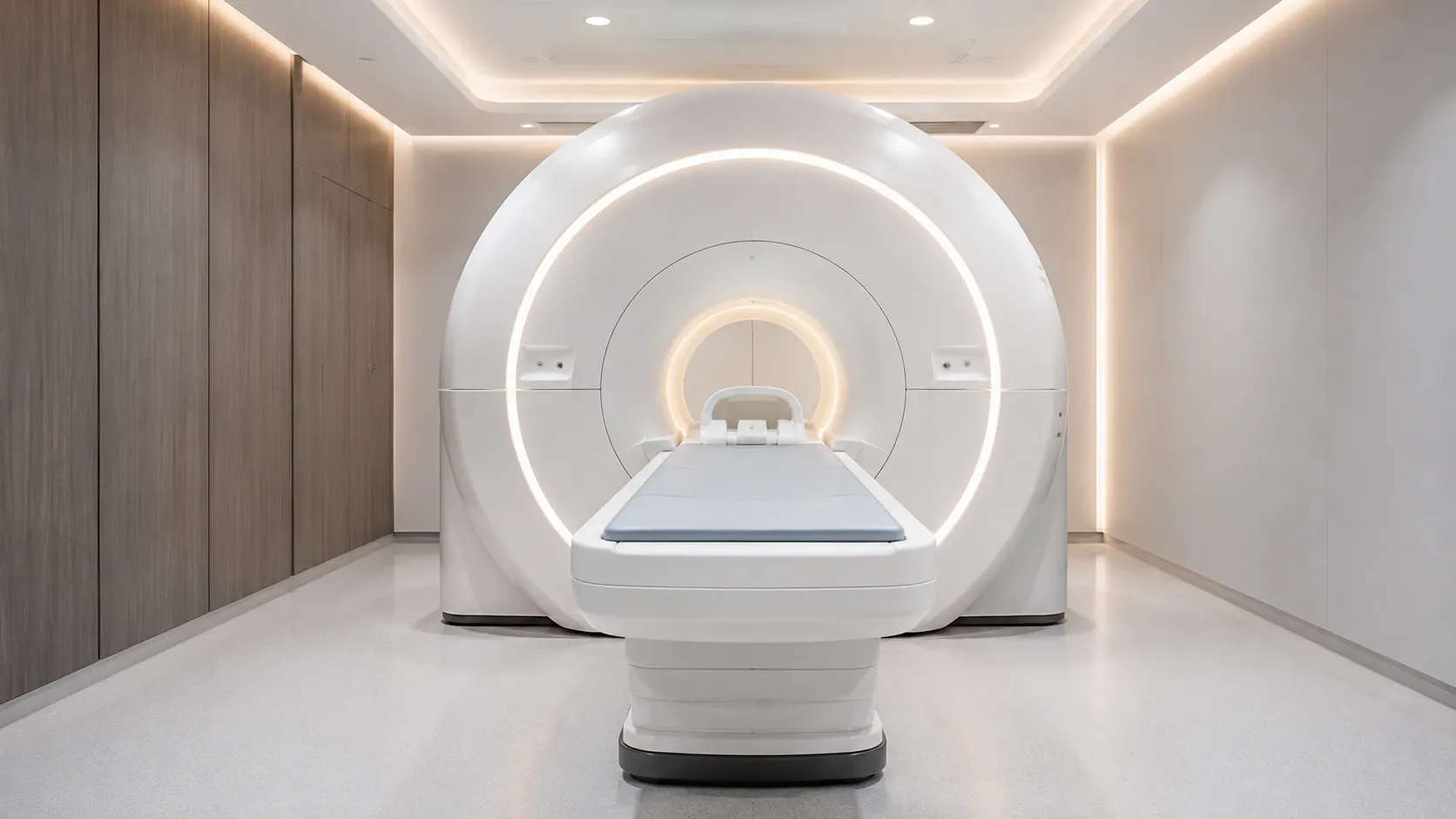
MRI
-
Biopsy
Routine screening is an important part of breast health, especially for women over 40 or those with a family history of breast cancer.
Why Early Detection Matters
When breast cancer is found early, treatment is usually more effective. Early-stage cancers are often smaller and less likely to have spread. This makes regular screening and awareness of symptoms essential.
Final Thoughts
Knowing the signs of breast cancer helps you stay aware of your health. If you notice any changes in your breast, do not panic, but do get checked. Early action can make a big difference.