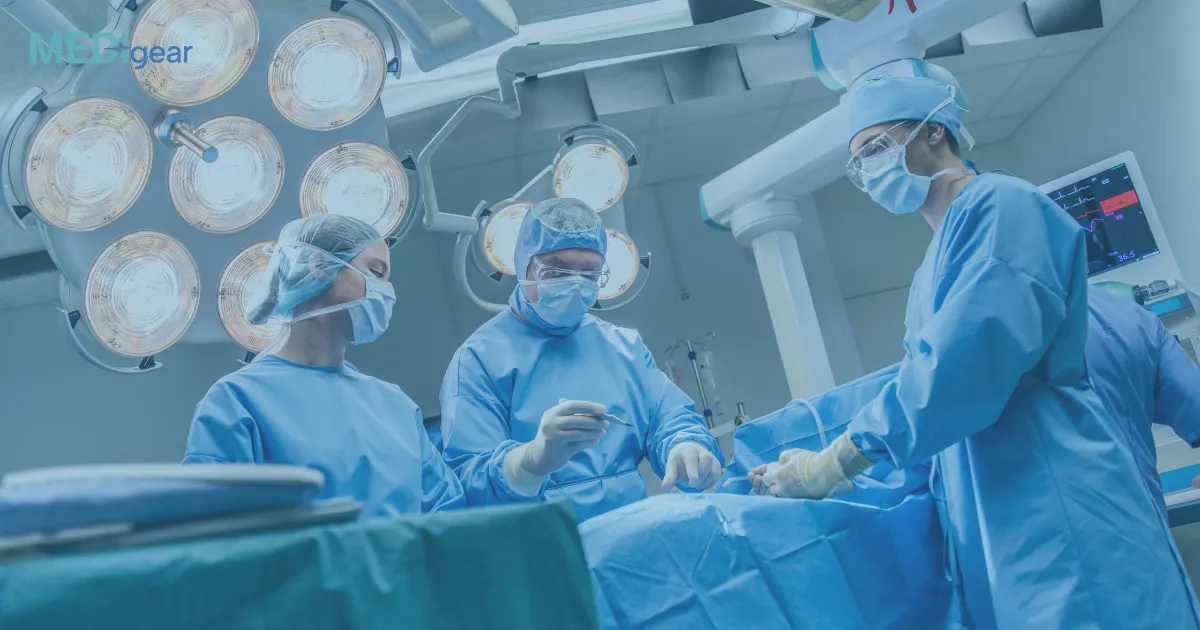
The operating theatre (OT) is one of the most critical and high-risk areas in any hospital. A single lapse in safety can lead to surgical site infections, anesthesia complications, equipment failure, or even life-threatening errors.
Operating theatre safety protocols are standardized rules and procedures designed to protect patients, surgeons, nurses, anesthetists, and support staff before, during, and after surgery.
These protocols ensure sterility, accuracy, teamwork, and rapid response in emergencies.
What Are Operating Theatre Safety Protocols?
Operating theatre safety protocols are a set of clinical, technical, and environmental guidelines followed to minimize risks during surgical procedures. They cover:
- Patient identification and preparation
- Infection prevention and sterility
- Equipment and anesthesia safety
- Staff behavior and communication
- Emergency preparedness
Their primary goal is patient safety and surgical success.
1. Pre-Operative Safety Protocols
Patient Identification & Verification
- Confirm patient name, age, and hospital ID
- Verify surgical procedure and site
- Mark the surgical site clearly
- Check consent forms and medical history
Pre-Anesthesia Assessment
- Review allergies and previous anesthesia reactions
- Check fasting (NPO) status
- Assess airway, cardiac, and respiratory risk
- Confirm availability of emergency drugs
Surgical Safety Checklist (Before Induction)
- Patient identity confirmed
- Procedure and site verified
- Imaging and reports available
- Blood products prepared if required
2. Infection Control & Sterility Protocols
Hand Hygiene
- Surgical hand scrub with antiseptic solutions
- Proper handwashing before and after procedures
Sterile Attire
- OT scrubs, caps, masks, sterile gowns, and gloves
- No jewelry, watches, or personal items
Sterile Field Maintenance
- Sterile instruments arranged properly
- Non-sterile staff remain outside sterile zones
- Immediate replacement of contaminated items
OT Environment Control
- Laminar airflow (where applicable)
- Restricted entry and exit
- Regular air quality monitoring
3. Equipment & Instrument Safety
Pre-Surgery Equipment Checks
- Anesthesia machine testing
- Monitor calibration (ECG, SpO₂, BP)
- Surgical lights and suction units checked
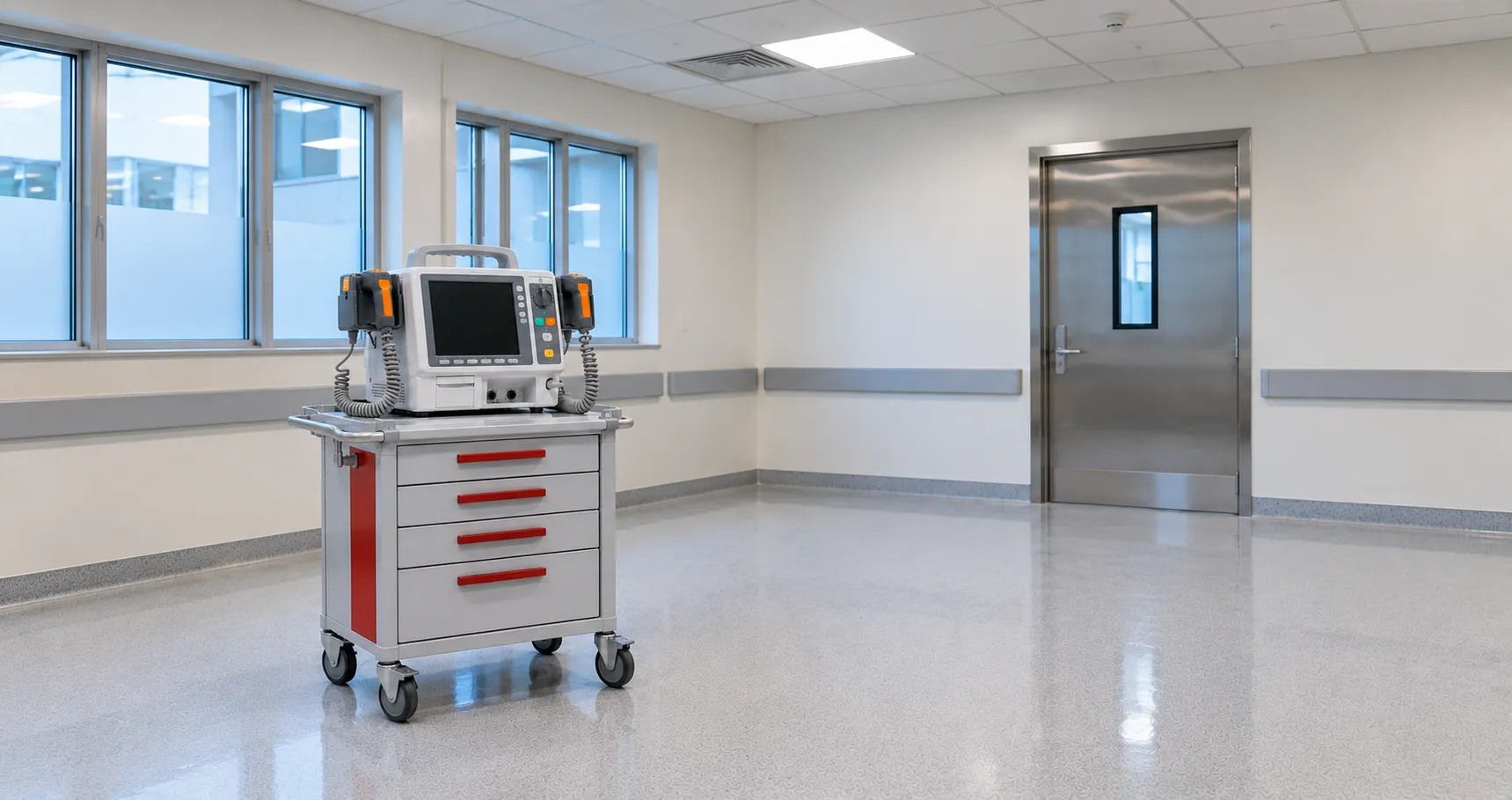
- Defibrillator readiness verified
Instrument Sterilization
- Autoclave or approved sterilization methods
- Sterility indicators verified
- Instrument count recorded before surgery
Electrical Safety
- Proper grounding of equipment
- Safe use of electrosurgical units
- Avoid fluid spillage near electrical devices
4. Anesthesia Safety Protocols
During Induction
- Continuous monitoring of vital signs
- Oxygen availability confirmed
- Emergency airway equipment ready
Intra-Operative Monitoring
- ECG, blood pressure, SpO₂, ETCO₂ monitoring
- Regular documentation of vitals
- Vigilance for allergic reactions or complications
Medication Safety
- Clear labeling of syringes
- Double-check high-risk drugs
- Avoid look-alike medication errors
5. Intra-Operative Safety Protocols
Time-Out Procedure
A mandatory pause before incision to confirm:
- Correct patient
- Correct procedure
- Correct surgical site
- Correct instruments and implants
Communication & Teamwork
- Clear verbal communication
- Immediate reporting of abnormalities
- Closed-loop communication during critical steps
Instrument & Sponge Count
- Count before incision
- Count during closure
- Final count before wound closure
6. Fire & Electrical Safety in OT
- Use flame-resistant drapes
- Careful handling of oxygen-rich environments
- Safe use of electrocautery
- Fire extinguisher availability
- Staff trained in fire response protocols
7. Radiation Safety (If Applicable)
- Use lead aprons and thyroid shields
- Minimize exposure time
- Proper positioning of imaging devices
- Warning signs when radiation is in use
8. Post-Operative Safety Protocols
Patient Transfer & Recovery
- Safe transfer to recovery room (PACU)
- Continuous monitoring of vitals
- Pain and airway assessment
Documentation
- Surgical notes completed
- Instrument counts confirmed
- Complications recorded
Waste Disposal
- Biomedical waste segregation
- Sharps disposed in puncture-proof containers
- Contaminated materials handled safely
9. Emergency Preparedness
Operating theatres must always be ready for:
- Cardiac arrest
- Anaphylaxis
- Massive bleeding
- Power failure
- Equipment malfunction
This includes:
- Emergency drug availability
- Backup power supply
- Trained staff for rapid response
Importance of Operating Theatre Safety Protocols
- Reduces surgical errors
- Prevents hospital-acquired infections
- Improves patient outcomes
- Protects healthcare workers
- Ensures legal and regulatory compliance
Conclusion
Operating theatre safety protocols are not optional — they are essential. From patient identification to post-operative care, every step is designed to reduce risk and improve outcomes. Strict adherence to these protocols ensures that surgeries are performed in a controlled, sterile, and safe environment.
In modern hospitals, patient safety in the operating theatre depends on discipline, teamwork, technology, and standardized safety protocols working together seamlessly.