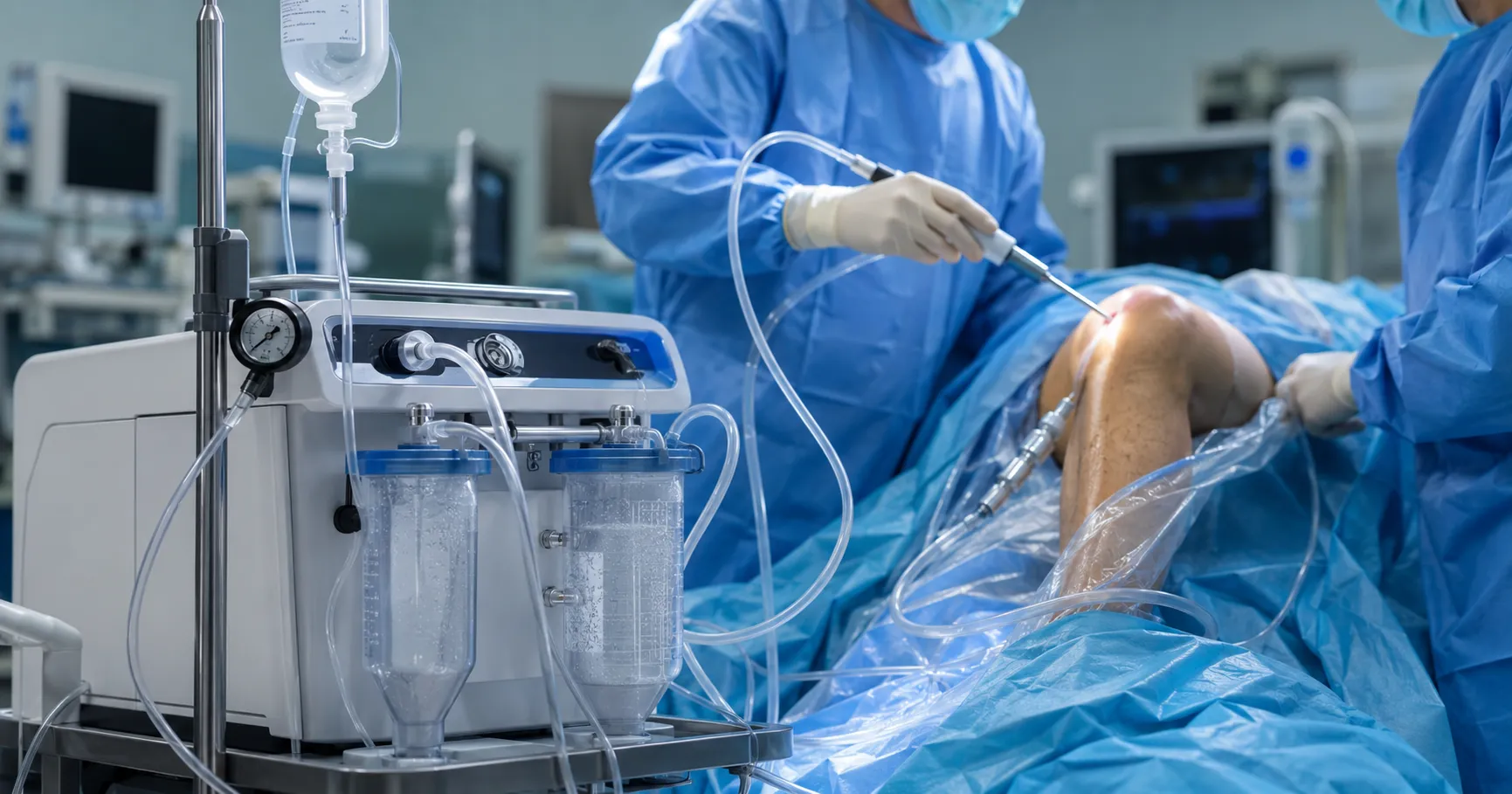
Pulse lavage systems are powered surgical irrigation devices used to deliver controlled pulses of fluid to a wound, bone surface, or surgical site. In orthopaedic surgery, they are commonly used during joint procedures, trauma wound management, bone bed preparation, and debridement support. Many systems combine irrigation with suction so fluid, loose tissue, blood, and debris can be removed during the procedure.
For healthcare buyers, a pulse lavage system should not be treated as a simple operating room accessory. Buyers need to review pressure control, tip selection, suction performance, sterile packaging, battery or power type, ergonomic handling, compatibility with suction systems, disposable kit cost, and compliance with applicable local regulatory standards. FDA device documentation for a pulse lavage system describes orthopaedic use, including preparation of the intramedullary canal and bone surfaces, which underscores the need to check intended use before procurement.
How Pulse Lavage Systems Support Orthopaedic Procedures
Pulse lavage systems help surgical teams clean operative areas using repeated bursts of irrigation fluid. They are used by orthopaedic surgeons, operating room nurses, scrub teams, trauma teams, and theatre technicians under sterile surgical conditions.
Controlled Surgical Irrigation — The system delivers fluid in pulses rather than a simple continuous stream. This can help loosen blood, bone fragments, tissue debris, and foreign material from the surgical field.
Bone Surface Preparation — In arthroplasty and selected orthopaedic procedures, lavage may help clean the bone surface before implant placement or cement application. In practice, surgeons consider flow strength, nozzle shape, and suction efficiency because overly aggressive irrigation may not suit every tissue condition.
Debridement Support — Pulse lavage can support the removal of loose material during wound debridement. A clinical review notes that pulsatile lavage is used in orthopaedic and trauma surgery to clean soft tissues, including contaminated wounds, while also recognising potential risks, such as deeper bacterial seeding or tissue damage, if used inappropriately.
Suction-Assisted Field Control — Many pulse lavage systems include suction tubing to remove fluid while irrigation is delivered. This helps keep the surgical field clearer and reduces fluid pooling around the operating area.
Where Pulse Lavage Systems Are Used
Pulse lavage systems are used in orthopaedic and surgical care settings. The system type and accessories should align with the procedure, the department's workload, and the infection prevention policy.
Joint Replacement Surgery — Hip, knee, and other arthroplasty procedures may use pulse lavage during bone preparation and surgical site cleaning. The sterile tip, fluid line, and suction setup should be ready before the procedure starts.
Trauma and Contaminated Wounds — Orthopaedic trauma cases may involve dirt, debris, foreign particles, or damaged tissue. Facilities sourcing through regulated and certified equipment suppliers worldwide should confirm tip options, fluid delivery performance, suction compatibility, and sterile kit availability before procurement.
Revision Orthopaedic Procedures — Revision surgery may require careful irrigation around old cement, bone surfaces, and tissue planes. The surgical team may need different tips or pressure settings depending on the case.
General Surgical Debridement Areas — Some pulse lavage systems are also used outside orthopaedic surgery for wound cleansing and debridement support. Buyers should confirm whether a system is documented for the intended surgical use, rather than merely marketed as a general lavage device.
Common Types of Pulse Lavage Systems
Pulse lavage systems are available in different forms. The right choice depends on surgical workload, sterility requirements, power source, fluid control, and disposal policy.
Single-Use Pulse Lavage Kits — Disposable kits are common in operating rooms because they arrive sterile and reduce reprocessing work. They usually include the handpiece, tubing, suction line, and selected tips.
Battery-Powered Systems — Battery-powered lavage systems are convenient because they reduce cable clutter around the sterile field. Buyers should check battery reliability, shelf life, activation method, and disposal process.
Reusable Handpiece Systems — Some systems use reusable motor units with disposable sterile attachments. They may reduce per-case waste, but they require validated processes for cleaning, sterilisation, inspection, and tracking.
Suction-Assisted Lavage Systems — These systems combine irrigation and suction in one setup. They can improve field management, but the suction line must be compatible with the operating room suction source.
Tip-Specific Systems — Different tips may support fan spray, deep wound access, splash control, or targeted irrigation. Tip availability matters because a strong handpiece is less useful if the correct sterile nozzle is unavailable.
Selection Points for Healthcare Buyers
Pulse lavage systems should be selected for surgical performance, sterility, and operating room practicality. Small design issues can become serious workflow problems during a procedure.
Irrigation Pressure and Flow — Buyers should check whether the system provides sufficient irrigation pressure for the intended orthopaedic use. Irrigation and debridement are central steps in open fracture care because they help reduce contamination while supporting wound and bone healing goals.
Suction Compatibility — The system should connect easily to the facility's suction setup. Poor compatibility with suction can cause fluid pooling, tubing delays, and workflow disruption during surgery.
Sterile Packaging and Shelf Life — Disposable components should arrive in reliable sterile packaging with clear expiry details. Procurement teams should also check storage space because bulky kits can affect operating room supply planning.
Ergonomic Handpiece Design — Surgeons and scrub teams need a handpiece that is comfortable, balanced, and easy to activate. In practice, grip design matters during longer procedures because fatigue or poor trigger control can affect usability.
Accessory Availability — Tips, tubing, splash shields, suction connectors, batteries, and replacement kits should be available consistently. A system becomes difficult to standardise if accessories are frequently out of stock.
Procurement Guidance for Pulse Lavage Systems
Pulse lavage procurement should include surgeons, theatre nurses, infection prevention teams, biomedical engineers, and supply chain staff. A device that performs well in a catalogue may not fit the real operating room workflow.
Total Cost of Ownership — Buyers should include the handpiece, sterile kits, tips, tubing, batteries, suction adapters, storage, waste handling, and staff training. A low-cost system may become expensive if every case requires extra adapters or non-standard accessories.
Compliance and Documentation — Procurement teams should request product specifications, intended use, sterile packaging details, expiry information, cleaning guidance for reusable parts, warranty terms, and conformity documents. Compliance should be checked against applicable local regulatory standards, such as CE, FDA, ISO, or their regional equivalents, where relevant.
Supplier Transparency — Suppliers and manufacturers advertising to global healthcare buyers should provide clear information on irrigation pressure, flow rate, power source, suction setup, sterile accessories, compatibility, packaging, and suitability for procedures. Healthcare buyers should avoid vague listings that do not identify orthopaedic or surgical use.
Clinical Evaluation Before Bulk Orders — Hospitals may benefit from evaluating the system in a controlled operating room trial before bulk purchasing. Surgeons often notice handling, splash, suction, and tip performance only during real workflow simulation.
Healthcare groups managing several orthopaedic theatres or surgical centres may benefit from structured distribution and reseller partnership arrangements. Standardising lavage systems, sterile kits, tips, and suction adapters can reduce ordering errors and improve staff familiarity.
Maintenance and Infection Prevention Planning
Pulse lavage systems require strict attention to sterility and device condition. Water, tissue debris, suction tubing, and surgical fluid pathways make cleaning and disposal planning important.
Sterile Kit Handling — Single-use sterile components should be stored and opened in accordance with the operating room policy. Damaged packaging, expired kits, or missing parts should be removed from surgical use.
Reusable Component Care — If the system includes reusable components, cleaning and sterilisation should follow the manufacturer's instructions and facility policy. Reprocessing steps should be documented clearly to reduce the risk of infection.
Battery and Power Checks — Battery-powered systems should be checked before the case starts. A weak battery or failed activation during surgery can delay workflow and create unnecessary stress for the theatre team.
Post-Use Disposal and Records — Used tubing, tips, and disposable handpieces should be discarded according to clinical waste policy. Facilities should track stock usage so procurement teams can maintain sufficient kits for planned and emergency surgeries.
International Sourcing Considerations
Pulse lavage systems can be sourced internationally when buyers clearly define the intended procedure type, sterile kit preference, power source, tip requirements, suction compatibility, documentation needs, packaging, shelf life, and lead times. Orthopaedic hospitals, trauma centres, and surgical groups should also confirm whether the system supports both routine arthroplasty and trauma wound irrigations.
Buyers should confirm whether they need disposable systems, reusable handpiece systems, battery-powered kits, suction-assisted models, deep wound tips, splash-control tips, or bulk sterile case packs. For project-based sourcing, buyers can contact the Medigear.uk team for supply support to discuss availability, documentation, export needs, and procurement requirements.
Final Thoughts
Pulse lavage systems support orthopaedic surgery by helping to clean bone surfaces, wounds, and surgical sites through controlled irrigation and suction. They can improve surgical field management when selected and used appropriately.
The right system should match the procedure type, pressure needs, suction setup, sterile workflow, accessory requirements, maintenance policy, and local compliance standards. Buyers should review documentation, stock planning, surgeon feedback, and supplier support before ordering.
Disclaimer
Medigear.uk is a global medical equipment supplier, exporter, and distributor. The content published on this site is intended for educational and product awareness purposes only. Nothing on this page constitutes medical advice, clinical guidance, or treatment recommendations. All healthcare procurement and clinical decisions should be made by qualified medical professionals and compliant procurement teams operating within the regulatory frameworks of their respective countries.