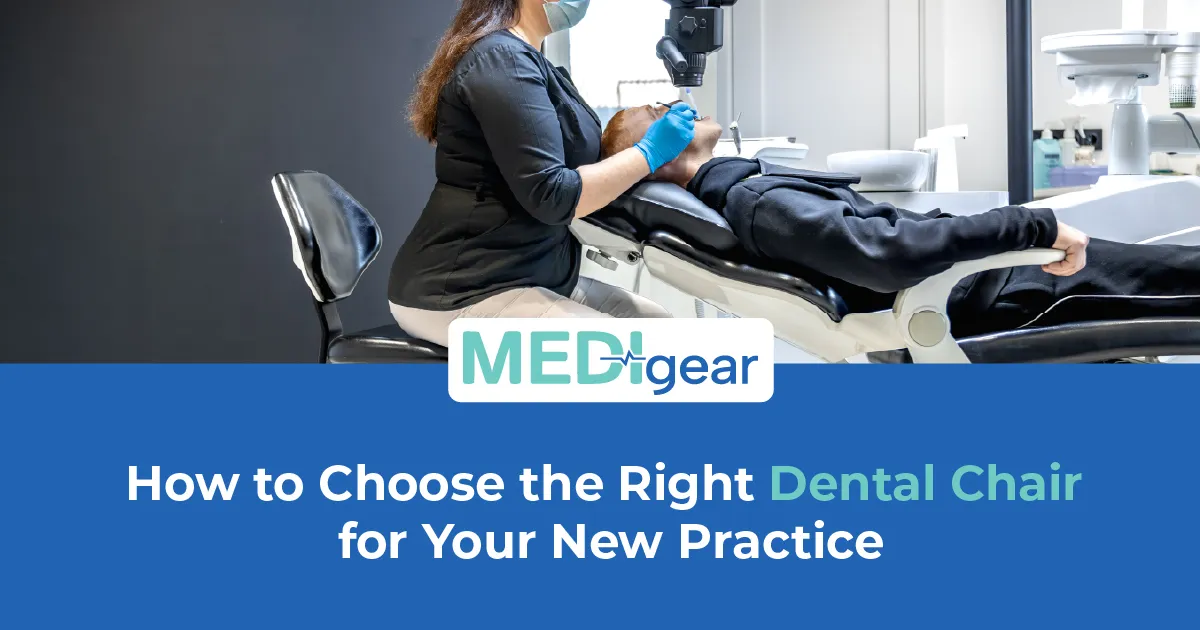
What is the one piece of equipment every patient touches, every procedure depends on, and every dentist will spend more time beside than any other object in the building? The dental chair. Not the handpiece. Not the autoclave. Not the X-ray. The chair. It holds the patient. Positions the mouth. Supports the clinician's posture eight hours a day, five days a week, for the life of the practice. And it is the first thing the patient judges before the dentist even picks up a mirror.
She opened her first practice at twenty-nine. Bought a dental chair from an online listing because it was cheap. Within three months, the hydraulics stuck. The headrest would not lock. The upholstery cracked at the seams. Patients noticed. One told her it felt like sitting in a broken office chair. She replaced it with a certified unit that matched her surgical layout and procedures. The difference was instant. Smoother positioning. Quieter motor. Patients stopped gripping armrests. And her back pain — the kind that started at 11 am and lasted until she left the building — disappeared. The one she saved money on cost her patients, posture, and three months of confidence she could not get back.
This guide covers how to choose the right dental chair for your new practice with the honest detail that new dentists, practice owners, and procurement leads need. Medigear supplies certified dental chairs to practices across the UK and every point here comes from real clinical demand, not showroom demos. Practices ready to source certified dental chairs can explore the Medigear buyers portal for pricing, availability, and procurement built for dental buying.
Three Things
A dental chair must do three things well. Position the patient. Support the clinician. And last. Everything else — colour, brand, screen mounts, cup holders — is secondary. A chair that positions smoothly, reclines fully, and returns to the same spot gives a predictable platform. Sticks, overshoots, or wobbles mid-procedure? Every appointment becomes a fight with the furniture.
Hydraulics
Hydraulics drive the chair up, down, and into the Trendelenburg position for emergency situations. Electro-hydraulic is smoother. Quieter than mechanical pumps. Programmable positions — one-touch return to preset heights — save seconds on every appointment. Full day — seconds become minutes. Full year — minutes become hours. Without them, the chair wastes time the clinician cannot afford.
Backrest
The backrest must recline to a fully flat position for procedures that need gravity to assist — oral surgery, endodontics, and any work on the upper arch where the patient's head must be lower than the heart. A chair that only reclines to forty-five degrees limits what the dentist can do. A chair that goes fully flat with smooth, controlled movement gives access to every quadrant without compromise.
Upholstery
Upholstery matters more than it looks. Seamless upholstery — moulded, not stitched — stops fluid, blood, and bacteria from entering the joins. The joints where infection hides. Vinyl that cracks, peels, or stains within 2 years looks wrong and compromises infection control. Medical-grade, seamless, antimicrobial upholstery is not a luxury. It sits between the patient and the infection risk that the practice must manage. For any questions on matching a dental chair to your surgery layout and clinical needs, reach out to our team for guidance that starts with what your practice actually requires.
Headrest
The headrest is the part of the dental chair that controls access to the mouth. Double-articulating joints adjust in two planes — tilt and height. Precise head control. Fixed or single-axis forces the patient to adjust instead of the chair. Paediatric inserts or removable sections suit practices treating children whose heads do not reach an adult headrest without the clinician losing posture.
Delivery Systems
Delivery systems attach to the dental chair or sit beside it. Over-the-patient delivery brings instruments from behind the patient's head. Over-the-chair delivery swings from the side. Cart-mounted delivery sits on a separate mobile unit. Each changes how the dentist reaches for handpieces, syringes, and suction. The system must match the dominant hand, working position, and the floor plan. Buy without considering the layout, and the clinician adapts to the equipment — instead of the other way round.
Foot Controls
Foot controls operate the chair height, backrest angle, and water controls without the dentist removing their hands from the patient. Responsive. Positioned right. Easy to clean. That keeps the workflow smooth. Sticks, drifts, or sits wrong — it breaks the rhythm of every appointment. Dental chair manufacturers wanting to list products where new practices are searching can reach clinics through the Medigear advertising platform and connect with buyers sourcing exactly these machines.
Weight Capacity
Weight capacity must suit the patient population. A standard dental chair rated for 150 kilograms covers most patients. But bariatric patients need higher-rated chairs, and a practice that turns away a patient because the chair cannot support them loses both the appointment and its reputation. Check the weight rating before purchase. Not after the first patient, the chair was not built for.
Armrests
Armrests that fold, lift, or swing out of the way make patient entry and exit easier — especially for elderly or mobility-impaired patients. Fixed armrests force the patient to climb over a barrier a hinge would have removed. Accessibility is not optional in a modern practice.
Linked Guides
For practices managing dental chairs alongside broader clinical equipment, our guide to the best nebulisers covers the respiratory emergency devices every dental practice should stock — because a patient who collapses in the chair needs airway support before the ambulance arrives. Our guide to setting up patient monitoring on a budget covers the pulse oximeters and vital signs tools that support conscious sedation and medical emergency readiness in dental settings.
Integrated Lighting
Integrated LED lighting on the dental chair reduces the need for a separate operatory light in some setups — though most practices still use both. Chair-mounted lights that follow the backrest angle keep the beam on the mouth regardless of recline. A quality integral light gives consistent illumination without the shadows poorly positioned ceiling lights create.
Suction Compatibility
Suction and drainage connections on the dental chair must match the practice's wet-line or dry-line suction system. A chair built for one system will not connect to the other without adapters that compromise performance. Check compatibility before purchase. A unit that does not connect properly floods the mouth while the dentist works.
Infection Control Design
Infection control design goes beyond upholstery. Removable spittoons. Autoclavable covers. Smooth surfaces. Cup fillers that drain. These separate a clinical dental chair from a cosmetic one. Every surface is cleanable between patients. Every fluid contact is removable or sealed. Suppliers of dental chairs, delivery systems, and surgery accessories can register through the Medigear supplier portal to connect with practices building or upgrading surgeries across the UK.
Installation
Installation includes plumbing, electrical connections, compressed air, suction lines, and drainage. Not plug-and-play. It needs the right connections in the right positions. Plan before purchasing. Discovering the plumbing is on the wrong wall after delivery is a problem nobody needs. Companies seeking long-term partnerships for dental chair supply, servicing, and surgery fit-outs can explore the Medigear partnership programme to collaborate beyond a single purchase.
Warranty
Warranty and after-sales service shape the lifetime cost of the dental chair. Five-year warranty with next-day callout costs more upfront. Saves thousands over a decade. One-year warranty with no service? Saves on the invoice. Costs on every breakdown that leaves the surgery empty for three weeks. Buy the warranty. Budget the service. The unit that breaks without support costs more in lost appointments than the service plan would have cost.
New vs Refurbished
New versus refurbished changes how the budget stretches. A refurbished dental chair from a certified supplier — tested, re-upholstered, and warranted — saves thirty to fifty percent. A used chair from an unknown seller, without service records, saves money today but costs the practice a patient tomorrow. Buy certified or buy risk.
Clinician Ergonomics
Ergonomics for the dentist matters as much as comfort for the patient. Too high and the dentist raises their shoulders. Too low and they hunch. The chair must bring the mouth to the clinician's natural working height — elbows at ninety degrees, spine neutral, neck relaxed. A chair that does not match the clinician's body causes damage that no stool or stretching can undo.
Procedure Match
Does your dental chair match the procedures your practice offers? A general practice running examinations, fillings, and hygiene needss a different chair from one offering oral surgery, sedation, and implant placement. Sedation work demands a chair that reclines fully with oxygen and suction access at the headrest. Implant work demands stability under load and precise positioning for long procedures. A dental chair chosen without the procedure list in mind limits what the practice can offer before the first patient sits down.
Trial Day
How does the dental chair feel at 4pm on a Friday after eight hours of leaning? That is the test no showroom demo can replicate. Ask for a trial day. Sit in it. Work in it. Let your nurse use the foot controls and your patient try the armrests. The dental chair that feels right at 10am in a bright showroom may feel very different at the end of a full clinical day.
Why Choose Medigear
Medigear supplies certified dental chairs, delivery systems, and surgery accessories to practices across the UK. Whether you are opening a new surgery, replacing an ageing chair, or fitting out a second room, our team matches the right dental chair to your procedures, your patients, and your budget. Reach out to our team for guidance built around the practice you are building and the chair every patient will judge it by.
Conclusion
What is the one piece of equipment every patient touches and every procedure depends on? The dental chair. She bought cheap. Within three months — stuck hydraulics, cracked upholstery, and a patient who said it felt like a broken office chair. She replaced it. The difference was instant. Smoother positioning. No more back pain. Patients stopped gripping the armrests. The dental chair is not furniture. It is the clinical platform every working day is built on. Choose it for the procedures, the posture, and the patients — not the price. Medigear stands alongside new dentists with certified dental chairs and the honest guidance that building a practice demands. Speak to our team today — because the chair every patient sits in is the chair they judge the practice by.
⚠️ This post is for general information only. We do not sell medications or provide prescriptions — Medigear.uk is a medical equipment supplier only.