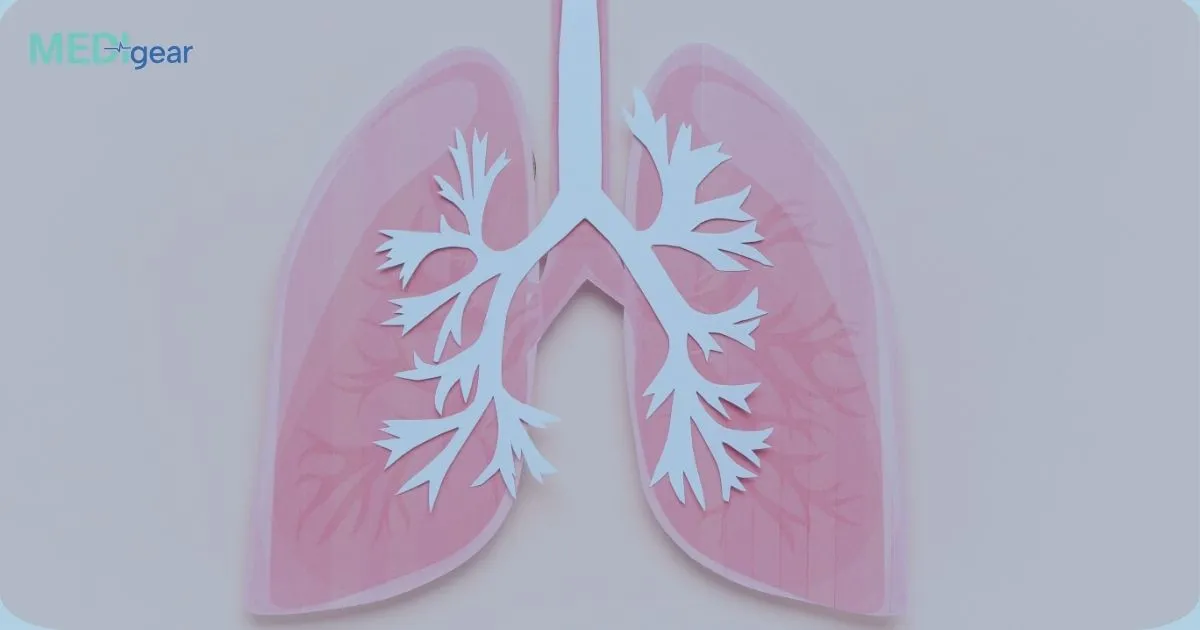
Air pollution is one of the biggest threats to lung health around the world. The air we breathe can contain harmful particles, gases, smoke, and chemicals that enter the respiratory system and affect how the lungs work. These pollutants can irritate the airways, weaken lung function, and increase the risk of many short-term and long-term diseases.
What Is Air Pollution
Air pollution is a mix of harmful substances released into the air. These may include:
-
Particulate matter (PM2.5 and PM10)
-
Smoke from vehicles and factories
-
Dust
-
Chemical fumes
-
Ozone
-
Nitrogen dioxide
-
Sulfur dioxide
These pollutants can stay in the air for long periods and reach deep inside the lungs when inhaled.
How Pollution Enters and Affects the Lungs
When polluted air is inhaled:
-
Particles enter the nose and throat
They irritate the lining and cause coughing or throat discomfort. -
Smaller particles reach the bronchi and bronchioles
These irritate the airways and cause inflammation. -
The smallest particles reach the alveoli
PM2.5 can enter the bloodstream and spread through the body, increasing the risk of chronic diseases.
Pollution also reduces the lungs’ ability to filter air and exchange oxygen efficiently.
Short-Term Health Effects of Air Pollution
Exposure to polluted air can cause immediate symptoms such as:
-
Coughing
-
Wheezing
-
Shortness of breath
-
Chest tightness
-
Eye or throat irritation
-
Headaches
-
Increased asthma attacks
Children, older adults, and people with lung diseases like asthma or COPD are more sensitive to these effects.
Long-Term Health Effects of Pollution on the Lungs
Long-term exposure to polluted air can lead to serious health problems.
1. Asthma
Pollution triggers asthma attacks and can worsen the condition over time.
2. Chronic Obstructive Pulmonary Disease (COPD)
Long-term irritation and inflammation can damage the airways permanently.
3. Reduced Lung Function
Children growing up in polluted areas may have smaller, weaker lungs.
4. Lung Cancer
Certain chemicals in polluted air increase cancer risk.
5. Greater Risk of Respiratory Infections
Pollution weakens immune defenses in the airways.
Who Is Most at Risk
Some groups are more sensitive to pollution, including:
-
Children
-
Older adults
-
People with asthma
-
People with lung or heart disease
-
Outdoor workers
-
Pregnant women
These individuals may experience stronger or quicker effects from polluted air.
How to Protect Lung Health from Pollution
While pollution cannot always be avoided completely, several steps can reduce its impact:
1. Check Air Quality Index (AQI)
Avoid outdoor activities when AQI is poor.
2. Wear a Mask Outdoors
Masks with filters like N95 or similar can block harmful particles.
3. Keep Windows Closed on High Pollution Days
This prevents polluted air from entering the home.
4. Use Air Purifiers
Helps reduce indoor dust, smoke, and chemicals.
5. Add Indoor Plants
Some plants may help improve air freshness, though they do not replace ventilation.
6. Reduce Indoor Pollution
Avoid smoking, burning incense, or using strong chemicals indoors.
7. Stay Hydrated and Eat a Healthy Diet
Healthy lungs recover better from irritation.
8. Support Cleaner Environment Policies
Community efforts help reduce pollution in the long run.
Key Takeaway
Air pollution harms lung health by irritating the airways, reducing lung function, and increasing the risk of chronic diseases. Short-term symptoms like coughing and breathing difficulty can occur quickly, while long-term exposure may cause asthma, COPD, and other serious conditions. By following protective steps and being aware of air quality levels, people can reduce the impact of pollution on their lungs.