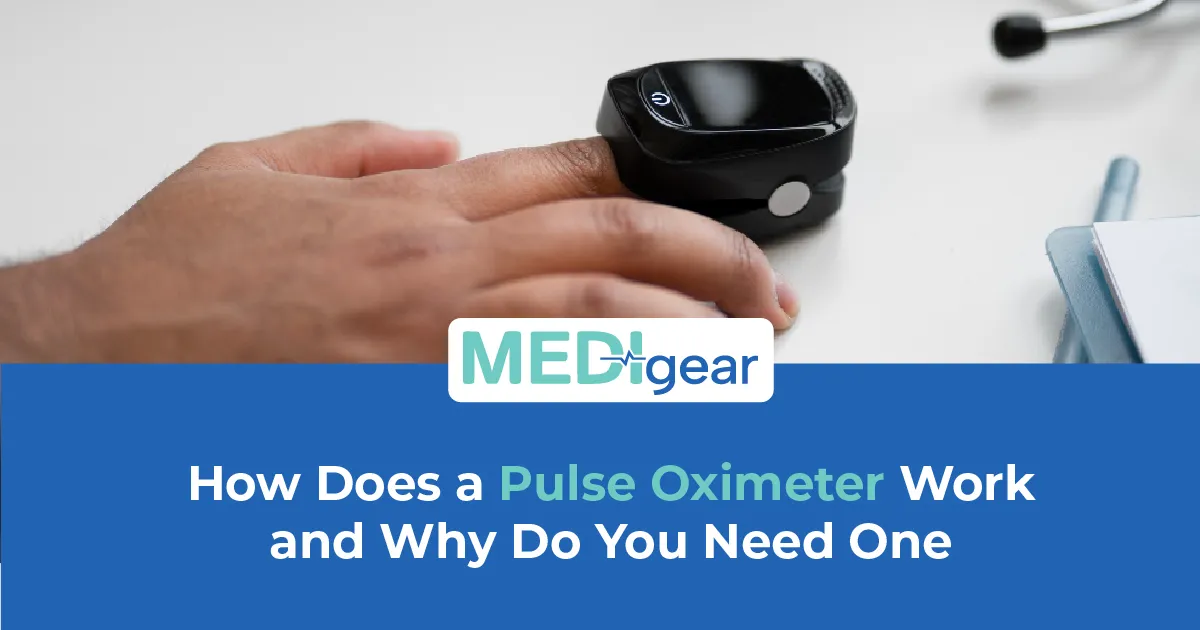
What is the device clipped to the fingertip in every ward, ambulance, and GP surgery doing — and why does a number between ninety-four and one hundred matter so much? The pulse oximeter measures two things at once. Heart rate. And how much blood protein carries oxygen. SpO2 — the second number — changes clinical decisions. SpO2 ninety-eight — oxygenating well. Breathing normally. SpO2 eighty-eight — possible respiratory failure. Looks calm. Is not. Finds it before the clinician's eyes do. Saves lives in the gap between observation and the blood gas result.
He was fifty-eight. Came to A&E with a cough. Looked well. Full sentences. Pulse oximeter at triage. SpO2 eighty-seven. Respiratory rate twenty-four. Temperature thirty-eight point two. Escalated. X-ray — bilateral consolidation. Oxygen. Sepsis six. ICU within the hour. Three days later, he told the team he had not felt breathless at all. The pulse oximeter found the hypoxia that his own body had stopped feeling. Happy hypoxia. Oxygen falls far below normal. No breathlessness. No warning. It catches what the patient cannot report.
This guide covers how the device works and why you need one with the honest detail that clinicians, patients, and procurement teams need. Medigear supplies certified pulse oximeters to hospitals, GP surgeries, and clinics across the UK, and every point here comes from real clinical use. Clinics sourcing certified oximeters can explore the Medigear buyers portal for pricing, availability, and procurement built for monitoring procurement.
How It Works
Works using two light wavelengths and a photodetector. The method is called light measurement through the skin. Two wavelengths shine through the fingertip. Red. Infrared. From one side of the probe. The photodetector on the other side measures how much of each wavelength passes through. Blood carrying oxygen absorbs more infrared light. Blood without it absorbs more red. The ratio of these two tells the processor what share of blood protein carries oxygen. Calculates heart rate and separates arterial from venous blood. Result in seconds. SpO2 as a percentage. Heart rate in beats per minute. No needles. No blood draw. No lab. Just light through a fingertip.
SpO2 Values
In a healthy adult at sea level, ninety-six to one hundred is normal. Below ninety-four — consider oxygen. Below ninety-two — oxygen is indicated. Below eighty-five — the patient may be severely hypoxic. The trigger differs by context and patient. For a COPD patient, a baseline of 88 to 92 is often normal. Not a cause for alarm. In COPD, keep the target between 88 and 92 on supplemental oxygen. This prevents toxicity. For a healthy athlete, a reading of ninety-two is not within the normal range. Context determines interpretation. The number alone is not enough. Pulse oximeter manufacturers wanting to list fingertip, handheld, and wrist-based monitors where hospitals and clinics are searching can reach buyers through the Medigear advertising platform.
Fingertip
Fingertip pulse oximeters are the most common type. Plastic probe clips to the fingertip. Reading in seconds. GP surgeries. Ambulances. Ward triage. Sports medicine. Home. Inexpensive. Disposable or reusable. Portable. No power cable required. Accurate for clinical screening. Adequate for most routine monitoring. Limitation — movement and poor perfusion. Shivering, cold hands, motion — unreliable readings. Reach out to our team for guidance on matching pulse oximeter type to your clinical setting and patient population.
Handheld
Handheld pulse oximeters are larger units used at the bedside or during clinical assessment. Probe on the finger by cable. Display a separate and larger-than-a-fingertip clip. More processing. Better averaging. More reliable in motion, cold, or poor perfusion. Emergency departments. Outpatient clinics. Community nursing. More stable, where the clip produces an artefact. Where accuracy matters — the handheld is the right choice.
Continuous Monitoring
Tabletop and continuous monitoring devices are used on wards, in the theatre, and in the ICU. Probe the finger or the ear. Large display. Audible and visual alarm. The device monitors continuously. SpO2 drops below ninety-two — alarm sounds. Heart rate drops below fifty — alarm sounds. The clinician across the ward hears it. Not spot checks. Continuous surveillance. For the patient who may go without warning. Our guide to Creutzfeldt-Jakob disease covers the continuous monitoring standards used across critical neurological conditions — the same commitment to uninterrupted surveillance applies when a pulse oximeter must track oxygen saturation through the night without the nurse needing to re-check.
Wrist Overnight
Wrist-worn pulse oximeters record overnight. Used in sleep studies and home sleep apnoea screening. Wears it to bed. Records SpO2 and pulse through the night. Repeated drops below eighty-eight overnight support the diagnosis. Does not replace the full sleep study. But it screens. Desaturates overnight? Forward for full assessment. Does not? No need to wait months. Our guide to essential eye screening devices covers the screening tools used to catch pathology before it causes irreversible damage — the same screening principle applies when an overnight wrist pulse oximeter catches the sleep apnoea the patient does not know they have.
Paediatric
Paediatric pulse oximeters use different probe sizes. Neonates and infants need wrap or adhesive probes. Adult clips do not fit. Inaccurate readings. In preterm infants, target saturations balance hypoxia risk against oxygen toxicity to the developing retina. The pulse oximeter used in a neonatal unit is not the same as the one used on the adult ward. Probe type, size, and placement all matter as much as the device itself.
Accuracy Limits
Accuracy limitations must be understood by every clinician using a pulse oximeter. Carbon monoxide poisoning — dangerously misleading readings. The form of blood protein bound to carbon monoxide absorbs light at the same wavelength as oxygenated blood. The standard device cannot tell them apart. A patient with severe poisoning may show SpO2 of ninety-eight. While critically ill. Clinical suspicion drives blood gas or co-oximetry. Nail varnish — dark colours especially — can interfere with the light signal. Cold, shocked, or hypotensive patient — vein narrowing reduces signal quality. A screening tool. Not a substitute for clinical assessment. Suppliers of fingertip, handheld, wrist, and paediatric pulse oximeters can register through the Medigear supplier portal to connect with hospitals and clinics upgrading their monitoring capability.
Limitations in Context
Does your team understand the limitations of the pulse oximeter and when to escalate beyond the reading? SpO2 ninety-two in carbon monoxide exposure means nothing. SpO2 of ninety-eight with high respiratory rate and accessory muscle use may mask early deterioration. The number alone does not decide. Number plus context does. Companies seeking long-term collaboration on pulse oximeter supply, servicing, and patient monitoring programmes can explore the Medigear partnership programme for ongoing opportunities beyond a single order.
NEWS2
Can your community nursing team use a pulse oximeter to triage respiratory deterioration before the GP arrives? The nurse who applies the device and records SpO2, along with respiratory rate, heart rate, and temperature, has a NEWS2 score. The one who calls without it gives the GP a description. A score drives the right clinical response. A description alone may not. The first monitoring device in NEWS2. Without it, the score is incomplete.
Home Oxygen
What does your clinic do for patients on home oxygen — do they have a pulse oximeter to self-monitor saturation during activity and rest? The patient on long-term oxygen therapy needs to know whether the flow rate is achieving the target saturation. Not a guess. The device at home lets the patient see whether they are hitting the target saturation or whether the flow needs adjusting before the next review. Not a replacement for clinical review. It is the tool that makes the review meaningful.
Paediatric Probe Errors
Does your paediatric team audit how often pulse oximeter probe size errors are causing inaccurate readings in ward patients? The neonatal probe on a toddler. The adult probe on a school-age child. The inaccurate reading that changes a clinical decision. Size matters. Probe type matters. Training on probe selection matters as much as training on SpO2 interpretation.
Waveform
How does your team respond when a patient's SpO2 does not match the waveform on the pulse oximeter? A poor waveform — erratic, low amplitude, irregular — means the device is not reading reliably. Reading may be an artefact. Not measurement. Looking at the waveform alongside the number tells you whether to trust it. Read only the number — may act on data that is not there.
SpO2 and Respiratory Rate
Does your team document SpO2 alongside respiratory rate at every clinical observation? SpO2 ninety-four with a respiratory rate of twelve is a different picture from SpO2 ninety-four with a rate of twenty-eight. One may be acceptable. The other — a patient working hard for a borderline number. Document both. Every time.
When Not to Trust the Reading
Can your clinical team identify the patients in whom a pulse oximeter reading should never be trusted without corroboration? Carbon monoxide. Severe anaemia. Methaemoglobinaemia. Outer vessel shutdown. Each one can produce a reading that does not reflect true oxygen delivery to the tissues. Know the limitations of the device. Trust the number blindly and you may risk harm.
Clinical vs Reading Mismatch
What does your clinic do when a patient presents with a SpO2 reading that does not match their clinical appearance? Looks well at eighty-eight — assess. Looks unwell at ninety-six — assess. Same rule. Assessment and the device together give the full picture. Neither alone is enough.
Nail Varnish
Does your ward team know that nail varnish on a patient's finger can affect the reading — and check before recording the SpO2 as a clinical observation? Dark nail varnish absorbs light and can interfere with the probe signal. Move to a different finger. Remove the varnish if accessible. Use a different probe site — the ear lobe accepts probes that bypass the nail entirely. A reading taken through nail varnish is not the same as a reading taken through clean skin. Record the probe site alongside the SpO2 value.
Why Choose Medigear
Medigear supplies certified fingertip, handheld, tabletop, wrist, and paediatric pulse oximeters to hospitals, GP surgeries, ambulance services, and clinics across the UK. Whether you are equipping a new monitoring bay, replacing ageing devices, or building a home monitoring programme, our team matches the right pulse oximeter to your clinical need and budget. Reach out to our team for guidance built around the number that matters — and the device that finds it fast.
Conclusion
What is the device clipped to the fingertip doing? He was fifty-eight. Looked well. Full sentences. SpO2 eighty-seven. ICU within the hour. Had not felt breathless at all. Happy hypoxia — the device catches what the patient cannot report. Two wavelengths through the fingertip. Ratio tells the processor what carries oxygen. Result in seconds. Spot check or continuous watch. Fingertip for screening. Handheld for stability. Tabletop for the ward. Wrist for overnight. Paediatric probes for neonates. Below ninety-four — consider oxygen. Carbon monoxide — trust nothing. Waveform and number together. Never the number alone. Medigear stands alongside clinical teams with certified pulse oximeters for every setting. Speak to our team today — because the number that matters must be found fast, trusted correctly, and acted on before the patient stops feeling what the device already knows.
⚠️ This post is for general information only. We do not sell medications or provide prescriptions — Medigear.uk is a medical equipment supplier only.