Introduction
Hypothermia occurs when the body loses heat faster than it can produce it, causing a dangerous drop in body temperature. It can develop quickly during emergencies, especially in cold environments or when a person is injured or unwell. Ambulance crews are trained to act fast to prevent this condition. Understanding how ambulance crews prevent hypothermia helps explain the importance of early care in emergency situations and how simple measures can protect patients during transport.
What Is Hypothermia?
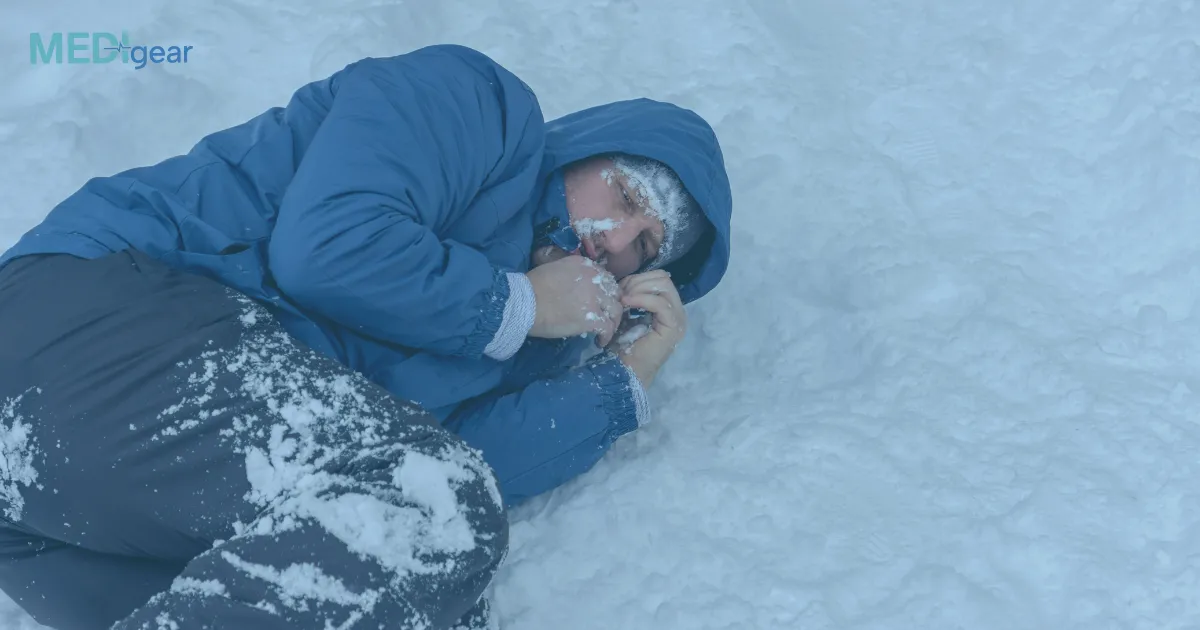
Hypothermia is a condition where the body temperature falls below normal levels, usually below 35°C. The body depends on a stable temperature to function properly. When heat loss exceeds heat production, organs such as the heart, brain, and lungs may not work effectively.
In emergency situations, factors like exposure to cold, wet clothing, trauma, or shock can increase the risk. Hypothermia can develop even in mild weather if a person is injured or unable to move.
Early prevention is important because hypothermia can worsen other medical conditions and slow recovery.
Causes
Hypothermia can occur due to several environmental and medical factors.
Common causes include:
- Exposure to cold weather
- Wet clothing or immersion in water
- Trauma or injury causing heat loss
- Shock or severe illness
- Prolonged immobility
- Low body weight or poor nutrition
Risk factors include older age, infants, and people with underlying health conditions. Emergency patients are especially vulnerable because their bodies may already be under stress.
Symptoms
Recognizing early signs of hypothermia is important for timely care.
Early Symptoms:
- Shivering
- Cold, pale skin
- Fatigue
- Confusion
Moderate Symptoms:
- Slurred speech
- Loss of coordination
- Slow breathing
- Weak pulse
Severe Symptoms:
- Severe confusion or unconsciousness
- No shivering
- Very slow heart rate
- Difficulty breathing
Ambulance crews monitor these symptoms closely during patient assessment.
Diagnosis
In emergency care, diagnosis is based on clinical assessment rather than complex tests.
Ambulance crews assess:
- Body temperature (if possible)
- Level of consciousness
- Skin condition
- Vital signs such as heart rate and breathing
They also consider environmental exposure and patient history. Quick identification allows immediate preventive measures.
Treatment and Management
Ambulance crews use several methods to prevent and manage hypothermia during prehospital care.
Passive Warming
- Covering the patient with blankets
- Removing wet clothing
- Shielding from wind and cold
Active Warming
- Using thermal or foil blankets
- Providing warmed IV fluids (if needed)
- Maintaining a warm ambulance environment
Insulation and Protection
- Placing insulating materials under the patient
- Minimizing exposure during transport
Monitoring
- Regularly checking vital signs
- Observing for worsening symptoms
These steps help stabilize the patient and prevent further heat loss until hospital care is available.
Prevention Tips
While ambulance crews manage hypothermia during emergencies, general prevention is also important.
- Wear warm, layered clothing
- Stay dry in cold conditions
- Avoid prolonged exposure to cold
- Maintain good nutrition
- Seek shelter when needed
Early awareness can reduce the risk of hypothermia in everyday situations.
FAQs
Why are trauma patients at risk of hypothermia?
Trauma can cause blood loss and shock, which reduce the body’s ability to maintain temperature.
Do ambulance crews always use blankets?
Yes, blankets are commonly used to reduce heat loss and keep patients warm during transport.
What is a thermal blanket?
A thermal blanket is a lightweight, reflective blanket that helps retain body heat.
Can hypothermia occur in mild weather?
Yes, especially if a person is wet, injured, or unable to move.
How quickly can hypothermia develop?
It can develop rapidly depending on environmental conditions and the patient’s health status.
Is hypothermia life-threatening?
Yes, severe hypothermia can affect vital organs and may become life-threatening if not treated.
Conclusion
Hypothermia is a serious condition that can develop quickly in emergency situations. Ambulance crews play a vital role in preventing heat loss through simple but effective measures such as warming, insulation, and monitoring. Their early actions help stabilize patients and reduce complications. Understanding these steps highlights the importance of prompt care and awareness. If hypothermia is suspected, seeking immediate medical attention is essential.