Most people think about aging by counting birthdays, this is called chronological age. But scientists today focus more on biological age, which reflects how healthy and functional the body is at a molecular level. Your biological age can be higher or lower than your actual age, depending on lifestyle, environment, genetics, and overall health.
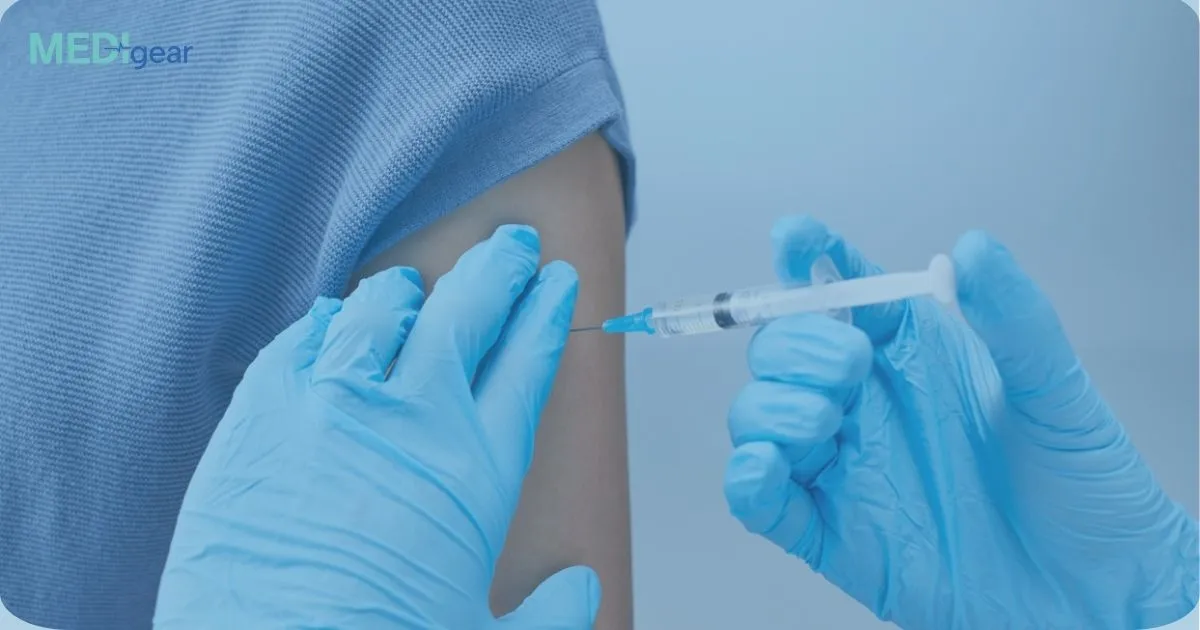
Recent research now suggests something unexpected: the shingles vaccine may help slow biological aging in older adults.
A new study published in the Journals of Gerontology, Series A found that vaccinated adults aged 70+ showed slower biological aging, particularly in areas linked to inflammation and immune function. Here’s what this means and why it matters.
What Is Biological Aging?
Biological aging reflects how well your cells, organs, and systems are functioning. It is influenced by:
-
Genetics
-
Chronic diseases
-
Diet and nutrition
-
Physical activity
-
Sleep
-
Stress
-
Smoking and alcohol use
Slowing biological aging could mean not only living longer, but living healthier — with better physical and cognitive function.
As Professor Eileen Crimmins from USC explains, slowing biological aging could help people enjoy more years of life with fewer chronic conditions.
Why Study the Shingles Vaccine for Aging?
Researchers analyzed data from nearly 4,000 adults aged 70+ from the U.S. Health and Retirement Study.
Past studies had already suggested that the shingles vaccine could reduce risks of:
-
Heart failure
-
Stroke
-
Coronary heart disease
-
Dementia
-
Overall mortality
Because of these links, scientists wanted to know whether the vaccine also influences deeper, biological processes connected to aging.
Key Finding: Vaccinated Adults Aged More Slowly
The study used seven biological aging markers, including:
-
Epigenetic aging
-
Inflammation
-
Blood flow
-
Adaptive and innate immunity
-
Transcriptomic aging
-
Neurodegeneration markers
Results
Older adults who received the shingles vaccine had:
-
Slower overall biological aging
-
Lower inflammation
-
Slower epigenetic aging
-
Better immune function
-
Better transcriptomic aging patterns
Researchers believe the vaccine’s impact on inflammation and immune regulation may play a significant role.
How Could a Vaccine Slow Aging?
Scientists discuss a few possible explanations:
1. Reduces Chronic Inflammation
The shingles virus (varicella-zoster) can reactivate later in life. Even without symptoms, reactivation may cause low-grade chronic inflammation — a known driver of aging.
Preventing reactivation may lower this inflammation.
2. Supports Better Immune Regulation
Vaccines can improve or “reset” immune function in ways that influence aging at the cellular level.
3. Alters Gene Expression
Some vaccines can influence molecular pathways related to aging, repair, and immune resilience.
Important Limitations of the Study
Experts urge caution. Dr. David Cutler, a family medicine physician, noted several key limitations:
-
Observational study — cannot prove cause-and-effect
-
Healthy-user bias — people who get vaccinated may already have healthier lifestyles
-
Self-reported vaccination data — may be inaccurate
-
Older vaccine type used — most participants had Zostavax, not the newer Shingrix
-
Limited timepoints — cannot capture long-term aging patterns
-
Sample limited to older U.S. adults — may not apply to younger groups
In short, the study shows a strong association, but not definite proof.
What Future Research Should Explore
Experts recommend:
-
Randomized controlled trials
-
Studies including more diverse populations
-
Long-term tracking of aging markers
-
Comparison of different vaccines
-
Testing the newer Shingrix vaccine
Understanding these connections could help build future strategies for slowing biological aging and improving health in later life.
Bottom Line
This new research suggests that the shingles vaccine may do more than prevent a painful infection — it may also be linked to slower biological aging.
While the findings are promising, more detailed and controlled studies are needed to confirm whether the shingles vaccine truly slows aging or whether healthier individuals are simply more likely to get vaccinated.
Still, the study adds to growing evidence that boosting immune health may support healthier aging at the cellular level.