Best Diagnostic Equipment Every Small Clinic Should Have
The GP surgery down the road diagnosed a heart arrhythmia that the patient had carried undetected for three years. The physio clinic on the high street caught a deep vein thrombosis that the patient thought was a pulled muscle. The walk-in centre next to the pharmacy spotted early-stage kidney disease from a urine dipstick and a blood pressure reading. None were teaching hospitals. None had an MRI or million-pound labs. They were small clinics with the right diagnostic equipment in the right room.
A small clinic does not need every device a hospital owns. But it needs diagnostic equipment that can catch the conditions its patients walk in with. Buy too little and patients leave without answers. Buy too much, and machines sit unused. The skill is knowing which diagnostic equipment earns its spot and which belongs somewhere bigger.
This guide covers the best diagnostic equipment every small clinic should have — with the honest detail that practice owners, clinic managers, and first-time buyers need. Medigear supplies certified diagnostic equipment to small clinics across the UK — and every tip here comes from real clinical conversations, not equipment catalogues.
ECG Machine
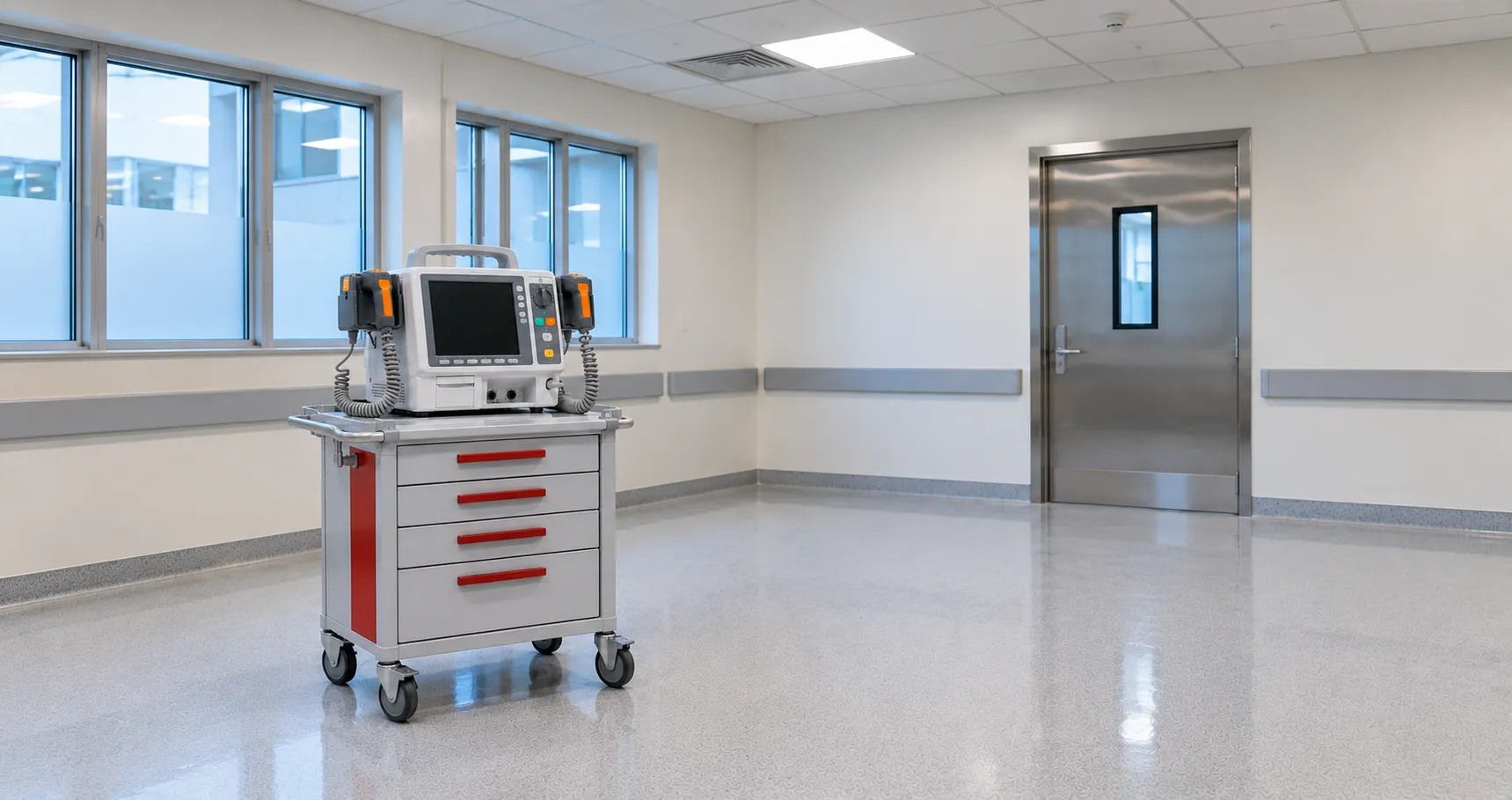
An ECG machine is the first piece of diagnostic equipment any small clinic should buy. Heart disease is the top killer in the UK. Many heart problems — AF, heart block, ischaemic changes — show no symptoms but appear clearly on a twelve-lead ECG. Without an ECG, a clinic cannot assess chest pain, screen for AF, or give the baseline heart data that every referral expects. For any practice seeing adults, an ECG is not optional. It is the starting piece of diagnostic equipment.
Pulse Oximeter
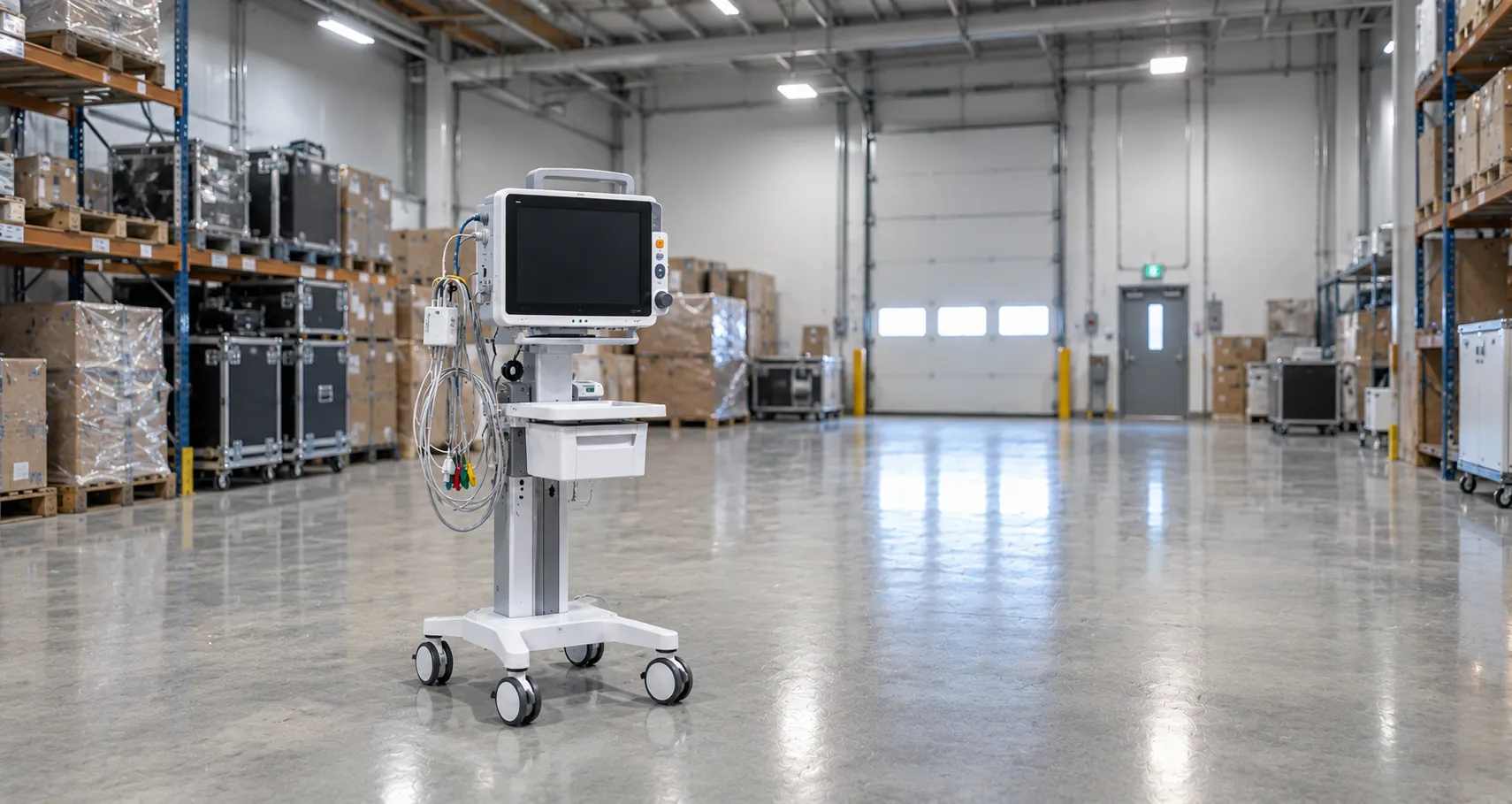
A pulse oximeter belongs on every desk and in every treatment room. It reads oxygen and pulse in seconds. No pain. No cost per test. No training beyond clipping it on. It guides calls in asthma, COPD, and any breathing problem. It spots patients who look fine but are quietly dropping. For value per pound, no other diagnostic equipment comes close.
Blood Pressure Monitor
A blood pressure monitor is so basic it barely feels worth listing — but buying the wrong one is a mistake small clinics make often. A tested, clinical-grade device with the right cuffs gives accurate readings that drive treatment. A cheap, untested one gives numbers that may be off by 10 points — enough to miss a diagnosis or start drugs nobody needs. Buy tested. Buy the right cuffs. Use it on every patient over forty.
Portable Ultrasound
Ultrasound was once beyond the reach of small clinics. Not any more. Portable devices now fit in a bag and cost a fraction of a cart system. A small clinic with basic ultrasound can check belly pain, confirm pregnancy, measure bladder volume, and guide needles — without sending the patient to the hospital for a scan that takes weeks. This diagnostic equipment pays back in faster answers, fewer referrals, and happier patients.
Blood Glucose Monitor
A blood glucose monitor seems obvious — but many small clinics rely on patient-owned devices rather than stocking a clinical-grade unit. Point-of-care testing provides results in seconds and supports urgent calls for diabetic emergencies and screening. A clinic seeing diabetic patients without this diagnostic equipment is trusting home devices that may not read right.
Otoscope and Ophthalmoscope
An otoscope and ophthalmoscope set covers ear and eye checks — two of the most common assessments in any small practice. A good otoscope with clear optics and bright light turns a quick ear check into a firm call on infection, wax, hole, or fluid. An ophthalmoscope checks the back of the eye for diabetic damage, changes in pressure, and nerve problems. Both cost little, last year, and cover a range no other diagnostic equipment matches at this price.
Spirometer
A spirometer measures lung function — and is essential for any clinic managing asthma and COPD. Without it, an asthma diagnosis is a guess. A COPD staging is incomplete. An inhaler response cannot be measured beyond asking how the patient feels. Portable spirometers are cheap, easy to use, and give the hard data that breathing guidelines require. A clinic without this diagnostic equipment is managing lungs in the dark.
Urine Analysis
A urine system — even a simple dipstick reader — adds a layer that costs almost nothing to run. It screens for infection, protein, blood, sugar, and ketones in under a minute. These results guide calls in kidney disease, diabetes, pregnancy, and infection — all of which walk through clinic doors daily. Step up from manual sticks to an auto reader, and you remove the colour-matching guesswork.
Dermatoscope
A dermatoscope helps small clinics assess skin lesions with confidence that used to need a dermatology referral. The magnified view of a mole, a rash, or a suspicious patch helps sort benign from worrisome faster and better than the naked eye. With skin cancer rising, this diagnostic equipment catches referrals earlier and cuts the wait for a specialist view.
Nebuliser
A nebuliser belongs in every small clinic that sees breathing problems. Asthma attacks, COPD flares, and acute wheeze all respond to mist drugs through a mask. Having this diagnostic equipment on site means treating the patient rather than calling an ambulance for something a ten-minute session could settle. It is the gap between managing a crisis and watching one unfold.
Linked Guides
For clinics building diagnostic capability step by step, our guide to symptoms of kidney problems covers how simple urine and blood pressure testing support early kidney detection in primary care. Our guide to sepsis explains how basic monitoring tools — thermometers, pulse oximeters, and blood pressure monitors — support early sepsis recognition in small clinic settings where every minute counts.
Scales and Height Measure
Weighing scales and a height measure belong in every room. BMI, weight trends, and child growth all start with good numbers. Clinical scales — calibrated and certified — feed into risk scores, drug dosing, and referral rules. Shop-bought bathroom scales do not meet that standard.
Emergency Readiness
Emergency readiness rounds out the list. A small clinic may not be an A&E, but patients collapse and crash in waiting rooms and treatment chairs. A basic resuscitation kit — bag-valve-mask, airways, adrenaline, oxygen — turns a helpless wait for an ambulance into active care. Every clinic that sees patients face-to-face needs emergency diagnostic equipment and response tools within arm's reach. This is not about playing hospital. It is about keeping someone alive until the hospital arrives.
Buying Smart
Buying diagnostic equipment for a small clinic is not about filling a room with machines. It is about covering the clinical ground your patients walk on — heart, lungs, blood, urine, skin, eyes, ears, and breathing — with tested, certified tools that give answers you can trust. Everything else is either a luxury for later or a device that belongs in a bigger building. Start with the essentials. Build from there.
Connectivity
Connectivity between diagnostic equipment matters more in small clinics than in hospitals — because small teams cannot afford time lost to manual entry. An ECG that sends results to the record. A BP monitor that logs without a handwritten note. A spirometer that exports to a referral letter. Connected diagnostic equipment saves minutes on every test — and across a full day, those minutes add up to an extra patient seen and a team that finishes on time.
Training
Staff training on every piece of diagnostic equipment is not a one-time event. New staff arrive. Old staff forget. Techniques drift. Readings slip. A yearly refresher on each device — how to use it, how to clean it, how to spot when it reads wrong — protects the accuracy that patients depend on. The device is only as good as the hands behind it.
Space Planning
Space planning shapes what diagnostic equipment fits and where it works best. A spirometer needs a quiet room. An ECG needs a couch. An ultrasound needs dim light. Cramming everything into one room creates noise, delays, and poor results. Mapping which equipment goes where — before it arrives — saves the chaos of fixing a clinic that was set up wrong on day one.
Insurance
Insurance and indemnity should cover every piece of diagnostic equipment you buy. A faulty reading from a certified device is defensible. A faulty reading from an uncertified one is not. Your insurer, your regulator, and your patient all expect the tools in your clinic to meet clinical standards. Cutting costs on certification does not save money. It is storing risk.
Certification
Always confirm CE marking, ISO 13485 standards, and full MHRA compliance before buying any diagnostic equipment. In a small clinic, every device connects to a patient. Every reading drives a call. Every call carries risk. Certified diagnostic equipment cuts that risk. Uncertified gear gambles with it.
Why Choose Medigear
Medigear supplies certified diagnostic equipment to small clinics, GP surgeries, walk-in centres, and private practices across the UK — with clear pricing, honest guidance, and after-sales support built for primary care. Whether you are equipping a new clinic from scratch or filling gaps in an existing setup, our team matches the right tools to your needs and your budget. Reach out to our team directly for guidance built around the patients walking through your door and the diagnoses you need to catch before they walk out again.
Conclusion
A small clinic is not a small hospital. It does not need everything a hospital has. But it does need the diagnostic equipment that catches the conditions walking through its door every day — heart problems, breathing issues, infections, diabetes, skin concerns, and the emergencies that nobody planned for. The right tools in the right room turn a small clinic into a powerful first line of care. Medigear stands alongside small practices with certified equipment and the honest guidance that primary care demands. Speak to our team today and build the diagnostic capability your patients deserve.
⚠️ This post is for general information only. We do not sell medications or provide prescriptions — Medigear.uk is a medical equipment supplier only.