What should a clinic know before spending thousands on a device that uses electromagnetic fields to treat pain and heal bone? What if the device works — but only for certain things? Evidence supports some claims. Not others. Wrong device. Wrong settings. Wrong expectations. Budget wasted. Patient's time wasted. That is the reality of buying PEMF therapy devices for clinics. Technology is real. Science is growing. But promises outrun evidence. The clinic that buys without knowing what to look for buys a device it cannot justify.
She ran a physiotherapy clinic. Patients ask about it after seeing it online. She researched. Devices from a few hundred to tens of thousands. Some with evidence. Some with marketing only. She bought a mid-range clinical-grade. Adjustable frequency. Adjustable intensity. Peer-reviewed evidence for MSK pain. CE mark. First month — chronic low back patients not responding to manual therapy alone. Outcomes improved. Pain scores dropped. Fewer return visits. Not magic. Right device. Right patients. Right expectations.
This guide covers what to know before buying PEMF therapy devices for clinics with the honest detail that physiotherapists, clinic owners, and procurement teams need. Medigear supplies certified PEMF therapy devices to clinics across the UK, and every point here comes from clinical demand, not device hype. Clinics sourcing certified PEMF therapy devices can explore the Medigear buyers portal for pricing, availability, and procurement built for clinical purchasing.
What Is PEMF
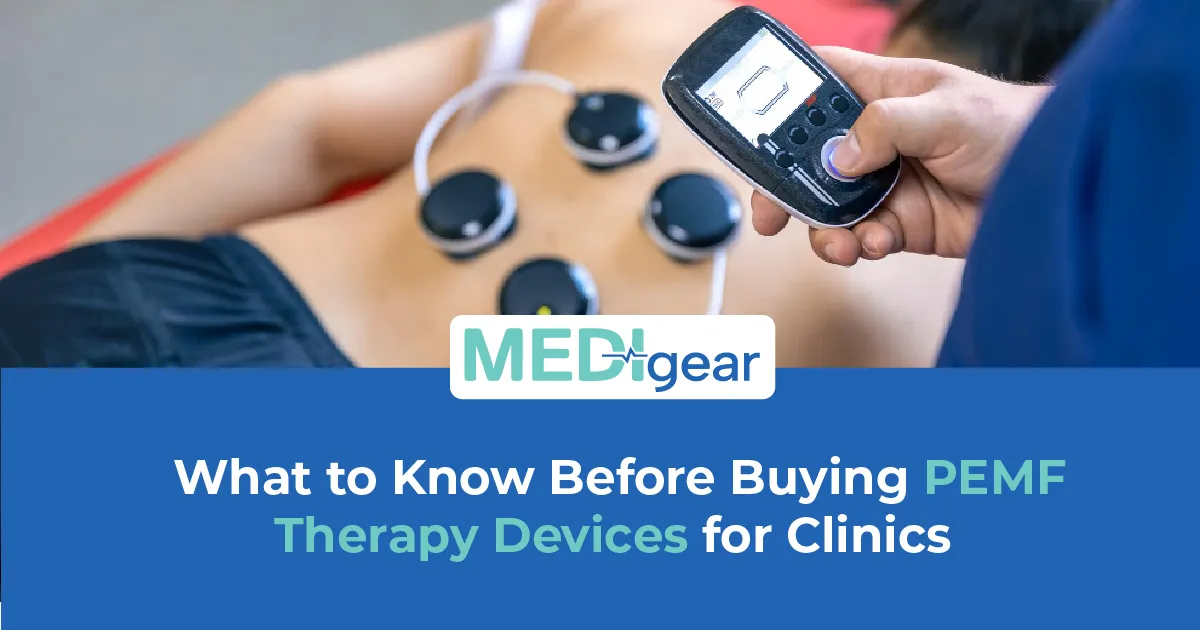
PEMF stands for pulsed electromagnetic field therapy. The device sends electromagnetic pulses. Set frequencies. Set intensities. Through the body. Into the cells. Proposed mechanisms — better cell metabolism. Improved blood flow. Less inflammation. Bone cell stimulation. Pain signal modulation. No heat. Non-thermal. Pulses brief. Frequencies low. Patient feels little or nothing. The effect — if it works — is cellular.
Evidence
The evidence base is growing but uneven. Strongest evidence — delayed and non-union fractures. A bone that failed to heal. Studies and guidelines support this. Knee OA — moderate. Several trials. Short-term benefit. Chronic back, fibromyalgia, post-op — emerging. Not definitive. Wound healing, depression, neurological — early-stage. Fractures — solid ground. Depression — hope. PEMF therapy device manufacturers wanting to list clinical products where physiotherapy and orthopaedic clinics are searching can reach buyers through the Medigear advertising platform.
Frequency and Intensity
Frequency and intensity are the two core parameters. Frequency — hertz — sets the pulse rate. Low suits bone and chronic pain. Higher may suit soft tissue. Intensity — gauss or millitesla — sets field strength. Clinical-grade offers adjustable parameters. Consumers often do not. Fixed settings — every condition is the same. Adjustable — each condition differently. Bone does not respond like cartilage. Nerve does not respond like muscle.
Clinical vs Consumer
Clinical-grade versus consumer-grade is the first decision. Consumer — mats, pads, bands sold to patients. Cost less. Lower output. Fixed settings. Limited evidence. Clinical-grade costs more. Higher output. Adjustable. Protocols built in. Compliance included. The clinic needs clinical standards. Not a consumer product with a new label. Reach out to our team for guidance on matching PEMF therapy devices to your clinic's case mix, treatment goals, and regulatory requirements.
Regulatory Compliance
Regulatory compliance matters. In the UK, a clinical PEMF therapy device must carry UKCA or CE mark. Confirms safety and performance have been assessed. No marking? May fail on electrical safety. EMC. Output accuracy. Unregulated — clinic carries liability. CE-marked — device carries evidence. Suppliers of PEMF therapy devices, applicators, and accessories can register through the Medigear supplier portal to connect with clinics building or upgrading their electrotherapy services.
Protocols
Treatment protocols determine how the PEMF therapy device is used. Frequency. Intensity. Duration. Sessions. Interval. Bone protocols differ from pain. Acute from chronic. Evidence-based protocols help. A manual and no guidance means guessing.
Applicators
Applicators shape how the field reaches the patient. Flat pads for large areas. Back. Thigh. Ring for extremities. Wrist. Ankle. Focused for joints and fracture sites. Match applicator to area. Flat pad on a finger — diffuse. Focused on the same joint — precise. Only as good as the applicator getting the field to the tissue. Our guide to cauda equina syndrome covers the clinical monitoring tools used across spinal and musculoskeletal services — the same assessment principles apply when evaluating whether PEMF therapy is producing measurable outcomes in your patients.
Patient Selection
Patient selection determines outcomes. PEMF therapy devices work best when the indication matches the evidence. Non-union fractures — strong evidence. Knee OA — moderate. Chronic low back pain — emerging. Use on everyone — diluted. Select by evidence — data that justifies the cost.
Cost
Cost ranges widely. Consumer devices start at a few hundred. Clinical-grade PEMF therapy devices range from several thousand to tens of thousands. The cost depends on output power, adjustable parameters, applicator range, regulatory status, and evidence base. Cheapest may lack output for bone. The most expensive may have features never used. Buy for the conditions treated. Not the spec sheet presented.
Measuring Benefit
Can your clinic measure whether the PEMF therapy device is producing clinical benefit? Pain scores before and after. Functional outcomes. Range of motion. Fracture imaging. Measurable improvement — justified. No change — same cost. Nothing proved. Our guide to rhabdomyolysis covers the monitoring tools that track muscle and metabolic outcomes — the same outcome-tracking principles apply when building the evidence base for PEMF therapy in your clinic.
Consent
Does your clinic have a patient consent process that explains what PEMF therapy can and cannot do? Expect a cure, get modestly let down. Expect modest, get modest — helped. Expectations set satisfaction. Not the device. Companies seeking long-term collaboration on PEMF therapy device supply, servicing, and clinical support can explore the Medigear partnership programme for ongoing opportunities beyond a single order.
Contraindications
Does your clinic screen for contraindications before every PEMF therapy session? Patients with cardiac pacemakers. Patients with cochlear implants. Patients with active malignancy over the treatment site. Pregnant patients over the abdomen. Electronic implants and electromagnetic fields do not mix. Thirty seconds of screening prevents months of complications. Checklist at the door. Safe for those who should receive it. Away from those who should not.
Why This Device
What happens when a patient asks why your clinic chose one PEMF therapy device over another? The answer should be evidence. Not price. Not the sales rep. Not the brochure. The device chosen is based on evidence that the clinician can defend. Chosen on price or sales pitch? Fails the first audit.
Integration
Can your clinic integrate PEMF therapy into existing treatment pathways rather than offering it as a standalone? Manual therapy plus exercise plus PEMF therapy for knee OA — a pathway. PEMF alone — a device. Pathway produces outcomes. The device alone produces dependency. Works best as part of a plan. Not the whole plan.
Session Tracking
Does your clinic track the number of sessions needed to produce benefit for each condition? Bone healing may require 20 to 30 sessions. Knee OA may respond in ten. Chronic back pain may need 15 minutes before the patient and the clinician can make a judgment. Set expectations at the start. Measure at the midpoint. Efficient. Treat without review? Wasted sessions. Wasted money. No purpose.
Non-Responders
How does your clinic handle the patient for whom PEMF therapy produces no measurable benefit after the agreed number of sessions? Stop. Reassess. Consider whether the indication was appropriate. Whether the protocol matched. Whether the applicator was correct. Continuing a non-responder wastes money and trust. Stop. Explain. Redirect. Protect both.
Calibration
Does your clinic have a maintenance and calibration schedule for the PEMF therapy device? Output drifts over time. Applicators wear. Cables degrade. Seventy per cent output means seventy per cent treatment. Annual calibration minimum. Keeps output at the protocol level. Accurate on day one. May not be on day five hundred.
Outcome Data
Can your clinic justify the PEMF therapy device purchase to commissioners or insurers with outcome data? Log of patients, conditions, protocols, outcomes. Evidence the budget holder needs. Data produces confidence. Claims without data produce doubt.
Training
What training does your clinical team need before using the PEMF therapy device on patients? Parameter selection. Protocol matching. Applicator placement. Contraindication screening. Know the evidence — select the right patients. Do not — treat everyone the same and wonder why outcomes are mixed. Training costs a day. Outcomes it improves last years.
Warranty
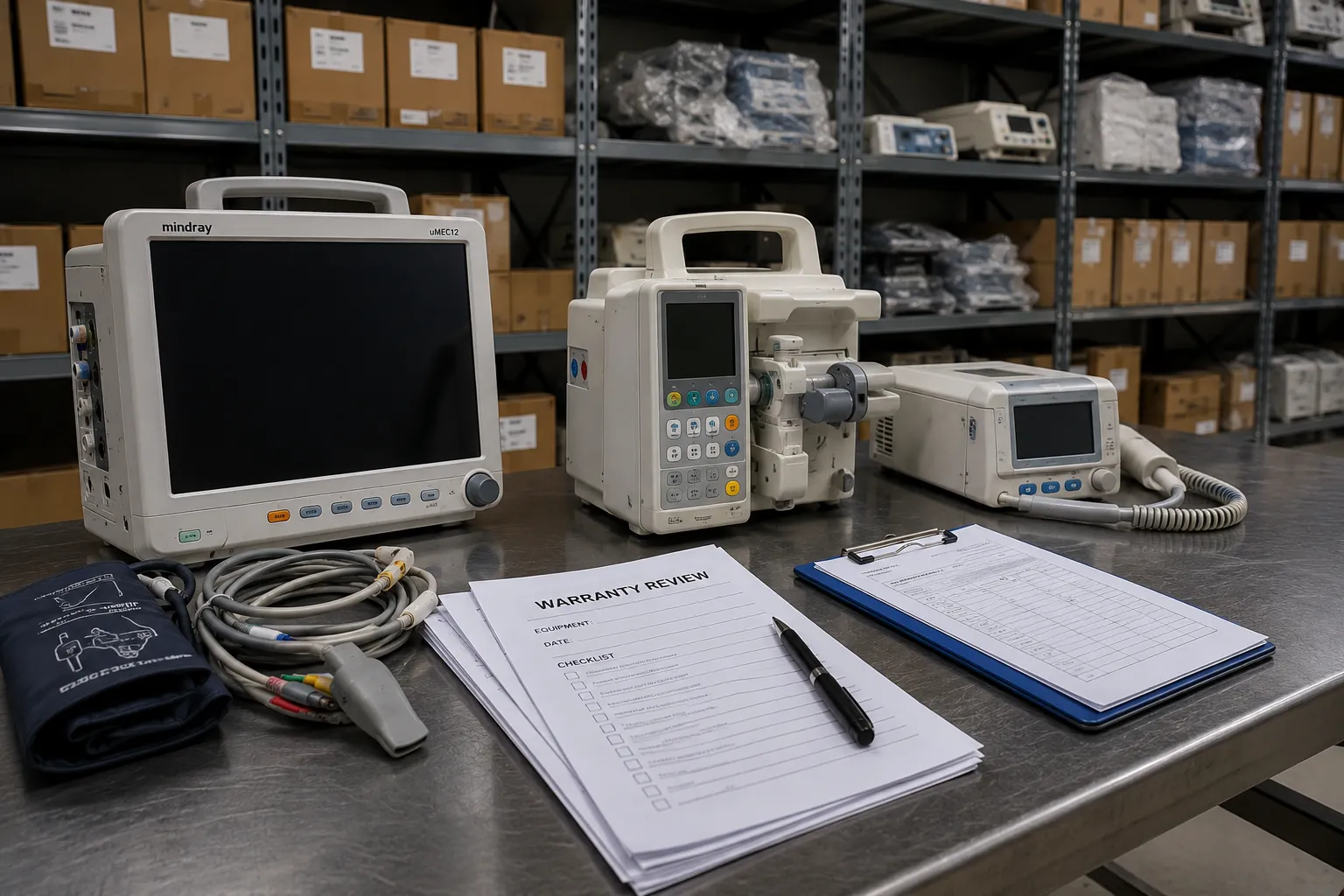
What does your PEMF therapy device warranty cover — and what does it not? Output accuracy. Applicator replacement. Cable failure. Software updates. The warranty that covers the unit but not the applicators leaves the clinic paying for the parts that wear fastest. Read warranty before signing. Not after the first failure costs more than expected.
Pricing Structure
Does your clinic have a clear pricing structure for PEMF therapy that the patient understands before treatment begins? Cost per session. Expected number of sessions. Total estimated cost. What happens if the agreed course does not produce benefit. Patient who knows the cost upfront trusts the process. Session by session — they do not.
Why Choose Medigear
Medigear supplies certified PEMF therapy devices, applicators, and clinical accessories to physiotherapy clinics, orthopaedic services, and rehabilitation centres across the UK. Whether you are adding PEMF therapy to an existing service, upgrading from consumer to clinical grade, or building an evidence-based electrotherapy pathway, our team matches the right device to your patients and your practice. Reach out to our team for guidance built around the clinics that want the technology to work — and the honest assessment of where it does.
Conclusion
What should a clinic know before buying PEMF therapy? She ran a physio clinic. Patients asking. Devices from hundreds to tens of thousands. Some with evidence. Some with marketing only. She bought clinical-grade. Adjustable. CE marked. Peer-reviewed for MSK pain. Outcomes improved. Pain scores dropped. Not magic. Right device. Right patients. Right expectations. The evidence is strongest for fracture healing. Moderate for knee OA. Emerging for chronic pain. Clinical-grade not consumer. Adjustable not fixed. CE marked not unregulated. Protocols evidence-based. Applicators matched. Outcomes measured. The clinic that buys on evidence justifies the cost. The one that buys on promise hopes for the best. Medigear stands alongside physiotherapy and orthopaedic teams with certified PEMF therapy devices and the honest guidance that evidence-based purchasing demands. Speak to our team today — because the device that works is the one bought for the right reasons.
⚠️ This post is for general information only. We do not sell medications or provide prescriptions — Medigear.uk is a medical equipment supplier only.