Hypertension, commonly known as high blood pressure, is one of the most widespread health conditions worldwide. It occurs when the force of blood against the artery walls remains consistently elevated.
Often called the “silent killer,” hypertension may not cause noticeable symptoms for years. However, if left untreated, it can gradually damage vital organs and lead to serious, life-threatening complications.
What Is Hypertension?
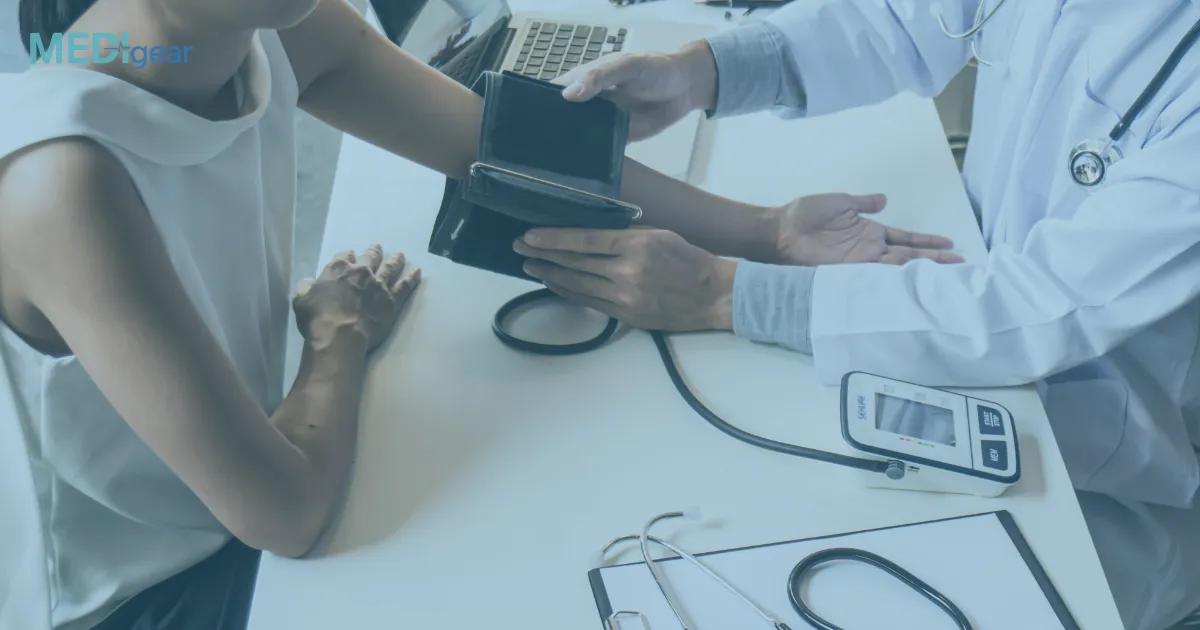
Hypertension is diagnosed when blood pressure readings remain persistently high, typically 140/90 mmHg or above (or lower thresholds in some guidelines).
Blood pressure is measured using two numbers:
- Systolic pressure – pressure when the heart beats
- Diastolic pressure – pressure when the heart rests between beats
When these levels remain elevated for long periods, blood vessels and organs become damaged.
Why Untreated Hypertension Is Dangerous
Constant high pressure damages the inner lining of arteries. Over time, this can lead to:
- Narrowed or hardened arteries
- Reduced blood flow to organs
- Increased workload on the heart
These changes significantly raise the risk of serious health problems.
Major Complications of Untreated Hypertension
Heart Disease
High blood pressure forces the heart to work harder, which can lead to:
- Coronary artery disease
- Heart failure
- Enlargement of the heart (left ventricular hypertrophy)
These conditions may cause chest pain, fatigue, or shortness of breath.
Stroke
Hypertension is one of the leading causes of stroke.
High pressure can damage or rupture blood vessels in the brain, leading to:
- Ischemic stroke (blocked blood vessel)
- Hemorrhagic stroke (bleeding in the brain)
Stroke may cause paralysis, speech problems, or loss of consciousness.
Kidney Damage
The kidneys filter waste from the blood through tiny blood vessels.
High blood pressure can damage these vessels, leading to:
- Chronic kidney disease
- Reduced kidney function
- Kidney failure requiring dialysis
Vision Problems
Hypertension can damage the delicate blood vessels in the eyes, causing hypertensive retinopathy.
Possible effects include:
- Blurred vision
- Vision loss
- Eye bleeding
Aneurysm
Persistent high pressure can weaken artery walls, causing them to bulge and form an aneurysm.
If an aneurysm ruptures, it can cause life-threatening internal bleeding.
Peripheral Artery Disease
Narrowed arteries in the limbs can cause:
- Leg pain during walking
- Reduced circulation
- Cold or numb extremities
Cognitive Decline
Long-term hypertension may affect brain function and increase the risk of:
- Memory problems
- Vascular dementia
- Reduced cognitive performance
Symptoms of Advanced Hypertension
Although many people experience no symptoms, severe or long-standing hypertension may cause:
- Severe headaches
- Chest pain
- Shortness of breath
- Nosebleeds
- Vision changes
- Irregular heartbeat
These symptoms require medical evaluation.
Who Is at Higher Risk?
Risk factors for hypertension include:
- Older age
- Family history
- Obesity
- High salt intake
- Smoking
- Excess alcohol consumption
- Physical inactivity
- Chronic stress
Diagnosis
Doctors diagnose hypertension using:
- Blood pressure measurement
- Ambulatory blood pressure monitoring
- Blood tests
- Urine tests
- ECG or echocardiogram
- Eye examination
Regular monitoring helps detect complications early.
Treatment
Treatment aims to lower blood pressure and prevent organ damage.
Treatment options include:
- Lifestyle changes
- Blood pressure medications
- Dietary adjustments
- Regular physical activity
- Stress management
Early treatment significantly reduces the risk of complications.
Prevention
Healthy lifestyle habits can help prevent hypertension and its complications:
- Maintain a healthy weight
- Reduce salt intake
- Exercise regularly
- Eat a balanced diet
- Avoid smoking
- Limit alcohol consumption
- Monitor blood pressure regularly
Conclusion
Untreated hypertension can silently damage the heart, brain, kidneys, eyes, and blood vessels. Because symptoms may not appear until complications develop, regular blood pressure monitoring and early treatment are essential.
Managing hypertension through lifestyle changes and medical care can significantly reduce the risk of serious health problems and improve long-term health outcomes.
Disclaimer
This article is intended for educational purposes only and should not be considered medical advice, diagnosis, or treatment. Hypertension and its complications require proper medical evaluation and management. Anyone experiencing symptoms such as severe headaches, chest pain, or shortness of breath should seek medical care immediately. MediGear does not provide medical diagnosis or treatment recommendations.