Cirrhosis: Your Liver Gave You a Thousand Chances You Missed Them All
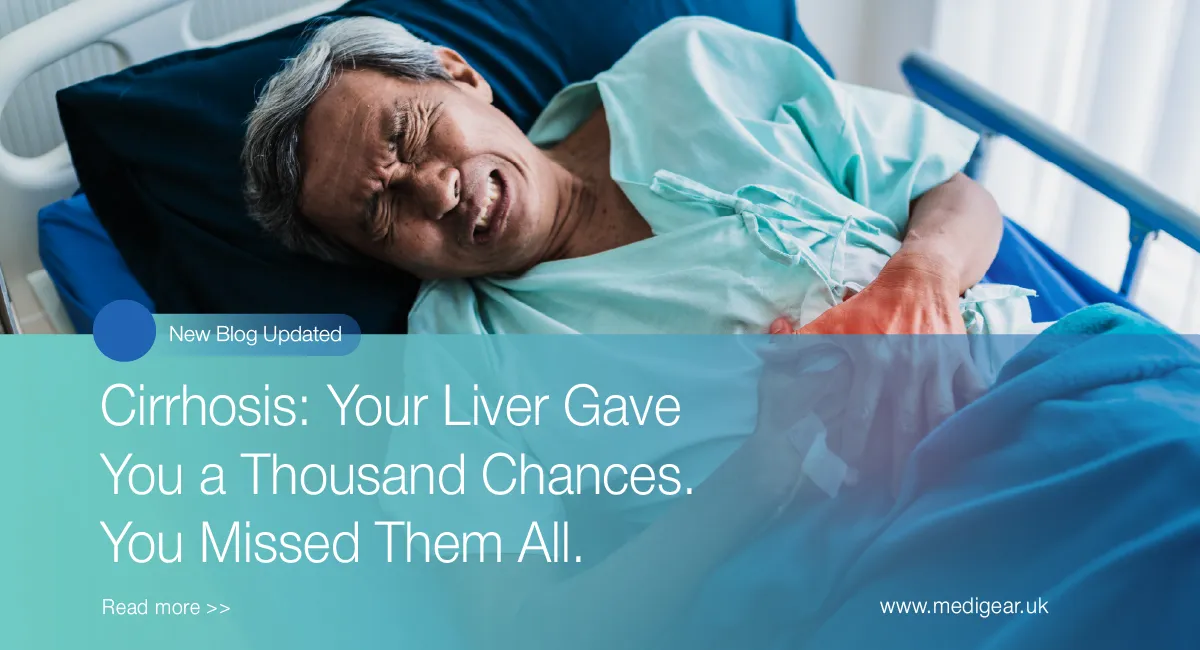
His liver had been dying for twelve years. He did not know. He drank most evenings — not enough to pass out, not enough to miss work, just enough to feel the day let go. A few pints after a shift. A bottle of wine on the weekend. Nothing that anyone would have called a problem. His GP never asked about alcohol. His blood tests came back normal for a decade. And then, one morning, his belly swelled, his skin turned yellow, and he vomited blood into a sink he could barely reach. The liver that had silently absorbed twelve years of quiet damage had run out of second chances. He was forty-seven. And he looked eighty.
Cirrhosis is the final stage of chronic liver disease. It happens when the liver — the most forgiving organ in the body — stops forgiving. Years of damage from drink, viral hepatitis, fatty liver, or other causes slowly swap healthy tissue for scar. Scar blocks blood flow, chokes the liver's cleaning power, and shuts down jobs the body cannot live without. By the time cirrhosis shows symptoms, the damage is usually deep and often beyond repair. The liver gave warnings. Nobody listened.
This guide explains cirrhosis with the honesty this disease demands. How the damage builds, what causes it, why the liver hides it so well, what the signs look like when they finally show, how diagnosis works, and how the right clinical equipment supports detection that catches scarring before it becomes failure. Medigear supplies certified diagnostic equipment to hospitals and clinics across the UK — because cirrhosis caught at the scarring stage is manageable. Caught at the failure stage, it is fatal.
The Liver
The liver is the body's chemical factory. It breaks down toxins, processes drugs, makes bile, stores energy, builds clotting factors, and filters every drop of blood leaving the gut before it reaches the body. It is the only organ that regrows — fixing lost tissue in ways nothing else can match. But regrowth has limits. When damage runs ahead of repair, scar fills the gaps. Scar does not filter. Does not produce. It just blocks the paths healthy cells need to work.
Alcohol
Alcohol is the most common cause of cirrhosis in the UK. Not binges. Not the kind that makes headlines. The steady, daily, accepted kind that stacks up over the years without anyone raising a flag. The liver turns alcohol into toxic waste that kills liver cells. Cells die. The liver fixes them. More die. It fixes again. Each fix leaves more scars. Over ten, fifteen, twenty years, scar builds until there is more scar than liver. That tipping point is cirrhosis. Most patients cross it without feeling a thing.
Fatty Liver
Non-alcoholic fatty liver disease — NAFLD — a growing cause of cirrhosis — may affect a quarter of all adults on earth. Most do not know they have it. Fat builds in liver cells in people who barely drink — driven by obesity, diabetes, insulin problems, and a bad diet. Most cases stay mild. But a chunk of progress to swelling, then to scarring, then to cirrhosis — the same end as alcohol, reached through a different door.
Viral Hepatitis
Viral hepatitis — B and C — causes cirrhosis through chronic infection that swells the liver for years. Hep C is now curable. Hep B is manageable with long-term drugs. Untreated, both chew through liver tissue until cirrhosis — and then cancer — arrives. Our guide to hepatitis B and C covers how these infections overlap with liver disease and why early testing changes outcomes.
Other Causes
Autoimmune hepatitis, primary biliary cholangitis, primary sclerosing cholangitis, and inherited conditions like haemochromatosis and Wilson's disease all cause cirrhosis through paths that have nothing to do with alcohol or lifestyle. These are diseases of biology, not behaviour. The damage from these causes is not earned. It is inherited or inflicted by the immune system.
Symptoms
Symptoms of cirrhosis arrive late because the liver hides damage far longer than any other organ. A patient can lose sixty to seventy percent of function before anything shows. When signs come, they rush — tiredness that rest cannot fix, loss of hunger, nausea, weight loss, and a feeling that something is deeply wrong without being able to name it. As cirrhosis worsens, the signs get louder — yellow skin, belly swelling from fluid, puffy ankles, easy bruising, confusion from toxins the liver cannot clear, and vomiting blood from gullet veins that burst under the pressure of rerouted blood.
Diagnosis
Diagnosis starts with blood tests. Liver tests — ALT, AST, bilirubin, albumin, clotting time — show how well the liver works. But normal blood tests do not rule out early cirrhosis. The liver can scar badly while still posting normal numbers. Scoring tools — FIB-4 and NAFLD fibrosis score — mix blood results with age to estimate scarring without a needle.
Imaging
Ultrasound is the first imaging step. A liver ultrasound shows size, shape, texture, fluid, masses, and signs of high pressure in the liver's blood supply. Our guide to the top 20 trusted medical equipment companies covers the global brands behind the ultrasound and imaging systems that lead liver diagnostics. FibroScan reads liver stiffness without needles — giving a fibrosis estimate that guides care faster than a biopsy.
Biopsy
Biopsy is still the gold standard — but it is invasive, carries bleeding risk, and is being swapped for needle-free tools in many settings. For most, blood tests, imaging, and elastography give enough data to stage cirrhosis and plan care without a needle.
Linked Guides
For clinics managing patients with conditions that overlap with liver disease, our guide to symptoms of kidney problems covers how kidney function drops alongside liver failure in ways that multiply the danger — because hepatorenal syndrome turns a liver crisis into a double organ failure that changes survival odds.
Complications
Complications of cirrhosis are what kill. High pressure forces blood through backup routes, swelling gullet veins that can burst and bleed without warning. Fluid fills the belly, presses on the lungs, and breeds infection. Toxins that the liver cannot clear cloud the brain — starting with confusion, ending with coma. Liver cancer grows in cirrhosis patients at rates that demand six-monthly checks with ultrasound and blood tests.
Treatment
Treatment cannot undo cirrhosis. It holds what is left. Stopping the cause — quitting drinking, curing hep C, losing weight — halts damage and lets what remains hold the line. Drugs manage fluid, prevent bleeds, and clear brain toxins. Endoscopy treats swollen gullet veins before they burst. For patients past management, transplant is the only path — and fewer than half who need one ever get it.
Alcohol Screening
Alcohol screening in primary care is the cheapest cirrhosis prevention tool that exists. A ten-second AUDIT-C questionnaire flags risky drinking before the liver shows a single sign of trouble. Yet most GP surgeries do not use it. A question asked today prevents a scan needed in ten years and a transplant needed in twenty. That question costs nothing. Skipping it costs livers.
Mental Health
Mental health and cirrhosis collide on multiple fronts. Alcohol-related cirrhosis carries shame that stops patients seeking help. Fatigue and brain fog strip independence. A cirrhosis diagnosis handed without care destroys hope at the moment the patient needs it most. Support — for guilt, for grief, for the weight of living with a failing organ — belongs in every cirrhosis care plan. Not at the end. At the start.
Diet and Exercise
Diet and exercise change the course of fatty liver cirrhosis more than most patients believe. Losing just five to ten per cent of body weight cuts liver fat, lowers swelling, and can reverse early fibrosis before the point of no return. No drug does this as well as real food and a daily walk. The liver is asking for help. A lifestyle shift is the answer it can still use.
Stigma
Stigma kills more cirrhosis patients than the disease itself — by keeping them away from the doctor until the liver has already failed. Nobody blames a patient for a heart attack. But a patient with cirrhosis from drinking faces judgment, shame, and a clinical distance that makes them less likely to seek help and less likely to be referred early. The liver does not care why it was damaged. Neither should the team be trying to save it.
Screening
Screening in high-risk groups catches cirrhosis years before symptoms arrive. Patients with diabetes, obesity, heavy drinking, or hepatitis should have liver blood tests and fibrosis scoring as part of routine care. Adding a FibroScan to annual review catches scarring at the stage where stopping the cause still matters — before the liver crosses the line from damaged to dying.
Why Choose Medigear
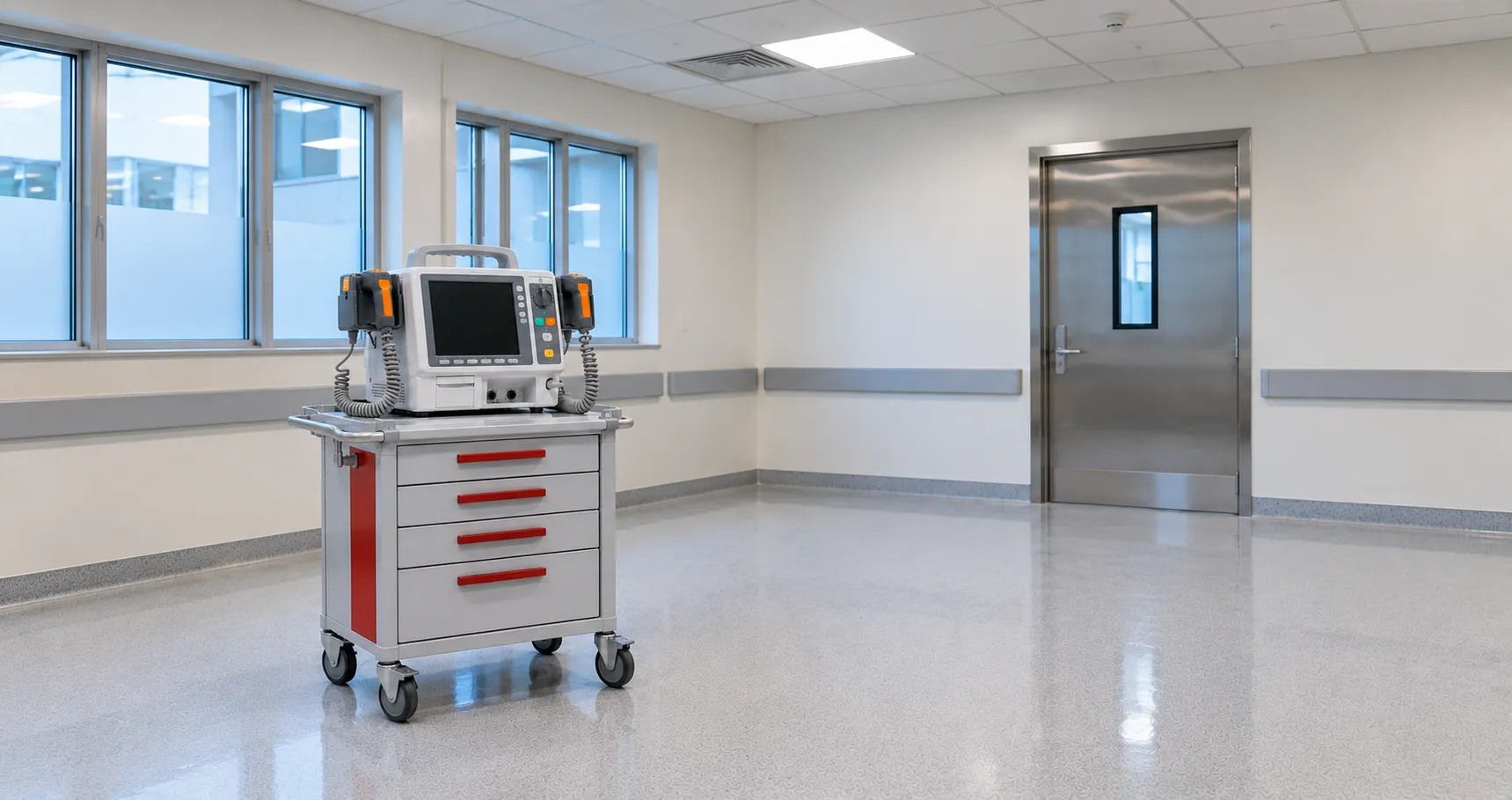
Medigear supplies certified diagnostic equipment — including ultrasound machines, liver tools, and patient monitors — to hospitals, hepatology clinics, and GP surgeries across the UK. Whether you are building a liver screening pathway, upgrading imaging, or equipping a gastro service, our team matches the right tools to your needs. Reach out to our team directly for guidance built around the organ that forgave everything — until it could not forgive any more.