 Aman Yadav
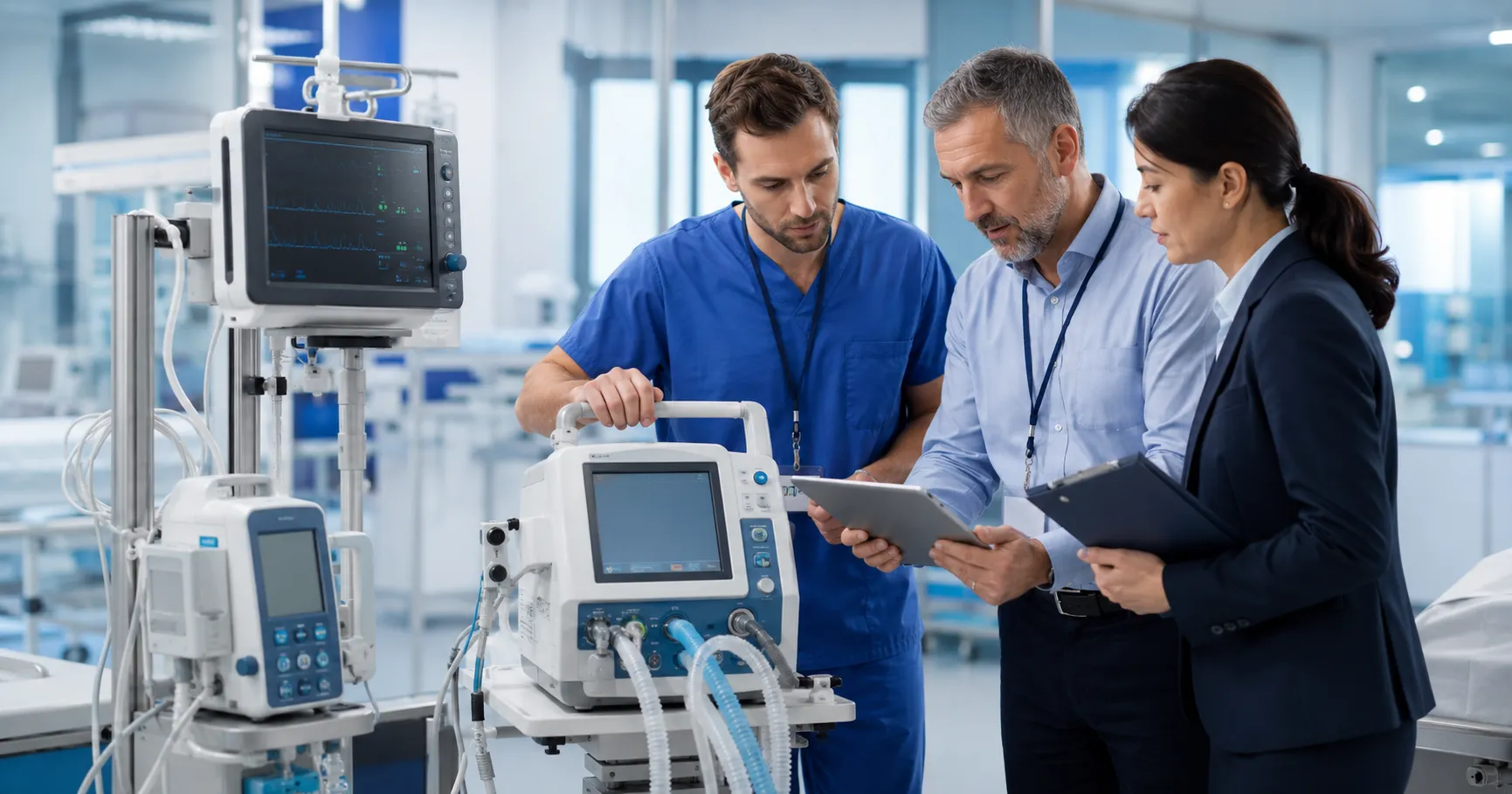
 Inside intensive care units and emergency care environments, airway management is one of the most important aspects of patient support. Critically ill patients often experience breathing difficulties due to mucus buildup, fluid accumulation, respiratory complications, or a reduced ability to clear secretions independently. Suction machines help healthcare professionals maintain clear airways and support respiratory stability during critical care treatment.
These devices are considered essential across hospitals, ICUs, operating rooms, ambulances, and emergency response systems because rapid airway clearance can directly affect patient safety and treatment efficiency. Modern suction systems are also becoming more portable, quieter, and digitally integrated to support evolving healthcare workflows.
Healthcare facilities planning critical care infrastructure upgrades frequently coordinate procurement discussions through Medigear Healthcare Buyers Network when evaluating respiratory support and emergency care equipment.
Suction Machines Help Maintain Clear Airways
The primary role of a suction machine is to remove fluids and secretions that may obstruct breathing.
Supporting Airway Clearance During Respiratory Distress – Suction systems remove mucus, blood, saliva, and other fluids that can interfere with airflow and oxygen delivery.
Helping Prevent Airway Blockage – Critically ill patients may be unable to clear secretions independently due to sedation, neurological conditions, or respiratory weakness.
Supporting Safer Ventilator Management – Patients receiving mechanical ventilation often require regular suction support to maintain airway stability.
Respiratory support infrastructure is closely connected to ICU ventilation management, and many hospitals reviewing airway support systems also explore operational considerations in "How Ventilators Support Critical Care Patients" when strengthening critical care readiness.
Suction Machines Are Essential in Intensive Care Units
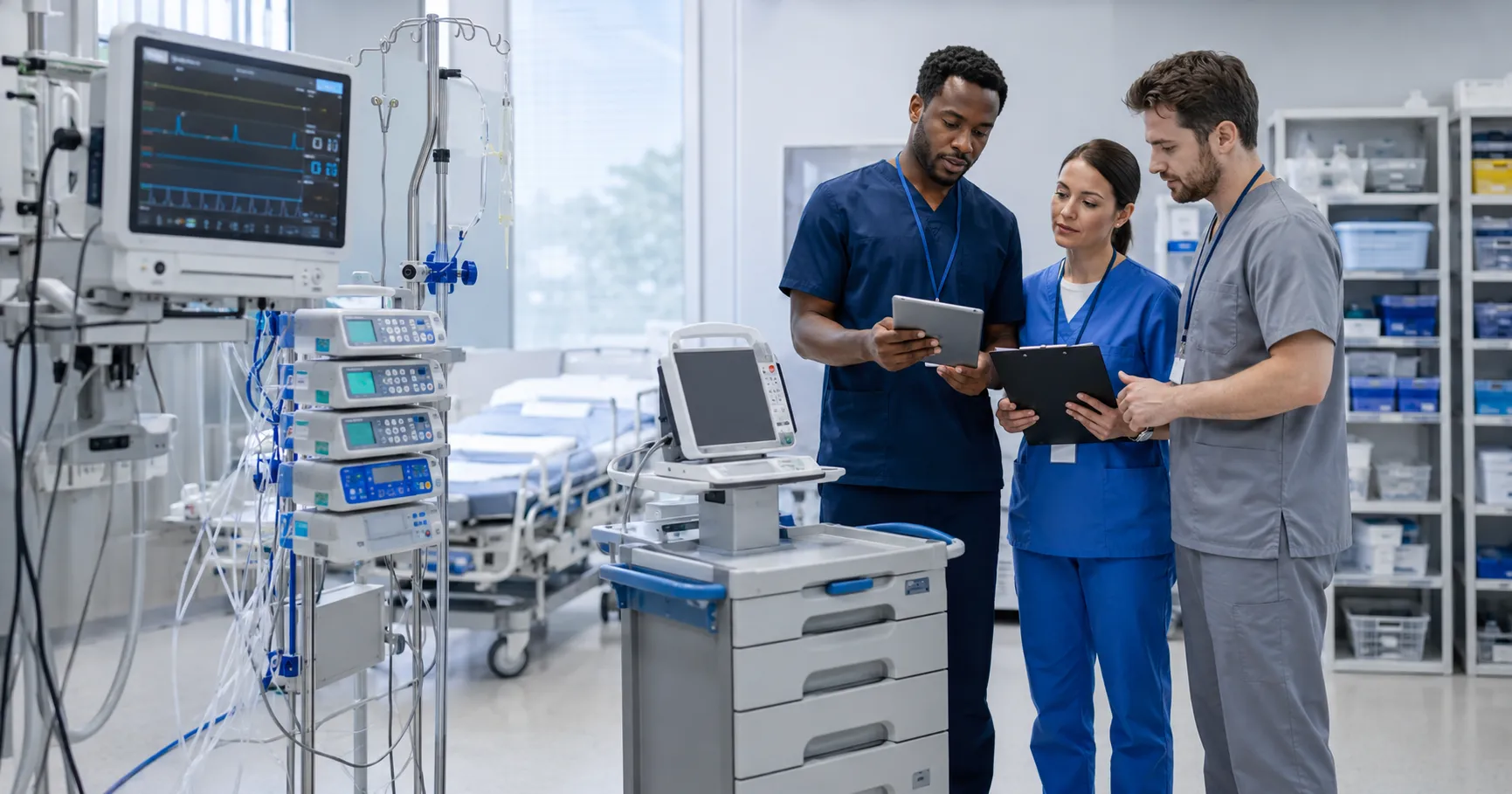
ICU patients frequently require continuous airway monitoring and respiratory support.
Supporting Intubated Patients – Patients connected to ventilators often require suctioning to safely remove airway secretions.
Improving Emergency Response Readiness – ICU teams depend on immediate access to suction during respiratory emergencies and cardiac arrest.
Helping Maintain Oxygenation Efficiency – Clear airways improve airflow management and the effectiveness of respiratory support.
Because ICU patients may experience sudden respiratory instability, suction systems remain a permanent part of bedside critical care infrastructure.
Different Types of Suction Machines Serve Different Healthcare Needs
Hospitals use multiple categories of suction systems depending on clinical applications.
Portable Suction Machines for Emergency Mobility – Compact units support ambulance transport, bedside procedures, and emergency response situations.
Wall-Mounted Central Suction Systems – Many hospitals maintain centralised suction infrastructure integrated into the walls of ICUs and operating rooms.
Battery-Powered Suction Devices – Portable battery-operated systems improve operational flexibility during transport or temporary care environments.
Healthcare suppliers that support respiratory equipment distribution frequently collaborate through Medigear Medical Supplier Solutions to improve access to critical-care airway management technologies.
Operating Rooms Depend Heavily on Suction Technology
Surgical environments require constant fluid management and airway control.
Maintaining Clear Surgical Fields – Suction systems help remove blood and other fluids during procedures, improving visibility for surgical teams.
Supporting Airway Management During Anaesthesia – Patients may require suctioning to maintain respiratory safety.
Reducing Procedure Interruptions – Reliable suction equipment helps operating teams maintain smoother procedural workflows.
Suction technology remains closely integrated with operating room safety infrastructure and emergency preparedness systems.
Portable Suction Systems Improve Emergency and Transport Care
Mobility has become increasingly important in modern healthcare operations.
Supporting Ambulance Response Teams – Emergency responders use portable suction devices during patient transport and field stabilisation.
Improving Bedside Accessibility – Portable units allow healthcare providers to deliver airway management rapidly across different departments.
Supporting Temporary Critical Care Expansion – Mobile respiratory support equipment improves flexibility in high-patient-demand situations.
Portable healthcare technologies continue to grow in importance across emergency care and transport workflows.
Infection Control Is a Major Consideration for Suction Equipment
Critical care environments require strict hygiene management.
Disposable Collection Components – Many systems use disposable canisters and tubing to help reduce contamination risks.
Simplified Cleaning Procedures – Smooth external surfaces and accessible designs improve disinfection efficiency.
Reducing Cross-Contamination Concerns – Proper maintenance and replacement of suction accessories help support infection control protocols.
Hospitals that strengthen equipment hygiene programs often reference the operational guidance in Essential Maintenance Tips for Imaging Equipment, as preventive maintenance and sanitation practices affect multiple healthcare technologies.
Modern Suction Machines Are Becoming More Advanced
Suction equipment continues to evolve alongside broader improvements in healthcare technology.
Quieter Operational Design – Newer systems reduce noise levels inside patient care environments.
Improved Pressure Regulation Controls – Adjustable suction settings support safer airway management across different patient types.
Compact and Lightweight Construction – Smaller devices improve portability and bedside workflow efficiency.
Healthcare organisations modernising connected ICU environments often review broader discussions of healthcare technology in Latest Innovations in Medical Imaging Technology, as integrated healthcare systems increasingly influence operational planning across departments.
Maintenance and Reliability Are Critical for Emergency Equipment
Suction systems must remain fully operational during emergencies.
Routine Vacuum Performance Testing – Pressure levels should be checked regularly to maintain dependable suction capability.
Tubing and Filter Inspection – Worn or blocked components may reduce suction efficiency and patient safety.
Battery and Power Backup Verification – Portable systems require reliable backup power for emergency transport.
Healthcare technology providers that introduce emergency respiratory support systems to hospitals often use the Medigear Healthcare Advertising Platform to improve visibility among healthcare administrators and procurement teams.
What Hospitals Should Consider Before Purchasing Suction Machines
Healthcare facilities evaluate several operational factors before selecting suction systems.
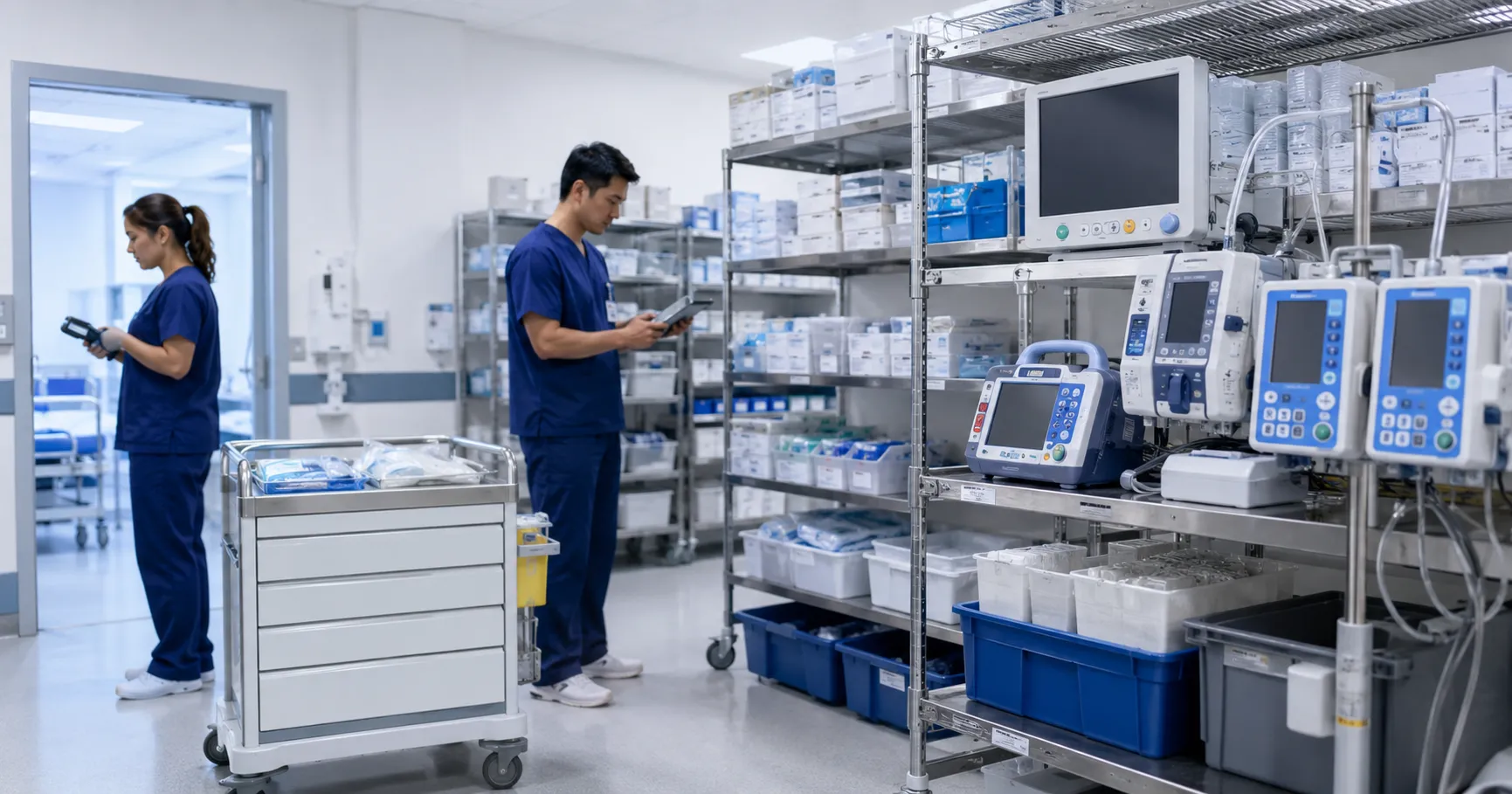
Portability Requirements – Hospitals often require both mobile and fixed suction solutions, depending on department needs.
Noise Reduction Features – Quieter systems improve patient comfort in ICU and recovery environments.
Ease of Cleaning and Maintenance – Simplified servicing reduces downtime and improves infection-control workflows.
Scalability for Future Expansion – Facilities increasingly prefer systems compatible with future infrastructure growth.
Healthcare organisations planning long-term critical care infrastructure improvements often engage through Medigear Strategic Healthcare Partnerships for collaborative healthcare technology planning and operational coordination.
For support with suction machine procurement, respiratory equipment planning, or critical care infrastructure guidance, healthcare providers can contact Medigear Contact Services for additional assistance.
Disclaimer
Medigear.uk is a medical equipment supplier and distributor. We do not provide medical advice, diagnosis, or treatment recommendations. All information is for educational and product awareness purposes only. Qualified medical professionals should always make healthcare decisions.