 Aman Yadav
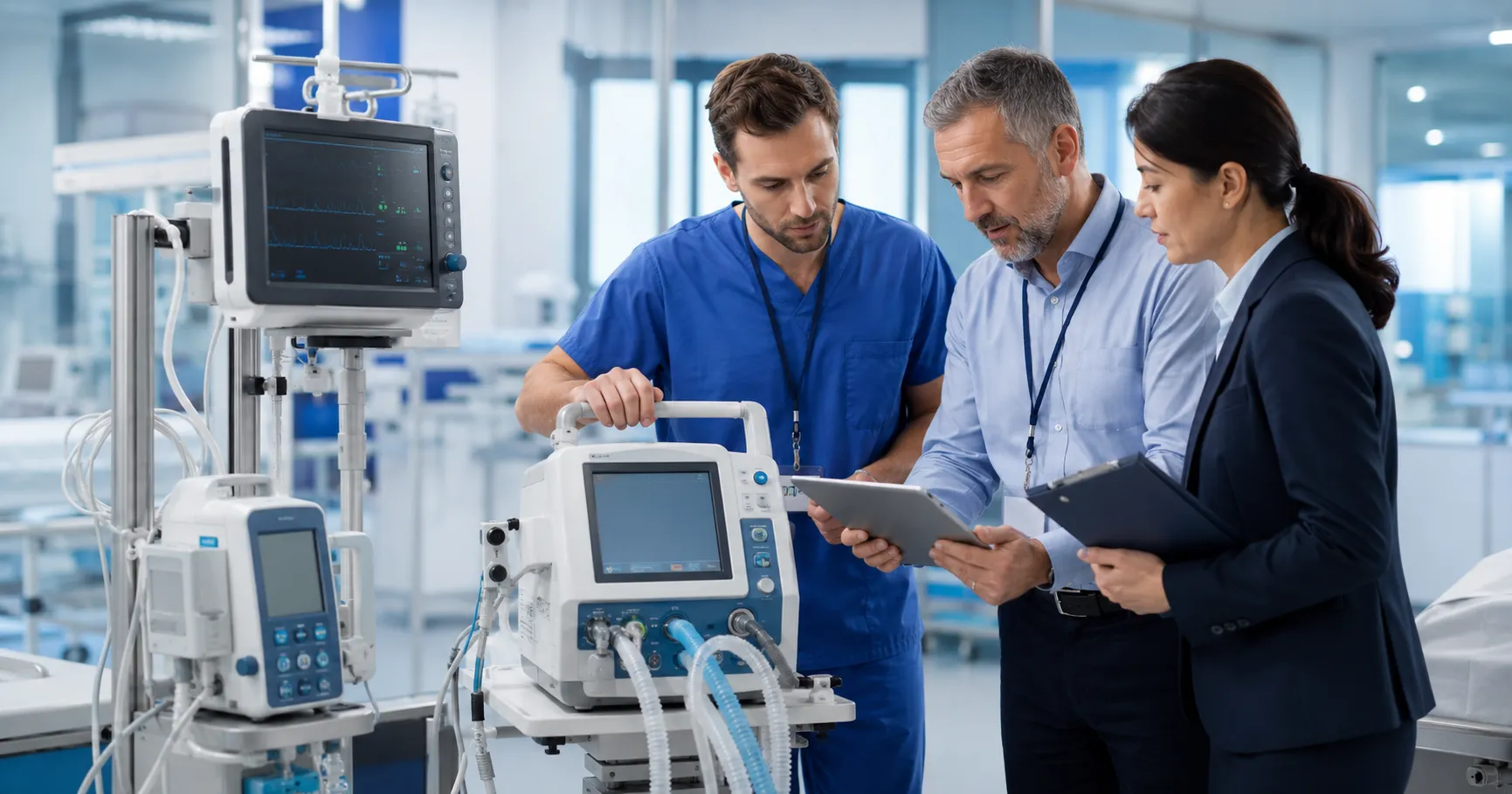
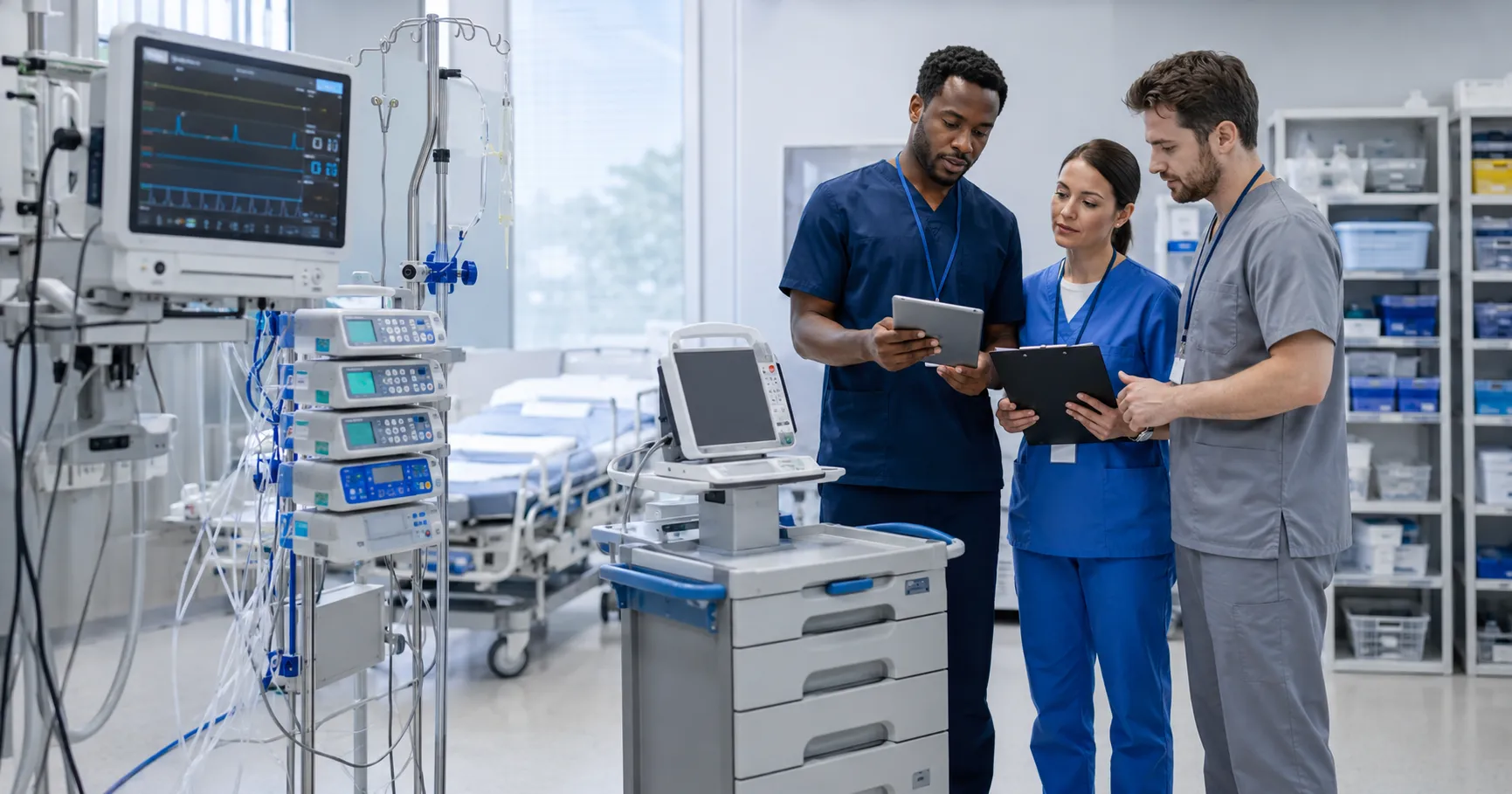
 Inside hospitals, intensive care units, emergency departments, and surgical environments, patient monitoring systems play a central role in continuous clinical observation. These technologies help healthcare professionals track vital signs, detect sudden physiological changes, and respond quickly during emergencies. Modern patient monitoring systems have evolved far beyond basic bedside displays and now function as highly connected healthcare platforms integrated with hospital infrastructure, digital records, and critical care workflows.
Healthcare facilities are increasingly investing in smarter monitoring systems that improve operational efficiency, support remote observation, and strengthen patient safety across high-acuity care environments.
Healthcare organizations planning monitoring infrastructure upgrades often coordinate procurement discussions through Medigear Healthcare Buyers Network when evaluating connected patient care technologies.
Patient Monitoring Systems Continuously Track Vital Signs
The primary purpose of patient monitoring systems is to provide real-time clinical information.
Tracking Multiple Physiological Parameters – Modern systems continuously monitor heart rate, blood pressure, oxygen saturation, respiratory rate, temperature, and cardiac rhythm.
Helping Detect Sudden Clinical Changes – Continuous monitoring enables healthcare teams to identify patient deterioration more quickly during emergencies or periods of critical illness.
Supporting Faster Clinical Decision-Making – Real-time data helps physicians and nurses respond more efficiently during high-risk patient care situations.
Continuous observation remains especially important in critical care environments where patient conditions may change rapidly.
Modern Monitoring Systems Are Used Across Multiple Hospital Departments
Patient monitoring is no longer limited to intensive care units.
ICU and Critical Care Monitoring – High-acuity patients require continuous monitoring, advanced alarm systems, and centralized oversight.
Emergency Department Observation – Monitoring systems help emergency teams stabilize patients and assess treatment response in acute care settings.
Operating Room Integration – Surgical teams rely on monitoring systems throughout anaesthesia and procedural management.
Post-Operative Recovery Monitoring – Recovery areas use monitoring equipment to observe patients after surgery and during early recovery stages.
Hospitals expanding critical care capacity often review the broader infrastructure discussions in Essential ICU Equipment Every Hospital Needs; case monitoring systems remain foundational to ICU operations.
Centralized Monitoring Improves Hospital Workflow Efficiency
Modern hospitals increasingly rely on centralized monitoring platforms.
Viewing Multiple Patients Simultaneously – Central stations enable healthcare staff to monitor multiple patients from a single location.
Supporting Faster Emergency Response – Alerts can notify staff immediately when a patient's condition becomes unstable.
Reducing Manual Observation Burden – Automated continuous monitoring improves workflow efficiency in busy healthcare environments.
Centralized monitoring has become especially valuable in high-volume ICUs and emergency departments.
Wireless Connectivity Is Transforming Patient Observation
Modern monitoring systems are becoming more mobile and connected.
Wireless Patient Mobility Support – Portable monitoring devices allow patient movement without interrupting data transmission.
Remote Monitoring Capabilities – Some systems enable healthcare providers to review patient information at centralized workstations or in remote care areas.
Integration with Electronic Medical Records – Monitoring systems increasingly communicate directly with hospital documentation platforms.
Healthcare suppliers supporting digital healthcare infrastructure frequently collaborate through Medigear Medical Supplier Solutions to improve access to connected monitoring technologies.
Alarm Management Features Help Improve Patient Safety
Alarm systems are one of the most critical components of patient monitoring technology.
Immediate Notification of Clinical Changes – Monitoring systems alert healthcare teams to abnormal heart rhythms, oxygen drops, blood pressure instability, and respiratory changes.
Customizable Alarm Parameters – Clinicians can adjust thresholds based on the patient's condition and treatment requirements.
Reducing Alarm Fatigue Risks – Modern systems increasingly prioritize alarms to reduce unnecessary notifications.
Advanced alarm management continues to become an important operational focus in healthcare technology development.
Portable Monitoring Systems Support Flexible Care Environments
Mobility-focused healthcare technology continues expanding across hospitals.
Bedside and Transport Monitoring – Portable monitors enable patient movement between departments and imaging rooms, nd during emergency transports. Temporary Critical Care Expansion – Mobile monitoring systems help hospitals respond during periods of increased patient demand.
Supporting Outpatient and Ambulatory Care – Compact systems are also used outside traditional inpatient environments.
Portable healthcare technologies continue to improve operational flexibility across modern healthcare facilities.
Artificial Intelligence and Predictive Monitoring Are Emerging Trends
Patient monitoring systems are becoming increasingly intelligent.
AI-Assisted Clinical Alerts – Emerging systems analyze patient trends to help identify potential deterioration earlier.
Predictive Monitoring Tools – Advanced analytics may enable earlier intervention opportunities based on changing vital-sign patterns.
Improved Work Prioritization: monitoring platforms help healthcare teams focus attention on higher-risk patients more efficiently.
Healthcare organisations modernising digital healthcare ecosystems often review broader developments in healthcare technology discussed in Latest Innovations in Medical Imaging Technology, as AI integration is influencing multiple areas of hospital infrastructure.
Maintenance and Reliability Are Critical for Monitoring Systems
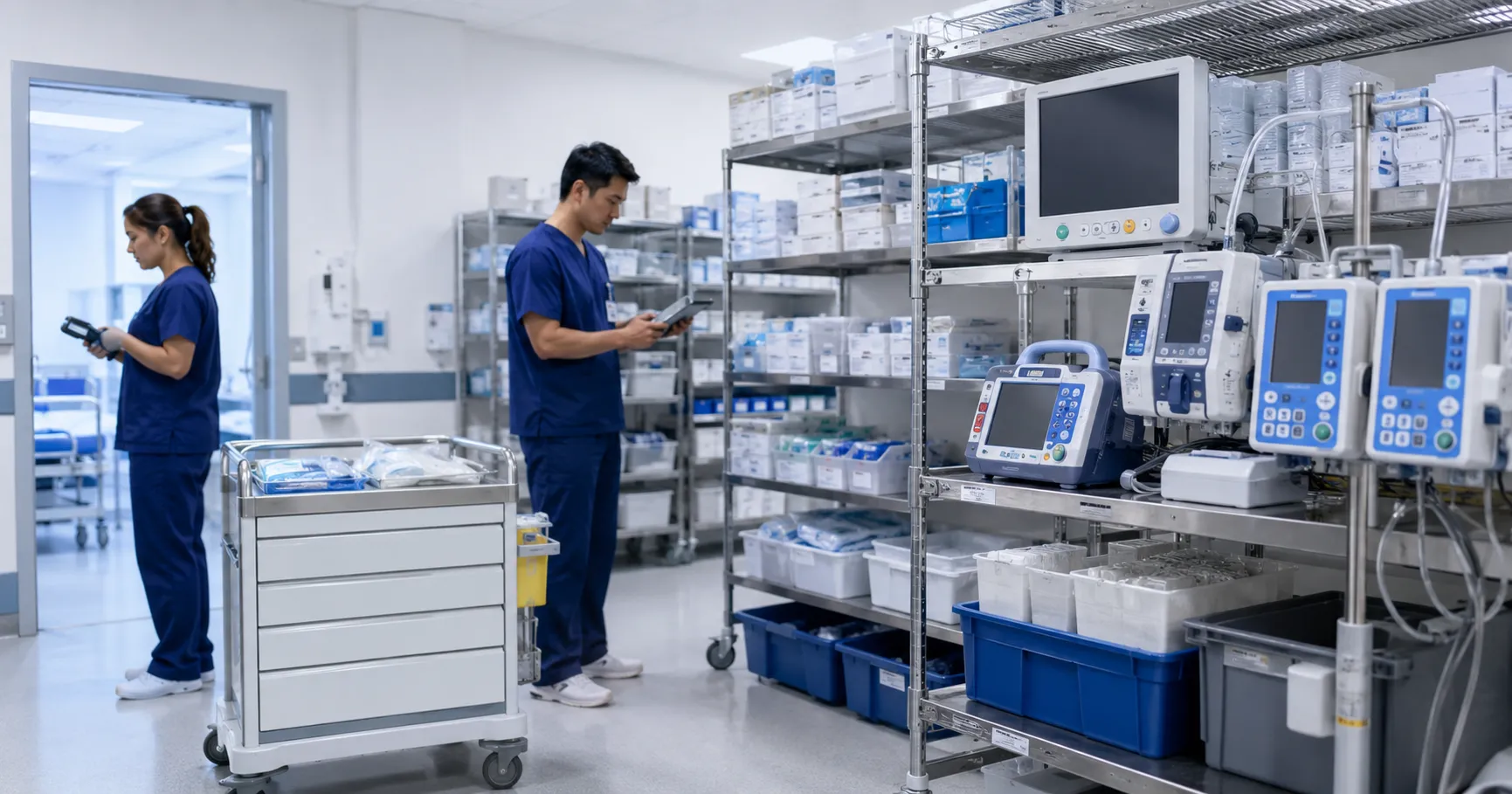
Monitoring systems must remain operational continuously in critical care environments.
Routine Sensor and Cable Inspection – Worn connectors or damaged cables may affect monitoring accuracy.
Battery and Backup Power Verification – Portable systems require reliable power support during transport and emergencies.
Software Update Management – Digital monitoring platforms rely on regular updates for cybersecurity protection and system stability.
Healthcare facilities that strengthen equipment servicing programs often explore operational maintenance in Essential Maintenance Tips for Imaging Equipment, as preventive maintenance principles apply broadly across healthcare technologies.
What Hospitals Should Consider Before Purchasing Monitoring Systems
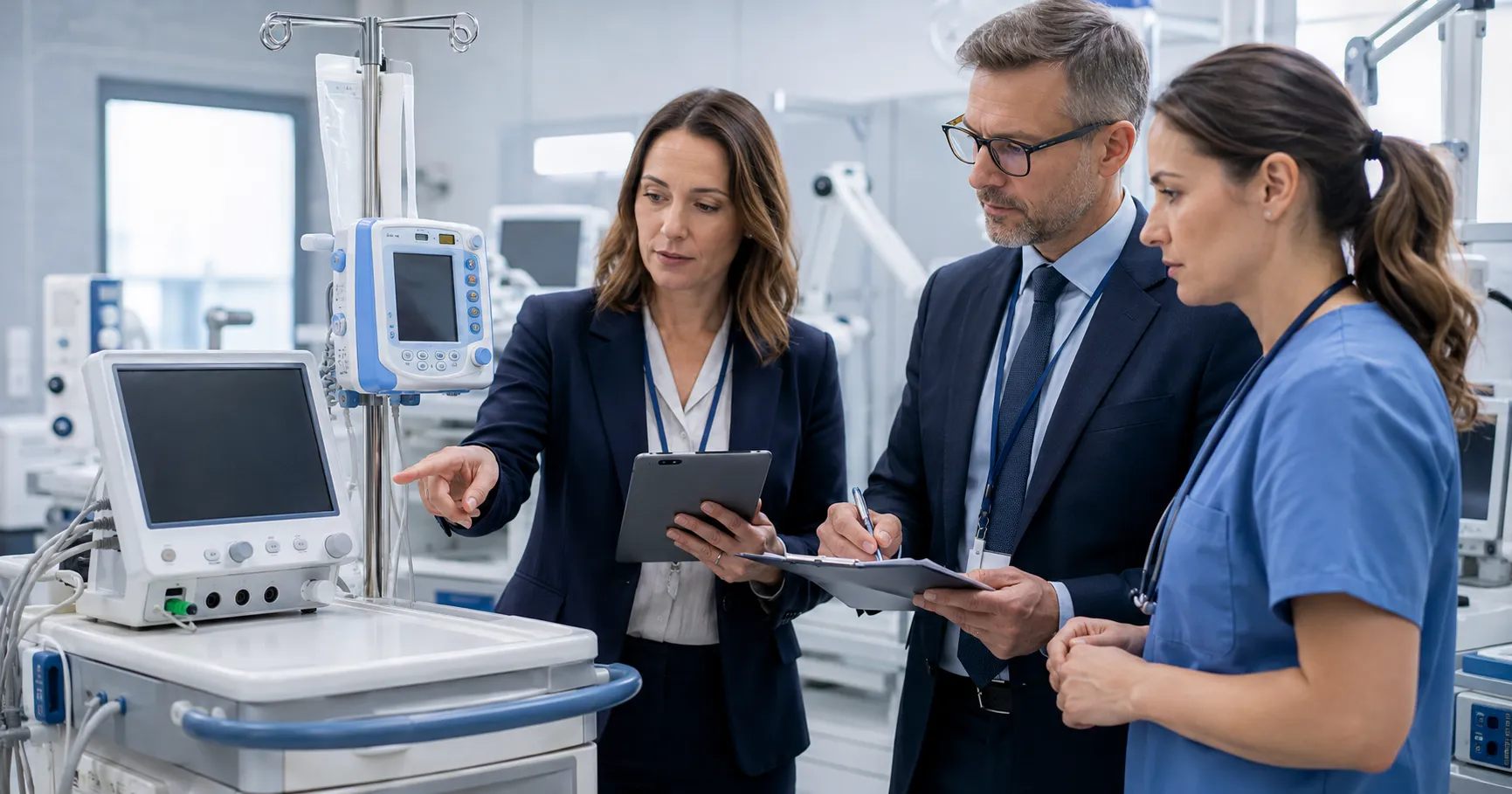
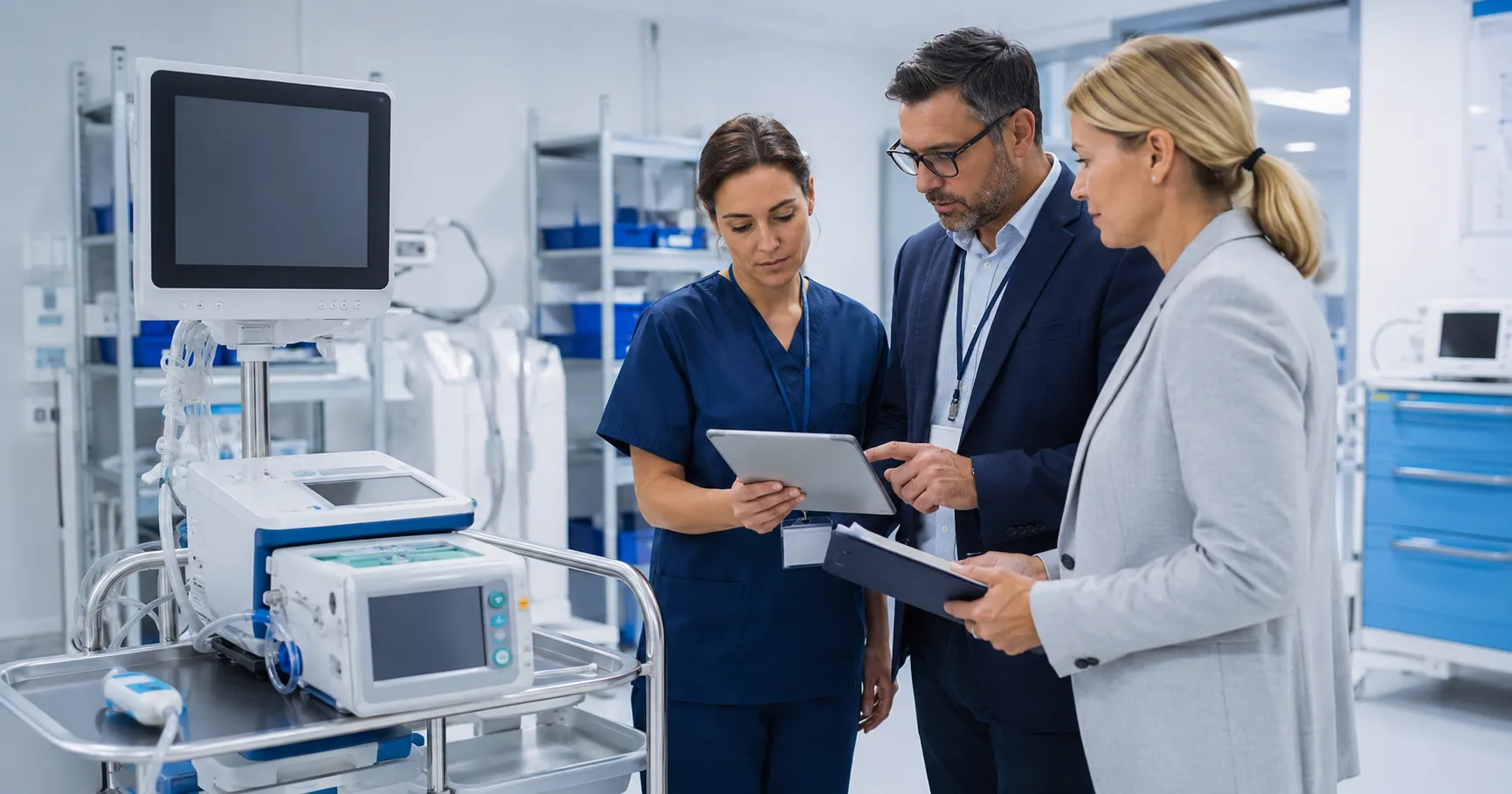
Healthcare procurement teams evaluate several operational factors before selecting monitoring equipment.
Scalability for Future Expansion – Hospitals increasingly prefer systems that support growing patient volumes and future infrastructure integration.
Ease of Use for Clinical Staff – User-friendly interfaces improve workflow efficiency during high-pressure care situations.
Interoperability With Existing Equipment – Compatibility with ICU beds, ventilators, infusion pumps, and electronic medical record systems improves operational coordination.
Long-Term Technical Support Availability – Reliable maintenance and service support remain essential for critical healthcare infrastructure.
Healthcare technology providers that introduce monitoring solutions to hospitals frequently use the Medigear Healthcare Advertising Platform to improve visibility among healthcare administrators and procurement teams.
Healthcare organizations planning long-term digital hospital infrastructure often engage Medigear Strategic Healthcare Partnerships for collaborative healthcare technology planning and operational coordination.
For patient monitoring system procurement support, healthcare infrastructure planning, or technical guidance, providers can connect with Medigear Contact Services for additional assistance.
Disclaimer
Medigear.uk is a medical equipment supplier and distributor. We do not provide medical advice, diagnosis, or treatment recommendations. All information is for educational and product awareness purposes only. Qualified medical professionals should always make healthcare decisions.