Critical care environments depend on precision, speed, and continuous monitoring. Inside an Intensive Care Unit (ICU), medical teams manage patients with severe injuries, respiratory failure, organ complications, cardiac instability, and life-threatening conditions that require uninterrupted support. The quality and reliability of ICU equipment directly influence workflow efficiency, patient observation, emergency response readiness, and long-term operational stability.
Modern hospitals no longer select ICU equipment based solely on basic functionality. Procurement teams now evaluate connectivity, portability, monitoring integration, maintenance support, scalability, and long-term service efficiency before investing in critical care infrastructure.
Healthcare organisations planning ICU expansion projects often coordinate procurement strategies through the Medigear Healthcare Buyers Platform to streamline sourcing discussions and operational planning.
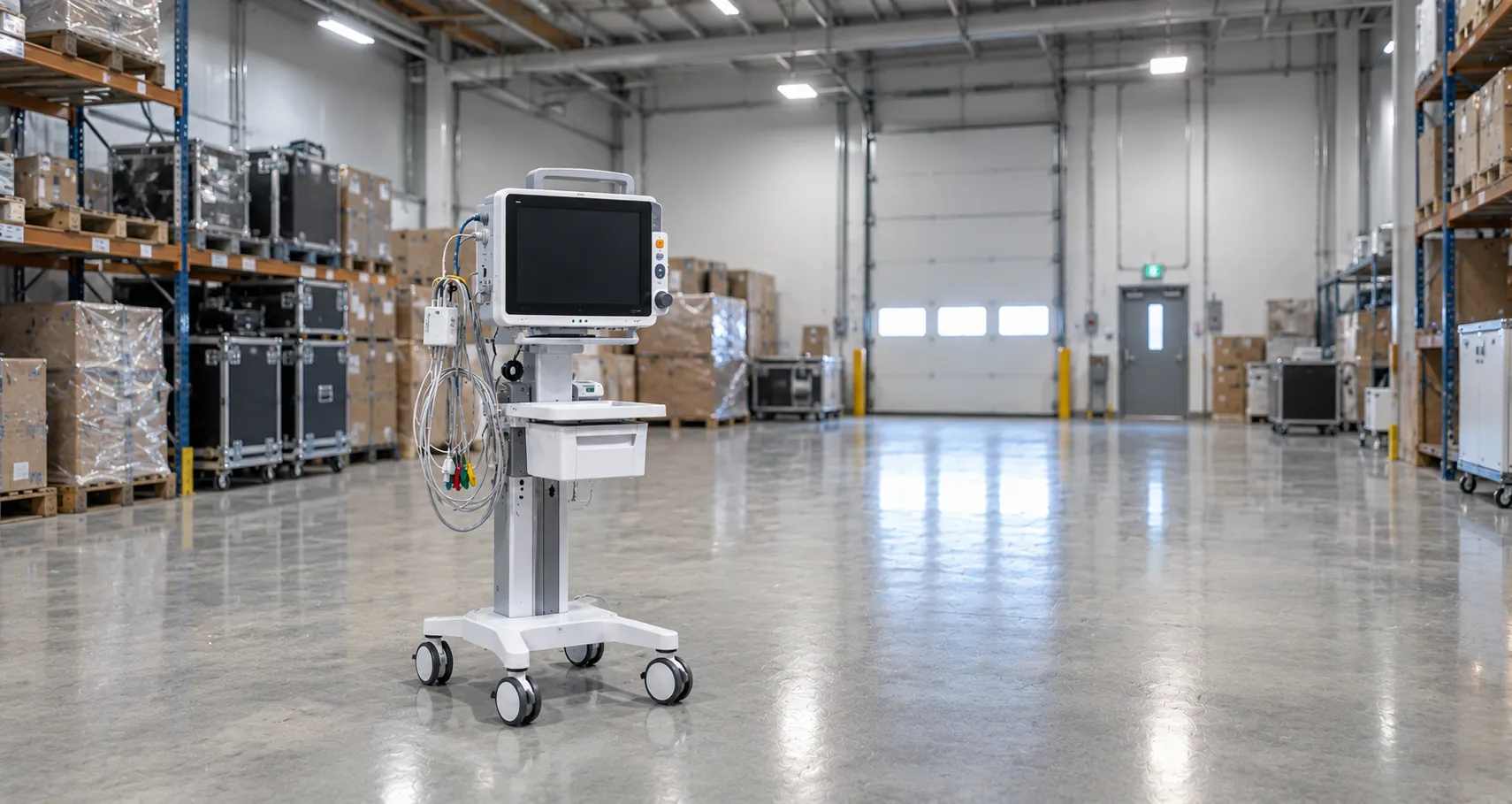
Patient Monitors Form the Core of ICU Observation
Continuous monitoring is one of the most essential functions in any ICU setting.
Real-Time Vital Sign Tracking – Advanced patient monitors continuously display heart rate, oxygen saturation, blood pressure, respiratory rate, and temperature, enabling healthcare teams to identify sudden clinical changes quickly.
Integrated Alarm Systems – Modern monitoring platforms provide configurable alarms that help staff respond faster during emergencies or physiological instability.
Central Monitoring Connectivity – Many hospitals now use centralised monitoring systems that enable staff to monitor multiple ICU beds simultaneously from nursing stations.
Healthcare facilities investing in advanced monitoring systems frequently review the broader technology discussions in Latest Innovations in Medical Imaging Technology, as connected healthcare infrastructure is becoming increasingly integrated across departments.
Ventilators Are Critical for Respiratory Support
Ventilators remain among the most important ICU devices in critical care medicine.
Supporting Patients With Breathing Difficulties – Mechanical ventilators assist patients who cannot breathe adequately on their own due to respiratory illness, trauma, neurological conditions, or surgical complications.
Adjustable Ventilation Modes – Modern ventilators support multiple ventilation strategies based on patient condition and treatment requirements.
Advanced Monitoring Integration – Many ventilator systems now include waveform analysis, respiratory mechanics monitoring, and alarm management tools to improve clinical oversight.
Portable respiratory support systems are also becoming more common in emergency transport and temporary critical care environments.
Infusion Pumps Improve Medication Precision
ICU patients often require tightly controlled medication administration.
Accurate Drug Delivery Control – Infusion pumps regulate fluids, medications, and nutrition with precise dosing control to support safer patient management.
Multi-Channel Administration Capability – Critical care patients may require simultaneous medication therapies, making multi-channel infusion systems highly valuable.
Reduced Manual Adjustment Requirements – Smart infusion systems help reduce dosing errors and improve workflow consistency.
Healthcare suppliers involved in ICU equipment distribution frequently collaborate through the Medigear Supplier Network to improve accessibility for hospitals and healthcare providers.
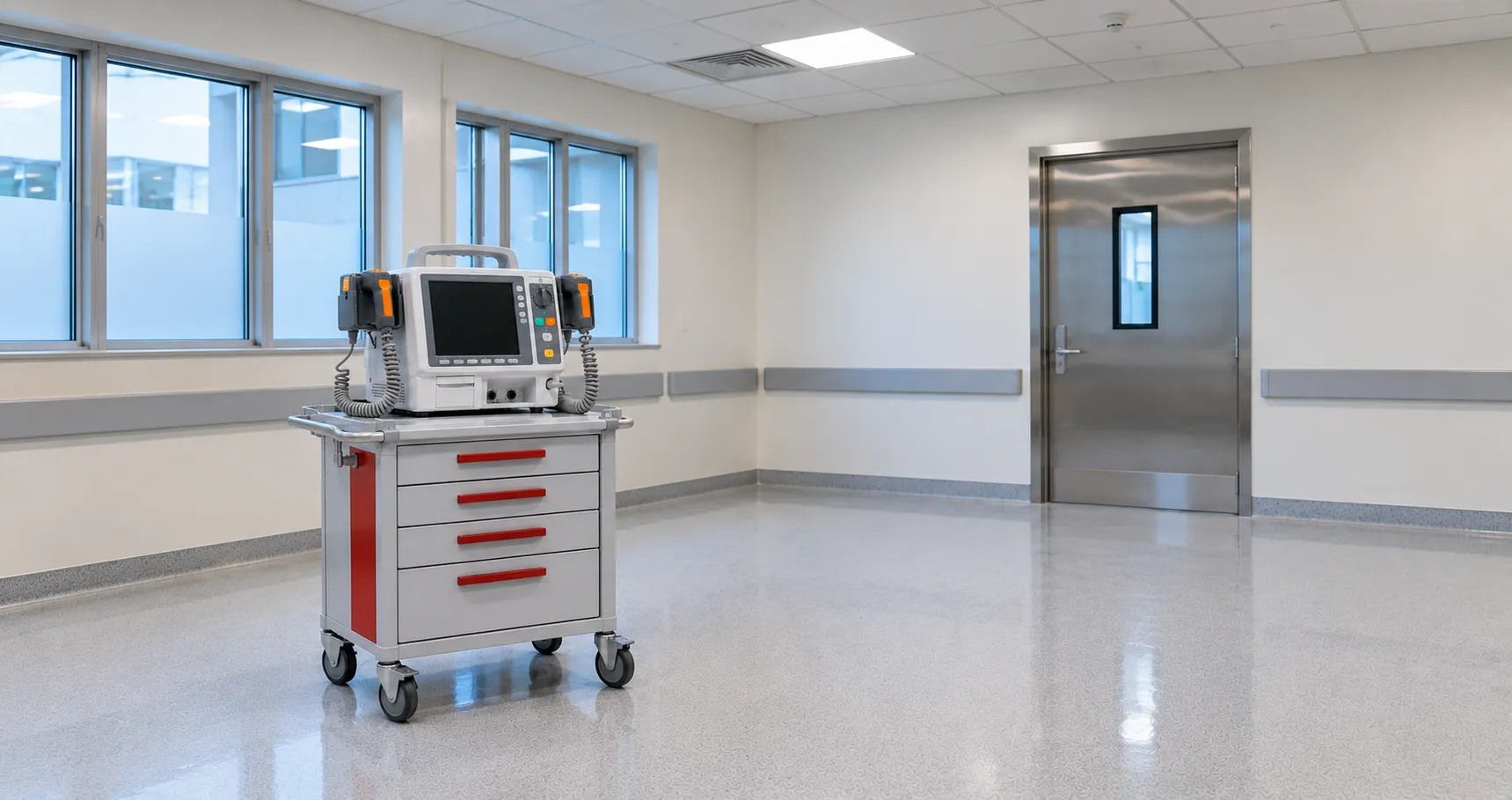
Defibrillators Support Emergency Cardiac Response
Cardiac emergencies require immediate intervention capabilities.
Rapid Emergency Readiness – Defibrillators are essential for restoring normal heart rhythm during cardiac arrest situations.
Monitoring and Pacing Functions – Many modern systems combine defibrillation with ECG monitoring and pacing support features.
Portable Emergency Deployment – Compact units allow faster movement across emergency departments, ICUs, and transport pathways.
Facilities planning for cardiac care infrastructure upgrades may also draw on related operational guidance in the Equipment Used in the Cardiology Department to understand better connected critical care technologies.
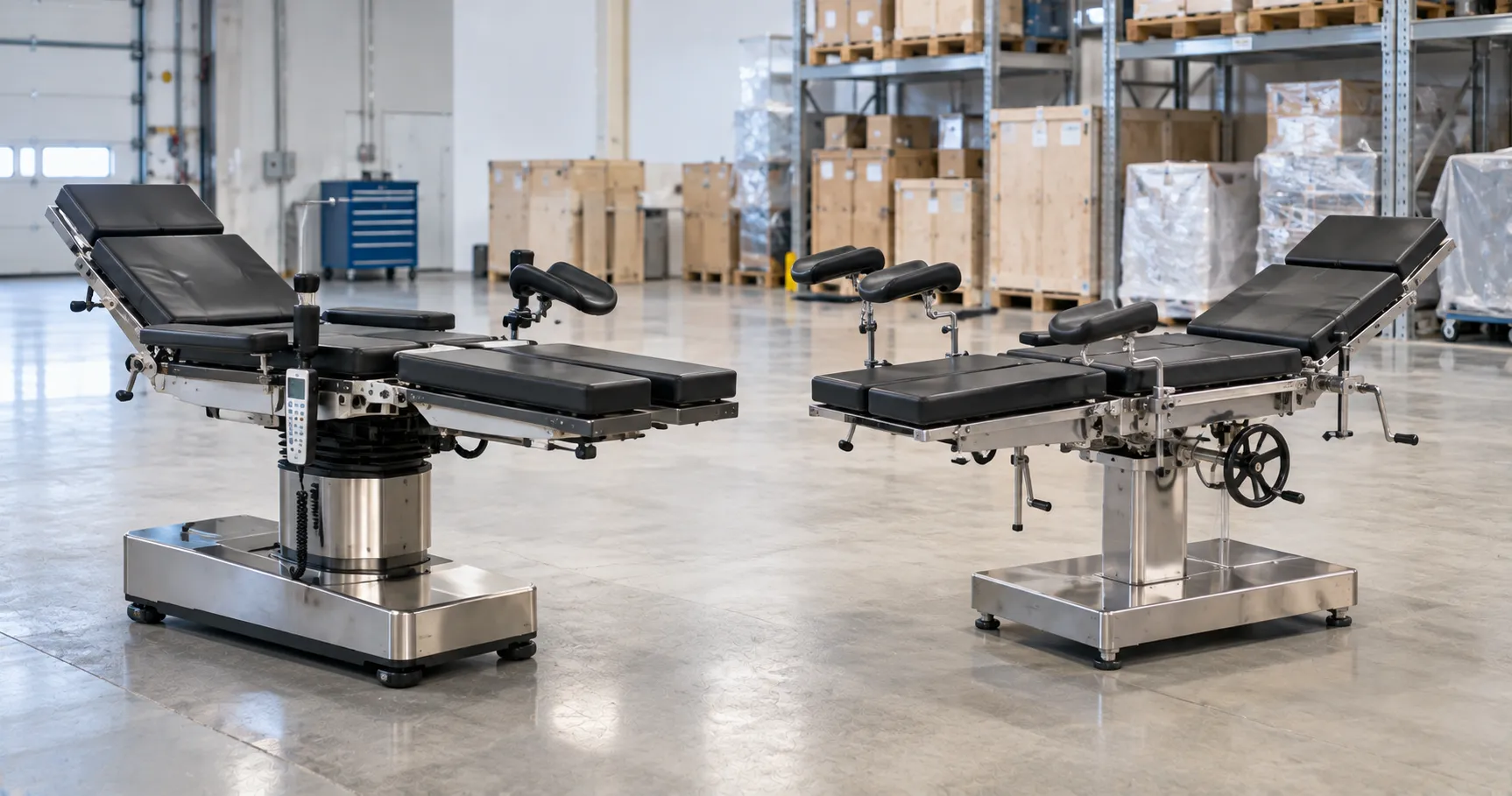
ICU Beds Have Become Highly Specialised
Modern ICU beds are far more advanced than standard hospital beds.
Supporting Patient Positioning Needs – Adjustable positioning assists with respiratory care, pressure management, and patient comfort.
Integrated Safety Features – ICU beds often include side-rail systems, patient-exit alarms, and mobility-support mechanisms.
Reducing Caregiver Strain – Electric adjustment systems help healthcare staff reposition patients more safely and efficiently.
Specialised ICU beds also support better infection-control workflows and easier patient transport during emergencies.
Portable Imaging Equipment Strengthens Critical Care Diagnostics
Imaging access inside ICU settings has become increasingly important.
Bedside Diagnostic Support – Portable X-ray and ultrasound systems allow clinicians to evaluate patients without transporting unstable individuals to radiology departments.
Faster Clinical Decision-Making – Immediate access to imaging supports quicker diagnosis and treatment planning.
Improved Workflow Flexibility – Mobile imaging systems help reduce delays during emergency and overnight care operations.
Hospitals expanding bedside diagnostics often draw on the operational insights discussed in Portable X-Ray Machines: Benefits and Applications when evaluating ICU imaging workflows.
Suction Devices Remain Essential in Airway Management
Airway management is a routine component of critical care operations.
Removing Airway Obstructions – Suction systems help clear fluids, mucus, or secretions that may interfere with breathing.
Supporting Emergency Procedures – Suction devices are frequently used during intubation, surgical support, and respiratory emergencies.
Portable and Wall-Mounted Options – Hospitals often combine centralised suction infrastructure with mobile emergency suction units.
Reliable suction availability remains critical during high-acuity patient management.
Syringe Pumps Improve Precision for Critical Medications
Certain ICU medications require highly controlled low-volume administration.
Supporting Critical Drug Accuracy – Syringe pumps help deliver medications such as sedatives, vasopressors, and pain management therapies with greater precision.
Reducing Dosing Variability – Automated delivery improves consistency over manual administration.
Compact ICU Integration – Smaller device footprints allow easier placement around crowded ICU workstations.
Backup Power and Equipment Redundancy Are Operational Priorities
Critical care environments cannot tolerate unexpected equipment failure.
Emergency Power Continuity – Backup power systems help ensure uninterrupted operation during electrical outages.
Redundant Monitoring and Ventilation Capacity – Many hospitals maintain additional ICU equipment reserves for surge capacity and emergency preparedness.
Reducing Downtime Risks – Preventive maintenance programs and technical support agreements help improve equipment reliability.
Healthcare technology providers introducing ICU solutions to hospitals often use Medigear Advertising Opportunities to connect with procurement teams and healthcare administrators.
Long-Term ICU Equipment Planning Requires Strategic Thinking
Hospitals increasingly focus on scalability and future readiness when developing ICU infrastructure.
Supporting Growing Patient Volumes – Expanding healthcare demand requires ICU systems that can handle increased workloads.
Improving Digital Integration – Connected monitoring, cloud-based records, and centralised device management are becoming standard expectations.
Strengthening Infection Control Workflows – Equipment design now places greater emphasis on easier disinfection and contamination control.
Healthcare organisations exploring long-term critical care infrastructure planning and opportunities for healthcare collaboration often engage with Medigear Strategic Partnerships for operational support discussions.
For assistance with ICU equipment sourcing, infrastructure planning, or technical coordination, healthcare providers can contact the Medigear Contact Team for additional guidance.
Disclaimer
Medigear.uk is a medical equipment supplier and distributor. We do not provide medical advice, diagnosis, or treatment recommendations. All information is for educational and product awareness purposes only. Qualified medical professionals should always make healthcare decisions.