Procurement departments across healthcare are facing a difficult balancing act. Equipment prices continue to rise, maintenance contracts are becoming more complex, and supply chain delays still affect many categories of medical technology. For hospitals, laboratories, and growing diagnostic centres, purchasing decisions now require stronger financial planning than ever before.
This pressure has pushed many healthcare organizations toward group purchasing models. Instead of negotiating independently, facilities combine buying demand to secure stronger pricing, better service agreements, and more predictable procurement outcomes.
Healthcare procurement teams exploring collaborative sourcing opportunities often rely on specialised industry networks, such as the Medigear.uk medical equipment buyer platform, which helps organisations connect with verified suppliers and sourcing partners more efficiently.
Why Equipment Procurement Has Become More Challenging
Medical equipment purchasing no longer revolves around upfront pricing alone. Procurement teams now evaluate:
-
Equipment lifecycle costs
-
Service response reliability
-
Software upgrade compatibility
-
Spare part availability
-
Regulatory compliance support
-
Long-term maintenance expenses
A device with a lower purchase price may eventually create higher operational costs if servicing becomes difficult or replacement components are delayed.
Managing Financial Pressure Across Departments – Many healthcare facilities must upgrade technology while simultaneously controlling operational budgets. Procurement teams are expected to stretch capital investments without affecting workflow reliability.
This challenge explains why collaborative purchasing arrangements have gained attention throughout the healthcare industry.
What Group Purchasing Means in Healthcare
Group purchasing is a procurement strategy in which multiple healthcare organisations combine their purchasing requirements to negotiate collective contracts with suppliers.
Instead of sourcing equipment independently, organisations pool their demand to increase their negotiating power. Suppliers often respond with more favourable pricing structures because consolidated orders improve forecasting and distribution efficiency.
This procurement approach is commonly used for:
-
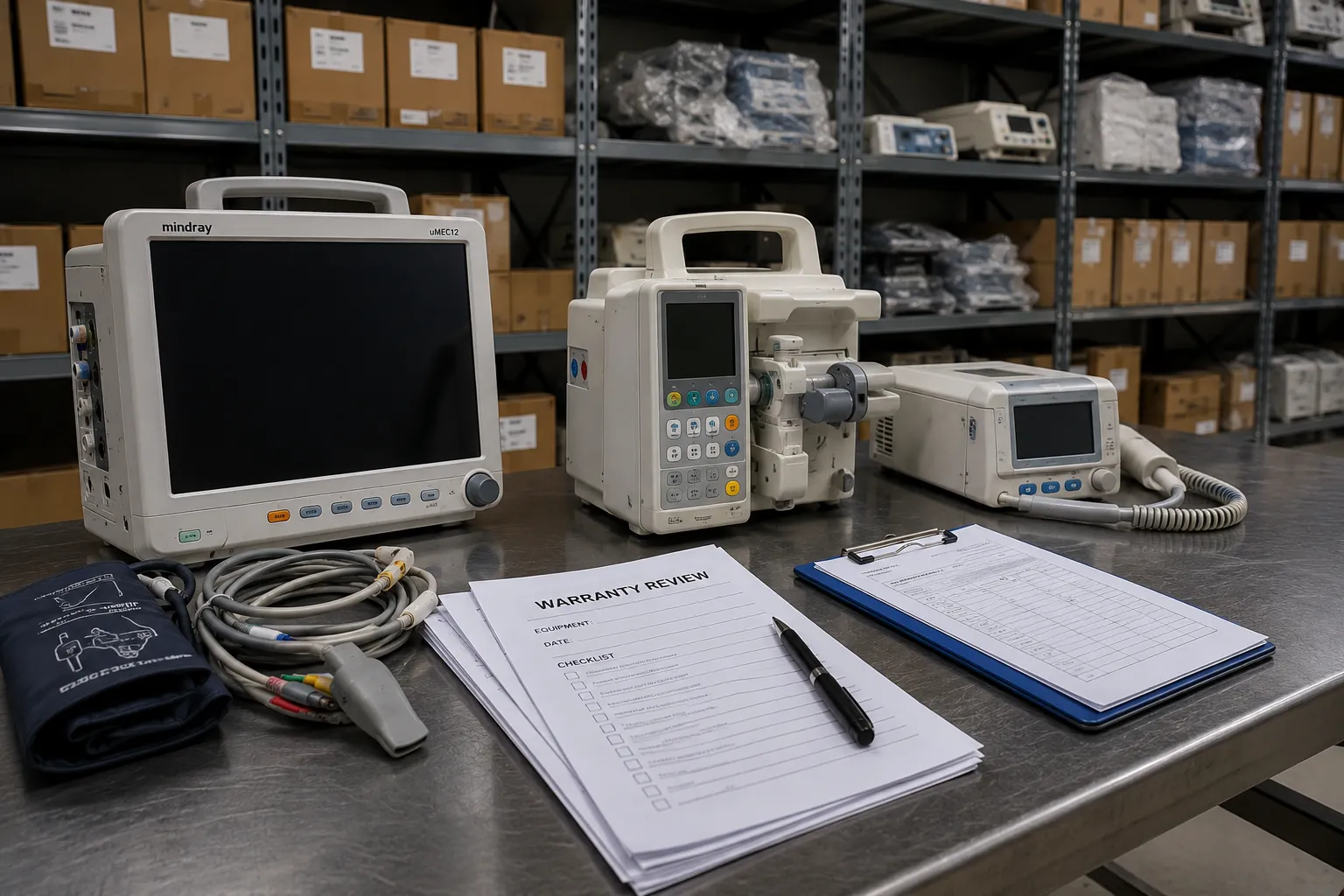
Patient monitoring systems
-
Laboratory analyzers
-
ICU support equipment
-
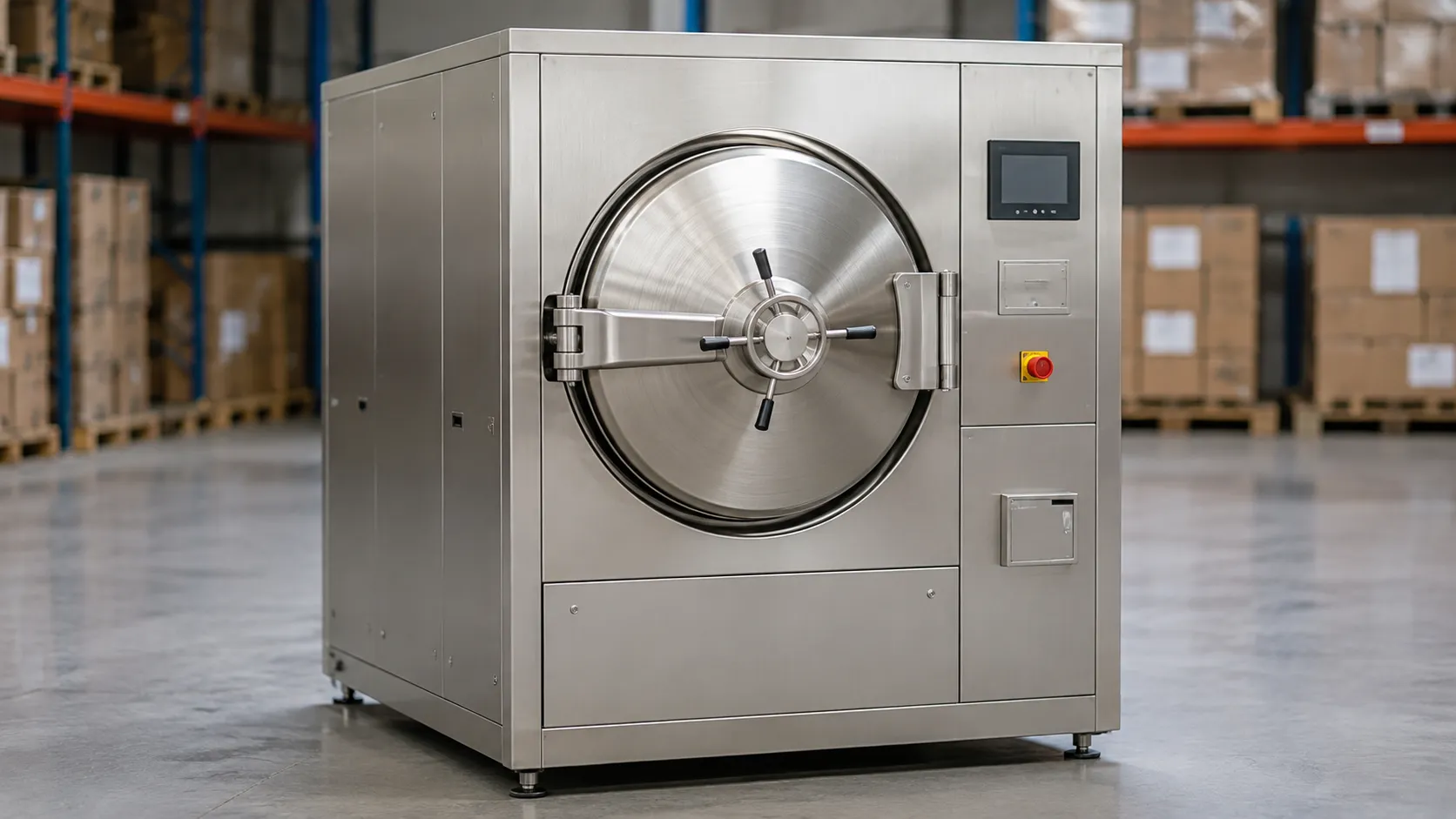
Sterilization systems
-
Rehabilitation devices
-
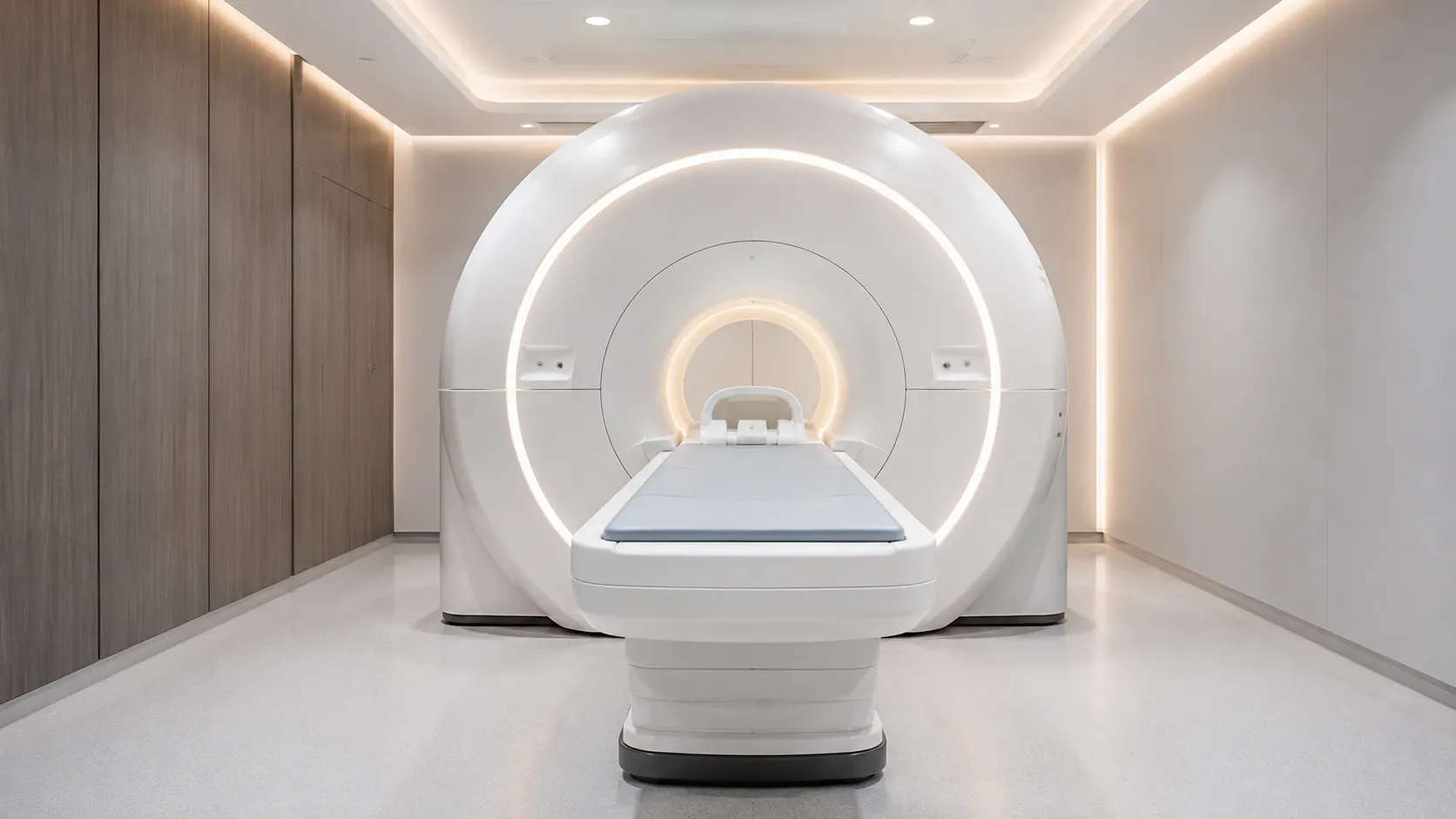
Imaging accessories
-
Surgical instruments
Healthcare facilities researching procurement planning often also review sourcing topics discussed in Medigear. UK's article on Vendor Evaluation Criteria for Medical Equipment.
Where Cost Savings Actually Come From
The financial benefits of group purchasing extend beyond simple bulk discounts.
Negotiated Pricing Advantages- Suppliers generally offer better pricing for larger purchase commitments because high-volume agreements reduce sales and logistics costs.
Creating a Stronger Bargaining Position – Independent clinics may struggle to negotiate competitive pricing on their own. Collective purchasing increases leverage and improves supplier responsiveness.
Savings may include:
-
Lower unit pricing
-
Discounted installation support
-
Extended warranty coverage
-
Reduced delivery costs
-
Bundled maintenance agreements
Better Cost Predictability- Procurement volatility can disrupt healthcare budgeting, especially during periods of supply chain instability.
Group purchasing agreements often establish structured pricing periods that help healthcare organisations forecast expenses more accurately.
Reducing Exposure to Market Fluctuations – Stable pricing agreements help procurement teams manage budget planning amid rising manufacturing and shipping costs.
Operational Benefits Beyond Pricing
Many healthcare organisations initially focus on savings, but operational efficiency often becomes the longer-term advantage.
Faster Purchasing Decisions- Traditional equipment procurement can involve extensive review of quotations, vendor comparisons, and approval processes.
Pre-negotiated group agreements simplify sourcing workflows because many contract terms are already established.
Supporting Faster Department Expansion – Clinics opening new departments or expanding diagnostic capacity can often procure equipment more quickly through existing purchasing agreements.
Facilities evaluating equipment expansion may also benefit from Medigear—uUK's educational resources, such as Essential Laboratory Equipment for Diagnostic Centres.
More Consistent Equipment Standards: When organisations purchase standardised equipment categories, operational workflows often improve.
Consistency helps with:
-
Staff training
-
Inventory management
-
Biomedical servicing
-
Technical troubleshooting
-
Replacement part sourcing
Simplifying Technical Support Coordination – Biomedical engineering teams can manage maintenance more efficiently when equipment systems remain standardised across departments.
The Supplier Perspective on Group Purchasing
Collaborative procurement not only benefits buyers. Suppliers also gain operational advantages.
Improved Demand Forecasting- Large purchasing agreements provide suppliers with more stable sales projections.
This can improve:
-
Inventory planning
-
Manufacturing scheduling
-
Logistics coordination
-
Spare parts preparation
Building Long-Term Procurement Relationships – Suppliers often prioritise healthcare organisations that participate in structured purchasing networks because contract stability reduces sales uncertainty.
Medical equipment distributors interested in expanding visibility within the healthcare market can also explore "Medigear—UK's industry advertising opportunities.
Situations Where Group Purchasing May Not Fit Perfectly
Despite the benefits, collaborative procurement is not ideal for every healthcare environment.
Specialised Equipment Requirements- Highly specialised departments may require custom configurations that fall outside the scope of standardised purchasing agreements.
Balancing Clinical Needs With Procurement Efficiency – Cost savings should never override workflow compatibility or clinical usability requirements.
Facilities purchasing advanced diagnostic or speciality systems may need greater sourcing flexibility.
Contract Restrictions- Some agreements may limit supplier choices or create long-term purchasing commitments.
Healthcare organisations should carefully review:
-
Contract duration
-
Upgrade flexibility
-
Service obligations
-
Exit conditions
-
Technical support coverage
Savings Can Vary- Not every purchasing group automatically guarantees the lowest available pricing.
Organisations should still compare:
-
Total ownership costs
-
Service quality
-
Maintenance expenses
-
Equipment lifespan
before finalising procurement decisions.
Buyer Considerations Before Joining a Purchasing Group
Healthcare procurement teams should evaluate both the financial and operational impacts before entering into collective sourcing agreements.
Questions Procurement Leaders Should Ask
-
Does the agreement allow future equipment upgrades?
-
Are maintenance costs clearly defined?
-
How quickly can technical support respond?
-
Are replacement components readily available?
-
Will staff require additional training?
-
Does the equipment integrate with existing systems?
Protecting Long-Term Operational Stability – Short-term savings should never create long-term service complications or workflow disruptions.
Healthcare organizations seeking sourcing guidance or supplier introductions can connect through the Medigear.uk supplier network for broader procurement support.
Maintenance and Lifecycle Cost Impact
Procurement teams increasingly focus on lifecycle management rather than purchase price alone.
Why Maintenance Matters More Than Ever- Medical equipment downtime can disrupt patient workflows, delay diagnostics, and increase operational strain.
Group purchasing agreements sometimes include:
-
Preventive servicing
-
Scheduled inspections
-
Extended support packages
-
Replacement part access
Unexpected Repair Expenses – Structured service agreements may lower emergency repair costs and improve equipment reliability over time.
Healthcare facilities reviewing maintenance planning often also explore operational topics, such as Common ICU Equipment Maintenance Mistakes and How Centrifuge Machines Work, to better understand equipment performance requirements.
Industry Trends Driving Collaborative Procurement
Healthcare purchasing strategies continue to evolve as organisations prioritise operational efficiency and supply resilience.
Data-Driven Procurement Planning- Modern procurement departments increasingly analyse:
-
Equipment utilization rates
-
Downtime frequency
-
Repair histories
-
Energy consumption
-
Service response timelines
Using Procurement Data More Strategically – Healthcare organizations now rely more heavily on analytics to evaluate sourcing decisions and supplier relationships.
Stronger Buyer-Supplier Collaboration- Long-term procurement partnerships are becoming more common throughout healthcare sourcing.
Organisations increasingly value suppliers that provide:
-
Technical education
-
Faster service response
-
Inventory transparency
-
Flexible support structures
Healthcare businesses interested in broader industry collaboration can explore opportunities through our Medigear Partner.
Building Smarter Procurement Strategies
Group purchasing continues to reshape healthcare equipment sourcing by addressing both financial and operational concerns. While collective procurement is not the right solution for every situation, it can improve purchasing efficiency, strengthen supplier relationships, and create more stable budgeting structures for many healthcare organisations.
Facilities considering collaborative sourcing should carefully evaluate procurement goals, involve technical and clinical stakeholders, and prioritise long-term operational reliability over short-term discounts alone.
Organisations seeking procurement guidance or sourcing discussions can reach the Medigear.uk team directly through our Medigear contact page.
Disclaimer
Medigear.uk is a medical equipment supplier and distributor. We do not provide medical advice, diagnosis, or treatment recommendations. All information is for educational and product awareness purposes only. Qualified medical professionals should always make healthcare decisions.