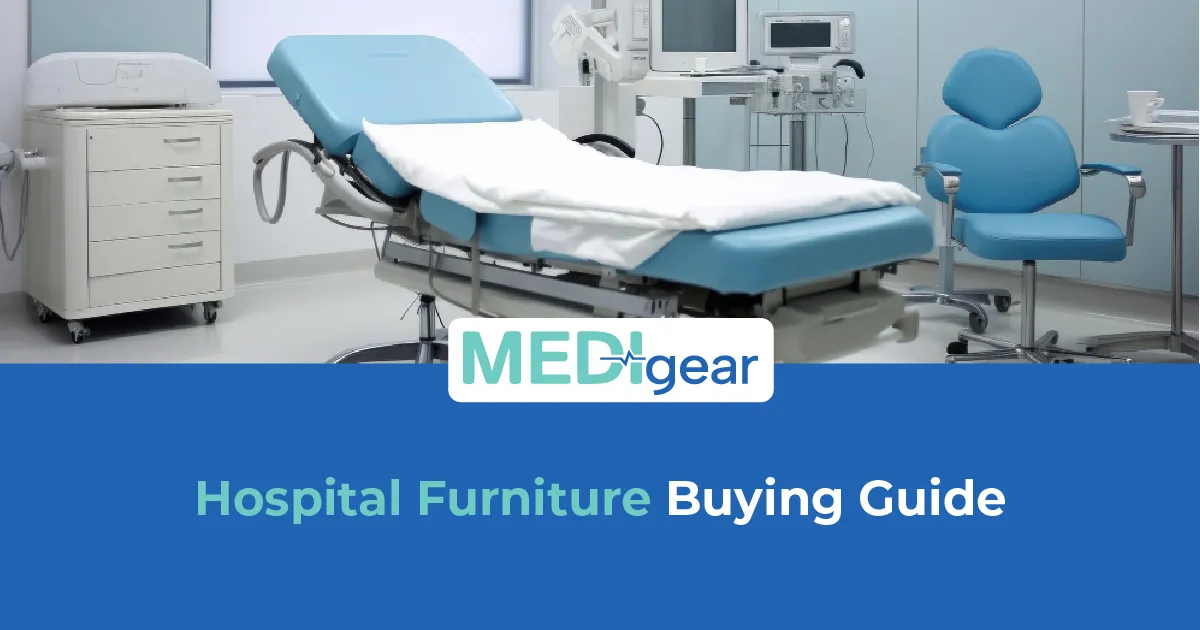
Healthcare facilities rarely replace furniture as often as medical devices. A hospital bed, bedside cabinet, treatment couch, or clinical workstation may remain in service for years. That makes every purchasing decision more significant than it first appears.
The right furniture contributes to patient comfort, staff productivity, infection control, and operational efficiency. Poorly selected furniture can create maintenance challenges, workflow obstacles, and unnecessary replacement costs.
This hospital furniture buying guide is designed for healthcare buyers, procurement teams, distributors, and facility planners looking to make informed purchasing decisions that support both immediate needs and long-term performance.
Looking Beyond Appearance During Furniture Selection
Furniture often becomes part of the healthcare environment for a decade or longer. Visual appeal matters, but functionality should drive procurement decisions.
Supporting Daily Clinical Activities – Furniture should complement healthcare workflows rather than restrict them. Staff interaction, patient movement, cleaning requirements, and storage needs all influence furniture performance.
Balancing Comfort and Practicality – Patient-facing furniture must provide comfort without sacrificing durability or ease of maintenance.
Planning for Long-Term Usage – Frequent replacement can significantly increase ownership costs. Durable construction often delivers better value throughout the product lifecycle.
Understanding Core Hospital Furniture Categories
Different healthcare spaces require different furniture solutions. Procurement teams should assess furniture needs according to specific operational functions.
Patient Room Essentials Patient rooms typically require:
-
Hospital beds
-
Bedside cabinets
-
Overbed tables
-
Visitor seating
-
Storage furniture
Creating a Comfortable Recovery Environment – Furniture in patient areas should support accessibility, mobility, and comfort while remaining easy to clean and maintain.
Treatment and Examination Areas - Treatment spaces require furniture that supports healthcare professionals during routine procedures and assessments.
Facilitating Efficient Clinical Workflows – Adjustable examination furniture and organised workstations help staff work more efficiently while maintaining patient comfort.
Reception and Waiting Spaces - The first impression of a healthcare facility often begins in reception and waiting areas.
Enhancing Visitor Experience – Comfortable seating and practical layouts contribute to a more welcoming environment while supporting efficient use of space.
Administrative and Support Areas - Administrative furniture plays an important role in healthcare operations.
Supporting Workplace Productivity – Ergonomic workstations and durable office furniture help healthcare teams perform administrative tasks efficiently.
Critical Questions Buyers Should Ask Before Purchasing
Many procurement challenges arise because furniture is evaluated primarily on price.
A more effective approach involves examining operational suitability.
How Will the Furniture Be Used?
Furniture requirements vary significantly between departments.
Consider:
-
Expected usage frequency
-
Patient demographics
-
Weight capacity requirements
-
Space availability
-
Mobility needs
-
Cleaning protocols
Healthcare buyers seeking sourcing opportunities can explore the Medigear.uk buyer network at: buyers services.
Does the Furniture Support Infection Control Goals?
Reducing Surface Contamination Risks – Smooth, non-porous materials are often easier to clean and maintain.
Simplifying Cleaning Procedures – Furniture design should allow housekeeping teams to perform thorough cleaning without excessive effort.
Infection prevention considerations should be integrated into purchasing decisions from the beginning.
Will It Adapt to Future Requirements?
Healthcare facilities evolve.
Supporting Flexible Facility Planning – Modular and adaptable furniture solutions may offer greater long-term value than highly specialised designs.
Evaluating Durability and Construction Quality
Hospital furniture experiences continuous use. Durability directly affects replacement frequency and maintenance costs.
Structural Reliability Matters
Procurement teams should assess:
-
Frame strength
-
Material quality
-
Surface resistance
-
Hardware durability
-
Weight capacity
-
Stability during use
Protecting Long-Term Investments – Higher-quality construction often results in lower lifecycle costs despite higher initial expenditure.
Ergonomics Should Not Be Overlooked
Comfort affects both patients and staff.
Supporting Patient Wellbeing – Comfortable furniture can improve the overall healthcare experience.
Reducing Workplace Strain – Ergonomic furniture may help support staff productivity during extended shifts.
Procurement Planning for Healthcare Facilities
Furniture purchases often involve multiple stakeholders.
Encouraging Cross-Department Collaboration – Input from clinical teams, facility managers, procurement specialists, and maintenance personnel can improve purchasing outcomes.
Considering Total Cost of Ownership, transportation, installation, maintenance, and replacement costs should be included in evaluations.
Healthcare organisations seeking trusted supplier connections can review available opportunities through: business suppliers
Keeping Hospital Furniture in Good Condition
Furniture maintenance is often overlooked until visible damage appears.
Routine Inspection Programs
Healthcare facilities should regularly assess:
-
Structural stability
-
Wheel and caster condition
-
Surface integrity
-
Hardware performance
-
Upholstery condition
-
Safety features
Early identification of wear helps reduce the need for unexpected replacements.
Cleaning Practices Influence Longevity
Protecting Furniture Surfaces – Appropriate cleaning products help preserve finishes and structural components.
Supporting Infection Prevention Programs – Consistent cleaning procedures contribute to safer healthcare environments.
Repair Versus Replacement Decisions
Facilities should establish criteria for evaluating when repairs remain cost-effective and when replacement becomes the better option.
Healthcare Furniture Trends Shaping Procurement Decisions
Healthcare furniture design continues to evolve alongside patient expectations and operational requirements.
Growing Interest in Modular Systems – Flexible furniture solutions help facilities adapt to changing space requirements.
Sustainability Becoming a Procurement Factor – Many buyers now evaluate environmental considerations alongside traditional purchasing criteria.
Technology Integration Expanding – Furniture increasingly accommodates charging stations, connectivity solutions, and healthcare technology workflows.
Designing for Better Patient Experiences – Healthcare environments are placing greater emphasis on comfort, accessibility, and human-centred design.
Organisations interested in building strategic healthcare collaborations can explore partnership opportunities at: business partner.s
Healthcare suppliers and solution providers seeking greater visibility within the industry can learn more about promotional opportunities at: businessadvertise. se
For procurement assistance, supplier inquiries, or healthcare equipment information, visit: contact team
Healthcare professionals researching broader facility planning topics may also benefit from Medigear.uk resources discussing medical trolleys and patient transfer equipment, both of which influence furniture layout and workflow design.
Disclaimer
Medigear.uk is a medical equipment supplier and distributor. We do not provide medical advice, diagnosis, or treatment recommendations. All information is for educational and product awareness purposes only. Qualified medical professionals should always make healthcare decisions.