Healthcare systems rarely expand without triggering a parallel increase in equipment requirements. New facilities, upgraded departments, expanded diagnostic capabilities, and growing patient volumes all create demand for medical technology that supports safe and efficient care delivery.
Across many regions, healthcare investment is increasingly directed toward facility modernisation, capacity expansion, digital transformation, and service diversification. While construction projects often attract the most attention, equipment planning is frequently the factor that determines whether a new healthcare space becomes operational on schedule.
For procurement teams, suppliers, healthcare planners, and distributors, understanding the relationship between infrastructure growth and equipment demand provides valuable insight into future purchasing priorities and market opportunities.
Why Infrastructure Expansion Changes Equipment Requirements
Healthcare infrastructure growth is more than building additional clinical space. Every new ward, treatment room, diagnostic suite, laboratory area, or outpatient department requires equipment tailored to its operational purpose.
A growing healthcare facility typically needs to evaluate:
-
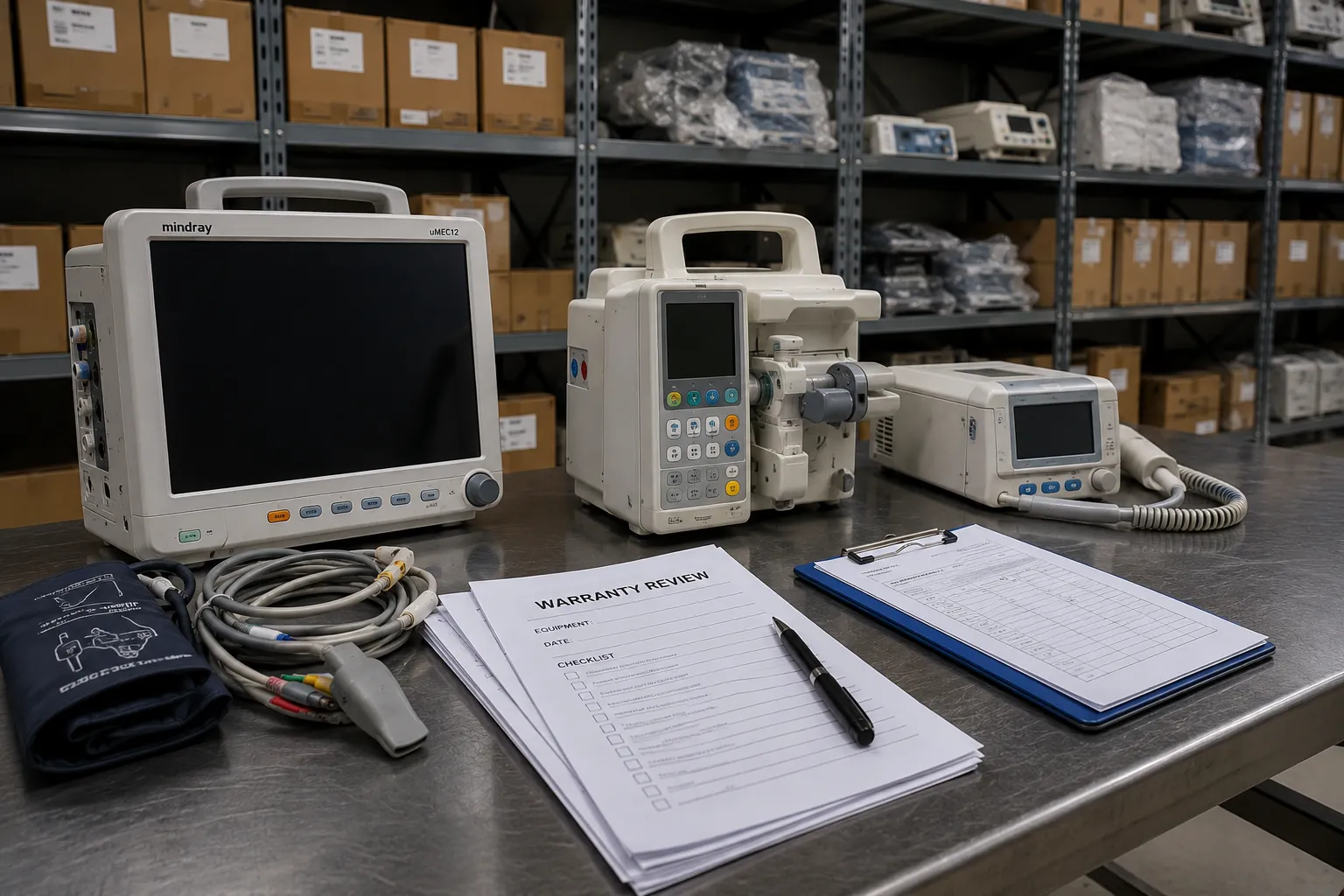
Patient monitoring systems
-
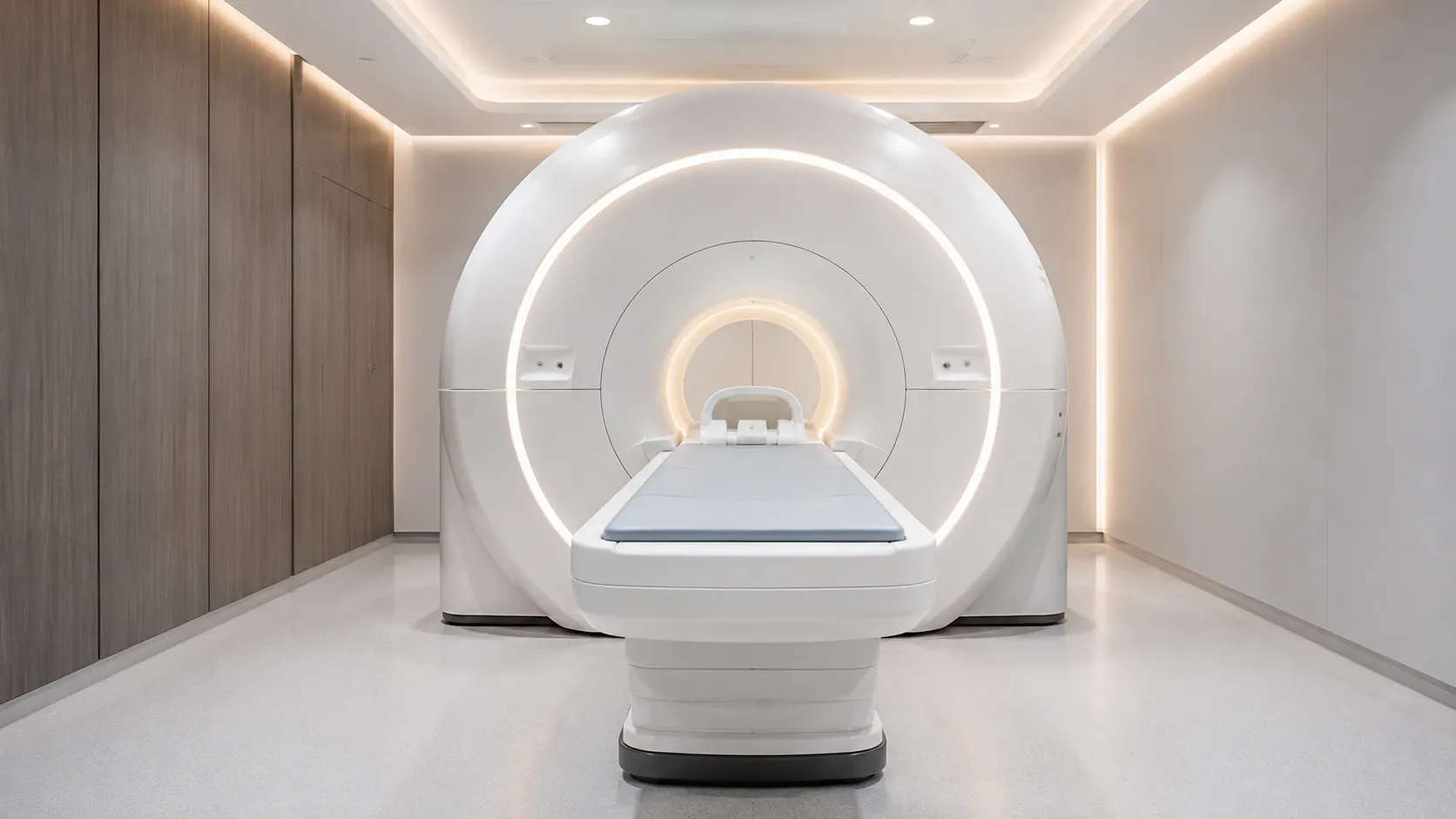
Diagnostic imaging equipment
-
Laboratory instruments
-
Surgical support devices
-
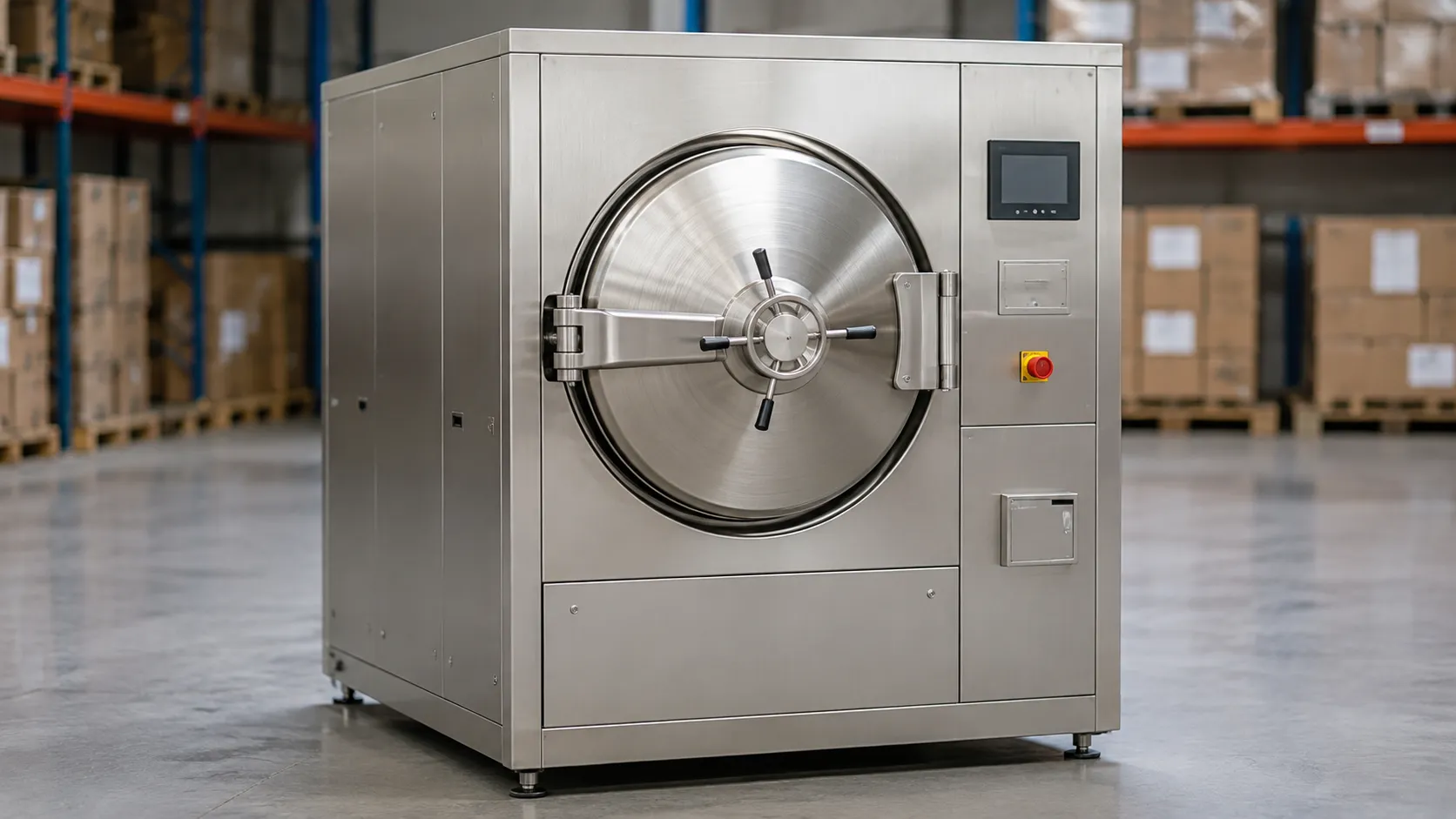
Sterilisation systems
-
Hospital furniture and clinical workstations
-
Emergency response equipment
-
Digital healthcare technology platforms
The scale of demand depends on facility size, service scope, patient throughput, and long-term strategic objectives.
Supporting Higher Patient Volumes – As healthcare providers expand capacity, equipment inventories must increase to prevent bottlenecks that can affect workflow efficiency and patient access.
Preparing New Clinical Departments – Specialised departments such as diagnostic imaging, rehabilitation services, or ambulatory care centres often require entirely new equipment ecosystems rather than simple upgrades.
Meeting Modern Operational Expectations – New infrastructure projects increasingly incorporate digital integration, equipment connectivity, and workflow optimisation from the earliest planning stages.
The Equipment Categories Experiencing Strong Demand
Not all equipment segments grow at the same pace during infrastructure development.
Diagnostic and Imaging Technologies - Healthcare organisations frequently prioritise diagnostic capabilities because early detection and faster clinical decision-making support operational efficiency.
Demand often increases for:
-
Ultrasound systems
-
Imaging support equipment
-
Diagnostic workstations
-
Patient assessment technologies
-
Clinical visualisation systems
Expanding diagnostic capacity can reduce referral delays while improving service accessibility.
Laboratory Infrastructure - Laboratory expansion often accompanies broader healthcare development initiatives.
Improving Testing Capacity – Larger facilities require instruments capable of handling increased sample volumes while maintaining workflow consistency.
Supporting Service Diversification – As facilities broaden their clinical offerings, laboratory capabilities frequently expand to accommodate additional testing requirements.
Patient Monitoring and Acute Care Support - Growth in inpatient services naturally increases demand for monitoring systems, clinical support devices, and emergency preparedness equipment.
Healthcare planners often prioritise equipment that can scale with future patient demand rather than addressing immediate requirements alone.
Procurement Challenges During Expansion Projects
Healthcare construction and equipment acquisition rarely occur independently. Coordinating both processes presents several operational challenges.
Managing Long Procurement Timelines – Certain equipment categories may require extended sourcing, customisation, installation, and commissioning periods.
Balancing Budget Allocation – Capital budgets must often accommodate both infrastructure investment and equipment acquisition simultaneously.
Reducing Deployment Delays – Equipment arriving too early creates storage concerns, while late delivery can postpone operational readiness.
Organisations seeking procurement support often explore specialist healthcare purchasing networks through the buyer services to improve sourcing efficiency and supplier engagement.
How Demand Forecasting Shapes Purchasing Decisions
Forecasting equipment demand has become increasingly important as healthcare projects grow in scale.
Rather than purchasing solely based on current utilisation levels, many organisations evaluate:
-
Population growth patterns
-
Service expansion plans
-
Future staffing projections
-
Anticipated patient volumes
-
Equipment replacement cycles
-
Regulatory and operational requirements
Building Future Capacity – Facilities that plan for projected demand can reduce costly procurement cycles shortly after opening new clinical areas.
Improving Resource Allocation – Strategic forecasting helps align equipment investments with long-term operational goals.
Healthcare planners may also benefit from reviewing related procurement guidance, such as the Medical Equipment Procurement Checklist and Factors to Consider Before Buying Medical Equipment, to strengthen purchasing frameworks.
Buyer Insights for Healthcare Decision-Makers
Infrastructure growth creates opportunities, but equipment selection remains a critical responsibility.
Before approving major purchases, procurement teams should evaluate:
Operational Compatibility - Equipment should integrate with existing workflows and support future expansion plans.
Service and Maintenance Readiness - The total cost of ownership extends beyond the purchase price.
Scalability Considerations - Facilities experiencing growth may benefit from equipment platforms that can accommodate increased utilisation.
Organisations evaluating market options often use healthcare supplier directories and sourcing networks available through the business suppliers to compare solutions and identify suitable procurement partners.
Focusing on Lifecycle Value – Long-term reliability, maintenance requirements, and upgrade pathways frequently influence purchasing outcomes more than initial acquisition costs.
Maintenance and Operational Planning Considerations
New equipment investments require ongoing operational support.
Reducing Unexpected Downtime – Preventive maintenance programs help sustain equipment availability and support operational continuity.
Protecting your capital investments: Proper servicing and lifecycle management can extend equipment usability and improve your return on investment.
Training Operational Teams – Effective equipment utilisation often depends on structured onboarding and ongoing competency development.
Readers interested in asset longevity may also find value in exploring New vs Refurbished Medical Equipment and Understanding Medical Equipment Certifications for a broader purchasing context.
Market Developments Influencing Future Demand
Several factors continue to shape equipment demand alongside infrastructure growth.
Facility Modernisation Programs - Older healthcare facilities are increasingly upgrading equipment to support modern workflows and improve operational efficiency.
Expansion of Outpatient Services - Healthcare delivery models continue to evolve, driving demand for equipment suited to decentralised and ambulatory environments.
Technology Integration - Equipment purchasing decisions increasingly consider interoperability, connectivity, and data management capabilities.
Investment in Healthcare Accessibility - Many healthcare development initiatives focus on improving service availability and increasing demand across diagnostic, laboratory, and patient-care equipment categories.
If you're interested in broader collaboration opportunities, you can explore healthcare growth initiatives through the business partners and sector visibility opportunities via the business advertise.
Building a Sustainable Equipment Strategy
Healthcare infrastructure growth presents significant opportunities for improving service delivery, operational capacity, and patient access. However, infrastructure alone does not determine success. The equipment selected to support that infrastructure ultimately influences readiness, efficiency, and long-term performance.
Organisations that align facility expansion with strategic procurement planning, lifecycle management, and demand forecasting are often better positioned to maximise the value of their investments. For additional guidance on sourcing and procurement of healthcare equipment, readers can contact the Medigear team via the Contact Team.
Disclaimer
Medigear.uk is a medical equipment supplier and distributor. We do not provide medical advice, diagnosis, or treatment recommendations. All information is for educational and product awareness purposes only. Qualified medical professionals should always make healthcare decisions.