
Hospital equipment planning often becomes difficult when construction, procurement, clinical workflow, budgets, and supplier timelines move at different speeds. A department may be designed before final equipment specifications are confirmed, or a procurement team may receive quotations before room readiness, power needs, accessories, maintenance access, and compliance documents have been reviewed. These gaps can delay opening dates and increase project cost.
For healthcare buyers, hospital equipment planning should begin before purchase orders are released. WHO explains that technical specifications support the procurement and acquisition of medical devices, making structured planning essential for healthcare projects that must balance clinical need, infrastructure readiness, and supplier accountability. This guide explains how medical project teams can plan equipment lists, evaluate suppliers, prepare departments, manage service-life costs, and reduce sourcing risk.
How Equipment Planning Supports Medical Project Delivery
Clinical Service Mapping — Equipment planning should begin with the services the facility will actually provide. A diagnostic centre, surgical unit, maternity department, ICU, outpatient clinic, rehabilitation area, and emergency department all require different equipment sets, staffing models, space needs, and maintenance support.
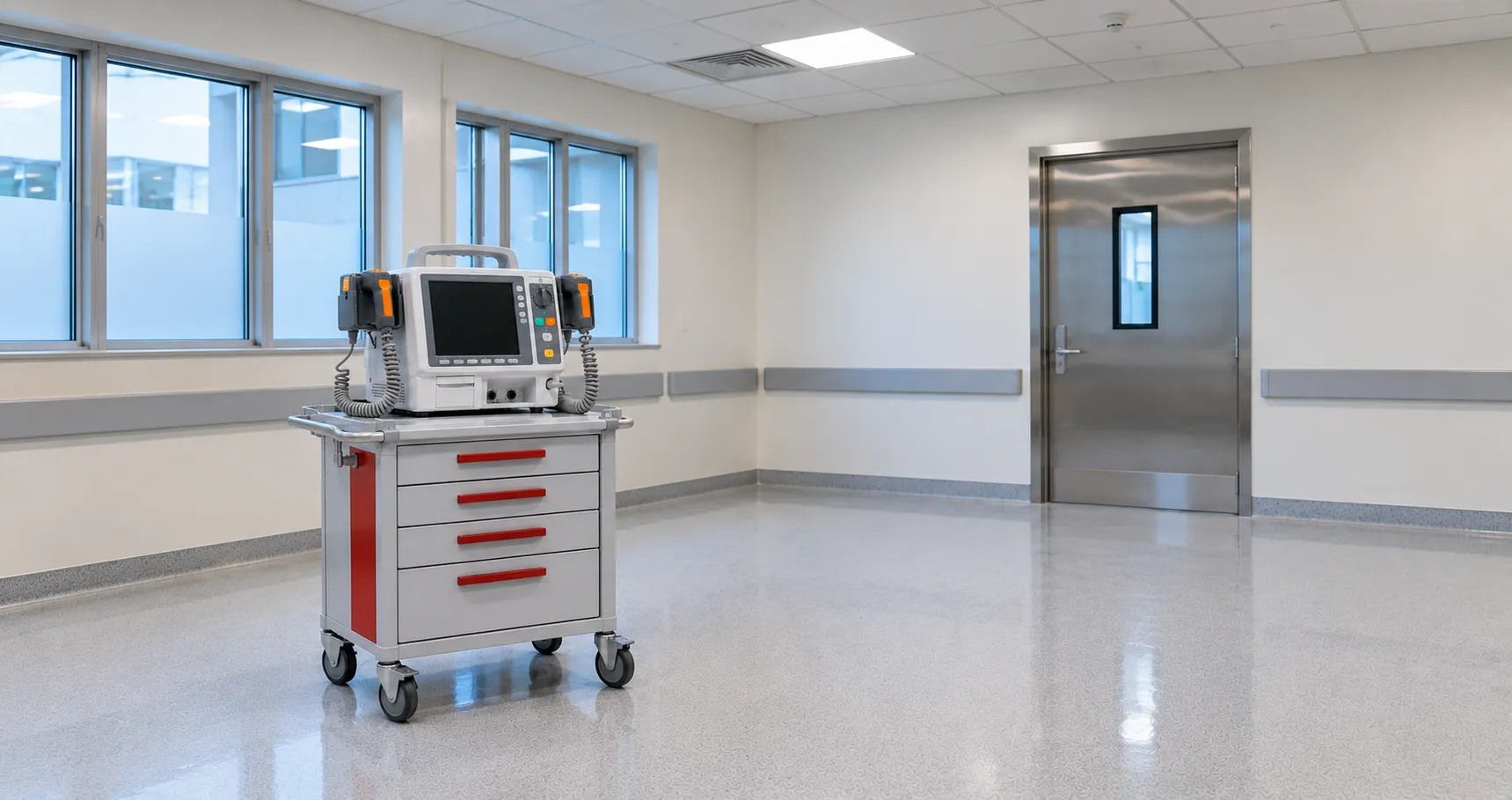
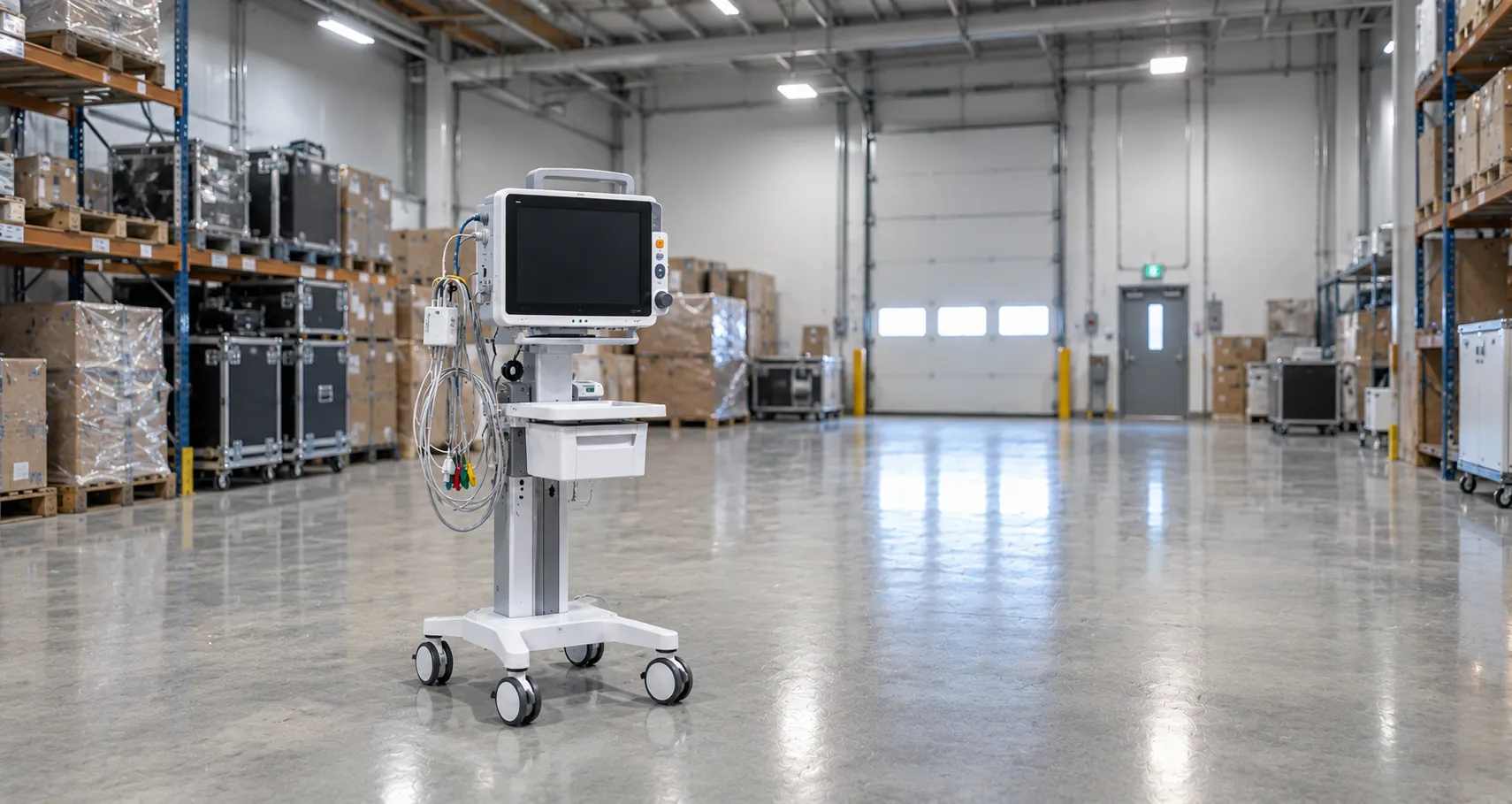
Room-by-Room Equipment Allocation — Project teams should map devices to specific rooms rather than to broad departments. In practice, procurement teams often find that missing trolleys, monitors, suction points, examination lights, patient furniture, or mounting accessories create more delays than the major equipment itself.
Workflow and Staff Readiness — Equipment should support how clinicians, nurses, technicians, biomedical engineers, and support staff move through the department. A well-equipped room can still perform poorly if cleaning routes, patient transfer paths, device charging locations, and storage areas are ignored.
Lifecycle Planning From the Start — Hospital equipment planning should include installation, training, maintenance, calibration, spare parts, software updates where relevant, and end-of-life replacement. WHO’s user guide notes that technical specifications can support tendering, procurement, purchasing, maintenance planning, training sessions, and technical information searches, which reinforces the need to connect planning with long-term use.
Where Equipment Planning Matters Across Healthcare Projects
Large Teaching Hospitals — These projects often involve complex departments, advanced diagnostic systems, surgical suites, ICUs, laboratories, CSSD areas, and digital infrastructure. Facilities that have deployed equipment at scale tend to report fewer installation issues when clinical users, biomedical teams, facility planners, and procurement staff review room-by-room schedules together.
District and Regional Hospitals — These hospitals usually require reliable equipment that can withstand heavy daily use and limited downtime. Planning should focus on durable mid-range devices, staff training, maintenance simplicity, spare parts availability, and standardisation across repeated departments.
Facilities sourcing through regulated and certified equipment suppliers worldwide should request technical specifications, conformity records, accessory lists, warranty terms, service requirements, and installation notes before confirming project orders.
Community Health Centres — Smaller healthcare projects often require practical equipment packages for consultation rooms, minor procedures, basic diagnostics, emergency readiness, sterilisation, and patient observation. One aspect that surprises first-time buyers is how much storage, power access, and consumables planning affect daily operations.
Mobile and Point-of-Care Projects — Mobile healthcare and point-of-care facilities need compact devices, battery support, transport protection, quick cleaning, simple user training, and flexible setup. Equipment planning should account for transport damage risk, variable power supply, limited service access, and field documentation.
Planning Details That Affect Equipment Selection
Department Scope and Service Volume — Equipment quantities should reflect expected patient volume, clinical hours, staffing levels, and backup needs. A project with one operating room, one procedure room, or one emergency bay may still need duplicate essential devices if downtime would stop clinical work.
Technical Specification Quality — Specifications should define performance, intended use, accessories, power needs, installation conditions, consumables, compatibility, and service expectations. A vague specification can yield quotes, but it often leads to disputes later when accessories, installation support, or training are not included.
Infrastructure and Room Readiness — Some equipment requires fixed power, ventilation, plumbing, shielding, network points, medical gas, ceiling mounts, floor loading checks, or special furniture. Planning teams should confirm site readiness before shipment, as a delivered device cannot fix an unprepared room.
Connectivity and Data Requirements — Connected devices may need to exchange information with patient records, laboratory systems, imaging platforms, maintenance dashboards, or central monitoring tools. The FDA defines medical device interoperability as the ability to safely, securely, and effectively exchange and use information among devices, products, technologies, or systems, so digital compatibility should be reviewed before purchase.
Procurement Evaluation Guidance for Medical Project Teams
Total Project Cost Review — Equipment budgets should include device price, accessories, consumables, freight, customs where applicable, installation, training, calibration, preventive maintenance, spare parts, software, service contracts, and replacement planning. WHO states that effective health technology procurement practice leads to safe, equitable, and quality healthcare, which supports evaluating value beyond upfront price.
Supplier and Vendor Evaluation — Project teams should assess suppliers' identity, documentation quality, product availability, warranty terms, export readiness, installation support, service response, spare parts availability, and communication reliability. Suppliers and manufacturers advertising to global healthcare buyers should expect hospitals to request project-ready specifications, not only catalogue images and price lists.
Compliance Variation by Destination Market — Requirements differ considerably across healthcare systems. Buyers should confirm applicable local regulatory standards, including CE, FDA, or regional equivalents, as relevant to the equipment category, risk level, import route, and project destination.
Training and Handover Planning — Equipment planning should include staff training, biomedical orientation, cleaning instructions, user manuals, service manuals, and acceptance documentation. A device is not fully project-ready until clinical users know how to operate it and technical teams know how to support it.
Healthcare networks managing multi-site expansion can reduce variation through structured distribution and reseller partnership arrangements. Buyers with equipment-list reviews, sourcing questions, or export documentation needs can contact the Medigear.uk team for supply support before confirming project procurement.
Maintenance Planning and Equipment Service Life
Preventive Maintenance Scheduling — Every planned device should be entered into an asset register with service intervals, inspection dates, warranty details, and responsible teams. WHO explains that maintenance strategies include inspection, preventive maintenance, and corrective maintenance, with preventive maintenance intended to extend equipment life and reduce failure rates.
Calibration and Performance Verification — Devices such as infusion pumps, patient monitors, ventilators, laboratory analysers, weighing systems, and diagnostic equipment may require calibration or performance checks. Project teams should confirm whether calibration support is available locally, through the supplier, or through approved service partners.
Spare Parts and Consumables Planning — Maintenance costs sharply affect total ownership costs in markets where local service support is limited. A project may stay within capital budget but struggle later if batteries, probes, filters, reagents, sensors, bulbs, cables, or boards are expensive or difficult to source.
Global Demand and International Sourcing for Medical Projects
Different Project Priorities by Facility Type — Large hospitals often plan full department packages, digital integration, standardised device models, and long-term service contracts. Clinics, community facilities, and mobile programmes may prioritise affordable equipment, simple maintenance, compact design, and fast replacement of common accessories.
Export Documentation and Lead-Time Control — International project sourcing should confirm the validity of quotations, invoices, packing lists, certificates of origin, conformity files, warranty terms, manuals, and shipping responsibilities before dispatch. Delayed documents can hold up equipment even when the products are ready.
New Versus Refurbished Planning — New equipment may provide a longer warranty, current software, and stronger supplier support. Refurbished equipment may suit selected lower-risk use cases when condition, service records, calibration evidence, remaining service life, and documentation are verified.
Final Thoughts
Hospital equipment planning works best when medical project teams connect clinical services with room readiness, technical specifications, supplier verification, installation planning, training, maintenance, and lifecycle cost control. A project can have strong architectural design and still face delays if equipment requirements are unclear or supplier documentation is incomplete.
Procurement teams should involve clinicians, biomedical engineers, facility planners, finance leaders, IT teams, logistics coordinators, and compliance staff before approving major equipment orders. Clear planning helps healthcare facilities reduce avoidable project risk, improve supplier accountability, and prepare departments for practical daily use.
Disclaimer
Medigear.uk is a global medical equipment supplier, exporter, and distributor. The content published on this site is intended for educational and product awareness purposes only. Nothing on this page constitutes medical advice, clinical guidance, or treatment recommendations. All healthcare procurement and clinical decisions should be made by qualified medical professionals and compliant procurement teams operating within the regulatory frameworks of their respective countries.