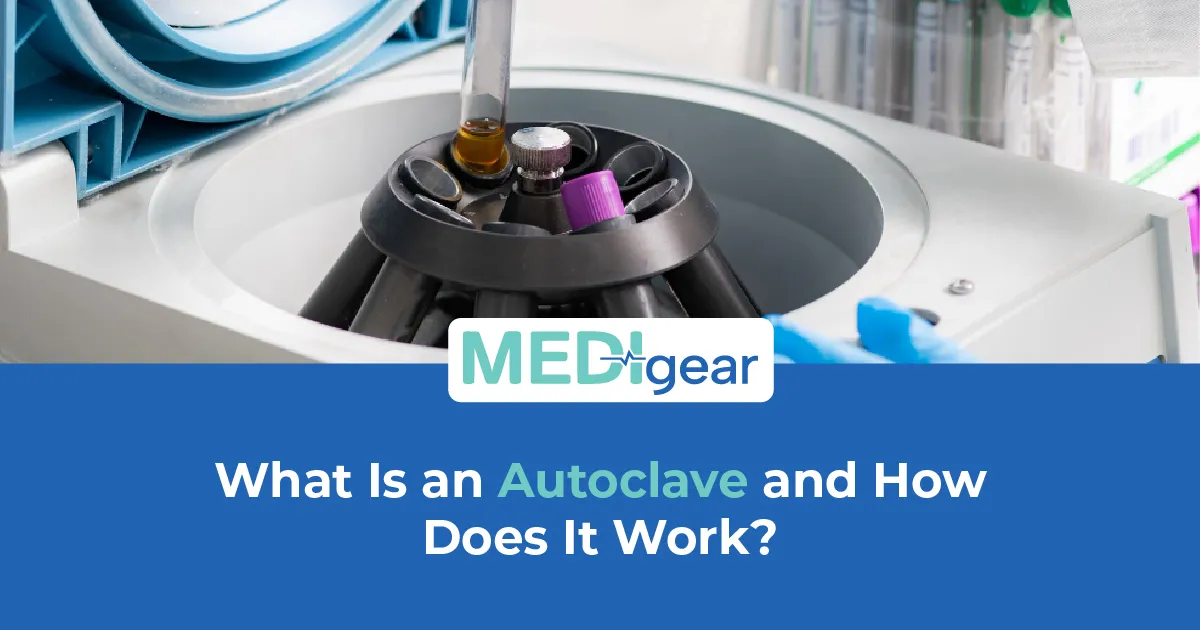
Autoclaves are essential sterilisation systems used across healthcare, laboratory, research, and industrial environments. These machines play a critical role in infection control and equipment decontamination by using high-pressure steam to eliminate microorganisms, including bacteria and viruses, as well as other contaminants from medical instruments and laboratory tools.
Modern autoclave systems are designed to improve sterilisation efficiency, workflow automation, and operational safety. Healthcare buyers, procurement teams, laboratories, and distributors continue investing in advanced sterilisation equipment to meet growing hygiene standards and operational demands.
This guide explains what an autoclave is, how it works, its key features, types, applications, maintenance requirements, and important considerations when buying for healthcare and laboratory environments.
Main Topic Overview
An autoclave is a sterilisation device that uses pressurised steam and controlled heat to disinfect and sterilise instruments, equipment, laboratory materials, and reusable tools. The sterilisation process removes harmful microorganisms and supports safe operational practices in environments where contamination control is critical.
Autoclaves are commonly used in:
-
Healthcare facilities
-
Laboratories
-
Research centres
-
Pharmaceutical environments
-
Veterinary facilities
-
Industrial sterilisation settings
Unlike basic cleaning methods, autoclaves achieve sterilisation by combining heat, steam, and pressure under controlled conditions. This makes them highly effective for reusable equipment and sensitive instruments that require strict decontamination standards.
How It Works
Steam Generation - The autoclave generates steam inside a sealed pressure chamber. Water is heated to produce steam at controlled temperatures.
Pressure Buildup - As steam accumulates inside the chamber, pressure increases. High pressure allows steam to reach temperatures above the boiling point of water.
Sterilisation Cycle - The combination of heat, pressure, and moisture penetrates instruments and materials, destroying microorganisms and contaminants.
Exposure Time - Items remain in the chamber for a specified period during the sterilisation cycle, depending on load type, material, and contamination risk.
Drying Process - After sterilisation, many autoclaves perform a drying cycle to remove excess moisture before unloading.
Modern autoclave systems often include digital controls, automated cycle monitoring, and safety protection systems for improved operational efficiency.
Key Features
Modern autoclaves include advanced features that support reliability, safety, and workflow optimisation.
Digital Control Systems - Touchscreen interfaces and programmable controls improve cycle management and usability.
Automatic Sterilisation Cycles - Pre-programmed sterilisation settings support consistent operation and efficiency.
Safety Lock Mechanisms - Pressure-sensitive safety systems help prevent accidental chamber opening during operation.
Temperature Monitoring - Integrated sensors monitor chamber conditions throughout the sterilisation process.
Data Logging - Some systems provide digital reporting and cycle documentation for operational tracking.
Energy Efficiency - Modern autoclaves are designed to reduce water and energy consumption while maintaining sterilisation performance.
Types and Categories
Gravity Displacement Autoclaves - These systems remove air via steam displacement and are commonly used for general sterilisation.
Vacuum Autoclaves - Vacuum-assisted systems remove air more effectively, improving steam penetration and reducing sterilisation cycles.
Portable Autoclaves - Compact sterilisers designed for smaller facilities, laboratories, and mobile operations.
Vertical Autoclaves - Top-loading systems are commonly used in laboratory and research environments.
Horizontal Autoclaves - Larger front-loading systems are well-suited to high-volume sterilisation requirements.
Benchtop Autoclaves - Compact countertop units are designed for smaller operational environments and limited spaces.
Benefits
Autoclaves provide several operational and infection-control advantages in healthcare and laboratory environments.
Effective Sterilisation - High-pressure steam effectively eliminates microorganisms and contaminants.
Improved Infection Control - Autoclaves help maintain hygienic environments and reduce the risk of contamination.
Cost Efficiency - Reusable instrument sterilisation helps reduce long-term operational costs.
Operational Reliability: Automated sterilisation cycles improve consistency and workflow efficiency.
Environmental Advantages - Steam sterilisation avoids the use of many harsh chemical disinfectants and supports sustainable operations.
Regulatory Compliance Support: Modern sterilisation systems help organisations maintain operational and safety standards.
Common Applications
Autoclaves are widely used in environments requiring reliable sterilisation and contamination control.
Medical Instrument Sterilisation - Used for reusable surgical and diagnostic instruments.
Laboratory Equipment Sterilisation - Supports decontamination of laboratory tools, glassware, and research materials.
Pharmaceutical Applications - Used for sterilising manufacturing tools and production materials.
Veterinary Equipment Sterilisation - Supports infection control in veterinary healthcare settings.
Research and Educational Facilities - Used for laboratory sterilisation and contamination prevention.
Buying Considerations
Healthcare buyers and procurement teams should carefully evaluate operational requirements before investing in an autoclave system.
Chamber Capacity - Select a system that matches workload volume and sterilisation demands.
Sterilisation Cycle Options: Different applications may require specialised cycle settings and programmable controls.
Space Requirements: Evaluate the available installation space and the facility layout.
Compliance and Safety Features - Ensure systems include safety monitoring and operational protection mechanisms.
Maintenance Requirements - Reliable servicing and technical support are essential for long-term performance.
Operational Efficiency - Energy consumption, water usage, and workflow integration should also be considered.
If you're a healthcare procurement team looking to connect with equipment sourcing opportunities, please explore Buyers services.
Maintenance and Service
Routine maintenance helps ensure sterilisation accuracy, equipment reliability, and long operational lifespan.
Preventive Maintenance - Scheduled servicing helps identify performance issues early.
Chamber Cleaning - Regular cleaning supports sterilisation consistency and prevents residue buildup.
Seal and Gasket Inspection - Door seals and gaskets should be checked regularly for wear and leakage.
Calibration Testing - Routine calibration ensures temperature and pressure accuracy.
Staff Training - Proper operational training improves safety and equipment handling practices.
If you're interested in long-term business collaboration, please explore business Partners.
Industry Trends
The sterilisation industry continues to evolve through digital innovation and operational automation.
Smart Sterilisation Systems - Digital monitoring and automated cycle tracking are improving workflow management.
AI-Based Monitoring - Artificial intelligence tools are helping optimise maintenance and performance tracking.
Eco-Friendly Sterilisation - Manufacturers and suppliers are focusing on energy-efficient, water-saving technologies.
Compact Equipment Designs: Demand for space-saving sterilisation systems continues to grow.
Remote Monitoring Capabilities: Cloud-connected sterilisation systems enable operational oversight and reporting.
Healthcare suppliers seeking increased visibility in the industry can explore business Advertise.
Buyer Guide
Selecting the right autoclave depends on operational requirements, sterilisation volume, facility size, and workflow expectations.
Healthcare buyers should:
-
Evaluate daily sterilisation demands.
-
Assess available installation space.
-
Compare automation features
-
Review maintenance support options.
-
Verify safety and compliance systems.
-
Consider long-term operating costs.
-
Plan for future scalability needs
Procurement teams and distributors looking for reliable sourcing opportunities can connect with Healthcare Equipment business Suppliers .
For additional business support and equipment inquiries, visit Contact Team.
Conclusion
Autoclaves remain essential sterilisation systems for healthcare, laboratory, and research environments where contamination control is critical. By using high-pressure steam and controlled heat, these systems provide reliable sterilisation for reusable instruments, laboratory tools, and operational equipment.
Modern autoclaves continue evolving through digital automation, AI-supported monitoring, and energy-efficient technologies that improve workflow efficiency and operational reliability. Healthcare buyers, distributors, and procurement teams should carefully evaluate sterilisation capacity, safety features, maintenance support, and scalability before selecting an autoclave system.
Organisations that invest in reliable sterilisation solutions can improve operational safety, workflow consistency, and long-term equipment performance.
Disclaimer
Disclaimer: Medigear.uk is a medical equipment supplier and distributor. We do not provide medical advice, diagnosis, or treatment recommendations. All information is for educational and product awareness purposes only. Qualified medical professionals should always make healthcare decisions.