Healthcare sterilization equipment plays a critical role in infection prevention, patient safety, and regulatory compliance across medical environments. Proper sterilization ensures that surgical instruments, laboratory tools, and reusable medical devices remain free from harmful microorganisms before reuse.
As healthcare facilities continue to prioritise hygiene standards and operational efficiency, the demand for advanced sterilisation systems has increased significantly. From hospitals and laboratories to outpatient clinics and diagnostic centres, sterilization equipment is now an essential component of healthcare infrastructure.
This guide explores the major types of sterilization equipment used in healthcare, how these systems work, their applications, buyer considerations, maintenance requirements, and emerging industry trends.
Main Topic Overview
Sterilization equipment is designed to eliminate bacteria, viruses, fungi, spores, and other microorganisms from medical instruments and surfaces. Unlike standard cleaning or disinfection processes, sterilization aims to achieve complete microbial destruction.
Healthcare facilities rely on multiple sterilization technologies depending on:
-
Instrument material compatibility
-
Processing volume
-
Turnaround requirements
-
Temperature sensitivity
-
Infection control protocols
-
Regulatory compliance standards
Modern sterilization systems are commonly integrated into sterile processing departments, laboratories, operating theatres, and diagnostic environments.
Healthcare organisations seeking reliable sourcing solutions can explore professional procurement support through Buyer Services and supplier partnerships via business Suppliers.
How It Works
Sterilisation equipment uses physical or chemical processes to destroy microorganisms. Different systems use different sterilization agents, temperatures, pressures, or gases depending on the application.
The sterilization workflow typically includes:
Cleaning and Decontamination: Medical instruments are first cleaned to remove debris, blood, tissue, and other contaminants. Effective cleaning is essential before sterilization can occur.
Packaging and Preparation - Items are packaged using sterilization-compatible wraps or containers to maintain sterility after processing.
Sterilization Cycle
Equipment runs a controlled cycle involving:
-
Heat
-
Steam
-
Gas
-
Vapor
-
Radiation
-
Plasma
-
Chemical agents
Cycle parameters vary according to equipment type and instrument compatibility.
Monitoring and Validation - Healthcare facilities use biological, chemical, and mechanical indicators to verify sterilisation effectiveness.
Storage and Distribution - Sterile instruments are stored under controlled conditions until use.
Key Features
Modern healthcare sterilization equipment includes advanced features that improve safety, efficiency, and workflow management.
Automated Cycle Control - Digital interfaces enable users to monitor and control sterilisation parameters with greater accuracy.
Temperature and Pressure Monitoring - Integrated sensors help ensure proper sterilization conditions throughout the cycle.
Data Logging and Traceability - Many systems support digital recordkeeping for compliance documentation and audit tracking.
Multiple Cycle Options Different sterilization cycles accommodate:
-
Surgical instruments
-
Laboratory tools
-
Heat-sensitive devices
-
Textiles
-
Glassware
Safety Mechanisms Modern systems include:
-
Pressure safety controls
-
Door locking systems
-
Alarm notifications
-
Automatic shutdown protection
Energy Efficiency - Newer systems are designed to reduce water usage, energy consumption, and operational waste.
Types and Categories
Healthcare facilities use several categories of sterilization equipment based on operational needs and material compatibility.
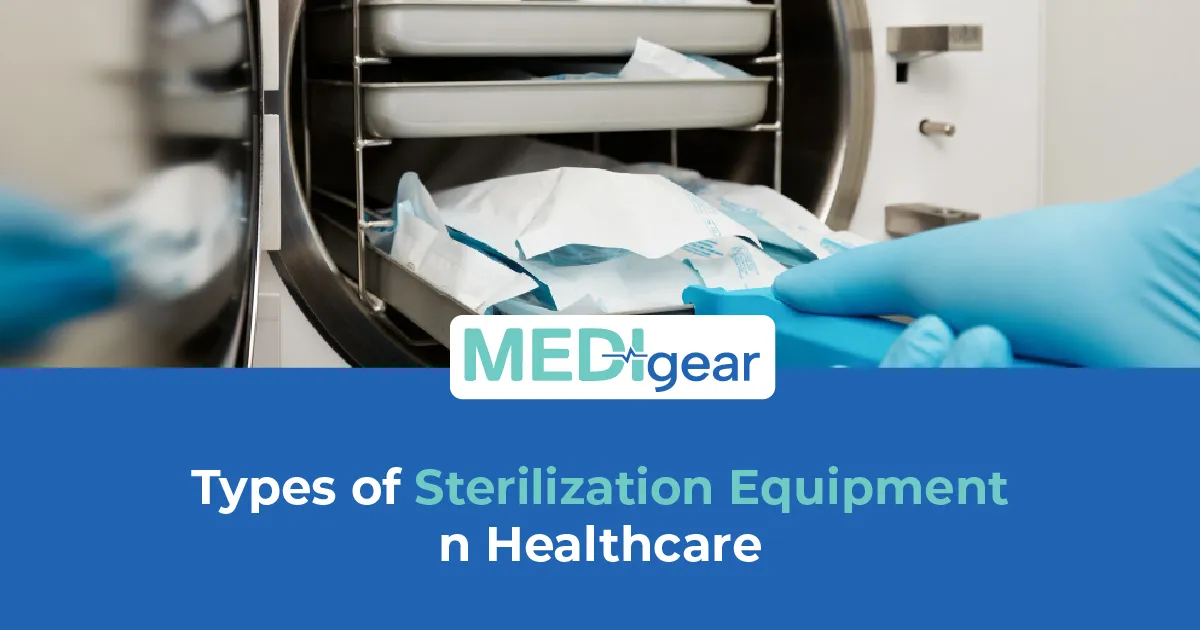
Steam Sterilisers - Steam sterilizers are among the most widely used systems in healthcare environments. These systems use high-temperature, pressurised steam to eliminate microorganisms.
Common applications include:
-
Surgical instruments
-
Stainless steel tools
-
Metal trays
-
Textiles
Benefits include fast processing, cost efficiency, and high sterilization reliability.
Low-Temperature Sterilisers - Low-temperature systems are used for heat-sensitive medical devices that cannot tolerate high steam temperatures.
These systems may use:
-
Hydrogen peroxide vapour
-
Plasma technology
-
Chemical vapour processes
They are commonly used for delicate instruments and advanced medical devices.
Dry Heat Sterilizers - Dry heat systems use hot-air circulation rather than steam. These sterilizers are typically used for moisture-sensitive materials.
Applications include:
-
Glassware
-
Metal instruments
-
Powders
-
Oils
Chemical Sterilisation Systems - Chemical sterilisation uses liquid or gaseous agents to sterilise medical equipment.
These systems are useful for:
-
Flexible devices
-
Specialized instruments
-
Heat-sensitive components
Proper ventilation and handling procedures are essential during operation.
Radiation Sterilisation Systems - Radiation-based sterilization is commonly used in industrial healthcare manufacturing environments.
Applications include:
-
Disposable medical products
-
Packaging materials
-
Pre-packaged sterile devices
Ultraviolet Sterilisation Equipment - UV systems are increasingly used for environmental surface disinfection and air sterilization support.
Common settings include:
-
Laboratories
-
Isolation rooms
-
Cleanrooms
-
Healthcare environments
Benefits
Healthcare sterilization equipment offers significant operational and safety advantages.
Improved Infection Prevention: Proper sterilisation reduces the risk of contamination and supports patient safety initiatives.
Regulatory Compliance - Sterilisation systems help facilities meet healthcare hygiene and infection control standards.
Increased Equipment Lifespan - Correct sterilization methods help protect reusable medical instruments from damage.
Operational Efficiency - Automated systems streamline workflow and reduce manual processing time.
Enhanced Traceability - Digital monitoring systems improve documentation and process accountability.
Reduced Cross-Contamination Risk - Reliable sterilization supports safer instrument handling throughout healthcare operations.
Common Applications
Sterilization equipment is used across a wide range of healthcare and laboratory environments.
Hospitals - Hospitals use sterilization systems in:
-
Operating theatres
-
Central sterile departments
-
Emergency units
-
Intensive care units
Laboratories - Laboratories sterilise:
-
Glassware
-
Research tools
-
Testing equipment
-
Culture materials
Outpatient Facilities - Clinics and ambulatory centres rely on compact sterilization systems for routine instrument processing.
Dental and Surgical Facilities - Sterilisation equipment is essential for sterilising reusable surgical and procedural instruments.
Pharmaceutical and Research Environments - Research facilities use advanced sterilization technologies to maintain controlled environments and manage contamination.
Buying Considerations
Selecting the right sterilization equipment requires careful evaluation of operational requirements and long-term efficiency.
Facility Size and Capacity - Buyers should assess daily instrument volume and workflow demands before selecting equipment capacity.
Instrument Compatibility: Different materials require different sterilisation methods. Heat-sensitive devices may require low-temperature systems.
Cycle Speed - Fast turnaround times can improve workflow efficiency in high-volume environments.
Compliance Requirements - Equipment should support healthcare regulations, documentation standards, and infection prevention protocols.
Space Requirements - Facilities should evaluate installation dimensions, ventilation requirements, and utility access.
Automation Features - Advanced automation can reduce manual labour and improve operational consistency.
Maintenance Support
Reliable servicing and technical support are essential for minimizing downtime.
Healthcare organisations seeking to build strategic supplier relationships can connect through business Partners and promotional business solutions through business advertising.
Maintenance and Service
Routine maintenance is essential to ensure the effectiveness of sterilisation and the longevity of equipment.
Preventive Maintenance - Scheduled inspections help identify wear, calibration issues, and component failures before breakdowns occur.
Cleaning Procedures: Sterilisation chambers and components should be cleaned regularly to prevent residue buildup.
Calibration and Validation - Performance testing ensures accurate temperature, pressure, and cycle control.
Replacement Parts - Facilities should maintain access to approved replacement components and consumables.
Staff Training - Proper operator training improves safety, compliance, and equipment performance.
Documentation - Maintenance records support compliance audits and operational traceability.
For additional support or inquiries, healthcare organisations can contact the Contact Team.
Industry Trends
The healthcare sterilization industry continues to evolve amid technological innovation and stricter infection-prevention requirements.
Smart Sterilisation Systems - Connected systems now offer remote monitoring, automated alerts, and digital cycle reporting.
Sustainable Sterilisation Technologies: Healthcare facilities are adopting energy-efficient systems that reduce water and chemical use.
Increased Automation - Automation helps reduce human error and improve workflow consistency.
Data Integration - Sterilization equipment is increasingly integrated with hospital information and asset-tracking systems.
Enhanced Traceability - Advanced tracking systems improve instrument monitoring throughout the sterilization lifecycle.
Demand for Compact Systems - Smaller healthcare facilities increasingly seek compact sterilization solutions with high-performance capabilities.
Buyer Guide
Healthcare buyers should evaluate sterilization equipment based on operational goals, compliance needs, and long-term value.
Important procurement considerations include:
-
Processing capacity
-
Installation requirements
-
Utility consumption
-
Service availability
-
Staff training needs
-
Workflow compatibility
-
Future scalability
-
Warranty coverage
-
Compliance documentation
-
Total cost of ownership
Before purchasing sterilisation systems, organisations should conduct a workflow assessment to determine current and future operational demands.
Working with experienced suppliers and procurement specialists can help healthcare facilities identify suitable equipment solutions while improving purchasing efficiency.
Conclusion
Sterilisation equipment remains one of the most important investments in healthcare, infection prevention, and operational safety. From steam sterilisers and low-temperature systems to automated digital monitoring technologies, modern sterilisation solutions support safe medical environments across hospitals, laboratories, clinics, and research facilities.
As healthcare standards evolve, facilities need reliable sterilization systems that match workflow demands, compliance requirements, and long-term operational goals.
By understanding the various types of sterilisation equipment, their applications, and maintenance requirements, healthcare organisations can make informed procurement decisions that support safety, efficiency, and regulatory readiness.
Disclaimer
Medigear.uk is a medical equipment supplier and distributor. We do not provide medical advice, diagnosis, or treatment recommendations. All information is for educational and product awareness purposes only. Qualified medical professionals should always make healthcare decisions.