Smart surgical equipment helps hospitals improve precision, workflow control, visibility, and safety support inside operating rooms. These systems may include digital surgical devices, electrosurgical units, surgical imaging tools, operating tables, surgical lights, navigation systems, robotic-assisted platforms, insufflators, endoscopy systems, smoke evacuation units, anaesthesia workstations, patient warming systems, and connected operating room displays.
For Healthcare buyers, smart surgical equipment should be selected with careful attention to clinical use, procedure type, compatibility, sterilisation needs, staff training, service support, cybersecurity, maintenance, documentation, and total cost of ownership. The FDA describes digital health technologies as systems that use computing platforms, connectivity, software, and sensors for healthcare and related uses, a definition relevant to many connected surgical devices and operating room systems.
What Smart Surgical Equipment Means
Smart surgical equipment refers to surgical devices and operating room systems that include digital control, sensors, software, imaging support, automation, connected dashboards, guided workflows, or data-enabled functions. These systems support surgeons, anaesthesia teams, nurses, technicians, and biomedical engineers during procedure planning, setup, operation, monitoring, and maintenance.
Not every surgical device needs to be digital. Basic surgical instruments remain essential in every hospital. However, smart surgical equipment can add value by improving visibility, enhancing precision, reducing manual steps, recording device activity, streamlining workflows, or helping teams manage equipment safely.
A smart surgical setup should combine reliable equipment, trained users, clear operating room protocols, sterilisation processes, maintenance records, and strong supplier support.
Why Smart Surgical Equipment Matters
Surgical departments depend on accurate, reliable, and ready-to-use equipment. A device failure, a missing accessory, poor lighting, poor imaging, delayed sterilisation, or an unclear alarm can affect the operating room workflow.
Better Surgical Visibility — Surgical lights, endoscopy systems, camera systems, imaging platforms, and digital displays help teams see the surgical field more clearly.
Improved Precision Support — Navigation tools, robotic-assisted systems, and image-guided devices may support controlled movement and more accurate procedure planning.
More Organised OR Workflow — Connected equipment, central displays, device presets, and digital documentation can help teams prepare and operate more efficiently.
Stronger Safety Checks — Equipment readiness, sterility, device counts, alarms, and maintenance status should be part of the surgical workflow. WHO's safe surgery resources highlight the importance of structured operating room safety processes and equipment readiness checks.
Better Maintenance Planning — Smart systems may provide usage logs, fault alerts, service reminders, and performance records that help biomedical teams reduce avoidable downtime.
Common Types of Smart Surgical Equipment
Hospitals may use different types of smart surgical equipment depending on speciality, procedure volume, budget, infrastructure, and staff capability.
Surgical Imaging Systems — C-arms, endoscopy systems, surgical cameras, fluoroscopy systems, and image display platforms support visual guidance during procedures.
Electrosurgical Units — These devices support both cutting and coagulation across many surgical specialities. Buyers should review modes, safety features, accessories, smoke evacuation needs, and service support.
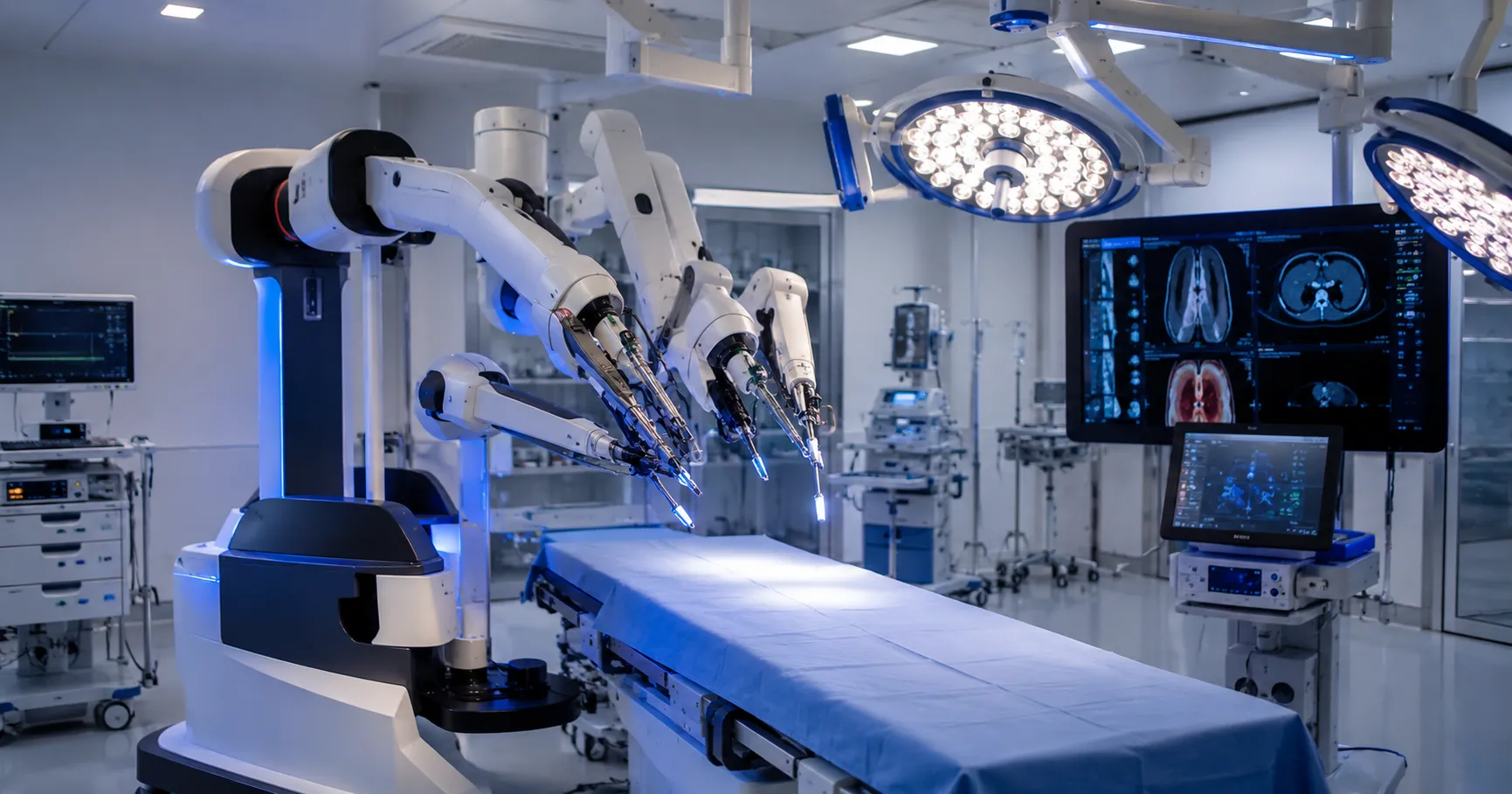
Robotic-Assisted Surgical Systems — Robotic-assisted systems may support selected precision procedures. Buyers should review clinical fit, training, instruments, maintenance, consumables, and space requirements.
Surgical Navigation Systems — Navigation tools may support orthopaedic, neurosurgical, ENT, spinal, and image-guided procedures where accurate anatomical guidance is important.
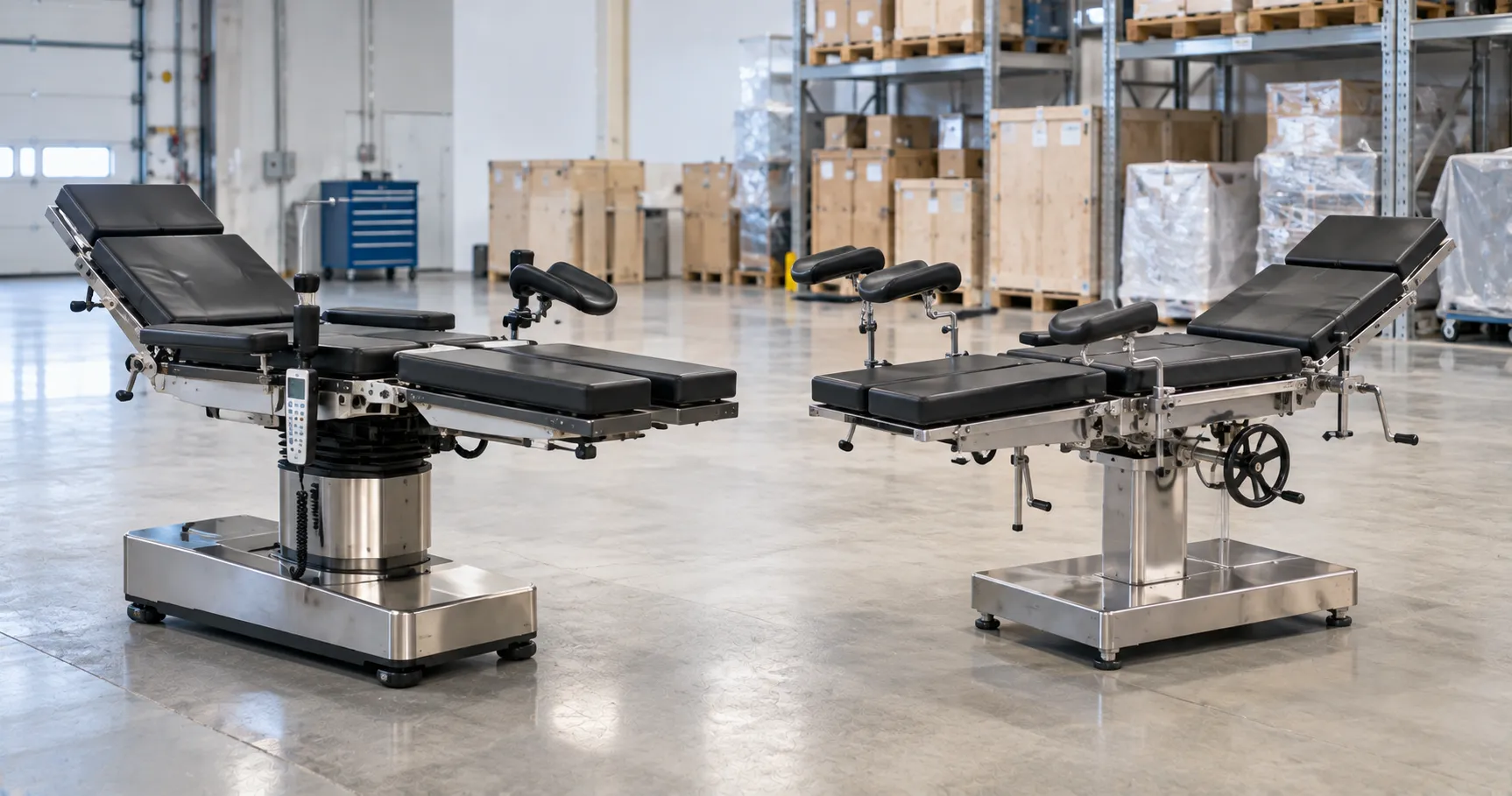
Smart Operating Tables — Modern operating tables may include programmable positions, imaging compatibility, weight capacity, memory settings, and speciality accessories.
Surgical Lights and Camera Systems — Smart surgical lights may include adjustable intensity, shadow control, camera integration, and cleanable control interfaces.
Insufflators and Endoscopic Systems — Laparoscopic and endoscopic systems may include pressure control, imaging support, gas monitoring, and digital displays.
Surgical Smoke Evacuation Systems — Smoke evacuation supports operating room air quality and helps manage plume generated during electrosurgical or laser procedures.
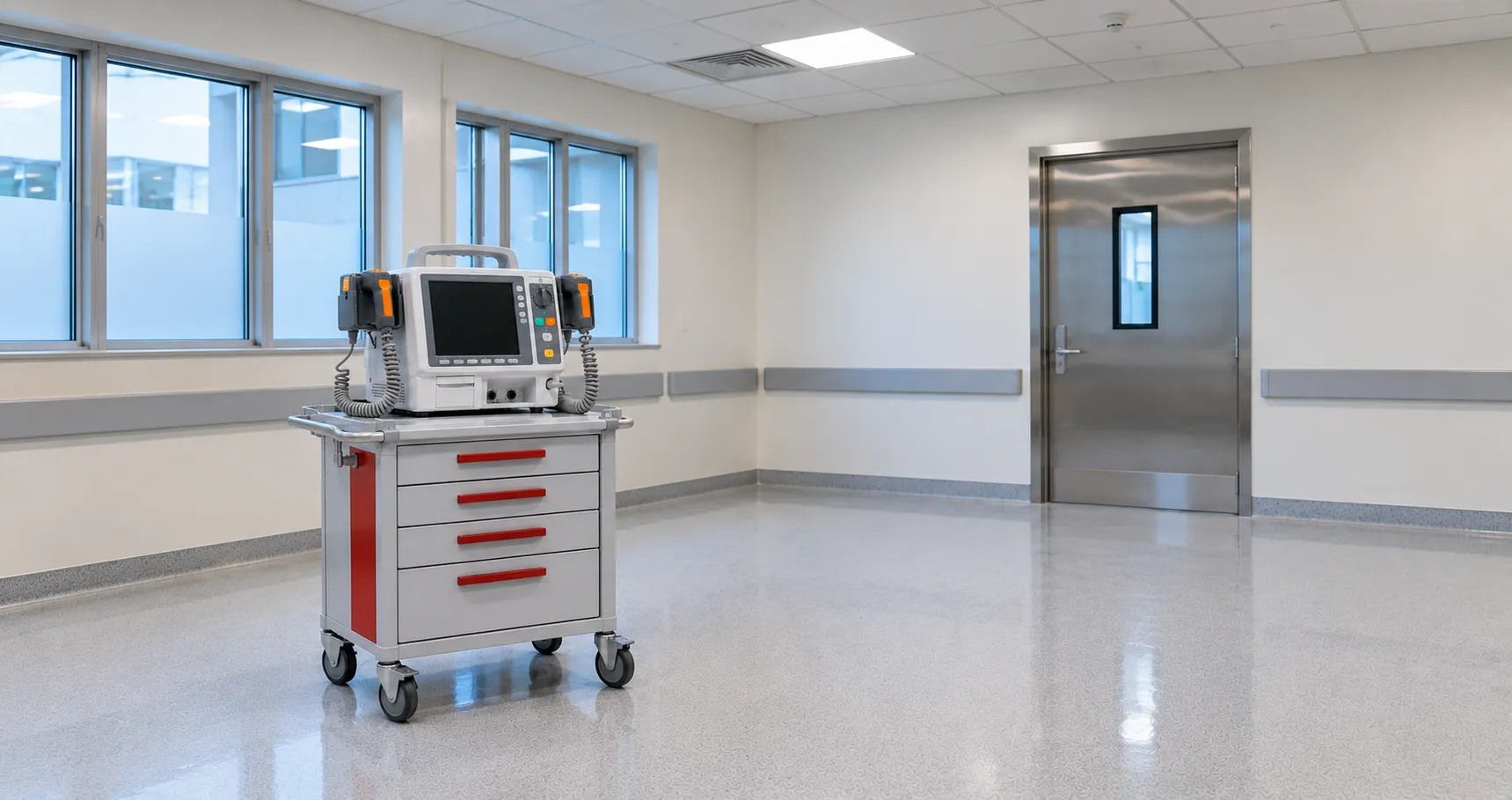
Anaesthesia and Monitoring Equipment — Anaesthesia workstations, patient monitors, warming systems, and infusion devices support patient management during surgery.
Instrument Tracking and Sterilisation Tools — Digital tracking systems, barcode labels, instrument trays, washer-disinfectors, and autoclaves help manage instrument flow and sterilisation records.
Facilities sourcing through regulated and certified equipment suppliers worldwide should confirm the device category, suitability for the procedure, accessories, documentation, training needs, warranty, and service support before procurement.
Key Features Buyers Should Review
Smart surgical equipment should be evaluated by clinical function and operating room workflow.
Procedure Compatibility — Equipment should match the speciality and procedure type, such as general surgery, orthopaedics, ENT, urology, neurosurgery, gynaecology, ophthalmology, or minimally invasive surgery.
Precision and Control — Buyers should review movement control, display quality, energy delivery, camera resolution, positioning accuracy, and alarm clarity.
Accessory Availability — Surgical equipment often depends on probes, cables, handpieces, electrodes, instruments, drapes, filters, adapters, camera heads, scopes, trays, and footswitches.
Sterilisation Compatibility — Reusable components should align with the hospital’s cleaning, disinfection, sterilisation, packaging, and storage workflows.
Usability — The system should be practical for surgeons, scrub nurses, circulating nurses, anaesthesia teams, and technicians.
Service Support — Smart surgical systems may require trained service engineers, software support, calibration, preventive maintenance, spare parts, and emergency repair support.
Total Cost of Ownership — Buyers should include device price, accessories, consumables, software, instruments, maintenance, training, spare parts, service contracts, installation, and replacement planning.
Smart Operating Room Workflow
Smart surgical equipment becomes more valuable when it fits the complete operating room workflow.
Pre-Procedure Setup — Teams should confirm equipment availability, accessories, sterility, patient positioning, power supply, imaging readiness, and backup equipment.
Intraoperative Use — Devices should be easy to control, visible to the team, and supported by clear alarms or indicators.
Post-Procedure Handling — Reusable parts should proceed to cleaning, disinfection, sterilisation, inspection, packaging, and storage in accordance with facility policy.
Documentation — Usage records, fault reports, maintenance notes, sterilisation records, and device settings may need to be documented.
Turnaround Planning — Equipment should support efficient room turnover without compromising cleaning, safety checks, or sterility.
Interoperability and Connected Surgical Systems
Many smart surgical systems connect with imaging platforms, monitors, displays, hospital networks, recording systems, electronic records, or device management platforms. The FDA defines medical device interoperability as the ability to safely, securely, and effectively exchange and use information among devices, products, technologies, or systems.
Interoperability matters because operating rooms often include several devices working together. The surgical video may need to be displayed on multiple screens. Patient monitor data may need to be visible to anaesthesia teams. Imaging devices may need to connect with PACS. Device settings or reports may need to be saved.
Buyers should check:
-
Supported connection standards
-
Video output options
-
Data export
-
PACS or imaging compatibility
-
Central display compatibility
-
Remote service access
-
Software update process
-
Downtime workflow
-
User access control
A connected system should still support a safe surgical workflow if a network connection, display, software platform, or remote service connection fails.
Cybersecurity Considerations
Smart surgical equipment may include software, firmware, network connections, remote service tools, cloud dashboards, video systems, user accounts, and stored data. Cybersecurity should be reviewed before purchase and installation.
FDA cybersecurity guidance provides recommendations regarding cybersecurity device design, labelling, and documentation for devices with cybersecurity risk. For hospitals, this means procurement teams should ask suppliers clear cybersecurity questions before connected surgical devices enter the operating room.
Important checks include:
-
Access control
-
User roles
-
Software version details
-
Firmware update process
-
Remote service policy
-
Encryption
-
Audit logs
-
Default password control
-
Patch support
-
Data storage and deletion
-
Cybersecurity documentation
Connected operating room technology can improve workflow, but only when IT, biomedical, and clinical leaders manage digital risk together.
Sterilisation and Infection Control Planning
Surgical equipment must align with the hospital’s cleaning and sterilisation processes. Smart devices may include reusable components, delicate optics, electronics, cables, sensors, and instruments that need careful handling.
Buyers should check:
-
Cleaning instructions
-
Disinfection requirements
-
Sterilisation method compatibility
-
Instrument tray design
-
Drying requirements
-
Packaging needs
-
Storage conditions
-
Reusable instrument lifespan
-
Cleaning validation information
-
Availability of replacement parts
If the equipment requires special cleaning, the hospital should confirm that CSSD teams have the correct tools, space, training, and documentation.
Maintenance and Biomedical Engineering Planning
Smart surgical equipment requires structured maintenance because operating rooms depend on device readiness. WHO defines medical equipment as medical devices that require calibration, maintenance, repair, user training, and decommissioning, which clinical engineers usually manage.
Maintenance planning should include:
-
Preventive maintenance schedules
-
Calibration where required
-
Electrical safety checks
-
Software updates
-
Battery checks
-
Cable inspection
-
Handpiece inspection
-
Optical system cleaning
-
Fault logs
-
Service reports
-
Spare part records
-
Downtime tracking
Biomedical teams should work with surgical departments to schedule maintenance without disrupting procedure lists. Repeated faults, missing accessories, or delayed repairs should be reviewed when planning equipment replacement.
Procurement Guidance for Smart Surgical Equipment
Procurement should involve surgeons, anaesthesia teams, operating room nurses, CSSD teams, biomedical engineers, IT teams, cybersecurity staff, finance teams, compliance teams, and procurement managers.
Define the Procedure Need — The facility should identify which procedures the equipment will support and what clinical problem it solves.
Review OR Infrastructure — Buyers should check power, space, mounting, ventilation, imaging compatibility, networking, display locations, and storage.
Compare Supplier Support — Suppliers and manufacturers advertising to global healthcare buyers should provide specifications, intended use, accessory lists, warranty terms, service details, software support, training materials, and compliance documents.
Check Consumables and Accessories — Many surgical devices require ongoing accessories or single-use components. These costs should be included before purchase.
Plan Training — Staff must know setup, operation, troubleshooting, cleaning, emergency steps, and reporting procedures.
Review Documentation — Buyers should request user manuals, service information, cleaning instructions, conformity documents, warranty files, calibration requirements, and cybersecurity information where relevant.
Staff Training for Smart Surgical Equipment
Smart surgical equipment can create new workflow steps. Training should be practical and role-specific.
Surgeon Training — Surgeons should understand device controls, modes, precision limits, imaging views, navigation support, safety features, and troubleshooting.
Nursing Team Training — Scrub and circulating nurses should understand setup, accessories, sterile handling, cable routing, alarms, cleaning workflow, and handover steps.
Anaesthesia Team Training — Anaesthesia teams should understand equipment interactions with patient monitoring, positioning, warming, and emergency response.
CSSD Training — Sterilisation teams should understand reusable components, cleaning steps, disassembly, inspection, packaging, and cycle compatibility.
Biomedical Training — Biomedical teams should understand maintenance, calibration, software updates, fault logs, spare parts, and service escalation.
IT Training — IT teams should understand network access, cybersecurity controls, software support, user roles, and data flow.
Common Procurement Mistakes to Avoid
Hospitals should avoid these mistakes when purchasing smart surgical equipment.
Buying Technology Without Procedure Fit — Equipment should match real surgical needs, not only appear advanced.
Ignoring Accessories — Missing cables, handpieces, instruments, scopes, electrodes, adapters, or trays can delay use.
Skipping Sterilisation Review — Reusable components must fit the CSSD workflow and cleaning capacity.
Underestimating Training Needs — Smart systems require structured training to ensure safe, confident use.
Ignoring Service Availability — Operating room equipment requires fast, reliable service support.
Not Reviewing Cybersecurity — Connected surgical devices should be reviewed before network deployment.
Forgetting Total Cost — Consumables, instruments, software, service, maintenance, and upgrades can change the real cost.
International Sourcing Considerations
Smart surgical equipment can be sourced internationally when buyers clearly define procedure type, device category, operating room infrastructure, accessory needs, sterilisation workflow, documentation, service access, cybersecurity expectations, warranty terms, and compliance requirements.
Healthcare groups managing multiple hospitals or surgical centres may benefit from structured distribution and reseller partnership arrangements. Standardising surgical equipment, accessories, service contracts, staff training, and maintenance records can reduce variation across facilities.
Buyers should confirm whether they need electrosurgical units, surgical lights, operating tables, endoscopy systems, surgical camera systems, insufflators, robotic-assisted systems, navigation tools, smoke evacuators, patient warming systems, anaesthesia workstations, or complete operating room equipment packages. For project-based sourcing, buyers can contact the Medigear.uk team for supply support to discuss availability, documentation, export needs, and procurement requirements.
Future Role of Smart Surgical Equipment
Smart surgical equipment will continue to support precision procedures, connected operating rooms, image-guided surgery, digital documentation, robotic assistance, and better equipment lifecycle management. The most successful hospitals will select systems that improve clinical workflow without creating unnecessary complexity.
The future of surgical equipment planning will depend on interoperability, cybersecurity, sterilisation compatibility, staff training, preventive maintenance, supplier transparency, and total cost review. Smart technology should support the surgical team, improve readiness, and make the operating room workflow more reliable.
Final Thoughts
Smart surgical equipment helps hospitals perform precision procedures, improve operating room workflow, enhance visual guidance, manage equipment readiness, and plan for better surgical technology. These systems can add value when they align with real procedural needs and are supported by trained clinical, biomedical, IT, and sterilisation teams.
The right surgical equipment should fit the hospital’s procedure mix, operating room infrastructure, sterilisation workflow, maintenance capacity, cybersecurity policy, training plan, and compliance requirements. Buyers should review documentation, accessories, service support, total cost of ownership, and supplier reliability before ordering.
Disclaimer
Medigear.uk is a global medical equipment supplier, exporter, and distributor. The content published on this site is intended for educational and product awareness purposes only. Nothing on this page constitutes medical advice, clinical guidance, surgical advice, cybersecurity advice, legal advice, regulatory advice, or treatment recommendations. All healthcare procurement, surgical, technology, legal, regulatory, and clinical decisions should be made by qualified professionals and compliant procurement teams operating within the regulatory frameworks of their respective countries.