Smart operating rooms combine surgical equipment, digital systems, connected displays, imaging tools, patient monitoring, anaesthesia technology, lighting, data flow, and workflow planning into one coordinated surgical environment. These rooms are designed to support better visibility, faster setup, improved communication, device readiness, and more organised procedure management.
For healthcare buyers, a smart operating room should not be treated as a collection of expensive devices. It should be planned as a complete clinical workspace where equipment, staff, software, sterilisation, maintenance, cybersecurity, and service support work together. The FDA describes digital health technologies as systems that use computing platforms, connectivity, software, and sensors for healthcare and related uses, a definition relevant to many connected OR systems.
What a Smart Operating Room Means
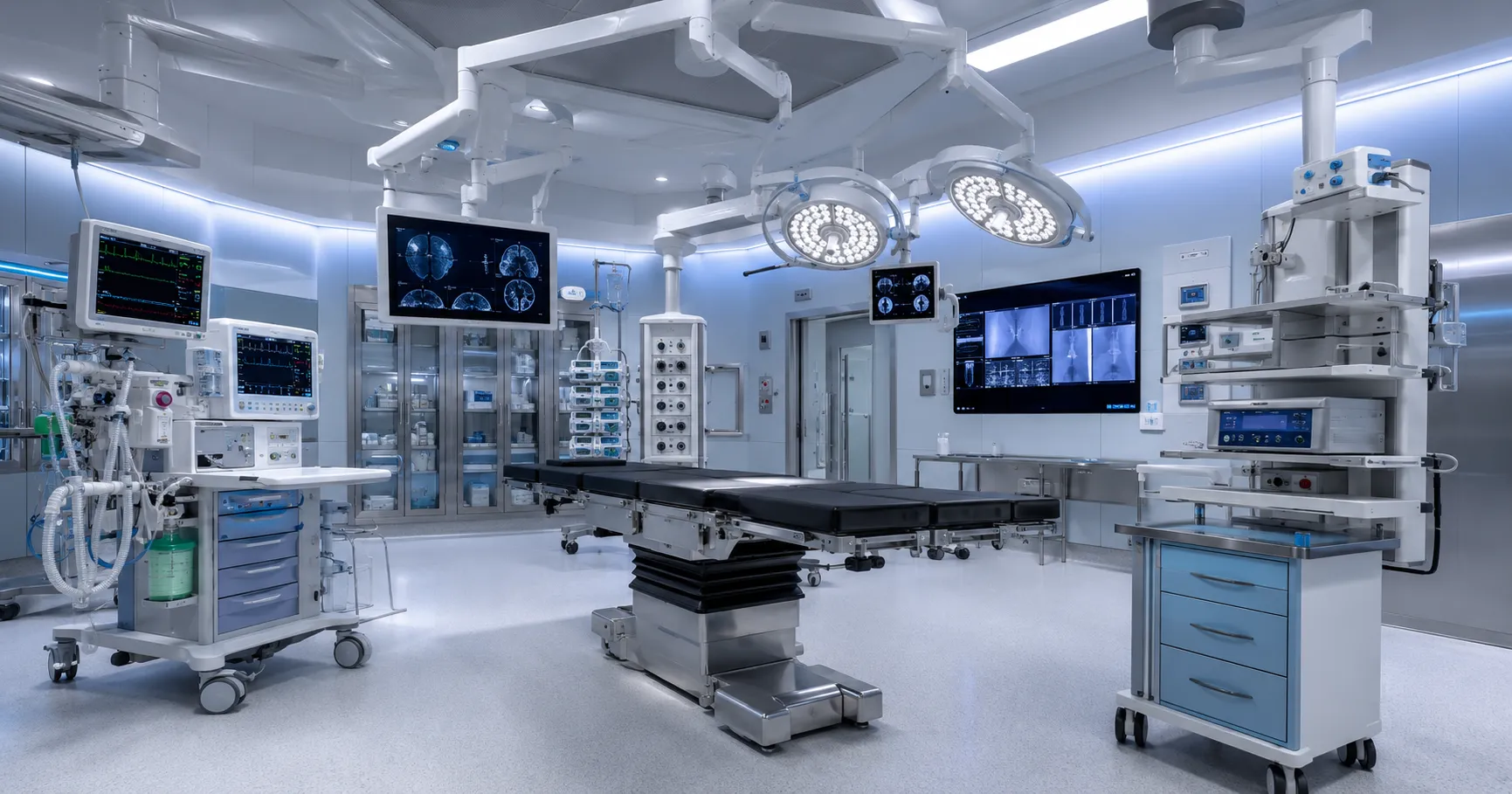
A smart operating room is an operating theatre that uses connected equipment and digital workflow tools to support surgical procedures. It may include integrated displays, surgical video routing, endoscopy towers, C-arm imaging, anaesthesia workstations, patient monitors, electrosurgical units, smart surgical lights, operating tables, room control panels, documentation tools, and device management systems.
The purpose is not to replace skilled surgical teams. The purpose is to help surgeons, anaesthesia teams, nurses, technicians, CSSD teams, IT teams, and biomedical engineers work with better visibility and equipment coordination.
A smart OR should make the surgical workflow easier, not more complicated.
Key Equipment Behind Smart Operating Rooms
Smart operating rooms depend on a combination of core surgical devices and digital support systems.
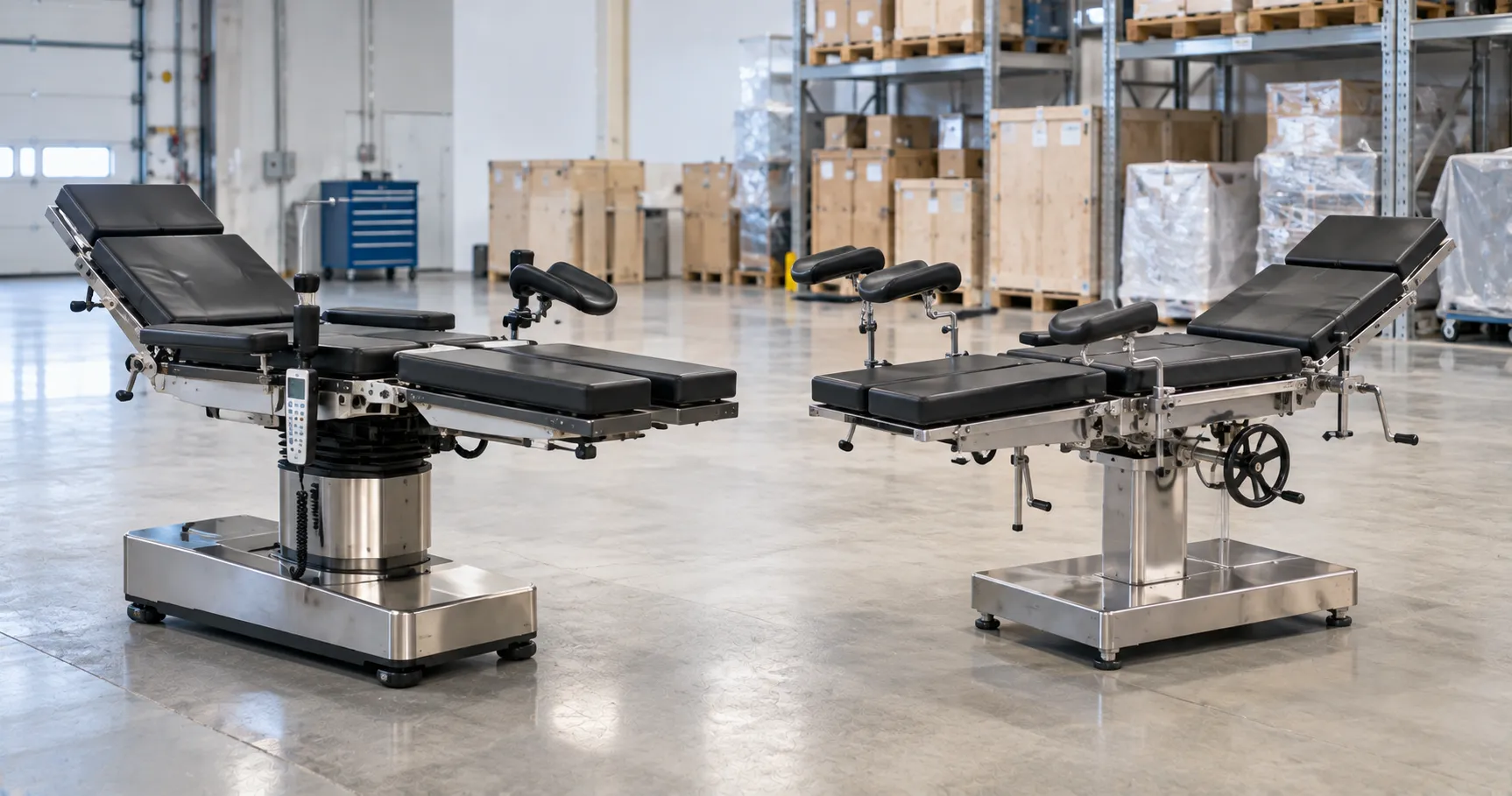
Operating Tables — Modern operating tables support positioning, imaging compatibility, weight capacity, speciality attachments, memory settings, and safer patient handling.
Surgical Lights — Smart surgical lights may include adjustable intensity, shadow control, camera integration, touchless controls, and cleanable surfaces.
Anaesthesia Workstations — These systems support gas delivery, ventilation, monitoring integration, alarms, and anaesthesia workflow during procedures.
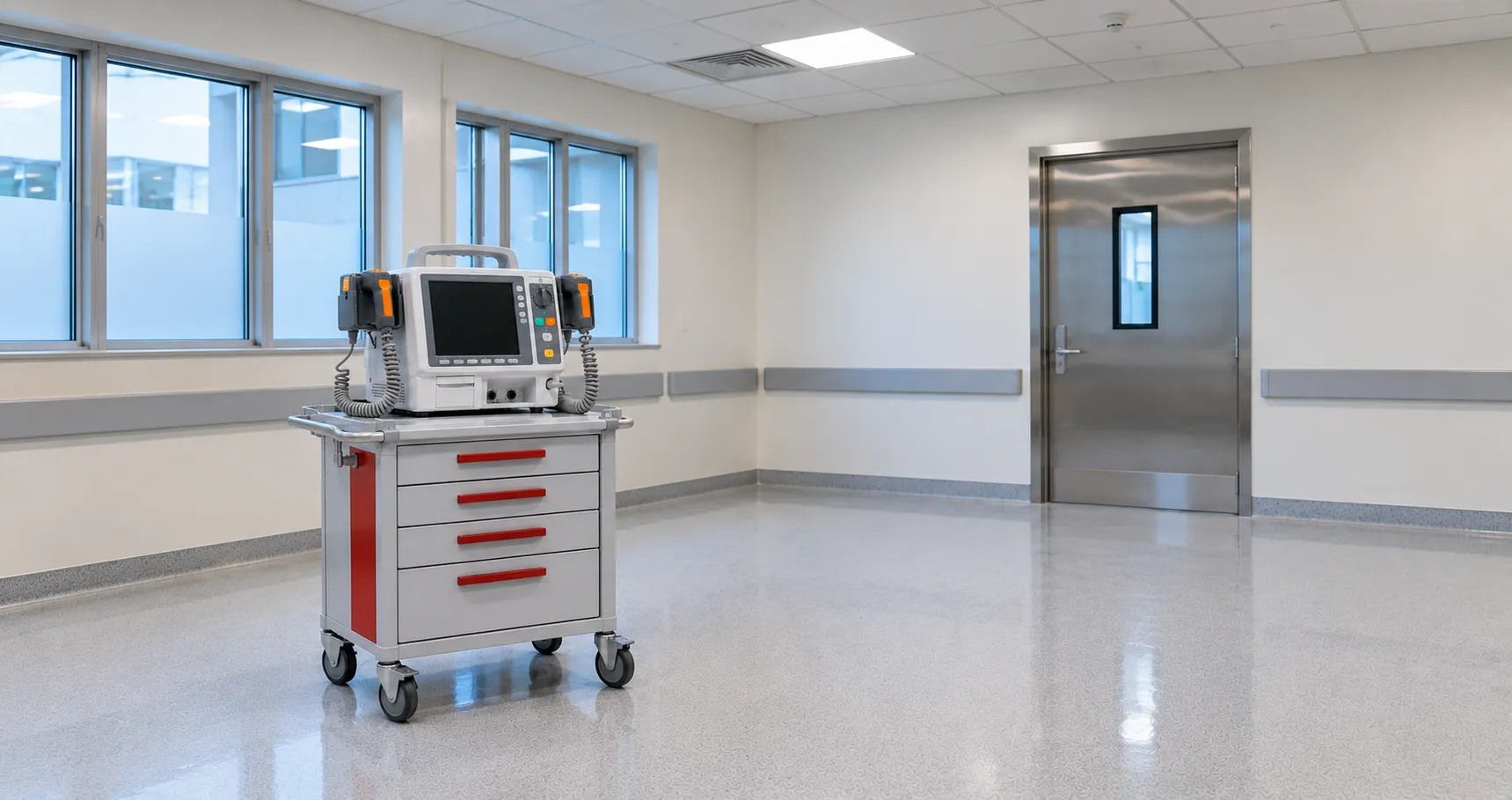
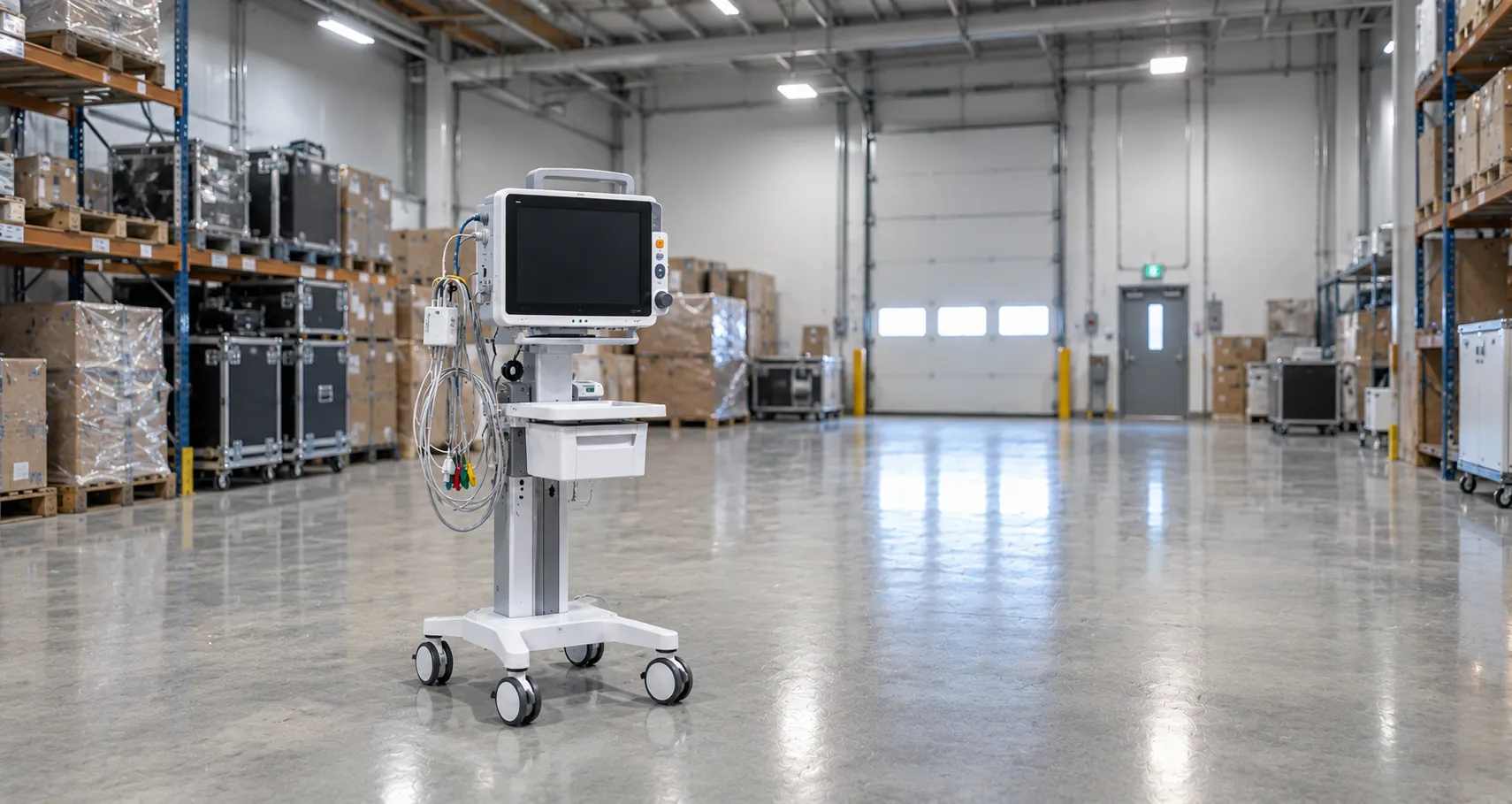
Patient Monitoring Systems — OR monitors track key patient parameters and may connect with anaesthesia systems, central stations, or documentation platforms.
Surgical Imaging Systems — C-arms, endoscopy systems, surgical cameras, fluoroscopy tools, ultrasound devices, and image display systems improve visual guidance.
Electrosurgical Units — These devices support cutting and coagulation. Buyers should review modes, safety features, accessories, smoke evacuation needs, and maintenance support.
Endoscopy and Laparoscopy Systems — Camera heads, scopes, insufflators, light sources, monitors, recording systems, and carts support minimally invasive procedures.
Surgical Displays and Video Routing — Integrated displays enable surgical teams to view imaging, endoscopy, patient data, and procedural information from appropriate OR positions.
Smoke Evacuation Systems — These help manage the surgical plume generated during electrosurgery, laser use, or similar procedures.
Instrument Tracking and Sterilisation Links — Barcode or digital tracking can help manage instrument trays, sterilisation records, and OR readiness.
Facilities sourcing through regulated and certified equipment suppliers worldwide should confirm compatibility, accessories, documentation, installation requirements, warranty, service access, and training before procurement.
Why Smart OR Planning Matters
A smart operating room improves value only when the equipment is planned around real surgical workflow.
Better Procedure Visibility — Imaging systems, cameras, lights, and displays help the team clearly view important surgical information.
Faster Setup and Turnover — Integrated systems can reduce cable clutter, improve room organisation, and support smoother preparation between cases.
Improved Team Communication — Shared displays and connected systems help staff review the same information during procedures.
Stronger Equipment Readiness — Device status, maintenance logs, sterility records, and accessory planning help reduce delays.
Better Documentation — Connected systems may support image capture, procedure records, device logs, and maintenance history.
WHO notes that the Surgical Safety Checklist was developed to reduce errors and adverse events and improve teamwork and communication in surgery. Smart OR planning should support the same goal through clear workflows and equipment readiness.
Interoperability in Smart Operating Rooms
Smart OR equipment often needs to exchange data with other systems. The FDA defines medical device interoperability as the ability to safely, securely, and effectively exchange and use information among devices, products, technologies, or systems.
Buyers should check whether the OR equipment can connect with:
-
PACS and imaging systems
-
Patient monitoring systems
-
Anaesthesia records
-
Hospital information systems
-
Electronic records
-
Video management platforms
-
Room control systems
-
Asset management platforms
-
Service dashboards
Interoperability should be planned before purchase. If devices cannot connect properly, staff may face duplicated work, manual documentation, display issues, and limited system value.
Cybersecurity for Connected OR Equipment
Smart operating rooms may include networked monitors, imaging systems, surgical displays, remote service tools, video systems, cloud dashboards, and user accounts. FDA cybersecurity guidance provides recommendations on cybersecurity device design, labelling, and documentation for devices with cybersecurity risk.
Cybersecurity checks should include:
-
Access control
-
User permissions
-
Remote service rules
-
Software updates
-
Firmware version records
-
Encryption
-
Audit logs
-
Default password control
-
Data storage
-
End-of-life data removal
Cybersecurity should be reviewed during procurement, not after installation.
Procurement Guidance for Smart Operating Rooms
Smart OR procurement should involve surgeons, anaesthesia teams, OR nurses, CSSD teams, biomedical engineers, IT teams, cybersecurity staff, finance teams, compliance staff, and procurement managers.
Define Procedure Types — Equipment should align with specialities such as general surgery, orthopaedics, ENT, urology, neurosurgery, gynaecology, ophthalmology, endoscopy, or minimally invasive surgery.
Review Room Infrastructure — Buyers should check power, ceiling mounts, gas supply, ventilation, networking, display locations, storage, lighting, and imaging access.
Compare Total Cost of Ownership — Smart OR cost includes equipment, accessories, consumables, installation, software, training, maintenance, spare parts, service contracts, and future upgrades.
Check Supplier Transparency — Suppliers and manufacturers advertising to global healthcare buyers should provide specifications, compatibility details, cybersecurity information, warranty terms, training, service support, and compliance documents.
Pilot Workflow Where Possible — Hospitals should review usability, cable routing, display placement, alarm visibility, cleaning workflow, and staff feedback before full implementation.
Maintenance and Biomedical Engineering Planning
Smart operating rooms require strong maintenance planning because many devices are used together during procedures. A single device issue can delay the room.
Maintenance planning should include:
Preventive maintenance schedules
-
Electrical safety checks
-
Calibration where required
-
Software updates
-
Cable inspection
-
Battery checks
-
Light intensity checks
-
Imaging system service
-
Anaesthesia system service
-
Fault logs
-
Spare parts
-
Service reports
Biomedical teams should work with OR leaders to schedule maintenance without disrupting procedure lists. Repeated faults and downtime should guide replacement planning.
Sterilisation and Infection Control
Smart OR equipment must fit cleaning and sterilisation workflows. Reusable scopes, camera heads, instruments, handpieces, cables, trays, and attachments may require specific handling.
Buyers should check cleaning instructions, sterilisation compatibility, disassembly steps, drying requirements, storage requirements, reusable lifespan, and availability of replacement parts.
CSSD teams should be included early, as advanced OR equipment may introduce new instrument-processing requirements.
Common Planning Mistakes to Avoid
Hospitals should avoid these mistakes when planning smart operating rooms.
Buying Devices Separately Without Integration — Smart OR value depends on compatibility and workflow.
Ignoring Room Layout — Display placement, staff movement, cable routing, and equipment storage must be planned.
Skipping Cybersecurity Review — Connected OR systems need secure access and update planning.
Forgetting Accessories — Scopes, cables, adapters, handpieces, trays, mounts, filters, and footswitches — affects real use.
Underestimating Training Needs — Surgeons, nurses, technicians, biomedical teams, IT teams, and CSSD staff need role-specific training.
No Downtime Plan — Procedures should continue safely if a display, network, or connected system fails.
International Sourcing Considerations
Smart operating room equipment can be sourced internationally when buyers clearly define procedure type, room design, equipment category, compatibility needs, installation requirements, accessories, cybersecurity expectations, warranty, service access, documentation, and compliance requirements.
Healthcare groups managing multiple surgical centres may benefit from structured distribution and reseller partnership arrangements. Standardising OR equipment, accessories, training, maintenance records, and service contracts can reduce variation across facilities.
Buyers should confirm whether they need operating tables, surgical lights, anaesthesia workstations, monitors, electrosurgical units, endoscopy systems, surgical displays, C-arms, smoke evacuators, room control systems, or complete smart OR packages. For project-based sourcing, buyers can contact the Medigear.uk team for supply support to discuss availability, documentation, export needs, and procurement requirements.
Future Role of Smart Operating Rooms
Smart operating rooms will continue to support digital surgery, connected surgical suites, image-guided procedures, better documentation, improved maintenance planning, and more organised OR workflows. The strongest systems will be those that improve surgical readiness without adding unnecessary complexity.
Hospitals should focus on practical integration, trained users, reliable service, cybersecurity, sterilisation compatibility, and total cost review.
Final Thoughts
Smart operating rooms help hospitals improve surgical workflow, device visibility, equipment coordination, documentation, and OR readiness. They work best when equipment is selected as part of a complete clinical and technical environment.
The right smart OR plan should include surgical needs, room layout, interoperability, cybersecurity, sterilisation workflow, maintenance planning, staff training, supplier support, and total cost of ownership.
Disclaimer
Medigear.uk is a global medical equipment supplier, exporter, and distributor. The content published on this site is intended for educational and product awareness purposes only. Nothing on this page constitutes medical advice, clinical guidance, surgical advice, cybersecurity advice, legal advice, regulatory advice, or treatment recommendations. All healthcare procurement, surgical, technology, legal, regulatory, and clinical decisions should be made by qualified professionals and compliant procurement teams operating within the regulatory frameworks of their respective countries.