Preventive maintenance is one of the most important operational practices in modern laboratories. Healthcare facilities rely heavily on diagnostic equipment for continuous sample processing, workflow coordination, and analytical consistency. Without proper maintenance planning, even advanced laboratory systems can experience performance instability, increased downtime, and shortened operational lifespan.
In hospitals, diagnostic centres, pathology laboratories, and research facilities, preventive maintenance helps ensure laboratory devices continue to operate reliably, supports stable workflow, and reduces unexpected technical failures.
This guide explains what preventive maintenance involves, why it is important for laboratory devices, and the best practices healthcare facilities should follow to maintain operational efficiency.
What Is Preventive Maintenance in Laboratory Equipment?
Preventive maintenance refers to scheduled inspection, servicing, calibration, cleaning, and performance verification designed to reduce the risk of unexpected equipment failure.
Unlike reactive maintenance, which occurs after a breakdown, preventive maintenance focuses on identifying issues before operational disruption occurs.
Common Preventive Maintenance Activities
-
Calibration verification
-
Cleaning procedures
-
Sensor inspection
-
Software updates
-
Lubrication checks
-
Temperature monitoring
-
Mechanical inspection
-
Electrical system testing
Reducing Unexpected Equipment Downtime – Early detection of issues helps laboratories maintain workflow continuity.
Improving Long-Term Equipment Reliability – Routine servicing helps preserve operational stability over time.
Healthcare facilities evaluating laboratory infrastructure often review sourcing support resources available through Buyers Services.
Why Preventive Maintenance Is Important in Laboratories
Laboratory equipment operates continuously in demanding healthcare environments, where workflow interruptions can significantly affect operational efficiency.
Supporting Consistent Diagnostic Workflow: Routine maintenance helps analysers and laboratory systems maintain stable performance.
Reducing Workflow Interruptions – Preventive servicing minimises the risk of sudden equipment breakdowns during high testing demand.
Improving Operational Predictability – Scheduled maintenance allows laboratories to plan service activities more efficiently.
Protecting Equipment Accuracy and Stability: Over time, wear and environmental factors can affect analyser performance.
Maintaining Analytical Consistency – Calibration and inspection procedures help preserve measurement stability.
Diagnostic centres modernising their operational infrastructure may also find value in Medigear.uk’s educational guide on quality control for laboratory equipment.
Laboratory Devices That Require Preventive Maintenance
Nearly all laboratory systems benefit from structured maintenance programs.
Commonly Maintained Laboratory Equipment
-
Hematology analyzers
-
Biochemistry analyzers
-
PCR systems
-
Blood gas analysers
-
Centrifuges
-
Laboratory refrigerators
-
Microscopes
-
Incubators
-
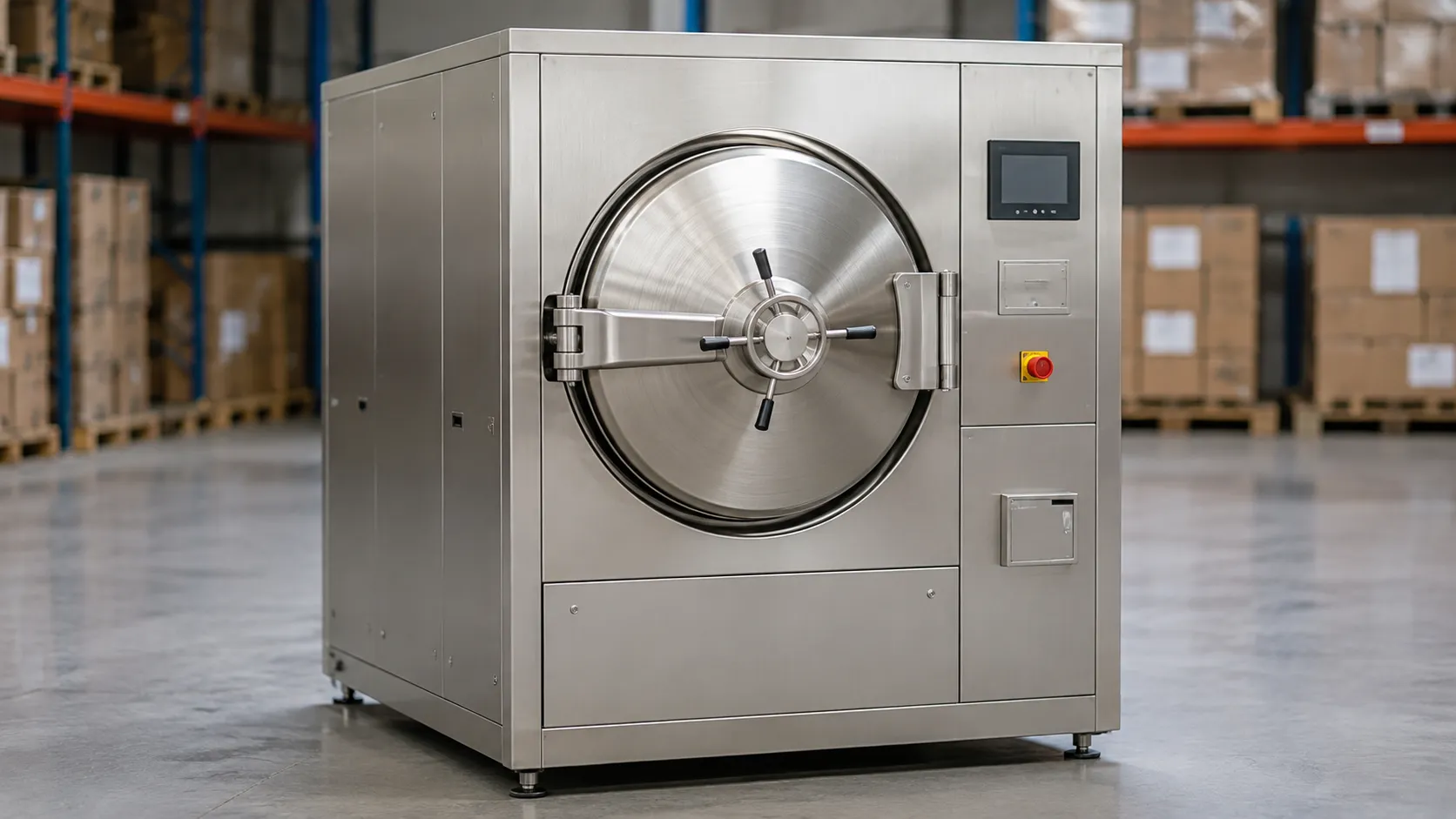
Autoclaves
Supporting Reliable Multi-Department Operations – Preventive maintenance helps laboratories maintain workflow coordination across diagnostic areas.
Reducing Equipment Performance Variability – Consistent servicing improves operational stability.
Healthcare suppliers supporting laboratory infrastructure development may also explore collaboration opportunities through business Suppliers.
Key Components of an Effective Preventive Maintenance Program
Successful maintenance programs involve more than occasional servicing.
Scheduled Maintenance Planning - Laboratories should maintain structured service schedules for each device.
Improving Workflow Organisation – Planned maintenance reduces operational disruption.
Calibration Verification - Calibration checks help confirm that equipment measurements remain within acceptable operating ranges.
Supporting Analytical Accuracy – Calibration helps maintain reliable equipment performance.
Environmental Monitoring - Temperature, humidity, airflow, and power conditions may affect equipment stability.
Protecting Operational Conditions – Controlled environments improve long-term equipment reliability.
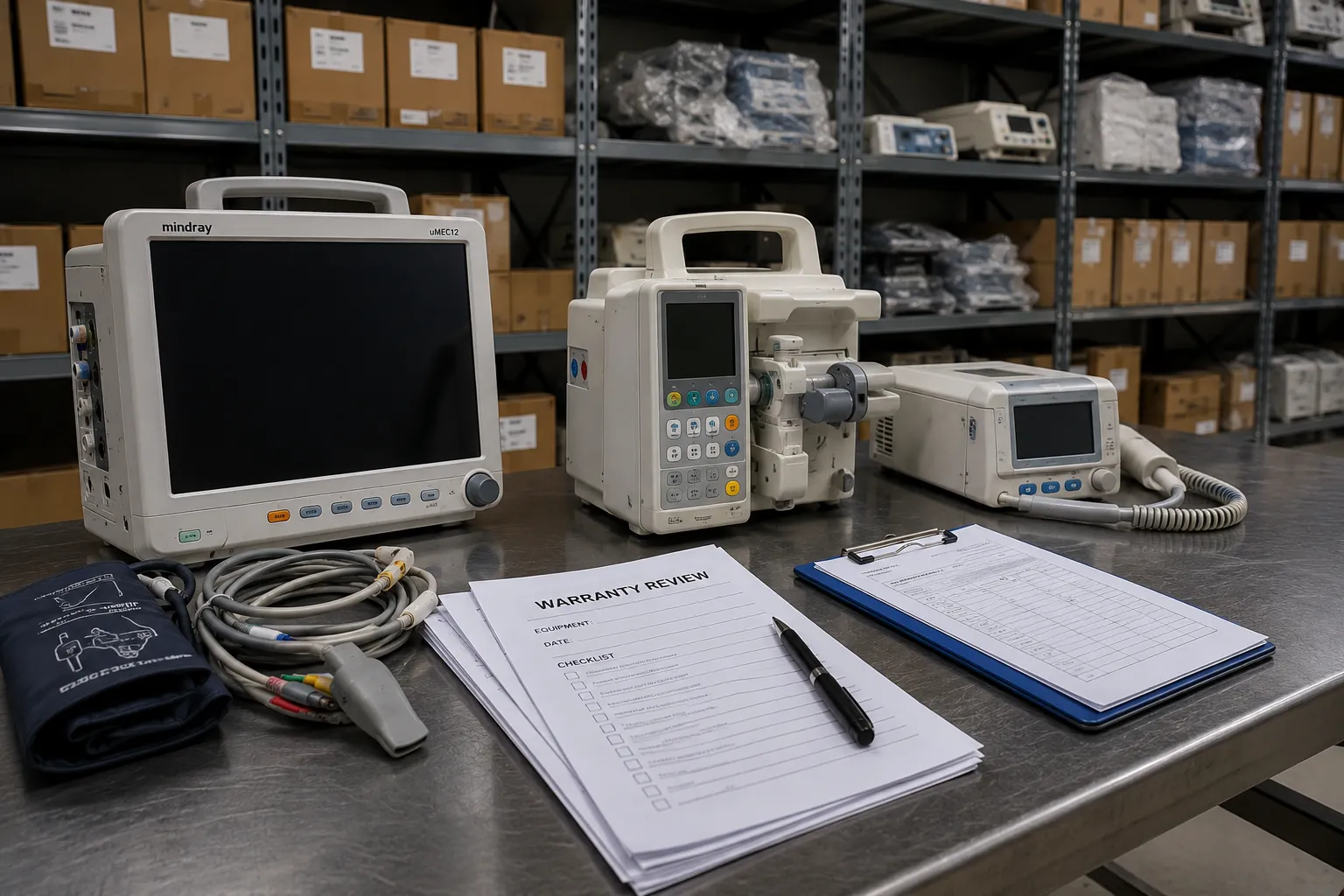
Documentation and Service Records - Maintenance logs help laboratories track service history and operational trends.
Improving Maintenance Visibility – Accurate records support better infrastructure management.
Healthcare organizations exploring healthcare technology partnerships may also review opportunities available through business Partners.
Common Preventive Maintenance Procedures
Different laboratory devices require different servicing procedures depending on operational complexity.
Cleaning and Decontamination - Routine cleaning helps prevent contamination and operational obstruction.
Reducing Internal System Stress – Clean equipment often performs more reliably over time.
Inspection of Mechanical Components: Moving parts may gradually wear during continuous laboratory operation.
Helping Identify Early Signs of Wear – Mechanical inspection reduces the risk of sudden failure.
Software and Firmware Updates: Modern analysers increasingly depend on digital infrastructure.
Improving Workflow Stability – Updated software helps maintain system compatibility and operational performance.
Safety System Verification: Laboratories should regularly inspect alarms, locks, sensors, and monitoring systems
Supporting Safer Laboratory Operation – Safety inspections reduce operational risks.
Facilities that review broader infrastructure planning often compare operational guidance for laboratory refrigerators and centrifuge systems.
Common Problems Caused by Poor Maintenance
Lack of preventive maintenance can create serious operational difficulties.
Frequently Observed Issues
-
Increased equipment downtime
-
Calibration instability
-
Workflow delays
-
Temperature fluctuations
-
Mechanical failure
-
Reduced analyser lifespan
-
Unexpected repair costs
Reducing Long-Term Operational Risk – Preventive maintenance helps laboratories avoid avoidable workflow disruption.
Improving Infrastructure Reliability – Well-maintained systems generally provide more stable performance.
Healthcare companies interested in improving visibility within the healthcare equipment industry may also explore promotional opportunities through business advertising.
The Role of Staff Training in Preventive Maintenance
Laboratory staff play an important role in daily equipment oversight.
Important Training Areas
-
Daily inspection procedures
-
Cleaning protocols
-
Calibration awareness
-
Error reporting workflows
-
Basic troubleshooting
-
Environmental monitoring
Improving Operational Consistency – Trained teams often identify maintenance issues earlier.
Reducing User-Related Equipment Problems – Proper handling improves long-term equipment stability.
Digital Maintenance Systems Are Becoming More Common
Modern laboratories increasingly use connected maintenance management platforms.
Emerging Digital Maintenance Features
-
Automated maintenance reminders
-
Predictive service alerts
-
Remote performance monitoring
-
Digital maintenance logs
-
Cloud-based reporting systems
Improving Maintenance Coordination – Digital systems help laboratories manage servicing schedules more efficiently.
Reducing Administrative Workload – Automated tracking improves operational organisation.
Facilities modernising laboratory automation infrastructure often compare predictive maintenance strategies alongside connected diagnostic systems and smart workflow management.
How Predictive Maintenance Is Expanding Beyond Traditional Preventive Servicing
Healthcare laboratories are increasingly adopting predictive maintenance technologies.
Predictive Maintenance Capabilities
Connected analysers can monitor:
-
Sensor performance
-
Internal temperature changes
-
Mechanical wear patterns
-
Calibration stability
-
Power fluctuations
Supporting Earlier Problem Detection – Predictive monitoring identifies irregularities before equipment failure occurs.
Improving Equipment Lifecycle Planning – Continuous performance analysis helps laboratories optimise maintenance timing.
Best Practices for Preventive Maintenance Planning
Healthcare facilities should develop structured maintenance strategies for long-term workflow reliability.
Recommended Operational Practices
-
Maintain written maintenance schedules
-
Track calibration history carefully
-
Train staff regularly
-
Monitor environmental conditions
-
Review equipment performance trends
-
Partner with reliable service providers
Supporting Better Workflow Stability – Structured maintenance planning improves operational consistency.
Reducing Unexpected Service Costs – Preventive servicing often lowers long-term repair expenses.
Healthcare facilities seeking laboratory infrastructure planning support or sourcing guidance can contact the Contact Team for additional information.
Disclaimer
Medigear.uk is a medical equipment supplier and distributor. We do not provide medical advice, diagnosis, or treatment recommendations. All information is for educational and product awareness purposes only. Qualified medical professionals should always make healthcare decisions.