Polymerase Chain Reaction (PCR) technology has transformed modern diagnostics, molecular biology, and laboratory research. PCR machines are now widely used in hospitals, diagnostic laboratories, research centres, pharmaceutical facilities, and public health institutions because they allow rapid amplification and detection of genetic material.
From infectious disease testing to genetic analysis and molecular diagnostics, PCR systems have become essential tools in healthcare laboratories requiring high-sensitivity, reliable molecular testing workflows.
This guide explains what PCR machines are, how they work, the different types available, and the major applications supporting modern healthcare and laboratory operations.
What Is a PCR Machine?
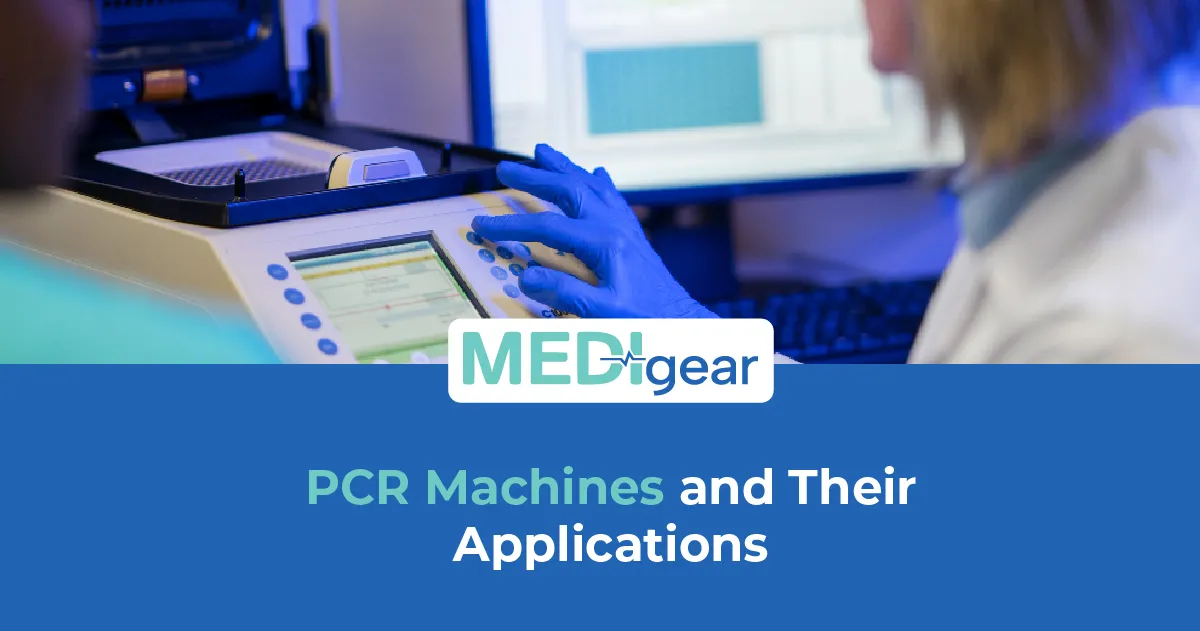
A PCR machine, also known as a thermal cycler, is a laboratory device that amplifies small amounts of DNA or RNA into millions of copies through controlled temperature cycling.
The machine repeatedly heats and cools samples to support different stages of the amplification process.
Why PCR Technology Is Important - PCR testing helps laboratories identify genetic material quickly and accurately.
Supporting High-Sensitivity Molecular Detection – PCR systems can detect extremely small quantities of genetic material within samples.
Improving Diagnostic Workflow Efficiency – Automated molecular testing supports faster laboratory processing and reporting.
Healthcare facilities evaluating molecular diagnostic infrastructure often review sourcing guidance available through Buyers Services.
How PCR Machines Work
PCR machines operate by controlling temperature changes that allow DNA amplification through repeated reaction cycles.
The Basic PCR Process - The process generally includes three major stages:
Denaturation Phase - The machine heats the sample to separate the DNA strands.
Preparing Genetic Material for Amplification – High temperatures break hydrogen bonds between DNA strands.
Annealing Phase - Temperature decreases, allowing primers to bind to target DNA sequences.
Supporting Sequence Identification – Primers help direct amplification toward specific genetic regions.
Extension Phase - The system slightly increases the temperature to allow DNA polymerase to extend the DNA strands.
Generating Amplified Genetic Copies – Repeated cycles rapidly multiply target genetic material.
Diagnostic laboratories modernising molecular infrastructure may also find value in Medigear.uk’s educational guide covering essential laboratory equipment for diagnostic centres.
Main Components of a PCR Machine
Several important systems work together inside a PCR machine.
Thermal Block System - The thermal block controls temperature cycling during testing.
Maintaining Accurate Temperature Control – Precise heating and cooling improve amplification consistency.
Control Interface - Modern PCR systems include digital control panels and programmable workflow settings.
Supporting Customised Testing Protocols – Laboratories can configure different thermal cycling parameters.
Heated Lid Mechanism - Prevents condensation during processing.
Improving Sample Stability During Amplification – Controlled moisture management helps maintain reaction consistency.
Optical Detection Systems - Real-time PCR systems often include fluorescence detection technology.
Supporting Live Amplification Monitoring – Optical systems allow laboratories to track reactions during processing.
Healthcare suppliers supporting molecular laboratory development may also explore collaboration opportunities through business suppliers.
Types of PCR Machines
Different laboratories require different PCR configurations depending on testing complexity and operational demand.
Conventional PCR Machines - These systems perform standard DNA amplification without real-time monitoring.
Supporting Basic Molecular Testing Workflows – Suitable for many routine laboratory applications.
Real-Time PCR (qPCR) Systems - Real-time PCR machines monitor amplification in real time.
Improving Quantitative Analysis Capability – Laboratories can evaluate genetic amplification in real time.
Digital PCR Systems - Digital PCR technology divides samples into many individual reactions for highly sensitive analysis.
Supporting Advanced Molecular Precision – Frequently used in specialised research and diagnostic environments.
Portable PCR Machines - Compact systems designed for mobile or decentralised testing environments.
Improving Point-of-Care Molecular Access – Portable systems support flexible diagnostic workflows.
Healthcare organisations exploring healthcare technology partnerships may also review opportunities available through business Partners.
Common Applications of PCR Machines
PCR technology supports a broad range of healthcare and laboratory workflows.
Infectious Disease Testing: PCR systems are widely used to detect bacterial and viral genetic material.
Supporting Rapid Molecular Diagnostics – High-sensitivity testing improves laboratory workflow responsiveness.
Genetic Testing: PCR helps laboratories detect genetic mutations and inherited conditions.
Improving Molecular Analysis Capability – Amplification technology supports detailed genetic workflows.
Cancer Research and Molecular Oncology - PCR assists with identifying genetic markers and molecular research applications.
Supporting Advanced Laboratory Investigation – Molecular testing plays an increasing role in research environments.
Forensic Science Applications - PCR technology is also widely used in forensic DNA analysis.
Enhancing Biological Sample Evaluation – Amplified DNA supports identification and comparison workflows.
Research and Academic Laboratories - PCR systems remain essential tools in molecular biology and scientific research.
Supporting Broad Laboratory Innovation – Molecular amplification technology continues to expand across research fields.
Facilities reviewing broader molecular diagnostic planning often compare workflow considerations with discussions of laboratory automation and refrigeration infrastructure.
The Role of PCR Machines in Modern Diagnostic Laboratories
Molecular testing has become increasingly important in healthcare diagnostics.
Supporting Faster Diagnostic Turnaround - PCR testing often provides rapid molecular analysis compared to traditional methods.
Improving Laboratory Workflow Speed – Faster diagnostics support more efficient sample processing.
Enhancing High-Sensitivity Detection PCR can detect low levels of genetic material in samples.
Supporting Advanced Diagnostic Capability – Molecular amplification improves testing precision.
Improving Outbreak and Public Health Monitoring - PCR systems support large-scale molecular screening efforts.
Helping Laboratories Manage High Testing Demand – Automated workflows improve operational scalability.
Healthcare companies interested in increasing visibility within the healthcare equipment industry may also explore promotional opportunities through business Advertising.
Important Factors to Consider Before Purchasing a PCR Machine
Healthcare facilities should carefully evaluate their operational needs before selecting molecular diagnostic equipment.
Key Procurement Considerations
-
Testing volume requirements
-
Throughput capacity
-
Real-time monitoring capability
-
Temperature accuracy
-
Software integration
-
Maintenance support
-
Reagent compatibility
-
Laboratory space requirements
Balancing Advanced Features With Operational Needs – High-performance systems may require greater infrastructure investment.
Evaluating Long-Term Service Reliability – Consistent maintenance support remains essential for uninterrupted laboratory operation.
Maintenance Requirements for PCR Machines
Routine servicing helps maintain testing reliability and operational stability.
Common Maintenance Priorities
-
Temperature calibration verification
-
Optical system inspection
-
Software updates
-
Heated lid performance checks
-
Dust and airflow management
-
Workflow validation testing
Reducing Unexpected Downtime – Preventive maintenance supports continuous molecular testing capability.
Maintaining Analytical Accuracy – Consistent servicing helps preserve reliable amplification performance.
Emerging Trends in PCR Technology
PCR systems continue evolving alongside broader molecular diagnostic innovation.
Faster Thermal Cycling Technology - Modern systems increasingly support shorter processing times.
AI-Assisted Workflow Monitoring - Advanced software platforms are increasingly supporting intelligent quality monitoring and data analysis.
Greater Point-of-Care Accessibility - Portable molecular testing systems are expanding outside centralised laboratories.
Cloud-Connected Molecular Diagnostics - Digital reporting and centralised workflow management continue to improve laboratory coordination.
Healthcare facilities seeking molecular diagnostic planning support or sourcing assistance can contact the Contact Team for additional information.
Disclaimer
Medigear.uk is a medical equipment supplier and distributor. We do not provide medical advice, diagnosis, or treatment recommendations. All information is for educational and product awareness purposes only. Qualified medical professionals should always make healthcare decisions.