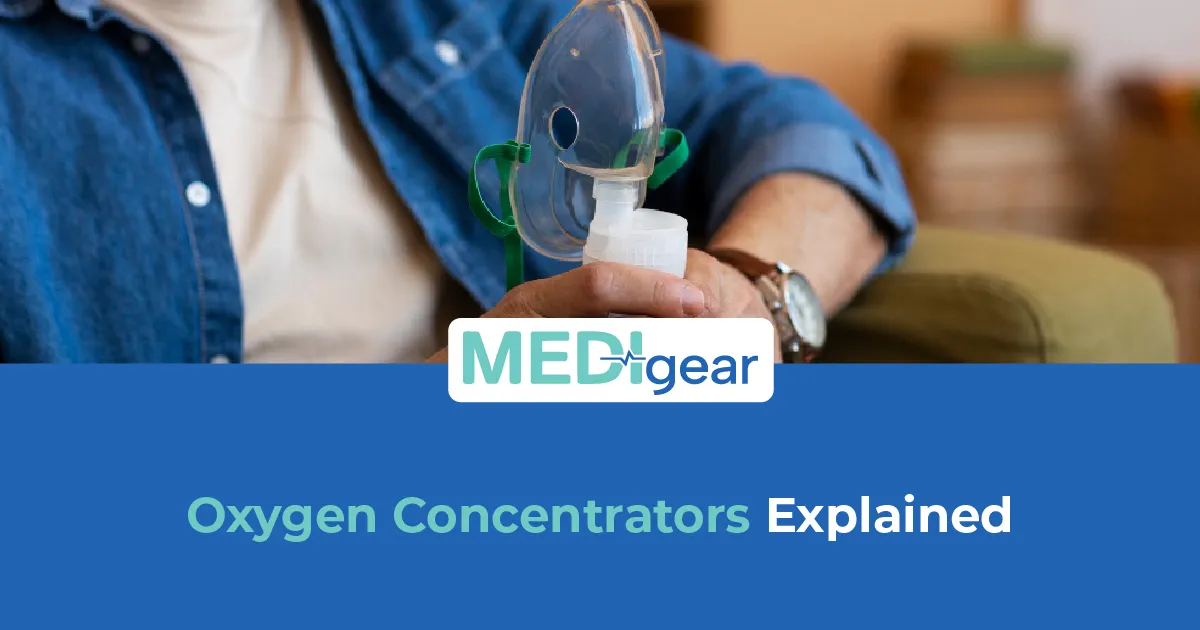
Oxygen concentrators have become an important part of modern healthcare by providing a continuous supply of concentrated oxygen from the surrounding air. Unlike traditional oxygen cylinders that require refilling, these devices use filtration technology to separate oxygen from other gases, offering a practical solution for various healthcare environments.
From home care settings to healthcare facilities and emergency preparedness, oxygen concentrators are designed to support oxygen delivery while reducing the logistical challenges associated with compressed gas storage. Understanding how these devices work and what features to consider can help healthcare buyers and caregivers make informed decisions.
What Is an Oxygen Concentrator?
An oxygen concentrator is a medical device that draws in ambient air, removes nitrogen through filtration, and delivers oxygen-enriched air to the user.
The basic process includes:
-
Air intake from the environment.
-
Filtration of dust and particles.
-
Nitrogen separation.
-
Oxygen concentration.
-
Continuous oxygen output.
Unlike oxygen cylinders, concentrators do not store oxygen but generate it continuously during operation.
How Oxygen Concentrators Work
The technology behind oxygen concentrators relies on specialised filtration systems.
Air Collection – The device pulls room air into the system.
Particle Filtration – Filters remove dust and airborne contaminants.
Nitrogen Separation – Specialised molecular sieves separate nitrogen from oxygen.
Oxygen Delivery – Concentrated oxygen is delivered through an outlet system.
Continuous Operation – The process repeats as long as the device remains powered.
This design allows for a steady oxygen supply without the need for cylinder replacement.
Types of Oxygen Concentrators
Different models are available to suit various operational requirements.
Stationary Oxygen Concentrators
Stationary units are designed for fixed locations.
Higher Output Capacity – Suitable for extended operation.
Stable Installation – Intended for regular use in one location.
Simple Controls – User-friendly operation.
Portable Oxygen Concentrators - Portable models prioritise mobility and convenience.
Compact Construction – Easier to transport.
Rechargeable Batteries – Support movement between locations.
Travel-Friendly Designs – Suitable for active lifestyles.
Healthcare organisations and buyers exploring equipment sourcing opportunities can discover more through the buyers' services.
Key Features to Consider
Selecting an oxygen concentrator involves evaluating several practical features.
Oxygen Output Capacity – Different models provide different flow capabilities.
Portability – Compact units improve mobility.
Battery Performance – Portable systems benefit from extended operating times.
Noise Levels – Quiet operation can improve user comfort.
Display Panels – Clear interfaces simplify operation.
Alarm Systems – Audible and visual alerts support equipment monitoring.
Advantages of Oxygen Concentrators
Oxygen concentrators offer several practical benefits.
Continuous Oxygen Production – Eliminates the need for frequent cylinder replacement.
Simplified Storage – No need for large compressed gas inventories.
Improved Portability Options – Portable models support mobility.
Reduced Logistics Requirements – Minimise oxygen delivery scheduling.
These characteristics contribute to operational flexibility across different healthcare settings.
Equipment Maintenance
Regular maintenance helps maintain reliable operation.
Filter Cleaning – Air filters should be inspected and cleaned according to recommendations.
External Surface Cleaning – Routine cleaning helps preserve equipment condition.
Ventilation Checks – Airflow openings should remain unobstructed.
Power Cable Inspection – Electrical components should be reviewed regularly.
Routine Functional Testing – Periodic checks help identify potential issues.
Preventive maintenance can support long-term equipment performance.
Healthcare suppliers interested in expanding their distribution opportunities can explore: business suppliers.
Buyer Considerations
Healthcare buyers often review several factors before purchasing oxygen concentrators.
Consider:
-
Intended operating environment.
-
Oxygen output requirements.
-
Portability needs.
-
Power availability.
-
Battery life.
-
Noise levels.
-
Maintenance requirements.
-
Future scalability.
Careful planning can help align equipment capabilities with operational needs.
Emerging Trends
Oxygen concentrator technology continues to advance.
Current developments include:
Lightweight Designs – Improve portability.
Enhanced Battery Technology – Extend operating times.
Digital Monitoring Systems – Simplify equipment management.
Energy Efficiency Improvements – Reduce operating costs.
Smart Connectivity Features – Support equipment tracking and maintenance.
Healthcare organisations interested in collaborative opportunities can discover: business partners.
Businesses looking to strengthen their presence in the healthcare industry can learn more through advertising.
For procurement assistance and product enquiries, support is available through the contact team.
Planning for Long-Term Equipment Use
Oxygen concentrators continue to support evolving healthcare delivery models by providing a practical alternative to traditional oxygen storage systems. Whether selected for home care, long-term care, or healthcare facilities, choosing appropriate equipment involves balancing output capacity, portability, maintenance, and future operational requirements.
Careful procurement planning can help organisations and caregivers select equipment that supports reliable long-term performance.
Disclaimer:
Medigear.uk is a medical equipment supplier and distributor. We do not provide medical advice, diagnosis, or treatment recommendations. All information is for educational and product awareness purposes only. Qualified medical professionals should always make healthcare decisions.