Hospital buyers rarely struggle because there are too few medical devices available. The real challenge is choosing equipment that fits clinical workflow, budget constraints, documentation requirements, service conditions, and long-term maintenance capacity across different healthcare systems. A low purchase price can look attractive until missing accessories, weak service support or unclear conformity documents create operational problems.
For healthcare buyers, medical equipment procurement should connect clinical need with technical specification, supplier accountability and lifecycle planning. WHO states that technical specifications support the procurement and acquisition of medical devices, making structured requirements essential before supplier comparison begins. This guide explains how hospital buyers can evaluate equipment, suppliers, service life, international sourcing and practical procurement risk.
How Medical Equipment Procurement Supports Clinical Operations
Clinical Need Before Product Selection — Medical equipment procurement starts with a clinical requirement, not a catalogue page. A district hospital may need durable monitoring equipment for daily ward use, while a specialist centre may need advanced devices with integration and reporting functions.
Department Workflow Fit — Equipment should support the way doctors, nurses, technicians, and biomedical teams actually work. In practice, procurement teams often find that devices with strong specifications still fail in operation when accessories, cables, mounting options, or cleaning steps do not match daily workflow.
Safety and Documentation Control — Procurement teams must confirm that suitable manuals, warranty files and applicable local regulatory documentation support equipment. Standards such as CE, FDA or their regional equivalents may be relevant depending on the destination market and device category.
Lifecycle Planning Discipline — Hospital buyers should treat every device as a service-life asset. That means reviewing installation, staff training, preventive maintenance, spare parts, calibration where required and end-of-life planning before purchase approval.
Where Procurement Decisions Are Made Across Healthcare Settings
Large Teaching Hospitals — These facilities often evaluate equipment through multidisciplinary committees involving clinicians, biomedical engineers, finance teams and procurement officers. Facilities that have deployed equipment at scale tend to report fewer delays when technical specifications are agreed before supplier quotations are requested.
District and Regional Hospitals — These hospitals usually need dependable mid-range devices that can handle heavy use with limited service downtime. Buyers often prioritise simple maintenance, clear user training and reliable spare parts over unnecessary premium functions.
Facilities sourcing through regulated and certified equipment suppliers worldwide should request conformity documents, installation guidance, service terms and accessory lists before placing orders.
Community Health Centres — Smaller healthcare settings need equipment that is practical, easy to operate and affordable to maintain. One aspect that surprises first-time buyers is how quickly consumables, batteries and replacement accessories can change the real ownership cost.
Mobile and Point-of-Care Environments — Mobile healthcare teams need compact devices with battery support, rugged packaging and simple cleaning requirements. Procurement must also consider transport cases, power adapters, data export and field maintenance limitations.
Specification Details That Change Buying Outcomes
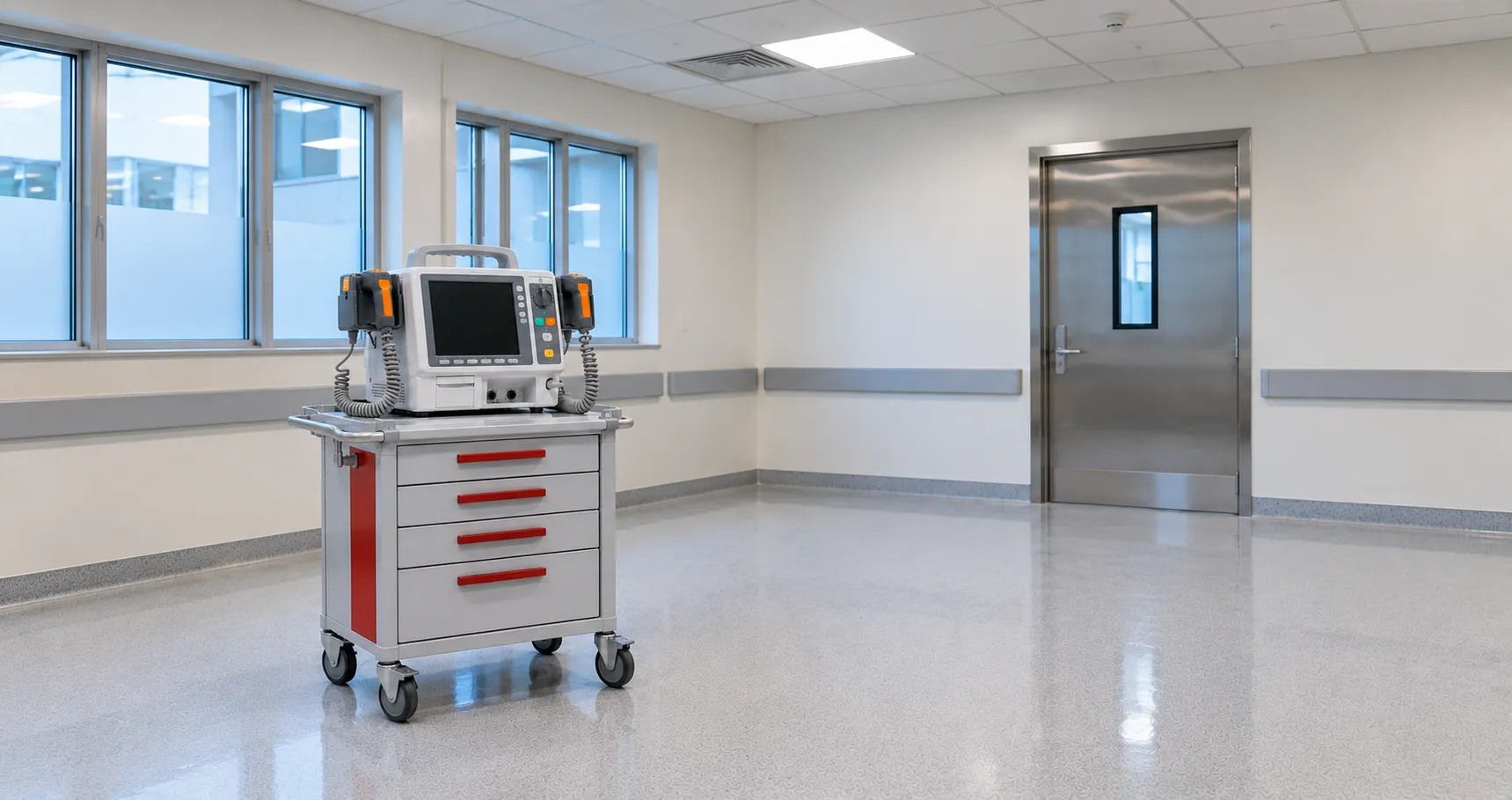
Technical Performance Requirements — Specifications should define what the equipment must do in real clinical conditions. For example, a patient monitor specification should not only list parameters; it should explain whether the device is for ICU, ward, transport or outpatient observation.
Accessory and Consumable Compatibility — Accessories can decide whether equipment is practical. Experienced clinical supply managers typically evaluate cuffs, probes, sensors, cables, filters, batteries, tubing, and mounts because incompatible accessories can cause delays and recurring costs.
System Connectivity and Data Handling — Connected equipment may need to exchange data with hospital systems, maintenance platforms or reporting tools. The FDA defines medical device interoperability as the ability to safely, securely and effectively exchange and use information among devices, products, technologies or systems, so compatibility should be reviewed before purchase.
Installation and Site Readiness — Some equipment needs power checks, room layout review, ventilation, plumbing, shielding, calibration or commissioning. A specification that ignores site readiness can lead to delivery delays and unexpected installation costs.
Procurement Evaluation Guidance for Hospital Buyers
Total Cost of Ownership Review — Buyers should compare the device price with accessories, consumables, installation, training, maintenance, calibration, spare parts, downtime,e and replacement timing. In markets where local service support is limited, a budget-tier device may become expensive if replacement parts are difficult to source.
Supplier Documentation Quality — A reliable supplier should provide clear specifications, manuals, warranty terms, conformity documents, service instructions, and after-sales contact details. Suppliers and manufacturers advertising to global healthcare buyers should expect procurement teams to request evidence, not only product images or short quotations.
Compliance Variation by Market — Requirements differ considerably across healthcare systems. Buyers should confirm applicable local regulatory standards, import rules and documentation expectations before payment or shipment, especially for higher-risk devices.
Training and Compatibility Planning — Equipment should be easy for local staff to learn and practical for biomedical teams to support. Training records, user manuals and compatible consumables reduce implementation risk after delivery.
Healthcare networks managing multiple facilities often reduce variation by creating structured distribution and reseller partnership arrangements. Buyers with project requirements, export questions or supplier documentation needs can contact the Medigear.uk team for supply support before confirming orders.
Service Life, Maintenance and After-Sales Control
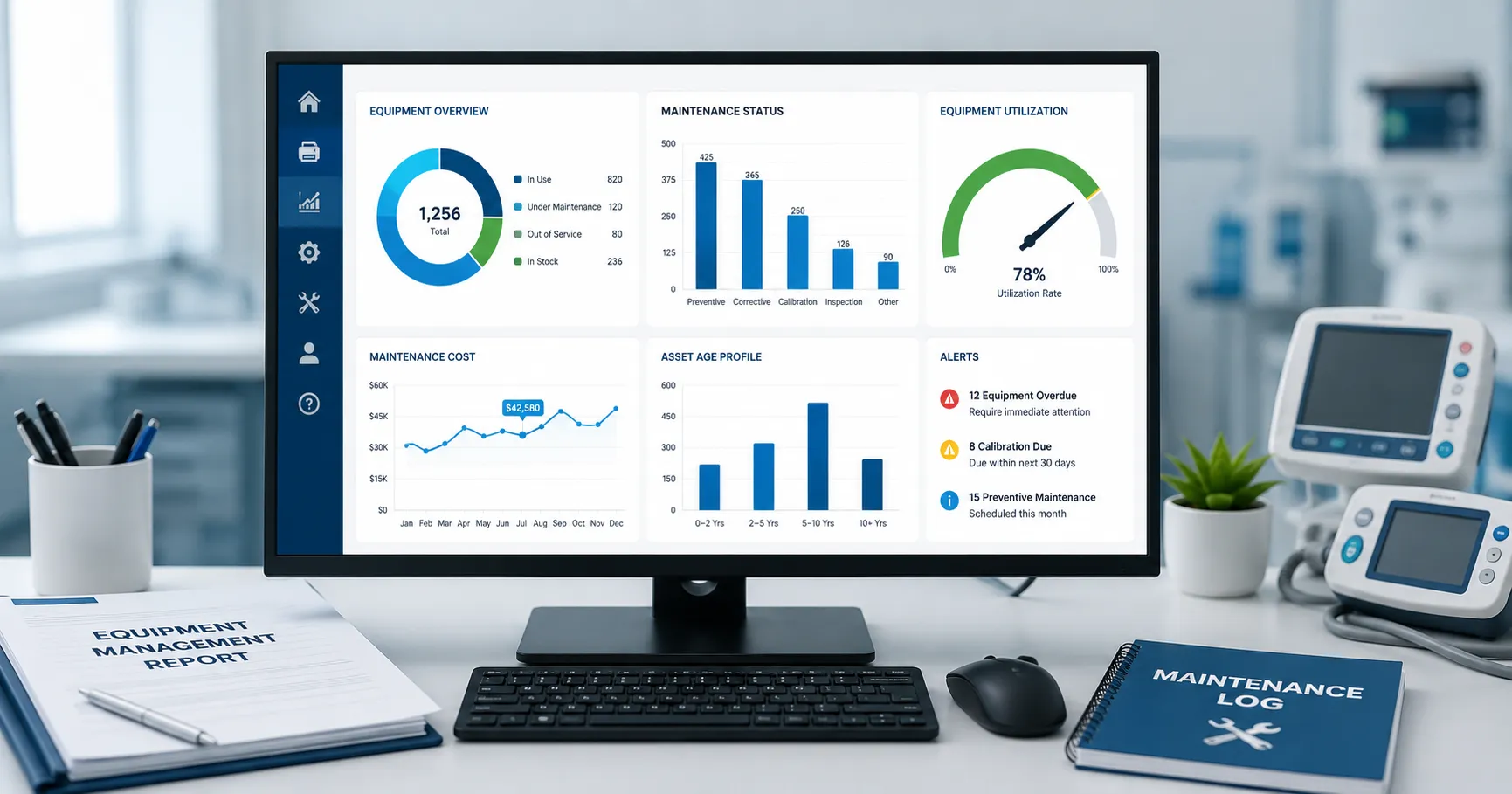
Preventive Maintenance Scheduling — Medical equipment should be entered into an asset register with planned inspection, preventive maintenance, and service dates. WHO explains that a maintenance strategy includes inspection, preventive maintenance, and corrective maintenance, with preventive maintenance aimed at extending equipment life and reducing failure rates.
Calibration and Performance Checks — Devices such as monitors, infusion pumps, analysers, ventilators and weighing systems may require calibration or performance verification. Buyers should confirm whether calibration support is available locally or must be arranged through the supplier.
Spare Parts and Local Support — Maintenance costs strongly affect total ownership in markets where local engineering support is limited. A device with unavailable boards, probes or batteries can become unusable long before its expected service life ends.
Global Demand and International Sourcing Considerations
Regional Procurement Behaviour — Large hospital groups may prioritise standardisation and service contracts, while smaller clinics may focus on affordable, reliable devices with simple maintenance. Across both public and private healthcare systems, documentation quality often decides whether an order moves forward.
Export and Import Readiness — International buyers should confirm invoice details, packing list, certificate of origin, compliance files, warranty documents and shipping responsibilities. FDA’s import guidance explains that imported medical devices may be checked against regulatory requirements in the destination market, so buyers should never leave documentation until the shipment stage.
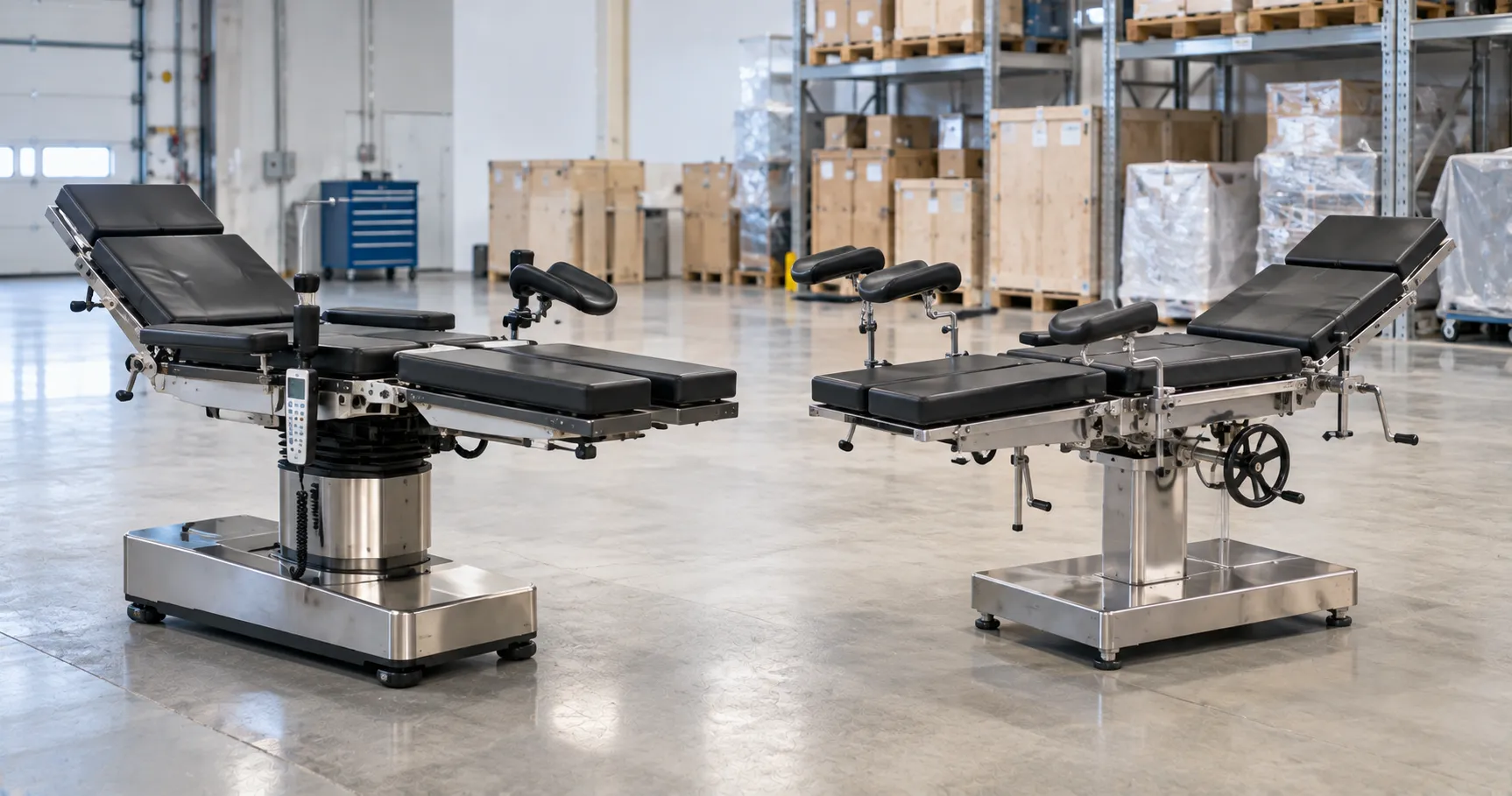
New Versus Refurbished Decisions — New equipment may offer a longer warranty and updated software, while refurbished devices may suit selected lower-risk use cases if their condition, calibration, and service records are verified. Procurement teams should compare clinical risk, service access and expected lifespan before choosing either route.
Final Thoughts
Medical equipment procurement works well when hospital buyers connect clinical needs with supplier reliability, technical specifications, documentation, service support and lifecycle cost. The strongest purchasing decisions are not always the cheapest; they are the ones that remain usable, serviceable and supported across real healthcare environments.
Procurement teams should involve clinical users, biomedical engineers, finance leaders and compliance teams before finalising major equipment orders. Clear requirements, verified suppliers, strong records, and planned maintenance help hospitals reduce operational risk and improve the long-term value of equipment.
Disclaimer
Medigear.uk is a global medical equipment supplier, exporter, and distributor. The content published on this site is intended for educational and product awareness purposes only. Nothing on this page constitutes medical advice, clinical guidance, or treatment recommendations. All healthcare procurement and clinical decisions should be made by qualified medical professionals and compliant procurement teams operating within the regulatory frameworks of their respective countries.